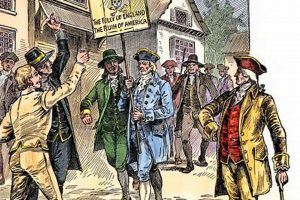
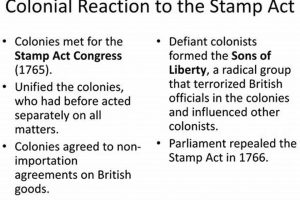
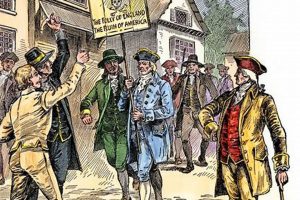
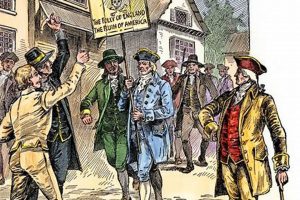
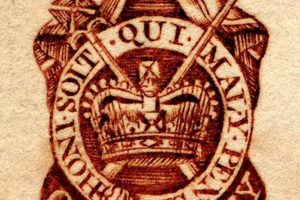
The Stamp Act of 1765, requiring a tax on all printed materials in the American colonies, provoked widespread colonial resistance. This manifested in boycotts of British goods, organized protests, and the formation of groups like the Sons of Liberty. Colonial assemblies passed resolutions denouncing the Act, arguing that taxation without representation violated their rights as Englishmen. Violence also erupted, targeting tax collectors and symbols of British authority.
This resistance significantly altered the relationship between Great Britain and its American colonies. The colonists unified response demonstrated a growing sense of collective identity and solidified their grievances against British policies. It laid the groundwork for future revolutionary action, fueling the flames of discontent that ultimately led to the American Revolutionary War. The Stamp Act crisis also contributed to the development of key political arguments about representation and consent, concepts central to the American Revolutions ideology.
Further exploration of this period can delve into specific colonial responses, the economic impact of the boycotts, the role of key figures in the resistance movement, and the eventual repeal of the Stamp Act in 1766. Examining these aspects offers a deeper understanding of the Act’s profound impact on the path to American independence.
Understanding the Impact of the Stamp Act
Examining the consequences of the Stamp Act of 1765 offers valuable insights into the escalating tensions between Great Britain and its American colonies. The following points provide a framework for understanding this pivotal period.
Tip 1: Explore the concept of “virtual representation.” British authorities argued that colonists were represented in Parliament, even without elected representatives from the colonies. Understanding this argument is crucial to grasping the core of the colonial grievance.
Tip 2: Analyze the economic effects of colonial boycotts. The boycotts of British goods significantly impacted the British economy, demonstrating the colonists’ economic power and resolve.
Tip 3: Research the formation and activities of groups like the Sons of Liberty. These organizations played a critical role in organizing resistance and disseminating revolutionary ideas.
Tip 4: Examine the role of colonial assemblies in challenging the Stamp Act. These legislative bodies provided a platform for formal protests and contributed to the development of legal arguments against British policies.
Tip 5: Consider the Stamp Act’s contribution to a burgeoning American identity. Shared opposition to the Act fostered a sense of unity and collective purpose among the colonists.
Tip 6: Investigate the British government’s rationale for enacting the Stamp Act. Understanding the British perspective, including their financial needs and their view of colonial governance, provides important context.
Tip 7: Explore the eventual repeal of the Stamp Act and its significance. While the repeal temporarily eased tensions, it also established a precedent for colonial resistance.
By considering these elements, one can gain a deeper understanding of the Stamp Act’s profound consequences and its crucial role in the events leading up to the American Revolution.
The Stamp Act’s legacy extends far beyond its repeal. It serves as a case study in the dynamics of colonial resistance, the power of collective action, and the evolution of political thought.
1. Colonial Resistance

Colonial resistance stands as a pivotal consequence of the Stamp Act of 1765. The Act, which imposed a tax on printed materials, ignited widespread opposition in the American colonies. This resistance took multiple forms, encompassing organized boycotts of British goods, public protests, and the formation of groups like the Sons of Liberty. These actions stemmed directly from colonial discontent with taxation without representation, a core principle violated by the Stamp Act. The boycotts, for instance, directly impacted British merchants and manufacturers, demonstrating the colonists’ economic power and determination to resist the Act. The Sons of Liberty, through public demonstrations and acts of defiance, further amplified colonial opposition and fostered a sense of collective identity among colonists.
The scale and intensity of colonial resistance surprised British authorities. It forced them to confront the depth of colonial dissatisfaction and the potential for escalating conflict. The Stamp Act Congress, convened in 1765, exemplified intercolonial cooperation in opposition to the Act. Representatives from nine colonies met to formally denounce the legislation and coordinate resistance efforts. This unified response underscored the gravity of the situation and demonstrated the potential for collective action among the colonies. Examples such as the Virginia Resolves, passed by the Virginia House of Burgesses, articulated the colonists arguments against parliamentary taxation and laid the groundwork for future revolutionary thought.
The colonial resistance sparked by the Stamp Act had profound and lasting implications. It contributed significantly to the growing rift between Great Britain and the American colonies, setting the stage for further conflict. The experience of unified resistance fostered a sense of shared identity and purpose among the colonies. Moreover, the arguments developed during this period, centered on principles of representation and self-governance, became cornerstones of the American Revolution. Understanding the connection between the Stamp Act and colonial resistance provides crucial insight into the complex factors that ultimately led to American independence.
2. Boycotts
Boycotts constituted a significant component of colonial resistance to the Stamp Act of 1765. Refusal to purchase British goods served as a powerful tool, leveraging economic pressure to express discontent and force a political response. This tactic proved remarkably effective, contributing significantly to the eventual repeal of the Act and shaping the relationship between Great Britain and the American colonies.
- Economic Impact on Britain
The boycotts directly impacted British merchants and manufacturers who relied on the colonial market. Decreased demand for British goods created economic hardship, putting pressure on Parliament to reconsider the Stamp Act. This economic leverage proved crucial in influencing British policy.
- Non-Importation Agreements
Colonists organized formal non-importation agreements, pledging to abstain from purchasing British goods. These agreements, circulated throughout the colonies, demonstrated a unified front and amplified the boycotts impact. They represented a crucial step in coordinating colonial resistance and establishing a sense of collective action.
- Colonial Manufacturing
The boycotts spurred the development of colonial manufacturing. Faced with limited access to British goods, colonists began producing their own goods, fostering self-sufficiency and reducing dependence on British imports. This nascent industrial growth had long-term implications for the colonial economy.
- Political Significance
Beyond the immediate economic impact, the boycotts carried significant political weight. They demonstrated the colonists willingness to take collective action and endure hardship to defend their principles. This resolve sent a clear message to British authorities and contributed to the growing momentum of the resistance movement.
The boycotts associated with the Stamp Act represent a pivotal moment in the relationship between Great Britain and the American colonies. They showcased the effectiveness of organized economic resistance and foreshadowed the escalating tensions that would ultimately culminate in the American Revolution. The success of the boycotts in achieving the repeal of the Stamp Act further emboldened colonists and solidified their belief in the power of collective action.
3. Protests
Protests played a crucial role in the colonial response to the Stamp Act of 1765. Public demonstrations of discontent, ranging from organized marches to acts of vandalism, vividly expressed colonial opposition and contributed significantly to the escalating tensions between Great Britain and the American colonies. Examining specific forms of protest reveals their diverse nature and impact.
- Organized Demonstrations
Formal protests, often orchestrated by groups like the Sons of Liberty, involved large gatherings and public expressions of resistance. These demonstrations served as focal points for colonial discontent, providing a collective platform to voice grievances and demonstrate unity against the Stamp Act. Examples include public burnings of stamped paper and effigies representing British officials.
- Acts of Violence and Intimidation
Protests occasionally escalated into violence and intimidation. Targeting tax collectors and symbols of British authority, these acts underscored the intensity of colonial anger and contributed to a climate of fear and unrest. Destruction of property and physical assaults served as stark reminders of the potential for escalating conflict.
- Symbolic Acts of Resistance
Beyond organized demonstrations and violence, colonists engaged in symbolic acts of resistance. Wearing homespun clothing, for instance, symbolized rejection of British manufactured goods and demonstrated support for colonial industries. Such acts, while seemingly small, carried significant political weight and reinforced the collective message of defiance.
- Pamphlets and Public Discourse
The dissemination of pamphlets and the engagement in public discourse further fueled protests. Pamphlets like those written by James Otis and John Dickinson articulated the colonists’ arguments against the Stamp Act and contributed to the intellectual underpinnings of the resistance movement. Public debates and discussions further amplified these arguments and fostered a sense of shared purpose among colonists.
These diverse forms of protest, ranging from organized demonstrations to individual acts of defiance, collectively demonstrated the depth and breadth of colonial opposition to the Stamp Act. The protests fueled the growing rift between Great Britain and the American colonies, laying the groundwork for future conflict and contributing significantly to the chain of events that culminated in the American Revolution. The protests served as a powerful catalyst, transforming individual grievances into a collective movement for change.
4. Unification of Colonies

The Stamp Act of 1765 proved to be a catalyst for intercolonial unity, a significant consequence often overlooked. While resistance manifested in various forms across individual colonies, the Act fostered a collective sense of grievance and spurred unprecedented cooperation. This burgeoning unity laid crucial groundwork for the coordinated resistance that would characterize the American Revolution.
Before the Stamp Act, colonial identity primarily centered on individual colonies. Intercolonial communication and cooperation remained limited. The Act’s universal application across the colonies, however, created a shared experience of oppression. Realizing their collective vulnerability to British policies, colonists recognized the strength in unity. The Stamp Act Congress, convened in 1765, exemplifies this shift. Representatives from nine colonies gathered to formulate a collective response, marking a significant step towards intercolonial collaboration. This coordinated resistance, exemplified by the unified boycotts and joint declarations like the Resolutions of the Stamp Act Congress, demonstrated the potential for collective action and significantly contributed to the eventual repeal of the Act.
This newfound unity transcended the immediate crisis. The networks and relationships forged during the Stamp Act resistance persisted, facilitating future collaboration. The shared experience of resisting the Stamp Act fostered a collective identity that extended beyond individual colony lines. This nascent sense of American identity, born from shared opposition to British policies, proved crucial in mobilizing the colonies towards the Revolution. The understanding of shared grievances, facilitated by communication and coordination during the Stamp Act crisis, enabled the colonies to present a united front against future British policies, ultimately culminating in the Declaration of Independence and the fight for nationhood.
5. Sons of Libertys Emergence

The emergence of the Sons of Liberty represents a direct consequence of the Stamp Act of 1765 and a crucial development in the escalating tensions between Great Britain and the American colonies. This organization, formed in response to the perceived injustice of the Act, played a pivotal role in organizing and amplifying colonial resistance. Examining its key activities reveals its profound impact on the events leading to the American Revolution.
- Organization and Mobilization of Resistance
The Sons of Liberty served as a central organizing force for colonial resistance. They coordinated boycotts, staged protests, and disseminated information about the Stamp Act and its implications. Their efforts provided structure and direction to the widespread discontent, transforming individual grievances into a cohesive movement. For instance, they orchestrated public demonstrations, often involving symbolic acts of defiance, such as burning effigies of British officials.
- Propaganda and Public Opinion
The Sons of Liberty actively shaped public opinion through propaganda and the dissemination of information. They published pamphlets, organized public speeches, and engaged in other forms of communication to rally support for their cause. Their efforts effectively mobilized colonial sentiment against the Stamp Act and contributed to the growing sense of shared grievance. They skillfully employed rhetoric and symbolism to portray the Act as an act of tyranny, further fueling colonial anger.
- Intimidation and Enforcement of Boycotts
The Sons of Liberty sometimes employed intimidation tactics to enforce boycotts and ensure compliance with their directives. They targeted merchants who continued to import British goods and individuals who cooperated with British authorities. While controversial, these tactics underscored their commitment to resistance and their effectiveness in maintaining pressure on British authorities. These actions, while sometimes bordering on vigilantism, demonstrated their resolve and contributed to the boycotts effectiveness.
- Fostering Intercolonial Communication
The Sons of Liberty facilitated communication and cooperation between different colonies. They established networks that spanned geographic boundaries, enabling the exchange of information and the coordination of resistance efforts. This intercolonial collaboration proved crucial in unifying the colonies and amplifying the impact of their resistance. This strengthened the collective response to the Stamp Act and laid the groundwork for future intercolonial cooperation.
The Sons of Libertys emergence in response to the Stamp Act significantly shaped the course of events leading to the American Revolution. Their activities, ranging from organizing boycotts to shaping public opinion, galvanized colonial resistance and contributed to the growing divide between Great Britain and the American colonies. The organizations legacy extends beyond the repeal of the Stamp Act, as it established a precedent for organized resistance and demonstrated the power of collective action in challenging British authority. Their actions served as a catalyst, transforming individual discontent into a powerful movement for change.
6. Parliamentary Debates

Parliamentary debates played a crucial role in shaping the outcome of the Stamp Act of 1765. The Act, intended to raise revenue for the British Empire, sparked fierce resistance in the American colonies. News of this colonial opposition reached the British Parliament, igniting heated debates that reflected the complex and evolving relationship between Great Britain and its American colonies. These debates served as a critical arena for discussing the Act’s implications, the legitimacy of colonial grievances, and the appropriate response to the growing crisis. The arguments presented in Parliament, both for and against the Act, offer valuable insights into the political and economic considerations of the time.
A key point of contention within these debates centered on the principle of “taxation without representation.” Colonial representatives argued vehemently that they could not be subjected to taxes levied by a Parliament in which they lacked direct representation. British officials countered with the concept of “virtual representation,” asserting that colonial interests were represented in Parliament even without elected colonial members. This fundamental disagreement underscored the growing divide between the colonies and Great Britain. The debates also explored the economic ramifications of the Act, including the potential impact of colonial boycotts on British trade. Testimony from merchants and traders provided concrete evidence of the economic pressure exerted by colonial resistance. For example, the testimony of merchants trading with the colonies highlighted the significant decline in trade volume following the implementation of the boycotts, directly impacting British businesses and the economy.
The outcome of these parliamentary debates had profound consequences. The repeal of the Stamp Act in 1766, a direct result of these deliberations and the mounting pressure from colonial resistance and British merchants, signified a temporary victory for the colonies. However, the underlying tensions remained unresolved. The debates themselves, while leading to the Act’s repeal, also exposed fundamental differences in political ideology and economic interests. The arguments articulated and the decisions made during these debates shaped the future relationship between Great Britain and the American colonies, contributing significantly to the escalating tensions that ultimately culminated in the American Revolution. Understanding the complexities of these parliamentary debates provides essential context for comprehending the long-term impact of the Stamp Act and its contribution to the path towards American independence. These debates served not only as a reaction to the colonial response but also as a catalyst for future events, shaping the narrative and laying the foundation for the Revolution.
7. Eventual Repeal
The eventual repeal of the Stamp Act in 1766 stands as a direct consequence of the widespread colonial resistance it provoked. Understanding the repeal’s context, including the factors that led to it and its broader implications, is crucial for grasping the full impact of the Stamp Act of 1765. The repeal represents not merely an isolated event but a pivotal moment in the evolving relationship between Great Britain and its American colonies, shaping future interactions and contributing significantly to the path toward revolution.
- Colonial Resistance’s Impact
The sustained and multifaceted colonial resistance, encompassing boycotts, protests, and intellectual arguments against the Act, exerted significant pressure on British authorities. The economic impact of colonial boycotts on British merchants, coupled with the potential for escalating unrest in the colonies, forced Parliament to reconsider its policy. The effectiveness of colonial resistance demonstrated the potential power of collective action and set a precedent for future resistance movements.
- Parliamentary Debates and Shifting Opinions
Within the British Parliament, debates surrounding the Stamp Act reflected a growing divide in opinion regarding colonial policy. While some members staunchly defended the Act’s necessity for raising revenue, others acknowledged the legitimacy of colonial grievances and the potential dangers of escalating conflict. These debates, influenced by news of colonial resistance and lobbying efforts by British merchants affected by the boycotts, ultimately swayed the balance towards repeal.
- The Declaratory Act and Continued Tensions
While the repeal of the Stamp Act represented a concession to colonial demands, it was accompanied by the Declaratory Act. This Act asserted Parliament’s ultimate authority to legislate for the colonies “in all cases whatsoever.” This seemingly contradictory move aimed to appease colonial discontent while simultaneously reaffirming British sovereignty. The Declaratory Act, however, ultimately failed to resolve the underlying tensions and foreshadowed future conflicts over parliamentary authority.
- Legacy of Resistance and Path to Revolution
The repeal of the Stamp Act, though a victory for the colonies, did not fully resolve the fundamental issues of representation and self-governance. The experience of successfully resisting the Stamp Act, however, emboldened colonists and contributed to a growing sense of collective identity. The repeal, coupled with the lingering resentment over the Declaratory Act, further fueled the flames of discontent that ultimately led to the American Revolution. The success of colonial resistance demonstrated the potential for challenging British authority, inspiring future acts of defiance and shaping the course of events toward independence.
The repeal of the Stamp Act represents a complex and multifaceted turning point in the relationship between Great Britain and the American colonies. While offering a temporary resolution to the immediate crisis, it also laid bare the fundamental differences that would ultimately lead to revolution. The repeal itself, a direct consequence of colonial resistance, served as a powerful symbol of the potential for collective action and significantly shaped the political landscape of the era, contributing to the growing movement for American independence.
Frequently Asked Questions about the Stamp Act’s Repercussions
This section addresses common inquiries regarding the consequences of the Stamp Act of 1765, aiming to provide concise and informative responses.
Question 1: Why did the Stamp Act generate such intense opposition in the colonies?
The Stamp Act ignited colonial resistance primarily due to the principle of “taxation without representation.” Colonists argued that being taxed by a Parliament in which they lacked elected representatives violated their fundamental rights as Englishmen.
Question 2: How did colonial boycotts contribute to the repeal of the Stamp Act?
Colonial boycotts of British goods significantly impacted British merchants and manufacturers, creating economic pressure on Parliament to reconsider the Act. This economic leverage proved crucial in influencing the decision to repeal.
Question 3: What role did the Sons of Liberty play in the resistance movement?
The Sons of Liberty organized protests, enforced boycotts, and disseminated information about the Stamp Act, playing a key role in mobilizing colonial resistance and shaping public opinion.
Question 4: What was the significance of the Stamp Act Congress?
The Stamp Act Congress, convened in 1765, represented a significant step towards intercolonial unity. Representatives from nine colonies met to formally denounce the Act and coordinate resistance efforts, demonstrating the potential for collective action.
Question 5: Did the repeal of the Stamp Act resolve the underlying tensions between Great Britain and the colonies?
While the repeal temporarily eased tensions, the underlying issues of representation and parliamentary authority remained unresolved. The accompanying Declaratory Act, asserting Parliament’s right to legislate for the colonies “in all cases whatsoever,” further fueled colonial discontent.
Question 6: How did the Stamp Act contribute to the American Revolution?
The Stamp Act crisis served as a catalyst for the American Revolution. It fostered colonial unity, established a precedent for organized resistance, and solidified colonial grievances against British policies, ultimately contributing to the growing movement for independence.
Understanding the multifaceted impact of the Stamp Act, from colonial resistance to parliamentary debates and the eventual repeal, provides crucial insights into the factors that shaped the American Revolution. Each aspect contributed to the growing rift between Great Britain and its American colonies, setting the stage for the fight for independence.
Further exploration might delve into specific colonial responses, the economic impact of the boycotts, the role of key figures in the resistance, and the long-term political and social ramifications of the Stamp Act crisis.
The Legacy of the Stamp Act
The Stamp Act of 1765, though short-lived, had profound and lasting consequences. Colonial resistance, manifested through boycotts, protests, and intellectual arguments, demonstrated a unified front against perceived unjust taxation without representation. The economic pressure exerted by boycotts, combined with the growing unrest in the colonies, forced the British Parliament to repeal the Act in 1766. However, the underlying tensions remained. The accompanying Declaratory Act, asserting Parliament’s ultimate authority, failed to quell colonial discontent and foreshadowed future conflicts. The Stamp Act fostered a burgeoning sense of American identity, established a precedent for organized resistance, and solidified grievances that would ultimately fuel the American Revolution.
The Stamp Act serves as a pivotal case study in the dynamics of colonial resistance and the power of collective action. Its legacy extends far beyond its repeal, shaping the political landscape of the era and contributing significantly to the events that culminated in American independence. Further examination of this period remains crucial for understanding the complex interplay of political, economic, and social factors that shaped the course of American history.