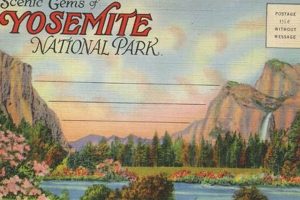
Ephemeral cards from bygone summer camps offer glimpses into recreational activities, camp life, and design aesthetics of the past. These cards often depict scenes of campers engaged in activities like swimming, canoeing, archery, and campfire sing-alongs. A typical example might show a rustic cabin nestled amongst trees with a lake in the background, often adorned with the camp’s logo and a pre-printed message.
These artifacts serve as valuable historical documents, providing insights into the evolution of summer camps, changing social trends, and graphic design styles. They offer a tangible connection to previous generations’ leisure pursuits and can evoke a sense of nostalgia for simpler times. Studying these cards can illuminate the cultural significance of summer camps and their role in childhood development throughout different eras. Their preservation and study contribute to a richer understanding of recreational and social history.
The following sections will delve further into specific aspects of these nostalgic mementos, exploring the evolution of their design, the stories they tell about camp life, and their value as collectible items.
Tips for Collecting and Appreciating Camp Postcards
Building a collection of nostalgic camp postcards requires careful consideration and research. The following tips offer guidance for both novice and experienced collectors.
Tip 1: Focus on a Specific Theme or Era. Narrowing the scope of a collection can make the process more manageable and rewarding. One might concentrate on camps from a particular region, a specific time period, or a certain type of activity, such as aquatics or horseback riding.
Tip 2: Examine Card Condition. Assess postcards for signs of wear and tear, such as corner bumps, creases, and fading. Pristine condition generally commands higher value, but even cards with minor imperfections can hold historical significance.
Tip 3: Research Camp Histories. Investigating the background of the camps depicted on the postcards adds depth to the collection. Local historical societies, libraries, and online resources can provide valuable information.
Tip 4: Consider Postmark and Message Details. Postmarks offer clues about when and where the card was sent. Handwritten messages can provide personal glimpses into the experiences of past campers.
Tip 5: Proper Storage is Essential. Protect postcards from damage by storing them in archival-quality sleeves and albums, away from direct sunlight and humidity.
Tip 6: Connect with Other Collectors. Joining online forums, attending postcard shows, and engaging with other collectors can provide valuable insights, networking opportunities, and potential trading prospects.
Tip 7: Budget Wisely. Set a realistic budget and stick to it. Rare and highly sought-after postcards can command significant prices.
By following these guidelines, one can cultivate a meaningful collection that preserves a unique piece of cultural history.
These insights into acquiring and preserving these historical artifacts serve as a foundation for further exploration of their significance and the stories they tell.
1. Nostalgia

Nostalgia plays a significant role in the appeal of vintage summer camp postcards. These artifacts function as tangible portals to the past, evoking memories of carefree summers spent outdoors. The imagery often depicts idyllic scenes of swimming, boating, and campfire gatherings, activities associated with childhood freedom and camaraderie. This visual connection triggers personal recollections, even for individuals who did not attend the specific camp depicted. The vintage aesthetic, with its often-stylized graphics and faded colors, further enhances the nostalgic effect, contributing to a sense of longing for a simpler time. For example, a postcard showcasing a group of children singing around a campfire might evoke memories of similar experiences, even if the viewer’s personal memories originate from a different setting. This power of association underscores the emotional resonance of these seemingly simple objects.
The nostalgic power of these postcards extends beyond individual reminiscence. They offer glimpses into collective cultural memory, reflecting societal values and recreational trends of past eras. Examining the activities depicted, the fashion styles, and even the language used in pre-printed messages can provide insights into the historical context of summer camp culture. A postcard from the 1920s, for instance, might depict activities and attire vastly different from those featured on a card from the 1970s, reflecting evolving social norms and recreational preferences. This broader historical perspective adds another layer to the nostalgic experience, fostering an appreciation for the continuity and change within summer camp traditions. Understanding this connection allows collectors and historians to glean insights into cultural shifts and the enduring appeal of summer camp experiences.
The inherent nostalgic value of vintage summer camp postcards contributes significantly to their collectibility and historical significance. This emotional resonance transforms these objects from mere ephemera into cherished keepsakes and valuable historical documents. Recognizing the power of nostalgia enhances appreciation for these artifacts, prompting further exploration into their cultural and personal significance. While the specific memories evoked might vary, the underlying sense of longing for a simpler past remains a common thread, uniting collectors and casual observers alike. This understanding enriches the study of social history and the human experience.
2. History

Vintage summer camp postcards offer valuable insights into the historical evolution of summer camps, reflecting changing social trends, recreational activities, and design aesthetics. These seemingly simple artifacts serve as primary source material for understanding how summer camps have evolved over time, reflecting broader societal shifts and the enduring appeal of outdoor recreation. Examining these cards provides a tangible connection to the past, illuminating the experiences of previous generations.
- Camp Activities:
Postcards often depict the range of activities offered at a particular camp, from swimming and canoeing to archery and crafts. Changes in depicted activities over time reflect evolving recreational trends and societal values. For instance, postcards from the early 20th century might emphasize nature study and woodcraft, while later cards showcase more modern activities like waterskiing or computer programming. This evolution reveals how camps adapted to changing interests and technological advancements.
- Camp Facilities and Architecture:
The architecture and facilities depicted on postcards provide glimpses into the development of camp infrastructure. Early camps might feature rustic cabins and open-air dining halls, while later camps showcase more modern amenities. Observing these changes offers insights into evolving construction methods, architectural styles, and the increasing emphasis on camper comfort and safety over time. A shift from canvas tents to permanent structures, for instance, reveals changing priorities and resource allocation.
- Fashion and Dress Codes:
Campers’ attire, as depicted on postcards, reveals changing fashion trends and social norms. From the formal attire of early camp photos to the more casual styles of later decades, these visual cues offer insights into evolving societal expectations and the growing emphasis on comfort and practicality in recreational settings. The transition from uniforms to personalized clothing, for example, reflects changing ideas about individuality and self-expression.
- Graphic Design and Printing Techniques:
The evolution of graphic design and printing techniques is readily apparent in vintage postcards. Early cards often feature simple line drawings and limited color palettes, while later cards utilize more sophisticated printing methods and vibrant colors. Analyzing these changes illuminates advancements in printing technology and the increasing influence of commercial art on visual communication. The shift from lithography to offset printing, for example, demonstrates how technological advancements impacted the production and aesthetics of these cards.
By analyzing these historical facets preserved in vintage summer camp postcards, researchers and collectors gain valuable insights into the broader social and cultural context surrounding summer camps. These cards transcend their function as simple mementos, becoming windows into the past that illuminate the evolution of recreation, social norms, and visual communication. The seemingly mundane details captured on these postcards contribute significantly to a richer understanding of the historical development of summer camps and their enduring place in cultural history.
3. Design

Design plays a crucial role in the appeal and historical significance of vintage summer camp postcards. Graphic styles, typography, and imagery choices reflect the prevailing artistic trends of their respective eras, offering insights into the evolution of visual communication and commercial art. The design elements often incorporate nostalgic imagery, such as rustic cabins, canoes, and campfires, reinforcing the idyllic perception of summer camp life. Color palettes, frequently vibrant and optimistic, contribute to the overall sense of carefree summer days. Typography choices, from bold Art Deco fonts to whimsical script, further enhance the aesthetic and convey the spirit of the era. A postcard from the 1930s, for example, might feature stylized illustrations and bold geometric shapes characteristic of the Art Deco movement, while a 1960s postcard might employ a more psychedelic color scheme and groovy fonts reflecting the era’s design trends. Analyzing these design elements provides valuable context for understanding the cultural influences of the time.
Beyond aesthetics, design choices often served practical purposes. Clear, concise typography conveyed essential information about the camp, such as its name, location, and activities offered. The layout and composition of the image aimed to capture the camp’s unique features and attract potential campers. Postcard backs frequently incorporated pre-printed messages, facilitating communication and reinforcing the camp’s brand identity. The use of specific color schemes, for instance, might have been intended to evoke feelings of warmth and excitement, attracting families seeking an idyllic summer escape. Furthermore, the placement of the camp’s logo and contact information strategically maximized visibility and encouraged inquiries. These design decisions reflect not only artistic trends but also the marketing strategies employed by camps to attract prospective attendees.
Understanding the design elements of vintage summer camp postcards provides valuable insights into the historical context of these artifacts. By analyzing the interplay of artistic trends, marketing strategies, and communication techniques, one gains a deeper appreciation for the cultural significance of these seemingly simple objects. Design serves as a powerful tool for conveying information, evoking emotions, and shaping perceptions of summer camp experiences. Recognizing the deliberate design choices embedded within these postcards enhances their historical value and contributes to a more nuanced understanding of their role in shaping the cultural narrative surrounding summer camps.
4. Photography

Photography is integral to vintage summer camp postcards, serving as both a visual record and a powerful marketing tool. Images captured the essence of camp life, showcasing activities, facilities, and the surrounding natural environment. Early postcards often featured posed group photos of campers and staff, emphasizing the sense of community and camaraderie. As photographic technology advanced, candid shots capturing campers in action became more prevalent, conveying a sense of spontaneity and fun. The choice of subject matter, composition, and photographic techniques reflected the desired image projected by the camp, influencing prospective campers’ perceptions. For example, a postcard depicting children happily engaged in a craft activity might aim to portray the camp as nurturing and educational, while a photo of teenagers waterskiing could emphasize adventure and excitement. These photographic representations shaped the narrative surrounding summer camp experiences, contributing to their enduring appeal.
The photographic processes employed in creating these postcards evolved over time. Early examples often utilized black-and-white photography, capturing a sense of nostalgia and historical significance. The introduction of color photography brought a new vibrancy to postcard imagery, further enhancing the appeal of summer camp experiences. Sepia tones and hand-tinted photographs added an artistic touch, reflecting the aesthetic sensibilities of different eras. The limitations of early photographic technology sometimes resulted in blurred images or unusual lighting effects, inadvertently adding to the charm and historical value of these artifacts. The transition from formal, posed photographs to more candid and dynamic imagery reflects changes in photographic styles and the evolving desire to capture authentic moments of camp life. Analyzing these photographic trends provides valuable insights into the technical and artistic developments in photography, as well as changing cultural attitudes towards visual representation.
Understanding the role of photography in vintage summer camp postcards provides a deeper appreciation for their historical and cultural significance. These images offer a glimpse into the past, documenting not only camp activities and facilities but also evolving photographic techniques and aesthetic trends. The carefully curated images served as powerful marketing tools, shaping public perceptions of summer camp experiences and contributing to their enduring popularity. Studying these photographs offers valuable insights into the history of photography, the evolution of summer camps, and the interplay between visual representation and cultural memory. The seemingly simple act of capturing a moment on film played a significant role in shaping the narrative and legacy of summer camp culture.
5. Messages

Handwritten messages on vintage summer camp postcards provide intimate glimpses into the experiences and emotions of individuals during their time away from home. These messages, often brief and informal, offer personalized narratives that complement the visual imagery on the card. They document daily activities, express sentiments towards family and friends, and convey the overall atmosphere of camp life. A message might describe a particularly exciting canoe trip, express a camper’s longing for home, or simply relay greetings to loved ones. These seemingly mundane details offer valuable insights into the social dynamics, emotional landscape, and daily routines of campers in different eras. The messages personalize the historical narrative, transforming these postcards from generic artifacts into unique windows into the past.
Messages often reveal a range of emotions associated with the summer camp experience. Excitement, homesickness, camaraderie, and anticipation are frequently expressed themes. Analyzing the language and tone used in these messages can illuminate the emotional impact of summer camp on individuals. A postcard from a first-time camper might express anxiety and apprehension, while a message from a returning camper could convey enthusiasm and anticipation. These emotional nuances add depth and complexity to the historical record, providing valuable context for understanding the social and psychological dimensions of summer camp experiences. For example, a message detailing a camper’s participation in a talent show might reveal not only their personal interests but also the camp’s emphasis on creative expression and community engagement. These personal accounts contribute significantly to a more nuanced understanding of the summer camp experience.
The messages on vintage summer camp postcards enhance their historical value and contribute to a richer understanding of individual experiences within a specific time and place. These personal narratives offer valuable insights into the social, emotional, and recreational aspects of summer camp life, complementing the visual imagery and providing a more complete picture of the past. The challenges of deciphering handwriting, interpreting archaic language, and contextualizing individual experiences within broader historical trends underscore the importance of careful analysis and preservation of these valuable historical documents. Studying these messages allows researchers and collectors to connect with the past on a personal level, gaining a deeper appreciation for the human stories embedded within these seemingly simple artifacts. They bridge the gap between historical data and individual lived experiences, illuminating the lasting impact of summer camp on personal and cultural memory.
6. Collectibility

Collectibility significantly contributes to the perceived value and preservation of vintage summer camp postcards. Several factors influence their desirability among collectors, transforming these seemingly ephemeral items into sought-after historical artifacts. Understanding these factors provides insights into the market dynamics and cultural significance surrounding these nostalgic mementos.
- Rarity:
Scarcity drives demand in the collecting world. Postcards from lesser-known camps, those produced in limited quantities, or those featuring unique or unusual imagery tend to command higher prices. A postcard depicting a specific event, like a camp anniversary celebration, or showcasing a now-defunct activity adds to its rarity and collectibility. Collectors prize unique items that fill gaps in their collections or represent a specific historical moment.
- Condition:
Preservation significantly impacts a postcard’s value. Cards in pristine condition, free from creases, tears, or fading, are generally more desirable and valuable. Minor imperfections, such as corner bumps or slight discoloration, are often acceptable to collectors, but significant damage diminishes their worth. The presence of a clear postmark, while sometimes affecting the visual aesthetics, can add historical context and increase value for certain collectors. Proper storage methods are essential for maintaining card condition and maximizing collectibility.
- Historical Significance:
Postcards from historically significant camps or those depicting notable events or individuals hold particular appeal for collectors. A postcard from a camp with a rich history, known for its unique programs or influential alumni, carries greater weight than one from a less notable institution. Cards documenting specific historical events, such as wartime activities or societal shifts, also increase in value due to their historical context. This connection to broader historical narratives elevates their significance beyond mere memorabilia.
- Theme and Subject Matter:
Specific themes or subjects depicted on postcards can influence their desirability. Collectors often focus on particular activities, such as watersports, horseback riding, or arts and crafts. Postcards showcasing specific types of camp architecture or featuring unique natural landscapes can also attract specialized collectors. These thematic preferences drive demand within niche collecting communities, increasing the value of cards that align with specific interests. A collector specializing in postcards depicting campfires, for example, would place a higher value on a card featuring a detailed campfire scene than on one showcasing a dining hall interior.
These interconnected factors contribute to the collectibility of vintage summer camp postcards, transforming them from simple souvenirs into valuable historical artifacts. The interplay of rarity, condition, historical significance, and thematic appeal determines their market value and desirability among collectors. Recognizing these factors allows for a deeper understanding of the cultural significance and historical value attributed to these nostalgic mementos. By preserving these postcards, collectors play a crucial role in safeguarding a tangible piece of cultural history, ensuring that the stories and memories embedded within them endure for future generations.
Frequently Asked Questions
The following addresses common inquiries regarding vintage summer camp postcards, providing concise and informative responses.
Question 1: What makes a postcard “vintage”?
Generally, postcards over 50 years old are considered vintage. However, the term can also encompass cards from more recent decades that exhibit specific stylistic characteristics associated with earlier periods.
Question 2: How can one determine the age of a summer camp postcard?
Postmarks provide the most reliable dating information. Printing techniques, graphic styles, and depicted activities can also offer clues about a card’s approximate age. Consulting historical resources and postcard guides can assist with dating undated cards.
Question 3: Where can one acquire vintage summer camp postcards?
Online marketplaces, antique shops, postcard shows, and specialized dealers offer potential sources for acquiring these collectibles. Local historical societies and flea markets can also be fruitful avenues for discovery.
Question 4: What factors influence the value of these postcards?
Rarity, condition, historical significance, and subject matter are key determinants of value. Postcards from rare or historically significant camps, in excellent condition, and depicting popular themes generally command higher prices. Consulting price guides and expert appraisers can provide more specific valuations.
Question 5: How should vintage postcards be stored to prevent damage?
Archival-quality sleeves and albums protect postcards from light, humidity, and physical damage. Storing them in a cool, dry, and dark environment helps preserve their condition and maintain their value. Avoid direct sunlight and excessive handling.
Question 6: What are some common themes depicted on vintage summer camp postcards?
Common themes include depictions of camp activities (swimming, boating, hiking), camp buildings (cabins, dining halls), natural landscapes (lakes, forests), and group portraits of campers and staff. These themes often reflect the idealized vision of summer camp promoted by the institutions themselves.
Acquiring knowledge about these aspects facilitates informed collecting practices and a deeper appreciation for the historical and cultural significance embedded within these seemingly simple objects.
The subsequent section delves further into specific examples of vintage summer camp postcards, illustrating the diverse range of imagery and historical narratives they represent.
Conclusion
Vintage summer camp postcards offer a multifaceted lens through which to examine social history, graphic design, and personal narratives of the past. Exploration of these artifacts reveals evolving recreational trends, changing aesthetic sensibilities, and the enduring allure of summer camp experiences. From the carefully curated imagery to the personalized messages, these cards encapsulate a unique blend of commercial art, personal expression, and historical documentation. Analysis of design elements, photographic techniques, and handwritten messages provides valuable insights into the cultural context surrounding these seemingly simple objects, illuminating the interplay between individual experiences and broader societal trends.
Preservation of these ephemeral treasures ensures the continued accessibility of these historical narratives. Continued research and analysis promise further insights into the evolving role of summer camps in shaping childhood experiences and reflecting cultural values. These seemingly modest artifacts hold a wealth of untapped historical information, offering a tangible connection to the past and inspiring further exploration into the enduring legacy of summer camp culture.