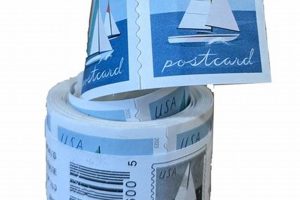
This annual celebration, observed on the first of October, provides an opportunity to reconnect with the tangible charm of handwritten correspondence and the tradition of sharing travel experiences and greetings through illustrated cards. It offers a nostalgic reminder of a simpler time, before instant digital communication, when postcards served as a primary means of staying in touch across distances. The practice involves selecting a visually appealing card depicting a location, artwork, or other imagery, writing a personalized message, affixing postage, and sending it through the postal system.
The event fosters a sense of global connection, encouraging individuals to bridge geographical gaps and share their world with others. It promotes cultural exchange, allowing senders and recipients to glimpse different perspectives and locales. Furthermore, this tradition supports postal services worldwide and contributes to the preservation of a unique form of communication. Stemming from a desire to revive and celebrate this historical method of sharing, the observance began with philatelic societies and has grown into an internationally recognized occasion.
This article will delve into the history and evolution of the practice, exploring its impact on communication and culture. It will also examine the contemporary relevance of physical mail in a digital age, highlighting the enduring appeal and benefits of this tangible form of correspondence. Finally, practical tips and creative ideas for participating will be offered.
Tips for Participating
Meaningful participation can be achieved through various approaches. The following suggestions offer guidance for engaging with this annual tradition.
Tip 1: Select Evocative Postcards: Choose cards that resonate personally or reflect the recipient’s interests. Images of local landmarks, artwork, or nature photography can create a strong visual connection.
Tip 2: Craft Personalized Messages: Avoid generic greetings. Share specific anecdotes, travel experiences, or thoughtful sentiments to make the message more meaningful.
Tip 3: Utilize Quality Writing Instruments: Opt for pens with smooth ink flow that won’t smudge or bleed through the card. Consider using different colors for visual interest.
Tip 4: Address Cards Accurately: Ensure correct postage and legible addressing to prevent delivery delays or misdirection. Double-check international address formats if necessary.
Tip 5: Seek Unique Post Offices or Mailboxes: Add a special touch by mailing cards from historical post offices or unique mailboxes during travels.
Tip 6: Explore Thematic Stamps: Coordinate stamps with the postcard’s imagery or the recipient’s interests for an added layer of personalization.
Tip 7: Consider Vintage or Handmade Cards: Explore antique shops or craft fairs for unique, one-of-a-kind postcards that will stand out.
By following these suggestions, individuals can create a more impactful and memorable experience for both senders and recipients. These small details contribute to the overall charm and significance of the tradition.
Through mindful participation, this annual event offers a valuable opportunity to reconnect with a cherished form of communication and foster genuine connections in an increasingly digital world.
1. Global Connection

Global connection forms a core principle of World Postcard Day. The act of sending a physical postcard transcends geographical boundaries, linking individuals across continents. This exchange fosters a sense of shared experience and global community. A postcard sent from a small village in Italy to a bustling metropolis in Japan, for instance, creates a tangible link between two disparate locations, cultures, and individuals. The simple act of choosing a postcard, writing a message, and entrusting it to the postal system demonstrates an intention to connect with someone across distance, contributing to a larger network of global communication.
This fostering of global connection through postcards offers several benefits. It promotes intercultural understanding and empathy by offering glimpses into different ways of life. Receiving a postcard from a distant location can spark curiosity about its culture, history, and people, encouraging further exploration and learning. Furthermore, these connections can create a sense of belonging to a larger global community. The knowledge that others, even in far-flung corners of the world, are engaging in the same practice of sending and receiving postcards creates a shared experience that transcends national and cultural differences. This shared experience cultivates a sense of collective participation in a global event.
Cultivating global connections through such tangible means holds particular significance in an increasingly digital world. While electronic communication offers instant connectivity, it often lacks the personal touch and permanence of a physical postcard. The effort involved in selecting, writing, and mailing a postcard imbues it with a sense of intentionality and value that digital messages often lack. This tangible connection fosters deeper and more meaningful interactions between individuals across the globe, counterbalancing the often fleeting nature of online communication. The continued observance of World Postcard Day serves as a reminder of the value of these physical connections in a digital age, reinforcing the importance of maintaining and celebrating these tangible forms of global communication.
2. Tangible Communication

Tangible communication represents a core element of World Postcard Day, distinguishing it from instantaneous digital exchanges. The physicality of postcards offers a unique dimension to communication, fostering a deeper connection between sender and recipient. This tangible aspect contributes significantly to the enduring appeal and cultural significance of the practice.
- Personal Connection:
The act of handwriting a message on a postcard imbues it with a personal touch absent in electronic communication. The selection of a specific card, the script of the message, and even the choice of postage stamps reflect the sender’s personality and thoughtfulness. This personal touch creates a stronger emotional connection between individuals, making the communication more meaningful and memorable. For example, a handwritten message detailing a shared memory or inside joke holds greater sentimental value than a quickly typed email.
- Lasting Value:
Unlike fleeting digital messages, postcards offer a lasting memento. Recipients often save postcards, creating a physical collection of memories and connections. This tangible record of communication can be revisited and cherished over time, serving as a reminder of past experiences and relationships. A box of old postcards, for example, can evoke powerful memories of past travels, friendships, and special occasions, offering a tangible link to the past.
- Sensory Engagement:
Postcards engage multiple senses, enhancing the communication experience. The texture of the card stock, the visual appeal of the imagery, and even the scent of the ink or the stamp contribute to a richer sensory experience. This multi-sensory engagement makes the act of receiving and sending a postcard more immersive and memorable compared to the often sterile experience of digital communication. The tactile experience of holding a postcard, for instance, adds a layer of depth and meaning absent in a digital image viewed on a screen.
- Element of Surprise:
The anticipation of receiving a physical postcard adds an element of surprise and delight to the communication process. Unlike the immediacy of email or instant messaging, the arrival of a postcard is a small, unexpected event. This element of surprise enhances the joy and appreciation associated with receiving a tangible message. Finding a postcard amongst bills and junk mail, for example, can brighten a recipient’s day in a way a predictable email notification cannot.
These facets of tangible communication contribute significantly to the enduring appeal of World Postcard Day. By emphasizing the physical and sensory aspects of communication, the practice fosters deeper connections and creates lasting memories in a world increasingly dominated by digital exchanges. This tangible element reinforces the unique value proposition of postcards in the modern communication landscape.
3. Cultural Exchange

Cultural exchange represents a significant aspect of World Postcard Day, facilitating the sharing of traditions, perspectives, and experiences across geographical boundaries. Postcards serve as miniature cultural ambassadors, conveying glimpses into different ways of life and fostering intercultural understanding. This exchange enriches both the sender and the recipient, contributing to a more interconnected and culturally aware global community. The following points illustrate the multifaceted nature of this exchange:
- Visual Storytelling:
Postcards often depict iconic landmarks, local artwork, or everyday scenes, providing visual narratives of different cultures. A postcard showcasing traditional architecture in Kyoto, for example, offers a glimpse into Japanese aesthetics and history. Similarly, a card depicting a bustling market in Marrakech conveys the vibrancy of Moroccan culture. These visual snapshots offer recipients a taste of distant locales, fostering curiosity and appreciation for cultural diversity.
- Shared Traditions:
Postcards can highlight unique cultural traditions and practices. A card sent during Diwali, for example, might depict traditional rangoli designs and offer a brief explanation of the festival’s significance. Similarly, a postcard from Oktoberfest could showcase traditional Bavarian attire and customs. Sharing such traditions through postcards promotes cross-cultural understanding and appreciation for the diverse ways in which people celebrate and commemorate important occasions.
- Personal Perspectives:
The written messages on postcards offer personal perspectives and insights into different cultures. A traveler might share their impressions of local cuisine, describe an interaction with a local artisan, or reflect on the differences in social customs. These personal narratives provide a unique window into everyday life in different parts of the world, fostering empathy and understanding between cultures.
- Language Exchange:
While postcards are often written in the sender’s language, they can also incorporate phrases or greetings in the recipient’s language or the local language of the postcard’s origin. This small gesture demonstrates respect for other languages and cultures and can spark interest in language learning. Including a simple “bonjour” on a postcard from France, for example, adds a touch of cultural authenticity and encourages linguistic exchange.
These facets of cultural exchange, facilitated by the simple act of sending and receiving postcards, contribute significantly to the broader impact of World Postcard Day. By fostering intercultural dialogue and understanding, postcards promote a sense of global community and appreciation for the richness and diversity of human cultures. This exchange transcends geographical boundaries, creating connections and fostering empathy between individuals across the globe, enriching the cultural landscape and contributing to a more interconnected world.
4. Historical Significance

Understanding the historical significance of postcards provides crucial context for appreciating World Postcard Day. This observance is not merely a contemporary phenomenon; it is rooted in a rich history of communication and cultural exchange. Examining this historical context illuminates the enduring appeal of postcards and their continued relevance in the digital age.
- Early Development of Postcards:
Postcards emerged in the late 19th century as a more affordable and convenient alternative to letters. Initially plain and purely functional, they quickly evolved to incorporate illustrations and imagery, reflecting the artistic and cultural trends of the time. Early postcards often featured lithographic reproductions of famous landmarks, artwork, or humorous scenes, providing glimpses into the past and documenting the evolution of visual communication. These early forms laid the groundwork for the illustrated postcards we recognize today.
- Postcards as Historical Documents:
Postcards serve as valuable historical documents, offering insights into past events, social customs, and cultural attitudes. Vintage postcards can depict historical events like world expositions, document architectural styles that no longer exist, or showcase fashion trends of bygone eras. The messages written on these cards can also provide personal perspectives on historical events, offering valuable primary source material for researchers and historians. They offer a unique window into the past, capturing moments in time and preserving personal experiences.
- Evolution of Communication Technology:
The history of postcards reflects the broader evolution of communication technologies. From their humble beginnings as simple cards to the elaborately designed and illustrated versions of the early 20th century, postcards mirrored the advancements in printing and graphic design. The rise of photography also significantly impacted postcard production, allowing for the widespread dissemination of photographic images. This evolution demonstrates how postcards adapted to and reflected technological advancements in communication.
- Postcards and Social History:
Postcards played a significant role in social history, facilitating communication across social classes and geographical distances. They were accessible to a wider range of people than traditional letter writing, allowing individuals from different socioeconomic backgrounds to participate in written communication and share their experiences. The widespread use of postcards during wartime, for example, provided a vital link between soldiers and their families, documenting personal experiences and conveying emotional connections across battle lines.
By understanding the historical significance of postcards, we gain a deeper appreciation for World Postcard Day. This annual observance connects us to a rich tradition of communication and cultural exchange, reminding us of the enduring power of tangible correspondence in a digital age. The historical context highlights how postcards have evolved alongside communication technologies, serving as both a reflection of and a contributor to social and cultural change. This historical perspective enriches our understanding of the present-day significance of postcards and their continued role in fostering global connections.
5. Creative Expression
Creative expression forms an integral component of World Postcard Day, transforming the simple act of sending a postcard into an opportunity for artistic exploration and personalized communication. The event encourages individuals to engage with their creativity in various ways, from selecting visually striking postcards to crafting unique and meaningful messages. This emphasis on creative expression enhances the overall experience for both senders and recipients, adding depth and personalization to the exchange.
The selection of a postcard itself presents the first avenue for creative expression. Individuals can choose cards that reflect their personal aesthetic preferences, showcasing artistic styles ranging from vintage illustrations to contemporary photography. The chosen imagery can convey a particular mood, evoke a shared memory, or reflect the recipient’s interests. Furthermore, the act of writing a message provides a platform for creative writing. Individuals can experiment with different writing styles, incorporate poetry or quotes, or share personal anecdotes in a concise and impactful manner. Even the choice of handwriting, ink color, and decorative elements like stickers or washi tape can contribute to the overall artistic expression of the postcard.
Real-life examples demonstrate the diverse ways individuals engage with creative expression on World Postcard Day. An artist might create their own postcards featuring original artwork, transforming the communication into a miniature art exhibition. A traveler might incorporate elements of local flora into their postcard design, creating a unique souvenir of their journey. A writer might craft a short story or poem to fit the limited space of the postcard, showcasing their literary talent. These examples illustrate the potential for creative exploration within the seemingly simple format of a postcard.
Understanding the connection between creative expression and World Postcard Day offers several practical significances. It encourages individuals to view postcards not merely as functional communication tools but as canvases for personal expression. This perspective elevates the act of sending a postcard, transforming it from a mundane task into a creative endeavor. Furthermore, this understanding promotes the appreciation of handcrafted and artistic postcards, supporting artists and designers who specialize in this medium. By recognizing the creative potential inherent in postcards, individuals can contribute to the preservation and promotion of this unique art form. The emphasis on creative expression adds depth and meaning to World Postcard Day, fostering a richer and more engaging experience for all participants.
Frequently Asked Questions
This section addresses common inquiries regarding the annual observance of this event.
Question 1: When is it observed?
It is celebrated annually on the first of October.
Question 2: How can one participate?
Participation involves selecting a postcard, writing a message, affixing appropriate postage, and mailing it. Choosing a recipient and crafting a personalized message are key components of participation.
Question 3: What is the historical significance?
The tradition stems from the late 19th century, when postcards emerged as a cost-effective communication method. The practice reflects the evolution of communication technologies and offers a tangible connection to the past. Vintage postcards often serve as historical documents, providing glimpses into past events and social customs.
Question 4: Why is it important in the digital age?
In a world dominated by electronic communication, the event offers a tangible and personal alternative. It promotes a slower, more deliberate form of communication that fosters genuine connection and creates lasting mementos. The physicality of postcards offers a sensory experience often absent in digital exchanges.
Question 5: What are the benefits of participation?
Participation offers several benefits, including fostering global connections, promoting cultural exchange, supporting postal services, and encouraging creative expression. The act of sending and receiving postcards can create a sense of community and shared experience across geographical boundaries. The tangible nature of postcards provides a lasting memento of connection.
Question 6: Where can one find postcards?
Postcards are available from various sources, including souvenir shops, bookstores, museums, online retailers, and local post offices. Individuals can also create personalized postcards using photographs or original artwork. Exploring local shops or markets may yield unique or locally themed options.
Understanding these commonly asked questions provides a comprehensive overview of the event and encourages meaningful participation. The act of sending a postcard transcends mere communication, representing a gesture of connection, creativity, and cultural exchange.
Beyond these frequently asked questions, further exploration of this topic can reveal deeper insights into the historical and cultural significance of postcards.
Conclusion
World Postcard Day serves as an annual reminder of the enduring power of tangible communication in an increasingly digital world. This exploration has highlighted the multifaceted nature of the observance, encompassing global connection, cultural exchange, historical significance, and creative expression. From its origins in the late 19th century to its contemporary relevance, the practice of sending postcards continues to foster meaningful connections across geographical boundaries. The tangible nature of these miniature missives offers a unique sensory experience, creating lasting mementos of shared experiences and personal connections.
The continued observance of World Postcard Day holds significant cultural and social value. It promotes intercultural understanding, supports postal systems worldwide, and encourages creative expression. In a world often characterized by fleeting digital interactions, the deliberate act of selecting a postcard, crafting a personalized message, and entrusting it to the postal system represents a powerful affirmation of human connection. This simple act transcends the limitations of digital communication, offering a tangible link between individuals and cultures across the globe. The future of this tradition relies on continued participation and appreciation for the unique power of tangible correspondence to foster genuine connection and understanding in an increasingly interconnected world.