This specific type of paper is designed for creating watercolor paintings on a postcard-sized format. Generally thicker and more textured than standard paper stock, it is specifically formulated to absorb water and pigment without buckling or warping excessively. This allows artists to achieve the desired effects and vibrancy characteristic of watercolor painting within a convenient, mailable format.
The compact size offers artists a portable and readily available surface for quick studies, plein air painting, and finished artwork intended for correspondence. Its robust nature ensures the artwork’s longevity during handling and mailing. Furthermore, the readily available format encourages artistic exploration and experimentation due to its manageable size and cost-effectiveness.
This foundation provides a springboard for exploring various topics related to watercolor painting, including paper selection, techniques, and the unique characteristics of this medium. Further exploration might include discussions of different paper weights, textures (e.g., hot-pressed, cold-pressed, rough), and their influence on the finished artwork.
Tips for Using Watercolor Paper in Postcard Format
Successfully employing this medium requires an understanding of its unique properties. The following tips offer guidance for achieving optimal results.
Tip 1: Select Appropriate Paper Weight: Opt for a heavier weight (at least 140lb/300gsm) to prevent buckling and warping when wet media is applied.
Tip 2: Understand Paper Texture: Experiment with different textureshot-pressed (smooth), cold-pressed (moderately textured), or roughto achieve desired effects. Smooth surfaces are ideal for fine details, while textured surfaces create interesting granulation and texture.
Tip 3: Pre-Stretching: While not always necessary with smaller formats, consider pre-stretching thicker paper to minimize warping. This involves soaking the paper and securing it to a board to dry flat.
Tip 4: Control Water Application: Utilize appropriate brushes and techniques to control the amount of water applied to the paper. Excessive moisture can lead to unwanted blooms and backruns.
Tip 5: Layering Techniques: Apply washes in thin, transparent layers, allowing each layer to dry completely before adding subsequent layers. This builds depth and luminosity.
Tip 6: Consider the Backside: Keep in mind that the reverse side is intended for addressing and postage. Leave sufficient space free from paint and avoid techniques that might excessively distort the paper.
Tip 7: Experiment with Mixed Media: Explore combining watercolor with other media, such as ink, colored pencils, or gouache, to add further dimension and interest to artwork.
By understanding these key considerations, artists can maximize the potential of this convenient and versatile format, achieving professional results in a portable size.
These techniques and considerations enhance creative possibilities and ensure archival quality. Following these practices will contribute to successful and fulfilling artistic endeavors.
1. Paper Weight

Paper weight significantly influences the suitability of paper for watercolor painting, particularly in the postcard format. Weight, measured in pounds per ream (lb) or grams per square meter (gsm), directly correlates with the paper’s thickness and its resistance to buckling or warping when exposed to water. Lighter weight papers (below 140lb/300gsm) are prone to excessive warping and may not withstand multiple washes or heavy water application. This can be detrimental to the artwork, causing undesirable distortions and limiting the artist’s control. Conversely, heavier weight papers (140lb/300gsm and above) provide a more stable surface, better equipped to handle the demands of watercolor techniques. A heavier weight allows for greater control over washes, layering, and lifting techniques without compromising the integrity of the surface. For instance, a 300gsm cold-pressed paper provides a good balance between absorbency and stability for detailed postcard-sized landscapes.
Choosing the appropriate paper weight depends on the intended techniques and desired effects. While lighter weight papers might suffice for quick sketches or techniques involving minimal water, more complex watercolor paintings, especially those incorporating multiple washes or wet-on-wet techniques, benefit significantly from the stability of heavier paper. Using heavier paper minimizes the risk of buckling and allows for greater control over the paint, ultimately contributing to a more successful and professional-looking finished piece. A heavier weight also enhances the longevity of the artwork, providing a more durable surface that can withstand handling and display. Consider a botanical study on a 90lb paperthe delicate washes might cause the paper to buckle, hindering fine detail work. However, using a 300gsm paper ensures the surface remains stable, allowing intricate details to be rendered effectively.
Understanding the impact of paper weight on watercolor painting is crucial for artists working in any format, but especially so for postcard-sized artwork where the smaller dimensions amplify the effects of warping and buckling. Selecting the appropriate weight ensures a stable and receptive surface, maximizing artistic control and facilitating the creation of detailed and enduring watercolor paintings. Therefore, careful consideration of paper weight remains paramount in achieving desired artistic outcomes and ensuring the longevity of the artwork.
2. Surface Texture

Surface texture plays a crucial role in the final appearance and handling of watercolor paintings, especially within the postcard format. The texture influences how the watercolor paint interacts with the paper fibers, affecting pigment distribution, water absorption, and the overall visual effect. Selecting the appropriate texture is essential for achieving specific artistic goals.
- Hot-Pressed (HP)
Hot-pressed paper features a smooth, hard surface ideal for detailed work and sharp lines. The lack of texture minimizes pigment granulation, resulting in even washes and precise brushstrokes. This smooth surface is well-suited for techniques requiring fine control, such as illustrations, lettering, and detailed architectural renderings. However, its non-absorbent nature can make lifting techniques challenging.
- Cold-Pressed (CP)
Cold-pressed paper presents a moderately textured surface, offering a balance between detail and texture. This surface is the most versatile, accommodating a wide range of techniques and subjects. The slight texture allows for some pigment granulation, creating subtle variations in washes and allowing for interesting textural effects. This makes cold-pressed paper suitable for diverse subjects, from landscapes and portraits to still life and botanical studies.
- Rough (R)
Rough paper has a pronounced texture with noticeable hills and valleys. This texture creates significant pigment granulation, leading to highly textured washes and a distinctive, rugged appearance. This surface is favored for expressive and impressionistic styles, as well as subjects that benefit from a textured aesthetic, such as landscapes with rocky terrain or heavily textured fabrics. However, fine details can be challenging to achieve on rough paper.
- Specialty Textures
Beyond the standard HP, CP, and R textures, specialty papers exist with unique embossed patterns or textured surfaces. These papers offer additional creative possibilities, allowing for specific textural effects or replicating the look of other materials like fabric or wood. They offer a unique way to experiment with textures and push the boundaries of traditional watercolor painting on postcards.
The interplay between surface texture and watercolor techniques significantly impacts the final artwork on postcard paper. Understanding the characteristics of each texture allows artists to make informed decisions about paper selection, enabling them to effectively achieve their artistic vision. The choice ultimately depends on the specific techniques, subject matter, and desired aesthetic of the final piece.
3. Size and Format

The size and format of watercolor paper designed for postcards directly influence compositional choices, portability, and framing options. Adhering to standard postcard dimensions ensures compatibility with mailing regulations and readily available framing solutions. Understanding these constraints and opportunities is crucial for effective artistic expression within this specific format.
- Standard Dimensions
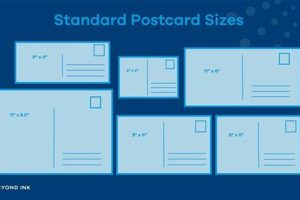
Standard postcard sizes, such as A6 (105 x 148 mm or 4.13 x 5.83 inches) and the slightly larger size common in the United States (4 x 6 inches), dictate the compositional boundaries for artwork. These dimensions require careful planning of elements and consideration of negative space. While offering a manageable painting area, they encourage concise and focused compositions. Deviating from these standard sizes can impact mailing costs and frame availability.
- Portability and Plein Air Painting
The compact nature of postcard-sized paper promotes portability, making it ideal for plein air painting and on-the-go artistic exploration. Its lightweight and easily transportable nature allows artists to capture scenes directly from observation in various locations, fostering spontaneity and direct engagement with the subject matter. This portability also makes it convenient for travel and urban sketching.
- Framing and Display
Standard postcard dimensions facilitate straightforward framing and display options. Readily available pre-cut mats and frames designed specifically for postcards simplify the presentation process. This standardized format also allows for cohesive displays of multiple postcard artworks, creating visually appealing collections or series. Custom framing options are also available for those seeking more personalized presentation choices.
- Orientation (Landscape vs. Portrait)
The choice between landscape and portrait orientation further influences composition and visual impact. Landscape orientation lends itself to panoramic views and expansive scenes, while portrait orientation is better suited for subjects with vertical emphasis, such as figures, trees, or waterfalls. Careful consideration of orientation during the planning stages ensures the chosen format complements the subject matter and enhances the overall composition.
The inherent limitations and advantages presented by the size and format of postcard watercolor paper significantly shape the creative process. From influencing compositional choices to determining framing options, understanding these factors allows artists to effectively utilize this unique format for creating portable, display-ready watercolor artwork. Careful consideration of these aspects enhances the artistic process and contributes to successful and satisfying results.
4. Water Absorbency

Water absorbency is a critical factor influencing the behavior and performance of watercolor paper, particularly in the postcard format. It directly affects how the paint spreads, dries, and interacts with the paper fibers, ultimately shaping the final appearance of the artwork. Understanding the nuances of water absorbency is crucial for achieving desired effects and controlling watercolor techniques effectively.
- Rate of Absorption
The rate at which the paper absorbs water dictates the working time and the diffusion of pigments. A slow absorption rate provides extended working time, allowing for blending and glazing techniques. Conversely, a fast absorption rate can lead to crisp edges and more controlled washes but requires quicker execution. The rate of absorption is influenced by paper weight, sizing, and fiber content. A heavily sized paper absorbs water more slowly, while a less sized or unsized paper absorbs water quickly. For example, a slow-absorbing paper allows for smooth color gradients in skies, while a fast-absorbing paper suits techniques like lifting to create clouds.
- Sizing and its Impact
Sizing, a process of adding a surface treatment to paper, controls its absorbency. Internal sizing within the paper pulp affects how the fibers absorb water, while external or surface sizing creates a barrier that slows water penetration. The degree of sizing influences the paper’s ability to retain moisture and resist buckling. Heavily sized papers are less absorbent and more resistant to buckling, while less sized papers are more absorbent and prone to warping. This characteristic significantly impacts techniques such as washes, where control over water flow is crucial.
- Influence on Color Vibrancy and Diffusion
Absorbency affects both color vibrancy and diffusion. Highly absorbent paper can cause pigments to spread and lose intensity as they soak into the fibers. Less absorbent paper allows for greater color vibrancy and control over pigment diffusion, enabling the creation of more saturated washes and sharper details. This is particularly noticeable with staining pigments, which tend to diffuse more on absorbent papers. For instance, a vibrant flower petal might appear muted on a highly absorbent paper but retain its brilliance on a less absorbent surface.
- Buckling and Warping
Water absorbency directly influences the paper’s tendency to buckle or warp. As the paper absorbs water, its fibers expand, causing the surface to distort. Heavier weight and appropriately sized papers are less prone to buckling. Controlling water application and using techniques like stretching can minimize warping, especially on highly absorbent papers. In the postcard format, buckling can significantly impact the final artwork, making a flat, stable surface crucial for achieving desired results.
Understanding the interplay between water absorbency and other paper characteristics, such as weight, texture, and sizing, is essential for selecting the appropriate postcard watercolor paper. The desired level of absorbency depends on the intended techniques, desired effects, and the artist’s individual preferences. Careful consideration of these factors ensures optimal control, allowing artists to effectively utilize the unique properties of watercolor and achieve desired artistic outcomes within the postcard format.
5. Archival Qualities

Archival qualities in postcard watercolor paper are essential for ensuring the longevity and preservation of artwork. These qualities relate to the paper’s ability to resist deterioration over time, protecting it from damage caused by light, humidity, and atmospheric pollutants. Acid-free paper, made from cotton or linen pulp rather than wood pulp, is a key component of archival quality. Wood pulp contains lignin, which degrades over time, causing yellowing and brittleness. Acid-free paper, conversely, minimizes the risk of discoloration and deterioration, preserving the vibrancy and integrity of the artwork for extended periods. For instance, a postcard painted on acidic paper might exhibit noticeable yellowing and embrittlement within a few years, whereas a postcard created on acid-free, 100% cotton paper retains its original quality for generations. Furthermore, the use of archival inks and pigments enhances the long-term preservation of the artwork.
The practical significance of archival qualities becomes particularly apparent when considering the sentimental and artistic value often associated with postcards. Whether intended as personal keepsakes, artistic expressions, or historical records, preserving these miniature artworks requires appropriate materials. Postcards created on archival-quality paper maintain their vibrancy and structural integrity, ensuring that the artistic intent and emotional significance remain intact for future appreciation. Using archival materials contributes to the preservation of artistic legacies and personal memories. Consider a collection of travel postcards documenting a significant journey; using archival-quality paper ensures these visual memories remain vivid and intact for years to come, allowing future generations to connect with those experiences.
Selecting postcard watercolor paper with archival qualities is a crucial step in ensuring the enduring value of artwork. The use of acid-free paper, combined with archival inks and pigments, significantly extends the lifespan of these miniature artworks, preserving their aesthetic and historical significance for future generations. This understanding underscores the importance of material selection in the creation and preservation of artistic endeavors. Failure to consider archival qualities can lead to irreversible damage and loss of artistic expression, highlighting the crucial link between material choices and the longevity of creative work.
Frequently Asked Questions
This section addresses common inquiries regarding the selection and utilization of watercolor paper specifically designed for the postcard format. Clarity on these points facilitates informed decisions and contributes to successful artistic endeavors.
Question 1: What distinguishes watercolor postcard paper from regular card stock?
Watercolor paper, unlike standard card stock, is specifically manufactured to withstand the application of water-based media. Its heavier weight, sizing, and textured surface prevent buckling, warping, and excessive bleeding of pigments, ensuring optimal performance with watercolor techniques.
Question 2: Is it necessary to pre-stretch postcard-sized watercolor paper?
While not always essential due to the smaller format, pre-stretching thicker papers (300gsm or higher) can minimize warping, especially when applying multiple washes or working with very wet techniques. This process involves soaking the paper and allowing it to dry flat under tension.
Question 3: Which paper texture is best suited for detailed work on postcards?
Hot-pressed watercolor paper offers the smoothest surface, ideal for intricate details, pen and ink combinations, and techniques requiring precise brush control. Its smooth surface allows for sharp lines and minimizes pigment granulation.
Question 4: How does paper weight affect watercolor painting on postcards?
Heavier paper weights (140lb/300gsm and above) provide greater stability and resistance to buckling when wet media is applied. This is crucial in the postcard format, where even slight warping can be noticeable. Lighter weight papers may be suitable for quicker studies or techniques involving less water.
Question 5: Can watercolor postcards be mailed through standard postal services?
Yes, provided they adhere to standard postcard size and thickness regulations. It is essential to leave sufficient space for addressing and postage and to avoid excessive warping or textural additions that could interfere with mail processing.
Question 6: What factors contribute to the archival quality of watercolor postcard paper?
Acid-free paper made from cotton or linen pulp is crucial for archival quality. This type of paper resists deterioration over time, preventing yellowing and brittleness. Using archival-quality inks and pigments further enhances longevity.
Understanding these key aspects of watercolor postcard paper empowers artists to make informed decisions about material selection and technique, maximizing artistic control and ensuring the longevity of their creations. Careful consideration of these points fosters successful and fulfilling artistic experiences within this unique format.
This foundational knowledge provides a basis for exploring more advanced techniques and artistic expressions within the realm of watercolor painting on postcard paper. Further research and experimentation are encouraged to deepen understanding and refine artistic practice.
Conclusion
This exploration of specialized paper for watercolor painting underscores its unique attributes within the artistic landscape. Careful consideration of paper weight, surface texture, size and format, water absorbency, and archival qualities is crucial for successful artistic endeavors. These interconnected factors influence the behavior of watercolor pigments, impacting techniques, visual effects, and the artwork’s longevity. From the stability offered by heavier weight papers to the textural variations facilitated by different surface finishes, each characteristic contributes to the expressive potential of this medium. The inherent portability and readily available framing options further enhance the appeal and practicality of this format.
The informed selection of appropriate paper empowers artists to fully realize their creative vision within the postcard format. This knowledge fosters a deeper understanding of the interplay between material and technique, enabling greater control and artistic expression. Continued exploration and experimentation with these specialized papers will undoubtedly lead to innovative artistic discoveries and further enrich the vibrant world of watercolor painting.