The Stamp Act of 1765 imposed a tax on all printed materials in the American colonies, including legal documents, newspapers, pamphlets, and playing cards. Colonists were required to purchase and affix stamps to these items, demonstrating their payment of the tax. This act, intended to raise revenue for the British Crown following the French and Indian War, sparked widespread outrage and resistance in the colonies due to its perceived violation of colonial rights and representation. Understanding the details surrounding this historical event provides a clearer picture of the rising tensions that eventually led to the American Revolution.
The historical significance of the Stamp Act lies in its role as a catalyst for colonial unification and the development of revolutionary sentiment. The tax ignited protests, boycotts, and the formation of groups like the Sons of Liberty, solidifying colonial opposition to British policies. Studying this era allows for an appreciation of the foundational principles of American democracy, such as representation and self-governance. It illustrates how seemingly small legislative actions can have profound and lasting consequences on the course of history.
Exploring specific anecdotes and lesser-known details surrounding the Stamp Act can offer a more engaging and nuanced understanding of this pivotal period. This includes examining the lives of individuals impacted by the Act, the various forms of protest employed, and the political maneuvering on both sides of the Atlantic. By delving deeper into these aspects, one gains a richer appreciation for the complexities of the era and the factors that contributed to the American Revolution.
Tips for Studying the Stamp Act
Gaining a comprehensive understanding of the Stamp Act requires a multi-faceted approach. The following tips offer guidance for effective exploration of this pivotal historical event.
Tip 1: Explore Primary Sources: Examining original documents from the period, such as letters, diaries, pamphlets, and official records, offers invaluable insights into the perspectives and experiences of those directly affected by the Stamp Act.
Tip 2: Consider the Broader Context: The Stamp Act did not occur in isolation. Understanding the preceding events, including the French and Indian War and existing British colonial policies, provides crucial context for interpreting its significance.
Tip 3: Analyze the Variety of Responses: Colonial reactions to the Stamp Act were diverse, ranging from peaceful protests and boycotts to more radical actions. Investigating this spectrum of responses illuminates the complexities of the era.
Tip 4: Study the Key Figures: Researching the individuals who played significant roles in the events surrounding the Stamp Act, both British and colonial, adds a human dimension to the historical narrative.
Tip 5: Examine the Long-Term Consequences: The Stamp Act’s impact extended far beyond its repeal. Consider its contribution to the growing tensions between Britain and the colonies, ultimately leading to the American Revolution.
Tip 6: Utilize Reputable Historical Resources: Rely on scholarly books, articles, and academic websites to ensure accuracy and depth of information when researching the Stamp Act.
By utilizing these strategies, one can develop a more nuanced and comprehensive understanding of the Stamp Act and its enduring legacy.
Ultimately, a thorough examination of the Stamp Act reveals its crucial role in shaping the course of American history.
1. Affected Everyday Items

The Stamp Act’s impact on everyday items reveals its pervasive reach into the lives of ordinary colonists. This seemingly mundane aspect provides crucial insight into the Act’s unpopularity and its role in fueling revolutionary sentiment. Examining these affected items offers a tangible connection to the historical context.
- Legal Documents:
The requirement for stamps on legal documents, such as contracts, wills, and licenses, added a significant cost to essential legal transactions. This affected merchants, landowners, and ordinary citizens alike, creating widespread resentment towards the Act as it interfered with daily business and personal affairs.
- Newspapers and Pamphlets:
The tax on printed materials, including newspapers and pamphlets, hindered the dissemination of information and political discourse. This restriction on communication further inflamed colonial opposition by limiting access to news and dissenting opinions, effectively stifling public debate.
- Playing Cards and Dice:
Even leisure activities were not exempt from the Stamp Act. The tax on playing cards and dice, though seemingly trivial, underscored the extent of British control over colonial life. This intrusion into personal entertainment contributed to the growing perception of the Act as an overreach of British authority.
- Commercial Paper:
Ships’ papers, bills of lading, and other commercial documents required stamps, adding further costs to businesses and hindering trade. This direct impact on commerce fueled economic discontent, particularly among merchants and traders who saw the Act as a threat to their livelihoods.
By examining the range of everyday items affected by the Stamp Act, one gains a deeper appreciation for the extent of its impact on colonial society. This seemingly minor detail reveals the Act’s far-reaching consequences, fueling resentment and ultimately contributing to the outbreak of the American Revolution. The tax on these commonplace objects transformed them into symbols of British oppression, making the Stamp Act personal for colonists from all walks of life.
2. Sparked Widespread Protests

The Stamp Act’s unpopularity quickly manifested in widespread protests throughout the American colonies. These demonstrations, ranging from organized boycotts to public acts of defiance, illustrate the depth of colonial resistance and provide key insights into the growing discontent that ultimately led to the American Revolution. Examining these protests reveals a crucial aspect of “fun facts about the Stamp Act,” showcasing how seemingly minor regulations ignited significant social and political upheaval.
- Boycotts of British Goods:
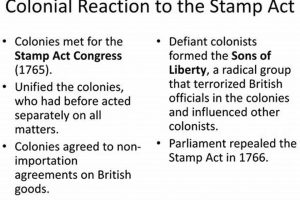
Colonists organized widespread boycotts of British goods, impacting merchants and applying economic pressure on Parliament. This collective action demonstrated colonial unity and resolve, highlighting the effectiveness of non-violent resistance in challenging British policies. The boycotts significantly disrupted trade and forced British merchants to petition for the Act’s repeal, illustrating the economic power wielded by the colonies.
- Formation of the Sons of Liberty:
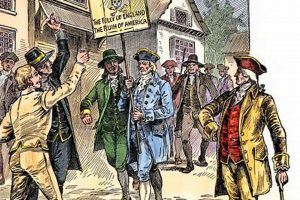
Groups like the Sons of Liberty emerged as key players in organizing and leading protests against the Stamp Act. These organizations mobilized colonial resistance, using public demonstrations, intimidation tactics, and acts of vandalism to express their opposition to the Act and British rule. Their actions ranged from public demonstrations to more radical measures, including the destruction of stamped paper and the harassment of stamp distributors.
- Public Demonstrations and Riots:
Public demonstrations and riots erupted in several colonial cities, expressing popular outrage against the Stamp Act. These events, often fueled by inflammatory speeches and pamphlets, demonstrated the intensity of colonial anger and the growing willingness to confront British authority directly. These protests occasionally turned violent, reflecting the escalating tensions between the colonies and Great Britain.
- Stamp Act Congress:
Representatives from nine colonies met at the Stamp Act Congress in 1765, marking an important step towards colonial unity. This gathering signified a collective effort to coordinate resistance against the Act and assert colonial rights, laying the foundation for future intercolonial cooperation that would prove crucial during the Revolution.
The widespread protests sparked by the Stamp Act underscore its significance as a turning point in colonial history. These demonstrations, fueled by a combination of economic grievances, political principles, and popular anger, transformed seemingly “fun facts” into powerful symbols of resistance, ultimately contributing to the escalating tensions that culminated in the American Revolution. The Act’s unintended consequence was the unification of disparate colonies against a common cause, accelerating the movement towards independence.
3. Led to Organized Resistance

The Stamp Act’s unintended consequence was the genesis of organized resistance in the American colonies. While seemingly a “fun fact,” this development represents a pivotal moment in the journey toward independence. The Act’s perceived injustice galvanized colonists to unite and actively oppose British policies. This newfound collective action, though initially sparked by a seemingly minor tax, laid the groundwork for future resistance movements and ultimately fueled the American Revolution. Understanding this connection provides a crucial lens for interpreting the Act’s historical significance.
The organized resistance spurred by the Stamp Act manifested in various forms. The Sons of Liberty, a prominent example, emerged as a powerful force coordinating boycotts, protests, and acts of defiance. Their coordinated efforts amplified colonial dissent, demonstrating a growing willingness to challenge British authority. The Stamp Act Congress, another example of organized resistance, brought together colonial representatives to formally address their grievances and coordinate intercolonial action. This collective approach demonstrated the power of unity and established a precedent for future collaborative efforts during the Revolution. These real-life examples underscore the practical significance of understanding how the Stamp Act fostered organized resistance.
Examining the organized resistance that arose from the Stamp Act provides valuable insights into the dynamics of social and political change. The Acts implementation, intended to assert British control, inadvertently catalyzed colonial unification and the development of a distinct American identity. This seemingly “fun fact” reveals a deeper truth: oppressive measures can inadvertently empower those they seek to subdue. The legacy of the Stamp Acts organized resistance lies in its contribution to the growing revolutionary sentiment that ultimately led to the birth of a nation. Recognizing this cause-and-effect relationship enhances historical understanding and highlights the potential for collective action to shape historical trajectories.
4. A Test of Colonial Loyalty

The Stamp Act served as a critical test of colonial loyalty to the British Crown. While seemingly a “fun fact,” this aspect reveals a profound shift in the relationship between Britain and its American colonies. The Act, intended to assert parliamentary authority and generate revenue, inadvertently sparked colonial resistance and questioned the very nature of imperial allegiance. Examining this dynamic provides crucial insight into the escalating tensions that led to the American Revolution.
- Principle of “No Taxation Without Representation”:
The Stamp Act ignited the colonists’ rallying cry of “No Taxation Without Representation.” This principle reflected the colonists’ belief that they should not be subjected to taxes imposed by a Parliament in which they lacked direct representation. This fundamental disagreement over political rights became a central point of contention between the colonies and Great Britain, fueling the growing movement towards independence.
- Divergent Interpretations of British Authority:
The colonists’ resistance to the Stamp Act highlighted divergent interpretations of British authority. While Parliament viewed the Act as a legitimate exercise of its power over the colonies, the colonists increasingly asserted their right to self-governance and resistance against what they perceived as unjust taxation. This fundamental disagreement underscored the growing divide between colonial and imperial perspectives.
- Economic and Political Grievances:
The Stamp Act became a focal point for both economic and political grievances. The tax itself represented a financial burden, particularly for merchants and printers. However, the broader issue was the perceived violation of colonial rights and autonomy. This combination of economic hardship and political principle fueled colonial resistance and laid the groundwork for future conflict.
- Escalation of Tensions:
The colonial response to the Stamp Act marked a significant escalation of tensions with Great Britain. The widespread protests, boycotts, and acts of defiance demonstrated a growing willingness to challenge British authority openly. This escalation set the stage for further confrontations, contributing to the inevitable march towards revolution.
The Stamp Act’s role as a test of colonial loyalty reveals a pivotal moment in American history. These seemingly “fun facts” highlight the complex dynamics at play during this period. By examining the Act through this lens, one gains a deeper understanding of the ideological, political, and economic factors that fueled the American Revolution. The colonists reaction to this “test” underscored their commitment to principles of self-governance and laid the foundation for the fight for independence that would soon follow.
5. Repealed after fierce opposition

The repeal of the Stamp Act in 1766, just a year after its enactment, stands as a testament to the power of colonial resistance. While seemingly a dry historical fact, the repeal holds significant weight among “fun facts about the Stamp Act” as it reveals the impact of unified colonial action against perceived injustice. Exploring the factors leading to the repeal provides crucial insights into the escalating tensions between Great Britain and its American colonies and underscores the significance of this event in the trajectory toward revolution.
- Economic Pressure through Boycotts:
Colonial boycotts of British goods played a crucial role in pressuring Parliament to repeal the Stamp Act. These boycotts significantly impacted British merchants and manufacturers, who, facing financial losses, petitioned Parliament to reconsider the Act. This economic pressure proved highly effective, demonstrating the colonies’ economic leverage and their ability to influence British policy through collective action. The boycotts’ success underscored the interconnectedness of the colonial and British economies and revealed the potential for economic resistance to achieve political goals.
- Political Pressure from Colonial Representatives and British Sympathizers:
Colonial representatives, both in the colonies and in London, actively lobbied for the repeal of the Stamp Act. Figures like Benjamin Franklin eloquently articulated colonial grievances before Parliament, highlighting the Act’s unfairness and the growing discontent in the colonies. Simultaneously, some British politicians sympathetic to the colonial cause advocated for repeal, recognizing the potential dangers of escalating tensions. This combined pressure from both sides of the Atlantic contributed significantly to the eventual decision to repeal the Act.
- Parliamentary Debates and Shifting Political Landscape:
The Stamp Act sparked heated debates within the British Parliament. While some members defended the Act as a necessary measure to assert Parliamentary authority and generate revenue, others argued that it was counterproductive and risked alienating the colonies. The shifting political landscape in Britain, with changing alliances and evolving perspectives on colonial governance, further contributed to the decision to repeal. The debates surrounding the Act reflected the complexities of imperial policy-making and the diverse opinions within the British government regarding colonial affairs.
- Growing Colonial Unrest and Potential for Rebellion:
The widespread protests, riots, and acts of defiance in the colonies demonstrated the growing potential for rebellion. British authorities recognized that enforcing the Stamp Act amidst such widespread opposition would be difficult and potentially lead to further violence and instability. The fear of losing control over the colonies ultimately contributed to the decision to repeal the Act as a means of appeasing colonial anger and restoring order. The repeal, therefore, represented a strategic move to maintain imperial control, albeit temporarily.
The repeal of the Stamp Act, while seemingly a victory for the colonies, represents a complex historical event with both immediate and long-term consequences. This “fun fact” carries substantial weight in understanding the path to the American Revolution. While the repeal temporarily eased tensions, the underlying issues of taxation without representation and colonial autonomy remained unresolved. Furthermore, the repeal also set a precedent for colonial resistance, demonstrating that unified action could influence British policy. This realization emboldened the colonies and contributed to the escalating tensions that would ultimately culminate in the fight for independence. The Stamp Act’s repeal, therefore, becomes not just a singular event but a crucial turning point in the relationship between Great Britain and its American colonies, shaping the course of history that would unfold in the following decade.
6. Fueled Revolutionary Sentiment

While often presented as a collection of “fun facts,” the Stamp Act’s true significance lies in its profound impact on the growing revolutionary sentiment in the American colonies. The Act, intended to assert British control and generate revenue, inadvertently fueled colonial resistance and laid the groundwork for the American Revolution. Examining how these seemingly minor details contributed to such a significant historical shift provides crucial insight into the complex dynamics of the era.
- Principle of “No Taxation Without Representation”:
The Stamp Act became a rallying point for the colonists’ assertion of “No Taxation Without Representation.” This principle, rooted in the belief that taxes should not be levied without the consent of the governed, resonated deeply within colonial society. Real-life examples, such as the numerous pamphlets and speeches denouncing the Act’s perceived injustice, illustrate the widespread adoption of this principle. The Stamp Act, therefore, transformed a theoretical concept into a tangible grievance, fueling revolutionary fervor and shaping the colonists’ understanding of their political rights.
- Erosion of Trust in British Authority:
The Stamp Act eroded colonists’ trust in the British government. The perceived arbitrariness of the tax and the heavy-handed enforcement methods employed by British authorities further alienated the colonies. Incidents like the forced resignation of stamp distributors and the closure of colonial newspapers fueled resentment and fostered a sense of injustice. This erosion of trust, evident in the increasing number of anti-British publications and public pronouncements, created a climate of suspicion and hostility that contributed significantly to the revolutionary movement.
- Sense of Shared Identity and Purpose:
The collective resistance against the Stamp Act fostered a sense of shared identity and purpose among the colonies. The Act’s universal impact, affecting colonists from all walks of life, transcended regional and social divisions. The shared experience of protesting and boycotting British goods created a sense of unity and common cause, solidifying a collective American identity distinct from British rule. The Stamp Act Congress, where representatives from different colonies gathered to coordinate their resistance, serves as a powerful example of this burgeoning sense of shared purpose.
- Radicalization of Colonial Politics:
The Stamp Act’s unintended consequence was the radicalization of colonial politics. The Act’s perceived injustice and the heavy-handed British response pushed many colonists towards more radical stances. Groups like the Sons of Liberty, initially formed to protest the Stamp Act, became increasingly vocal in their demands for greater autonomy and, eventually, independence. This shift towards more radical political thought, evident in the increasing circulation of revolutionary pamphlets and the growing popularity of figures like Patrick Henry, laid the groundwork for the American Revolution.
These seemingly “fun facts” about the Stamp Act ultimately reveal its profound impact on the development of revolutionary sentiment in the American colonies. The Act’s unintended consequencesthe assertion of colonial rights, the erosion of trust in British authority, the fostering of a shared American identity, and the radicalization of colonial politicscollectively fueled the movement towards independence. By understanding the connection between these seemingly minor details and the larger historical context, one gains a deeper appreciation for the Stamp Act’s pivotal role in shaping the course of American history.
Frequently Asked Questions about the Stamp Act
The following addresses common inquiries regarding the Stamp Act, providing concise yet comprehensive responses to facilitate a deeper understanding of this pivotal historical event.
Question 1: What specific items were subject to the Stamp Act?
The Stamp Act mandated the use of embossed revenue stamps on various printed materials, including legal documents (contracts, wills, licenses), newspapers, pamphlets, playing cards, and dice. This broad scope impacted diverse segments of colonial society, from merchants and lawyers to ordinary citizens.
Question 2: Why did the British Parliament enact the Stamp Act?
The primary motivation behind the Stamp Act was to generate revenue for the British Crown following the costly French and Indian War. Parliament aimed to offset the war’s expenses by taxing the American colonies, which they believed benefited from British military protection.
Question 3: How did the colonists react to the Stamp Act?
Colonial reaction ranged from organized boycotts of British goods and the formation of protest groups like the Sons of Liberty to public demonstrations, riots, and acts of vandalism against symbols of British authority. This widespread resistance demonstrated the depth of colonial opposition to the Act.
Question 4: What is the significance of “No Taxation Without Representation”?
This rallying cry encapsulated the colonists’ central grievance against the Stamp Act. They argued that being taxed by a Parliament in which they lacked direct representation violated their fundamental rights as British subjects. This principle became a cornerstone of the American Revolution.
Question 5: Why was the Stamp Act eventually repealed?
A combination of factors led to the repeal of the Stamp Act in 1766. Colonial boycotts significantly impacted British merchants, who pressured Parliament for repeal. Simultaneously, colonial representatives and British sympathizers lobbied for the Act’s removal, citing its detrimental impact on colonial stability. The growing unrest and potential for rebellion also contributed to the decision.
Question 6: What is the lasting legacy of the Stamp Act?
Although repealed, the Stamp Act had a lasting impact on the relationship between Great Britain and the American colonies. It fueled revolutionary sentiment, solidified colonial resistance, and heightened tensions that ultimately led to the American Revolution. The Acts legacy lies in its contribution to the development of American identity and the assertion of colonial rights.
Understanding the Stamp Act’s complexities, beyond mere “fun facts,” is crucial for comprehending its pivotal role in shaping the course of American history. The Act’s significance lies not only in its immediate impact but also in its long-term consequences, which ultimately contributed to the birth of a nation.
Further exploration of specific aspects of the Stamp Act can provide a more nuanced understanding of this pivotal historical event.
Conclusion
Exploration of seemingly trivial details surrounding the Stamp Act reveals its profound impact on the trajectory toward American independence. From its effect on everyday items like playing cards and newspapers to the widespread protests it ignited, the Acts seemingly minor provisions became catalysts for significant social and political upheaval. The organized resistance that emerged, exemplified by the Sons of Liberty and the Stamp Act Congress, demonstrated the growing colonial unity and resolve against perceived British oppression. The Act served as a critical test of colonial loyalty, highlighting the fundamental disagreement over representation and governance. While its repeal offered temporary respite, the Stamp Acts legacy lies in its contribution to the burgeoning revolutionary sentiment that ultimately led to the American Revolution.
The Stamp Act serves as a potent reminder that seemingly small legislative actions can have far-reaching and unintended consequences. Understanding this historical episode requires moving beyond mere fun facts to grasp the complexities of the era and the factors that shaped the course of American history. Further investigation into this period offers valuable insights into the dynamics of social and political change, the power of collective action, and the enduring pursuit of liberty and self-determination. Continued exploration of this pivotal era remains crucial for appreciating the foundations of American democracy and the ongoing relevance of these historical lessons in contemporary society.