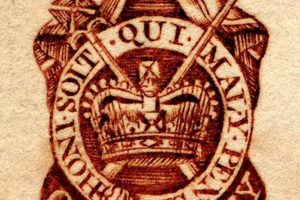
The Stamp Act of 1765, enacted by the British Parliament, levied a tax on all printed materials in the American colonies, including newspapers, legal documents, pamphlets, and playing cards. This required colonists to purchase special stamped paper for these items, directly contributing to the British treasury. For example, a newspaper publisher would have to purchase the stamped paper before printing, adding a cost to their business and, ultimately, to the consumer.
This seemingly small tax sparked widespread outrage in the colonies. It represented a shift in British policy, moving from trade regulation to direct taxation without colonial representation in Parliament. This perceived violation of colonial rights fueled resentment and solidified a growing sense of American identity separate from Britain. The events surrounding the act are considered a crucial turning point in the relationship between the colonies and Great Britain, significantly contributing to the escalating tensions that ultimately led to the American Revolution. Understanding this period helps illuminate the foundational principles of American democracy and the enduring struggle for self-governance.
Exploring the specifics of these protests, boycotts, and intellectual arguments further clarifies the multifaceted nature of the resistance and its profound influence on the course of history. This exploration will delve into key figures, organizations, and events that shaped this pivotal era.
Understanding the Colonial Response to the Stamp Act
Gaining a deeper understanding of the events surrounding the Stamp Act requires careful consideration of various factors. The following tips offer guidance for navigating this complex historical period.
Tip 1: Consider the Economic Impact: Analyze how the tax affected different colonial groups, from merchants and printers to average citizens. Research the economic consequences of boycotts and the disruption of trade networks.
Tip 2: Explore the Philosophical Underpinnings: Investigate the intellectual arguments against taxation without representation. Examine the writings of key figures like John Locke and how his ideas influenced colonial thought.
Tip 3: Examine the Role of Organizations: Research the influence of groups like the Sons of Liberty and their methods of protest, including public demonstrations and acts of defiance. Consider how these groups mobilized colonial resistance.
Tip 4: Study the Variety of Responses: Recognize that colonial reaction was not monolithic. Explore the diverse responses, ranging from peaceful protests to violent acts of resistance, and consider the motivations behind these different approaches.
Tip 5: Analyze the British Perspective: Understand the rationale behind the Stamp Act from the British government’s point of view. Consider their financial needs and their evolving policies toward colonial governance.
Tip 6: Trace the Long-Term Consequences: Connect the events surrounding the Stamp Act to the broader narrative of the American Revolution. Consider how this specific act contributed to the growing divide between the colonies and Great Britain.
By considering these points, one can develop a more nuanced and comprehensive understanding of this pivotal era in American history. The Stamp Act and the colonial response represent a critical juncture in the development of American identity and the pursuit of self-governance.
These insights provide a framework for further exploration of the American Revolution and its enduring legacy.
1. Boycotts

Boycotts played a crucial role in the colonial resistance to the Stamp Act. These organized refusals to purchase British goods served as a powerful economic weapon, directly impacting British merchants and manufacturers who relied on the colonial market. The boycotts demonstrated colonial unity and resolve, effectively communicating the depth of opposition to the tax. For example, the Daughters of Liberty actively promoted homespun clothing as an alternative to imported British textiles, fostering self-sufficiency and reducing reliance on British goods. The economic pressure exerted by these boycotts contributed significantly to the eventual repeal of the Stamp Act, demonstrating the effectiveness of non-violent resistance.
The impact of the boycotts extended beyond purely economic consequences. They fostered a sense of collective identity and purpose among colonists. Participating in the boycotts required individual sacrifice and commitment to a common cause, strengthening community bonds and solidifying resistance to British policies. Moreover, the success of the boycotts demonstrated the potential power of collective action, inspiring future resistance movements and contributing to the growing sense of American identity separate from Britain. Merchants, artisans, and consumers joined forces, creating a unified front against what they perceived as unjust taxation.
Understanding the role of boycotts during the Stamp Act crisis provides valuable insight into the dynamics of non-violent resistance and its effectiveness in challenging established power structures. This strategy, born from economic necessity and fueled by ideological conviction, became a cornerstone of colonial resistance and a crucial precursor to the American Revolution. The legacy of these boycotts resonates through history, demonstrating the power of collective action and the enduring importance of economic leverage in political struggles.
2. Protests and Demonstrations

Protests and demonstrations constituted a significant component of the colonial reaction to the Stamp Act. These public displays of dissent, ranging from organized marches and rallies to more symbolic acts of defiance, served as a vital outlet for expressing colonial frustration and opposition. They transformed abstract political grievances into tangible actions, creating a visible and audible challenge to British authority. The scale and intensity of these protests, often fueled by inflammatory rhetoric and passionate appeals to liberty, signaled the depth of colonial discontent and contributed to the growing momentum of resistance.
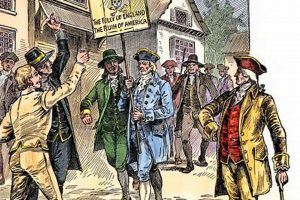
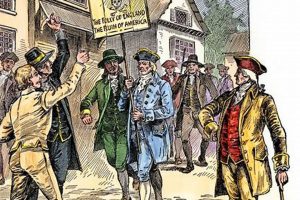
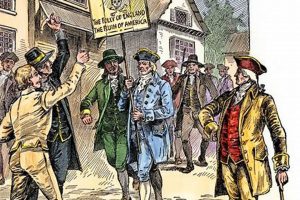
One notable example is the widespread practice of hanging and burning effigies of stamp distributors. These dramatic public spectacles served a dual purpose. They directly intimidated officials tasked with enforcing the Act, making it difficult for the British government to implement the tax. Simultaneously, these demonstrations fostered a sense of collective identity and purpose among colonists, strengthening resolve and solidifying opposition. The burning of effigies became a powerful symbol of colonial defiance, visually representing the rejection of British authority and the growing fervor for independence. Other forms of protest included public readings of declarations and resolutions, organized boycotts of British goods, and the formation of groups like the Sons of Liberty, which actively mobilized resistance through public meetings and demonstrations.
Understanding the role of protests and demonstrations within the broader context of the colonial response to the Stamp Act provides critical insight into the dynamics of resistance movements. These public acts of defiance not only directly challenged British policies but also served as a crucial catalyst for fostering colonial unity and shaping public opinion. The legacy of these protests extends beyond the immediate crisis, influencing subsequent movements for social and political change and reinforcing the importance of public expression in challenging perceived injustices.
3. Formation of Organizations

The colonial reaction to the Stamp Act witnessed the emergence and strengthening of various organizations that played a pivotal role in coordinating and amplifying resistance efforts. These groups provided a structure for collective action, facilitating communication, mobilizing resources, and disseminating information across the colonies. Examining the formation and activities of these organizations offers crucial insight into the development of colonial resistance and the growing movement towards independence.
- The Sons of Liberty
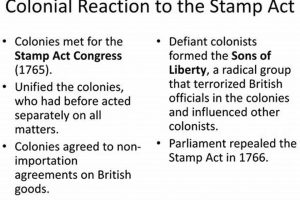
The Sons of Liberty, perhaps the most well-known organization of the era, emerged as a powerful force opposing the Stamp Act. Through public demonstrations, acts of defiance, and the dissemination of revolutionary ideas, they mobilized popular support against British policies. For example, they organized protests, intimidated stamp distributors, and enforced boycotts, effectively disrupting the implementation of the Act. The Sons of Liberty played a significant role in shaping public opinion and fostering a sense of colonial unity, laying the groundwork for future resistance movements.
- Committees of Correspondence
Committees of Correspondence served as vital communication networks between colonies. They facilitated the exchange of information regarding British policies, protests, and resistance strategies. This intercolonial communication fostered a sense of shared purpose and solidarity, strengthening the collective response to British actions. By disseminating news and coordinating actions across geographical boundaries, these committees laid the foundation for a unified colonial front against British rule.
- Daughters of Liberty
While less publicly visible than the Sons of Liberty, the Daughters of Liberty played a crucial role in supporting the resistance movement. They actively promoted homespun goods as an alternative to British imports, bolstering the effectiveness of boycotts and demonstrating a commitment to self-sufficiency. Their efforts contributed to the economic pressure on Great Britain and fostered a sense of community participation in the resistance.
- Stamp Act Congress
The Stamp Act Congress, held in 1765, represented the first significant attempt at intercolonial cooperation in response to British policies. Representatives from nine colonies met to discuss and coordinate their opposition to the Stamp Act, drafting petitions and declarations outlining their grievances. This collective action demonstrated a growing sense of colonial unity and signaled the potential for future coordinated resistance.
These organizations, each contributing in distinct ways, collectively represent a crucial aspect of the colonial response to the Stamp Act. Their formation and activities underscore the growing dissatisfaction with British rule and the increasing willingness of colonists to organize and resist perceived injustices. The legacy of these organizations extends beyond the immediate crisis, shaping the development of American political thought and laying the organizational groundwork for the American Revolution.
4. Intellectual Arguments

Intellectual arguments formed a cornerstone of the colonial reaction to the Stamp Act, providing a philosophical framework for resistance and shaping public opinion. These arguments, deeply rooted in Enlightenment ideals and emphasizing principles of natural rights, self-governance, and representation, resonated powerfully with colonists and legitimized their opposition to British policies. The articulation of these intellectual arguments, disseminated through pamphlets, newspapers, and public speeches, transformed a dispute over taxation into a fundamental debate about the nature of political authority and the rights of individuals within a society.
Central to the intellectual arguments against the Stamp Act was the concept of “no taxation without representation.” Colonists argued that they could not be subjected to taxation by a Parliament in which they had no elected representatives. This principle, grounded in the belief that individuals should have a voice in the decisions that affect their lives, challenged the legitimacy of British rule and fueled the growing movement for greater autonomy. Thinkers like James Otis, John Dickinson, and Samuel Adams articulated these arguments with force and eloquence, influencing public discourse and galvanizing colonial resistance. Pamphlets such as Otis’s “Rights of the British Colonies Asserted and Proved” and Dickinson’s “Letters from a Farmer in Pennsylvania” eloquently articulated these arguments, reaching a wide audience and solidifying opposition to the Act. These writings provided intellectual ammunition for the resistance movement, framing the conflict not merely as a dispute over taxes but as a struggle for fundamental rights.
Understanding the role of intellectual arguments within the context of the colonial reaction to the Stamp Act provides critical insight into the ideological underpinnings of the American Revolution. These arguments not only legitimized colonial resistance but also laid the intellectual groundwork for the future development of American political thought. The emphasis on natural rights, self-governance, and representation, central to the debates surrounding the Stamp Act, profoundly influenced the Declaration of Independence and the subsequent formation of the United States. The legacy of these intellectual arguments continues to shape contemporary political discourse, underscoring the enduring importance of reasoned debate and principled resistance in the pursuit of justice and liberty.
5. Violence and Unrest

While intellectual arguments and organized boycotts formed a significant part of the colonial response to the Stamp Act, the resistance also manifested in episodes of violence and unrest. These actions, often fueled by anger and frustration with British policies, demonstrated the intensity of colonial opposition and contributed to the escalating tensions between the colonies and Great Britain. Examining these instances of violence and unrest offers a crucial perspective on the complex and multifaceted nature of colonial resistance.
- Mob Action and Intimidation
Mob action frequently targeted individuals associated with the implementation of the Stamp Act, including stamp distributors and colonial officials. These acts of intimidation, often involving threats, property damage, and physical violence, aimed to disrupt the enforcement of the Act and exert pressure on British authorities. For example, the homes and offices of stamp distributors were ransacked, and some individuals were tarred and feathered, a humiliating and often painful form of public punishment. These actions, while violent, reflected the deep-seated resentment towards British policies and the willingness of some colonists to resort to extralegal means to express their opposition.
- Riots and Demonstrations
Public demonstrations occasionally escalated into riots, resulting in clashes with British troops and further exacerbating tensions. The Stamp Act riots in Boston, for instance, involved large crowds protesting the Act, leading to confrontations with authorities and the destruction of property. These events highlighted the potential for unrest and the challenges faced by British officials in maintaining order. The riots served as a stark reminder of the growing divide between the colonies and Great Britain and the increasing potential for violent conflict.
- Destruction of Property
The destruction of property, including the burning of stamped paper and the ransacking of government buildings, became a symbolic act of defiance against British authority. These actions, while often destructive, represented a tangible expression of colonial anger and frustration. The burning of stamped paper, in particular, served as a direct challenge to the Act itself, rendering it unusable and symbolically rejecting British authority. Such actions underscored the depth of colonial opposition and contributed to the increasingly volatile atmosphere.
- Underlying Causes of Violence
It’s crucial to understand the underlying causes of this violence. Economic hardship, social tensions, and pre-existing grievances within colonial society contributed to the unrest. The Stamp Act served as a catalyst, igniting these underlying tensions and channeling them into acts of resistance. The combination of economic hardship caused by British trade policies and the perceived injustice of taxation without representation created a volatile mix that sometimes erupted into violence.
While the violence and unrest associated with the Stamp Act resistance represent a darker side of the colonial response, they offer valuable insight into the intensity of colonial opposition and the growing rift between the colonies and Great Britain. These actions, while sometimes condemned even by colonial leaders, played a role in highlighting the depth of colonial discontent and contributed to the escalating tensions that ultimately led to the American Revolution. Understanding the motivations and consequences of these actions provides a more complete picture of the complex historical forces at play during this pivotal period.
Frequently Asked Questions about the Colonial Reaction to the Stamp Act
This section addresses common inquiries regarding the colonial response to the Stamp Act of 1765, aiming to provide clear and concise answers.
Question 1: Why did the Stamp Act provoke such a strong reaction in the colonies?
The Stamp Act represented a departure from previous British policies, shifting from trade regulation to direct internal taxation. This, combined with the lack of colonial representation in Parliament, fueled perceptions of injustice and tyranny, sparking widespread resistance.
Question 2: How did colonial responses differ across various social groups?
Merchants and printers directly affected by the tax often led boycotts and protests. Elite colonists articulated intellectual arguments against the Act, while laborers and artisans participated in demonstrations and riots. Responses varied based on economic interests and social standing.
Question 3: What role did women play in the resistance movement?
Women participated actively in boycotts, particularly through organizations like the Daughters of Liberty. They promoted homespun goods and actively resisted British consumer goods, playing a crucial economic role in the resistance.
Question 4: Was all colonial resistance to the Stamp Act violent?
While some resistance manifested as violence and unrest, much of the opposition involved non-violent tactics such as boycotts, petitions, and intellectual arguments. The spectrum of responses reflected diverse viewpoints within the colonies.
Question 5: How did the British government respond to the colonial resistance?
Facing mounting pressure from colonial boycotts and merchant protests in Britain, the British Parliament eventually repealed the Stamp Act in 1766. However, the repeal was accompanied by the Declaratory Act, asserting Parliament’s right to legislate for the colonies “in all cases whatsoever,” which further fueled tensions.
Question 6: What is the lasting significance of the colonial reaction to the Stamp Act?
The colonial reaction to the Stamp Act represents a crucial turning point in the relationship between Great Britain and the American colonies. It solidified colonial resistance, fostered a sense of shared identity, and laid the groundwork for the American Revolution. The arguments and tactics employed during this period significantly influenced subsequent movements for political and social change.
Understanding the complexities of the colonial response to the Stamp Act provides valuable insight into the origins of the American Revolution and the enduring principles of self-governance and individual liberty.
Further exploration of specific events, individuals, and arguments can enrich this understanding and offer a more nuanced perspective on this pivotal era in American history.
Conclusion
Examination of the colonial reaction to the Stamp Act reveals a multifaceted resistance movement encompassing economic boycotts, public protests, the formation of influential organizations, sophisticated intellectual arguments, and, at times, violent unrest. This collective response demonstrated a profound dissatisfaction with British policies and a growing commitment to principles of self-governance and representation. The diversity of tactics employed highlights the breadth of colonial involvement, encompassing merchants, artisans, laborers, intellectuals, and women, united in their opposition to what they perceived as unjust taxation without representation. The success in achieving the repeal of the Act, though temporary, demonstrated the potential power of collective action and solidified a sense of shared identity among the colonies.
The legacy of the colonial reaction to the Stamp Act extends far beyond the immediate crisis. It served as a crucial turning point in the relationship between Great Britain and the American colonies, laying the groundwork for the American Revolution. The arguments articulated and the tactics employed during this period resonated through subsequent movements for social and political change, underscoring the enduring power of principled resistance and the ongoing pursuit of liberty and self-determination. Further exploration of this pivotal era offers valuable insight into the complexities of historical change and the enduring struggle for fundamental rights.