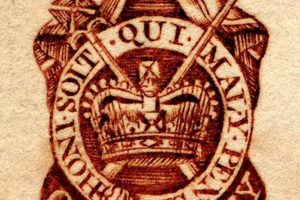
The crisis stemmed from a 1765 act of the British Parliament requiring all printed materials in the American colonies, including legal documents, newspapers, pamphlets, and even playing cards, to carry a tax stamp purchased from British authorities. This direct tax, intended to raise revenue for British military expenses in North America following the French and Indian War, sparked widespread outrage in the colonies. Colonists viewed it as a violation of their fundamental rights, arguing that they were being taxed without representation in Parliament.
This act became a pivotal moment in the escalating tensions between Great Britain and its American colonies. It fueled colonial resistance movements, fostering unity among disparate colonies through boycotts of British goods and the formation of groups like the Sons of Liberty. The crisis significantly contributed to the development of colonial identity and the articulation of principles of self-governance, ultimately paving the way for the American Revolution.
Further exploration will examine the specific grievances of the colonists, the various forms of protest they employed, the British government’s response, and the act’s eventual repeal in 1766, along with its lasting impact on the relationship between Great Britain and the American colonies.
Understanding the Stamp Act Crisis
Gaining a deeper understanding of the Stamp Act Crisis requires examining its multifaceted nature and lasting impact. The following points offer valuable insights into this pivotal historical event.
Tip 1: Explore the Context of the French and Indian War: Understanding the financial strain on the British treasury following the French and Indian War is crucial. This war’s cost directly led to the British government seeking new revenue streams from the colonies, resulting in the Stamp Act.
Tip 2: Examine “No Taxation Without Representation”: This rallying cry encapsulates the core of colonial discontent. Research the colonial perspective on their lack of representation in the British Parliament and how it fueled resistance to the Stamp Act.
Tip 3: Consider the Economic Impact of the Boycotts: Delve into the widespread boycotts of British goods organized by colonial merchants and the Sons of Liberty. Analyze how these boycotts pressured British merchants and Parliament.
Tip 4: Study the Role of the Sons of Liberty: Investigate the emergence and activities of the Sons of Liberty, focusing on their role in organizing protests and disseminating information about the Stamp Act.
Tip 5: Analyze the British Government’s Response: Examine the reaction of the British government to the colonial protests, including the debates in Parliament and the eventual repeal of the Stamp Act.
Tip 6: Consider the Declaratory Act: Research the Declaratory Act passed alongside the repeal of the Stamp Act, which asserted Parliament’s authority to legislate for the colonies “in all cases whatsoever.”
Tip 7: Reflect on the Long-Term Consequences: Consider how the Stamp Act Crisis contributed to the growing divide between Great Britain and the American colonies, setting the stage for future conflicts and ultimately the American Revolution.
By exploring these aspects, one gains a comprehensive understanding of the Stamp Act Crisis as a critical turning point in the relationship between Great Britain and its American colonies, and its significance in the development of American identity and ideals of self-governance.
This exploration of the Stamp Act Crisis provides a foundation for understanding the broader context of the American Revolution.
1. Taxation without representation
The Stamp Act Crisis cannot be understood without grasping the significance of “Taxation without representation” as the central grievance fueling colonial resistance. The Stamp Act, a direct tax levied by the British Parliament on the American colonies, ignited outrage precisely because colonists lacked elected representatives in Parliament. This absence of representation meant colonists had no voice in the decisions made about their taxation, directly violating established British principles of self-government. The cry of “No taxation without representation” became a powerful slogan encapsulating colonial frustration and solidifying opposition to British policies. This principle argued that legitimate government derived its power from the consent of the governed, a consent expressed through elected representatives. By imposing taxes without colonial consent, the British government, in the eyes of the colonists, undermined the very foundations of legitimate rule.
The practical significance of “Taxation without representation” extended beyond mere financial grievances. It touched upon fundamental questions of political autonomy and self-determination. The colonists viewed the Stamp Act not simply as an unfair tax, but as a symbol of British oppression and a threat to their liberties. For example, the forced purchase of stamps for legal documents hampered colonial commerce and legal proceedings, directly impacting daily life. The acts broad scope, covering everything from newspapers to playing cards, ensured widespread awareness and resentment across all segments of colonial society. This collective experience of perceived injustice further fueled the flames of resistance and fostered a sense of shared identity among colonists.
The legacy of “Taxation without representation” and the Stamp Act Crisis resonates far beyond the eighteenth century. The principle of representative government, enshrined in the American Revolution’s foundational documents, emerged directly from this struggle. The crisis highlighted the inherent instability of political systems lacking genuine representation and underscored the importance of popular sovereignty as a cornerstone of legitimate governance. Understanding this connection provides crucial insights into the origins of American democracy and the enduring relevance of these core principles in contemporary political discourse.
2. Direct British Tax
The Stamp Act, enacted in 1765, stands as a prime example of a direct British tax levied on the American colonies and sits at the heart of what became known as the Stamp Act Crisis. Unlike previous taxes, such as the Sugar Act, which were considered external taxes regulating trade, the Stamp Act represented a novel approacha direct attempt to raise revenue from the colonies for the British treasury. This distinction, though seemingly subtle, proved crucial in igniting colonial resistance.
- Internal Taxation Versus External Taxation
The Stamp Act’s classification as an internal tax, imposed directly upon the colonists’ internal economic activities, distinguished it from previous external taxes regulating trade. This distinction became a central point of contention. Colonists argued that internal taxes fell outside Parliament’s legitimate authority, which they believed extended only to regulating trade. The tax, imposed on all printed materials, impacted legal documents, newspapers, pamphlets, and even playing cards. This broad application ensured that the tax touched nearly every aspect of colonial life, making it unavoidable and a constant source of resentment.
- Financial Burden and Economic Impact
While the financial burden of the Stamp Act itself was not excessively heavy, its symbolic significance as a direct tax inflamed colonial sensibilities. Colonists viewed the act as a violation of their rights, arguing that they should not be subjected to taxation without representation in Parliament. This financial imposition, coupled with the perceived injustice of “taxation without representation,” fueled widespread discontent and fostered economic uncertainty as businesses faced increased costs.
- Constitutional Principles and Colonial Charters
Colonial charters, granted by the British Crown, often included provisions for local assemblies to raise taxes. The Stamp Act was viewed as a breach of these charters, further exacerbating colonial grievances. Colonists perceived the act as a direct assault on their established rights and privileges, leading them to question the legitimacy of British rule and pushing them toward greater autonomy.
- Precedent for Future Taxation
The Stamp Act was not merely about the immediate financial burden; it established a dangerous precedent. Colonists feared that if Parliament succeeded in imposing this direct tax, it would pave the way for further, potentially more onerous, taxes in the future. This fear fueled the intensity of colonial resistance, transforming the Stamp Act into a pivotal struggle over the principle of self-governance and the future of the relationship between the colonies and Great Britain. This concern solidified colonial opposition and further escalated the crisis.
The Stamp Act’s nature as a direct tax, coupled with the absence of colonial representation in Parliament, became the crux of the Stamp Act Crisis. This crisis, sparked by the seemingly minor issue of tax stamps, quickly evolved into a major confrontation over fundamental principles of governance and representation, significantly contributing to the escalating tensions that ultimately led to the American Revolution.
3. Colonial Resistance
Colonial resistance formed the core response to the Stamp Act, escalating the crisis from parliamentary legislation into a widespread movement challenging British authority. Understanding the multifaceted nature of this resistance is crucial to grasping the crisis’s significance in the burgeoning American Revolution. The colonists employed various methods to express their discontent and pressure the British government for repeal.
- Boycotts of British Goods
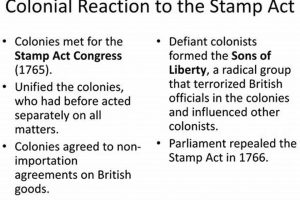
Organized boycotts of British goods, spearheaded by groups like the Sons of Liberty and the Daughters of Liberty, represented a significant economic lever. These boycotts targeted British merchants, impacting their profits and applying pressure on Parliament. The effectiveness of these boycotts demonstrated the colonists’ collective economic power and their willingness to endure hardship for their political principles. For instance, colonial merchants signed non-importation agreements, pledging not to import goods from Britain. This collective action significantly disrupted transatlantic trade and forced British merchants to lobby for repeal.
- Protests and Demonstrations
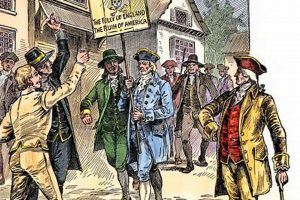
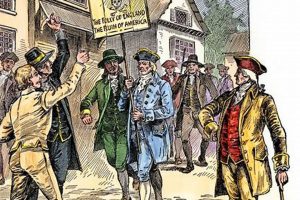
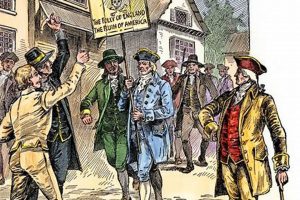
Public protests and demonstrations served as visible expressions of colonial discontent. These often involved large crowds, public speeches, and symbolic acts of defiance against British authority. Such demonstrations, though sometimes tumultuous, played a crucial role in mobilizing public opinion and creating a sense of shared purpose among colonists. The burning of effigies representing stamp distributors and the ransacking of their offices vividly illustrated the intensity of popular opposition.
- Formation of Committees of Correspondence
Committees of Correspondence emerged as crucial communication networks, facilitating the exchange of information and coordinating resistance efforts across different colonies. These committees disseminated news about the Stamp Act, shared strategies for resistance, and fostered intercolonial unity, laying the groundwork for future collective action. This communication proved vital in solidifying opposition and coordinating responses across geographically dispersed colonies.
- Legal and Intellectual Arguments
Colonists challenged the legitimacy of the Stamp Act through legal and intellectual arguments, asserting their rights as Englishmen and arguing against taxation without representation. Pamphlets, newspaper articles, and legal petitions articulated colonial grievances and provided intellectual justification for resistance. These arguments, rooted in Enlightenment ideals and British legal tradition, provided a powerful framework for challenging Parliamentary authority and shaping public opinion. John Adams, James Otis, and other colonial leaders eloquently argued against the act’s constitutionality.
These diverse forms of resistance, ranging from economic boycotts to intellectual arguments, coalesced into a powerful movement that ultimately forced the British government to repeal the Stamp Act in 1766. While the repeal marked a victory for the colonists, the underlying tensions regarding parliamentary authority and colonial autonomy remained unresolved, foreshadowing the future conflicts that would culminate in the American Revolution. The Stamp Act Crisis, therefore, stands as a pivotal moment, demonstrating the growing power of colonial resistance and the deepening divide between Great Britain and its American colonies.
4. Boycotts of British Goods
Boycotts of British goods constituted a pivotal element of colonial resistance during the Stamp Act Crisis. These boycotts, organized primarily by colonial merchants and the Sons of Liberty, exerted significant economic pressure on British merchants and Parliament, playing a crucial role in the eventual repeal of the Stamp Act in 1766. Examining the multifaceted nature of these boycotts provides key insights into the crisis’s dynamics and the colonists’ growing resolve.
- Economic Pressure on British Merchants
The core objective of the boycotts was to inflict financial hardship on British merchants and manufacturers reliant on the colonial market. By refusing to purchase British goods, colonists aimed to disrupt transatlantic trade, reduce British profits, and force merchants to lobby Parliament for repeal. This strategy proved remarkably effective, as British businesses, facing significant losses, exerted considerable pressure on the government to reconsider the Stamp Act.
- Non-Importation Agreements
Formal non-importation agreements, signed by colonial merchants, served as a crucial mechanism for organizing and enforcing the boycotts. These agreements pledged to refrain from importing specific British goods, creating a unified front of resistance. The agreements not only formalized the boycotts but also fostered a sense of collective action and solidarity among colonial merchants, strengthening their bargaining position against British authorities.
- Role of the Sons of Liberty
The Sons of Liberty, a prominent colonial resistance group, played a vital role in organizing and enforcing the boycotts. They disseminated information about the boycotts, pressured merchants to comply, and sometimes resorted to intimidation tactics against those who violated the agreements. The Sons of Libertys active involvement ensured widespread participation in the boycotts and significantly contributed to their effectiveness.
- Impact on Colonial Consumption Patterns
The boycotts led to significant shifts in colonial consumption patterns. Colonists began producing homespun cloth and other goods as substitutes for British imports, fostering a sense of self-sufficiency and reducing reliance on British manufactured goods. This shift in consumption patterns, while driven by political motivations, had broader social and economic implications, contributing to the development of local industries and a growing sense of colonial identity.
The boycotts of British goods during the Stamp Act Crisis transcended mere economic protest; they represented a powerful assertion of colonial political agency. By effectively leveraging their collective economic power, the colonists demonstrated their ability to influence British policy and defend their perceived rights. The success of these boycotts not only contributed to the repeal of the Stamp Act but also emboldened colonial resistance, laying the groundwork for future conflicts and ultimately contributing to the growing momentum towards revolution.
5. Sons of Liberty Activism
The Sons of Liberty, a clandestine organization formed in response to the Stamp Act, played a crucial role in escalating the crisis and shaping colonial resistance. Their activism, characterized by a combination of public demonstrations, economic pressure tactics, and the dissemination of revolutionary ideas, significantly contributed to the growing tensions between Great Britain and the American colonies. Examining their specific actions provides a deeper understanding of their impact on what became known as the Stamp Act Crisis.
- Organization and Mobilization
The Sons of Liberty emerged as key organizers of colonial resistance. Establishing networks across various colonies facilitated coordinated action and the rapid dissemination of information. They organized protests, distributed pamphlets, and mobilized public opinion against the Stamp Act, effectively transforming scattered grievances into a cohesive movement. Their organizational structure, while decentralized, proved highly effective in uniting colonists from different backgrounds and social classes.
- Public Demonstrations and Intimidation
Public demonstrations orchestrated by the Sons of Liberty, including protests, rallies, and the hanging of effigies representing British officials, served as highly visible expressions of colonial defiance. These actions, while sometimes involving intimidation tactics against stamp distributors and loyalists, played a crucial role in galvanizing public support for the resistance movement and creating an atmosphere of defiance against British authority. The burning of stamped paper and the destruction of stamp distributors’ property vividly illustrated the intensity of popular opposition.
- Enforcement of Boycotts
The Sons of Liberty actively enforced boycotts of British goods, a key element of colonial resistance. They pressured merchants to comply with non-importation agreements, sometimes resorting to intimidation and public shaming of those who refused. This enforcement, while controversial, proved effective in disrupting transatlantic trade and applying economic pressure on British merchants, forcing them to lobby Parliament for the repeal of the Stamp Act. Their enforcement of boycotts demonstrated the organizations power to influence colonial economic activity.
- Dissemination of Revolutionary Ideas
Beyond direct action, the Sons of Liberty played a vital role in spreading revolutionary ideas and shaping public discourse. Through pamphlets, speeches, and public meetings, they articulated arguments against British policies, emphasizing principles of self-governance and natural rights. This dissemination of revolutionary ideology contributed significantly to the growing intellectual and ideological foundations of the American Revolution. Their activities helped solidify colonial identity and foster a sense of shared purpose in opposing British rule.
The Sons of Libertys activism during the Stamp Act Crisis significantly escalated the conflict and pushed the colonies closer to revolution. Their actions, ranging from public demonstrations and economic pressure to the dissemination of revolutionary ideas, highlight the crucial role non-governmental organizations played in shaping the course of historical events. Their ability to mobilize popular support, coordinate resistance efforts, and challenge British authority directly contributed to the growing momentum towards independence and the eventual outbreak of the American Revolution.
6. Repeal in 1766
The repeal of the Stamp Act in 1766 represents a pivotal turning point in the Stamp Act Crisis, demonstrating the effectiveness of colonial resistance and the complex political calculations within the British government. While the repeal itself marked a significant victory for the American colonies, its underlying causes and long-term consequences remain crucial for understanding the crisis’s full impact. The repeal resulted from a confluence of factors, including pressure from British merchants suffering from colonial boycotts, growing unrest in the colonies, and shifting political dynamics within the British Parliament.
British merchants, facing substantial economic losses due to the colonial boycotts of their goods, exerted considerable pressure on Parliament to reconsider the Stamp Act. Their declining profits provided a powerful economic argument for repeal, demonstrating the tangible impact of colonial resistance on British trade. Simultaneously, escalating unrest in the colonies, marked by protests, demonstrations, and the formation of groups like the Sons of Liberty, signaled the potential for further instability and violence. This growing unrest presented a significant challenge to British authority and raised concerns about the long-term viability of enforcing the Stamp Act. Within Parliament, shifting political alliances and changing perspectives on colonial policy also contributed to the decision to repeal. The rise of figures sympathetic to colonial grievances, coupled with growing recognition of the potential costs of continued confrontation, created a political climate more conducive to repeal.
The repeal of the Stamp Act, while signifying a victory for the colonies, did not fully resolve the underlying tensions between Great Britain and its American colonies. The British government, while conceding to economic pressure and colonial resistance, simultaneously passed the Declaratory Act, asserting Parliament’s ultimate authority to legislate for the colonies “in all cases whatsoever.” This act, intended to reaffirm British sovereignty, ultimately underscored the fundamental disagreement over the nature of colonial governance and representation. The repeal, therefore, represents a complex and multifaceted event. While offering a temporary reprieve from the immediate crisis, it also laid bare the unresolved issues that would continue to fuel tensions and ultimately contribute to the outbreak of the American Revolution a decade later. Understanding the repeal’s context, causes, and consequences provides crucial insights into the dynamics of the Stamp Act Crisis and its pivotal role in shaping the future relationship between Great Britain and its American colonies.
7. Precursor to Revolution
The Stamp Act Crisis serves as a crucial precursor to the American Revolution, demonstrating the escalating tensions and solidifying colonial resistance that ultimately led to the colonies’ break from British rule. The crisis acted as a catalyst, exposing fundamental disagreements over representation, taxation, and the nature of colonial governance. It fostered intercolonial unity, radicalized colonial political thought, and established precedents for future resistance, directly contributing to the revolutionary fervor that culminated in independence.
The crisis highlighted the core issue of “taxation without representation,” which became a rallying cry for colonial resistance. The colonists’ perception of unjust taxation by a Parliament in which they lacked representation fueled widespread resentment and galvanized opposition to British policies. This principle, central to the Stamp Act Crisis, laid the ideological groundwork for the American Revolution’s arguments for self-governance and popular sovereignty. The boycotts organized during the crisis, moreover, demonstrated the colonists’ willingness to engage in collective action and economic resistance, establishing a precedent for future boycotts of British goods that would further escalate tensions in the years leading up to the war. The formation of groups like the Sons of Liberty during the crisis provided a framework for organizing resistance and disseminating revolutionary ideas, creating a foundation for future revolutionary movements.
The Stamp Act Crisis, while resolved through the act’s repeal, left a lasting impact on the relationship between Great Britain and the American colonies. The crisis fostered a sense of shared identity and purpose among colonists, solidified opposition to British policies perceived as oppressive, and established a precedent for organized resistance. These developments irrevocably altered the political landscape, creating a climate of distrust and escalating tensions that ultimately led to the outbreak of the American Revolution. Understanding the Stamp Act Crisis as a precursor to revolution is therefore essential for comprehending the complex historical processes that shaped the birth of the United States and the foundational principles of American democracy. The crisis represents not merely an isolated event but a critical turning point in the path toward independence, highlighting the interplay of political ideology, economic pressures, and popular resistance in shaping historical change.
Frequently Asked Questions about the Stamp Act Crisis
This section addresses common inquiries regarding the Stamp Act Crisis, providing concise and informative responses.
Question 1: What specific items were subject to the Stamp Act?
The Stamp Act mandated the use of embossed revenue stamps on various printed materials, including legal documents, newspapers, pamphlets, almanacs, playing cards, and even dice.
Question 2: Why did the British government implement the Stamp Act?
The primary motive behind the Stamp Act was to generate revenue to offset the costs incurred by the British government during the French and Indian War, specifically to maintain a standing army in North America.
Question 3: How did the colonists react to the Stamp Act?
Colonial reaction ranged from boycotts of British goods and organized protests, led by groups like the Sons of Liberty, to intellectual arguments against the act’s constitutionality, asserting the principle of “no taxation without representation.”
Question 4: What role did the “Sons of Liberty” play in the crisis?
The Sons of Liberty played a prominent role in organizing resistance, enforcing boycotts, and disseminating anti-British sentiment. Their activities contributed significantly to the pressure on Parliament to repeal the act.
Question 5: What was the significance of the Declaratory Act?
Passed alongside the Stamp Act’s repeal, the Declaratory Act asserted Parliament’s absolute authority to legislate for the colonies “in all cases whatsoever.” This act, while seemingly conciliatory, underscored the unresolved issue of Parliamentary sovereignty and foreshadowed future conflicts.
Question 6: How did the Stamp Act Crisis contribute to the American Revolution?
The Stamp Act Crisis served as a pivotal precursor to the Revolution. It solidified colonial resistance, fostered intercolonial unity, and highlighted the fundamental disagreements over representation and governance that ultimately led to the colonies’ break from British rule.
Understanding these frequently asked questions provides a deeper comprehension of the Stamp Act Crisis’s complexities and its lasting impact on the relationship between Great Britain and its American colonies.
This FAQ section provides a foundation for further exploration of specific aspects of the Stamp Act Crisis.
The Stamp Act Crisis
The Stamp Act Crisis, a defining moment in the prelude to the American Revolution, revolved around the British Parliament’s 1765 imposition of a direct tax on the American colonies. This act, requiring tax stamps on printed materials, ignited widespread colonial resistance due to the core issue of taxation without representation. Colonial protests, boycotts spearheaded by organizations like the Sons of Liberty, and intellectual arguments challenging the act’s legitimacy ultimately pressured the British government to repeal the Stamp Act in 1766. However, the concurrent passage of the Declaratory Act, asserting Parliament’s supreme authority over the colonies, left fundamental tensions unresolved.
The crisis significantly shaped the relationship between Great Britain and the American colonies. It fostered colonial unity, sharpened arguments for self-governance, and established precedents for future resistance. The Stamp Act Crisis serves as a crucial historical lesson on the importance of representation, the power of collective action, and the enduring tension between centralized authority and individual liberties. Its legacy continues to resonate in contemporary discussions of political representation and the delicate balance between governmental power and the rights of the governed.