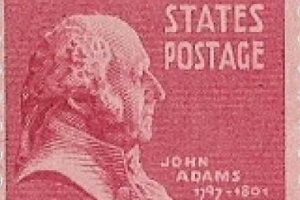
The one-cent postage stamp featuring a portrait of Thomas Jefferson printed in green ink has a rich history in American philately. Issued in various designs over the decades, this small piece of postal history reflects evolving engraving techniques and printing methods. For example, the 1956-1967 issue displays a distinct shade of green and a specific perforation pattern, differentiating it from earlier and later versions.
These stamps provided an affordable means of communication for millions of Americans, facilitating correspondence, commerce, and the exchange of ideas. Their widespread use cemented their place in everyday life, making them a recognizable symbol of postal service efficiency and accessibility. Collecting these stamps provides insights into American history, graphic design, and printing technologies, showcasing the evolution of a utilitarian object into a collectible item.
This exploration will delve further into specific aspects of the one-cent Jefferson stamps, including design variations, notable printing errors, and their enduring appeal to collectors. Subsequent sections will cover topics such as identifying valuable specimens, understanding market pricing, and preserving these delicate pieces of history.
Tips for Collectors of Jefferson One-Cent Green Stamps
Careful consideration of several factors contributes to successful collecting of one-cent green Jefferson stamps. These tips offer guidance for both beginning and experienced collectors.
Tip 1: Condition is Paramount: Stamp condition significantly impacts value. Examine stamps for tears, creases, thin spots, and discoloration. Well-centered stamps, with ample margins, are generally preferred.
Tip 2: Understand Variations: Different printings and issues exist, each with unique characteristics. Researching these variations aids in accurate identification and valuation.
Tip 3: Utilize Specialized Catalogs: Reputable stamp catalogs provide detailed information on different issues, including images and pricing guidance.
Tip 4: Proper Storage is Essential: Protect stamps from humidity, light, and pests. Archival-quality storage materials are recommended for long-term preservation.
Tip 5: Seek Expert Opinions: Consulting experienced philatelists or appraisers can provide valuable insights, especially for potentially rare or valuable stamps.
Tip 6: Join Philatelic Societies: Connecting with other collectors offers opportunities to learn, share knowledge, and expand one’s collection.
Tip 7: Patience is Key: Building a valuable collection takes time and dedication. Avoid rushing the process and focus on acquiring quality specimens.
By following these guidelines, collectors can navigate the complexities of the stamp market, make informed decisions, and build a collection of both historical and financial significance.
This information provides a solid foundation for exploring the world of one-cent green Jefferson stamps. The subsequent conclusion offers final thoughts and encourages further exploration of this fascinating area of philately.
1. Color
The green hue of the one-cent Thomas Jefferson stamp is a defining characteristic, moving beyond mere aesthetics to encompass historical, technical, and symbolic dimensions. Understanding the nuances of this color provides essential context for appreciating the stamp’s significance within philately and American history.
- Shades and Variations
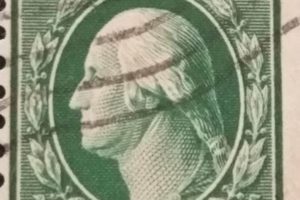
Green ink formulations varied over the decades of the stamp’s production. Shades range from a yellowish-green to a deep, almost blue-green. These variations, often subtle, are crucial for identifying specific printings and assessing value. For example, the green of the 1956 issue differs noticeably from that of the 1968 issue, a detail readily apparent to experienced collectors. These distinctions arise from changes in ink composition and printing processes.
- Printing Processes and Ink Technology
The specific shade of green reflects the printing technology and ink formulations employed during a given period. Early printings utilized different methods and inks compared to later issues. Analyzing these variations offers insights into the evolution of printing processes within the United States Postal Service. The shift from flat-plate printing to rotary press printing, for example, affected the ink application and thus the resulting color.
- Symbolism and Cultural Associations
The color green carries various cultural and symbolic associations, including growth, renewal, and stability. While the primary reason for using green was likely practical (availability and cost-effectiveness), its inherent symbolism adds another layer of meaning to the stamp. Green’s association with stability might subtly reinforce public trust in the postal system.
- Condition and Degradation
The green ink, like all pigments, is susceptible to fading and discoloration over time. Exposure to light and environmental factors can alter the original shade, impacting a stamp’s condition and value. Preserving the original green hue necessitates proper storage and handling. Collectors prioritize stamps with vibrant, unfaded color.
The seemingly simple attribute of green color reveals a complex interplay of technical, historical, and symbolic factors. Recognizing these nuances enhances understanding and appreciation of the one-cent Thomas Jefferson stamp, transforming it from a mundane postal artifact into a rich piece of American history and a testament to evolving printing technologies.
2. Portrait
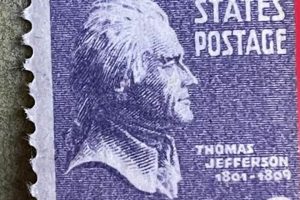
Thomas Jefferson’s portrait on the one-cent green stamp represents more than just a recognizable image; it embodies historical significance and symbolic weight. The choice of Jefferson, a Founding Father, principal author of the Declaration of Independence, and third U.S. President, underscores the stamp’s connection to American identity and democratic ideals. This association elevates the stamp beyond its utilitarian purpose, imbuing it with a sense of national pride and historical continuity. For example, the continued use of Jefferson’s likeness reinforces his enduring legacy and contribution to American political thought. This choice, made by postal authorities over time, reflects a deliberate effort to link everyday communication with foundational national figures.
The specific depiction of Jefferson on the stamp evolved over different printings, influenced by artistic styles and printing techniques. Early versions often depicted a more formal, stylized portrait, while later issues adopted a more naturalistic representation. These variations offer insights into evolving portraiture conventions and graphic design trends. Comparing the 1938 issue with the 1954 issue reveals subtle changes in shading and linework, demonstrating the impact of evolving printing technologies on the portrayal of Jefferson’s likeness. These nuanced changes, while seemingly minor, provide valuable information to collectors and historians alike.
Understanding the significance of Jefferson’s portrait on the stamp enhances appreciation for its multifaceted nature. It becomes more than a mere postage marker; it serves as a miniature historical artifact, embodying American history, artistic trends, and the symbolic power of portraiture. Recognizing the deliberate choice and evolution of Jefferson’s image underscores the stamp’s cultural and historical value, offering a tangible link to a pivotal figure in American history. Further research into the specific design choices and their historical context can enrich understanding and provide a deeper appreciation for the stamp’s intricate connection to American identity.
3. Denomination
The one cent denomination of the green Thomas Jefferson stamp directly relates to its widespread use and accessibility throughout history. This low cost facilitated mass mailings and everyday correspondence for a broad segment of the population, making it a ubiquitous part of American life for generations. Analyzing the implications of this affordability provides valuable insight into the stamp’s historical and social impact.
- Affordability and Accessibility
The one-cent cost made these stamps accessible to nearly everyone, democratizing communication and enabling widespread exchange of information. This affordability fostered personal correspondence, business transactions, and the dissemination of printed materials. For example, businesses could send mass advertising mailers at a low cost, contributing to the growth of direct marketing.
- High Volume Printing and Usage
The low denomination necessitated high-volume printing to meet demand, reflecting the scale of postal communication in the 20th century. The sheer quantity of these stamps produced presents significant challenges for collectors seeking specific varieties or pristine examples. For instance, identifying minor variations in printing or shade becomes a more complex task given the sheer number of stamps in circulation.
- Changing Postal Rates and Relevance
As postal rates increased over time, the one-cent stamp’s role shifted. While initially sufficient for a standard letter, it later became more commonly used for making up small differences in postage or for bulk mailings. This evolution reflects changing economic conditions and postal service pricing strategies. The introduction of higher denomination stamps gradually diminished the everyday utility of the one-cent stamp for individual correspondence.
- Philatelic Significance of Value
The one-cent denomination, combined with its widespread use, generally results in lower individual stamp values compared to rarer, higher denominations. However, certain varieties and errors within the one-cent Jefferson series can command significant premiums among collectors. Condition, printing errors, and specific plate varieties are key factors influencing value. For example, an inverted center or missing perforation on a one-cent stamp can dramatically increase its value due to its rarity.
The one-cent denomination of the green Thomas Jefferson stamp is inextricably linked to its historical significance and its accessibility to the general public. While individually inexpensive, the collective impact of these stamps on American communication and commerce was substantial. Understanding the implications of its affordability, widespread use, and eventual shift in purpose provides a deeper appreciation for its place within American history and philately. This exploration highlights how a seemingly small detail, the denomination, played a crucial role in shaping the stamp’s impact and its enduring legacy for collectors.
4. Type
The “Type: Postage” designation for the green Thomas Jefferson one-cent stamp signifies its primary function within the postal system: prepaying the cost of mail delivery. This seemingly simple classification carries significant implications, connecting the stamp to a broader network of postal regulations, logistical operations, and communication history. Exploring the facets of this “Postage” designation reveals its importance within philately and its connection to broader historical trends.
- Prepaid Postal Delivery
The stamp represents prepayment for postal services, enabling efficient handling and delivery of mail. Without prepaid postage, complex accounting and collection procedures would be necessary at each stage of the mail’s journey. The one-cent Jefferson stamp, due to its low denomination, facilitated the efficient and affordable delivery of vast quantities of mail, including personal letters, business correspondence, and mass-produced printed materials. This prepayment system streamlined postal operations and contributed to the growth of nationwide communication networks.
- Evidence of Postal Usage
Postmarks and cancellations applied to these stamps offer evidence of their usage within the postal system, providing valuable historical context. Philatelists often examine postmarks to determine the date and location of mailing, adding another layer of information to the stamp’s story. A one-cent Jefferson stamp postmarked from a small rural town in 1940, for example, offers a glimpse into the reach of the postal service and the communication patterns of that era.
- Subject to Postal Regulations
As postage, the stamp is subject to postal regulations and rate changes. Its validity for postage depends on adhering to these regulations, which have evolved significantly over time. Changes in postal rates and regulations influence the usage and perceived value of older stamps. The demonetization of certain stamps, for example, can impact their collectibility and market value, even within the context of philatelic interest.
- Indicator of Postal History
The design, printing methods, and even the color of the one-cent Jefferson stamp reflect evolving postal practices and printing technologies. Studying these changes over time provides insights into the history of the postal service itself. The shift from engraved printing to offset lithography, for instance, is reflected in the appearance of later issues of the one-cent Jefferson stamp, offering tangible evidence of technological advancements within the postal system.
The “Type: Postage” classification of the green Thomas Jefferson one-cent stamp connects this small piece of paper to a larger narrative of postal history, communication networks, and technological advancement. Understanding this connection provides a richer appreciation for its significance beyond its face value. Further exploration of postal regulations, rate changes, and printing technologies can enhance understanding of the stamp’s evolution and its enduring presence in American philately.
5. Usage
The “Usage: Postal communication” designation of the green Thomas Jefferson one-cent stamp underscores its fundamental role in facilitating written correspondence and the dissemination of information throughout the 20th century. Examining specific facets of this usage reveals its impact on American society and its significance within postal history.
- Personal Correspondence
The low denomination of the one-cent Jefferson stamp made it an accessible option for personal letters, postcards, and greeting cards. Its affordability facilitated frequent communication between family members, friends, and loved ones separated by distance. Millions of these stamps carried personal messages across the country, contributing to social cohesion and the maintenance of personal relationships. Letters written during wartime, for example, relied heavily on affordable postage for communication between soldiers and their families.
- Business Mailings
Businesses utilized the one-cent stamp extensively for invoices, billing statements, advertising circulars, and other mass mailings. Its affordability was crucial for direct marketing campaigns and business-to-customer communication. The growth of mail-order catalogs, for example, depended on inexpensive postage for distributing catalogs and processing orders.
- Periodical Distribution
Magazines, newspapers, and other periodicals benefited from the low cost of the one-cent stamp, enabling wider distribution and reaching larger audiences. This facilitated the dissemination of news, information, and entertainment across the country. The one-cent stamp played a crucial role in the growth and accessibility of print media throughout much of the 20th century.
- Official Government Mail
Government agencies utilized the one-cent stamp for official correspondence, tax forms, and other essential communications. Its widespread availability and low cost streamlined government operations and ensured efficient dissemination of information to the public. Census forms and election ballots, for example, often relied on the one-cent stamp for distribution and return.
The “Usage: Postal communication” aspect of the green Thomas Jefferson one-cent stamp reveals its integral role in various aspects of American life, from personal correspondence to business operations and government administration. Its affordability and widespread availability facilitated communication across vast distances, contributing to social cohesion, economic growth, and the efficient functioning of government. Analyzing the stamp’s usage provides valuable insights into the history of communication and its impact on 20th-century American society.
6. Collectibility
The collectibility of the green Thomas Jefferson one-cent stamp is not uniform across all printings. Variations in printing methods, ink color, perforation patterns, and even minor design differences contribute to a wide range of values and desirability among collectors. Understanding these variations is crucial for assessing a stamp’s potential worth and historical significance within the broader context of philately.
- Printing Errors
Misprints, such as inverted centers, missing colors, or double impressions, significantly increase a stamp’s rarity and value. These errors occur sporadically during the printing process and are highly sought after by collectors. An example includes the 1962 1 Jefferson stamp with an inverted center, a rare and valuable error.
- Shade Variations
Subtle differences in the shade of green ink can distinguish different print runs and impact collectibility. Factors such as ink composition, printing methods, and paper type contribute to these variations. The 1956 issue, known for its vibrant yellowish-green hue, is often more desirable than later issues with duller green shades.
- Perforation Differences
Variations in the size and spacing of perforations around the stamp’s edges can distinguish different printings. Collectors often use perforation gauges to precisely measure these differences and identify specific issues. A 1938 issue with a specific perforation gauge of 11 x 10.5 differs from a later issue with a gauge of 10 x 11, impacting its collectibility.
- Plate Varieties
Minor design variations and flaws on the printing plates can create distinct plate varieties within a given issue. Collectors often meticulously examine stamps for these subtle differences, which can add to their value and rarity. A small scratch or re-engraved detail on the printing plate, for instance, can create a distinct plate variety that is recognizable by experienced collectors.
The “Varies by issue” aspect of the green Thomas Jefferson one-cent stamp’s collectibility highlights the complexity and depth of philately. Factors beyond the stamp’s basic design and denomination contribute significantly to its value and desirability among collectors. Careful examination and knowledge of printing errors, shade variations, perforation differences, and plate varieties are essential for navigating the nuances of this specific area of stamp collecting. Understanding these factors allows collectors to appreciate the historical and technical significance of these seemingly minor variations, transforming a common postage stamp into a collectible item with a unique story to tell.
7. History
The extensive usage of the green Thomas Jefferson one-cent stamp is directly linked to its affordability and the historical context of its issuance. Spanning much of the 20th century, this small denomination played a crucial role in facilitating mass communication in the United States. Its presence on countless letters, postcards, and business mailings offers a tangible link to the everyday lives of Americans throughout this period. The sheer volume of stamps produced and used reflects the evolving communication landscape, from handwritten letters to the rise of direct mail marketing. This extensive usage also contributed to the stamp’s ubiquity in collections, making it a readily available and recognizable piece of philatelic history. For example, the period following World War II saw a surge in personal correspondence and business activity, driving demand for affordable postage options like the one-cent Jefferson stamp.
The impact of this extensive usage extends beyond mere quantity. The one-cent Jefferson stamp became a symbol of accessibility and affordability in communication. Its presence on everyday mailings normalized its use, integrating it into the fabric of American society. The stamp’s design, featuring a prominent Founding Father, further reinforced its connection to national identity. This combination of practicality and symbolism contributed to the stamp’s enduring recognition, even as postal rates increased and its role in daily communication shifted. The transition from handwritten letters to typed correspondence, facilitated by the affordability of the one-cent stamp, illustrates how its usage mirrored broader societal changes.
Understanding the extensive usage of the green Thomas Jefferson one-cent stamp provides valuable context for appreciating its historical significance. While individual examples may hold limited monetary value due to their abundance, the stamp’s collective impact on communication history remains substantial. This widespread usage presents challenges for collectors seeking rare varieties or pristine examples. However, the very abundance of these stamps allows for detailed study of printing variations, plate flaws, and other minute details that reveal the intricacies of stamp production and postal operations throughout the 20th century. Recognizing the historical context of this extensive usage elevates the one-cent Jefferson stamp from a common artifact to a significant symbol of American communication history.
Frequently Asked Questions
This section addresses common inquiries regarding one-cent green Thomas Jefferson postage stamps, providing concise and informative responses.
Question 1: What factors influence the value of a one-cent green Thomas Jefferson stamp?
Condition, printing errors, shade variations, perforation differences, and specific plate varieties are primary factors influencing value. Rarity and demand within the collector market also play significant roles.
Question 2: How can one differentiate between different printings and issues of this stamp?
Specialized stamp catalogs provide detailed information on identifying various printings. These resources often include images, descriptions of distinguishing features, and perforation measurements.
Question 3: Are all one-cent green Thomas Jefferson stamps valuable?
No. Due to their extensive historical usage, many examples are common and hold minimal monetary value. However, specific varieties with errors or unique characteristics can be quite valuable.
Question 4: What is the significance of the green color in these stamps?
While primarily a practical choice due to ink availability and cost-effectiveness, the green color also carries symbolic weight associated with stability and growth. Furthermore, variations in green shades can help identify specific print runs.
Question 5: How should one store one-cent green Thomas Jefferson stamps to maintain their condition?
Archival-quality storage materials, such as acid-free albums and protective sleeves, are recommended. Minimizing exposure to light, humidity, and temperature fluctuations helps prevent fading and deterioration.
Question 6: Where can one find more information about collecting these stamps?
Reputable philatelic societies, stamp dealers, and online resources dedicated to stamp collecting offer valuable information, expertise, and opportunities to connect with other collectors.
Careful consideration of these frequently asked questions provides a foundational understanding of the nuances associated with one-cent green Thomas Jefferson stamps. Acquiring further knowledge through specialized resources can enhance appreciation for these historical artifacts.
The following section will delve into specific examples of valuable one-cent green Thomas Jefferson stamps, showcasing the characteristics that contribute to their desirability within the collector market.
Green Thomas Jefferson 1 Cent Stamp
Exploration of the green Thomas Jefferson one-cent stamp reveals a complex interplay of history, technology, and cultural significance. From its utilitarian role in facilitating everyday communication to its multifaceted collectibility, the stamp offers a tangible connection to American history. Factors such as printing variations, color shades, and condition contribute to the stamp’s desirability among collectors. Careful examination of these seemingly minor details unveils a wealth of information about printing processes, postal regulations, and the evolving landscape of American communication throughout the 20th century. The stamps widespread usage reflects its affordability and accessibility, solidifying its place in the daily lives of millions.
The green Thomas Jefferson one-cent stamp, though small and seemingly commonplace, embodies a rich narrative of American history. Continued research and appreciation for these unassuming artifacts offer valuable insights into the past and provide a tangible link to generations who relied on these stamps for essential communication. Further investigation into specific printing variations and their historical context promises to deepen understanding and enrich appreciation for this enduring piece of American philately.