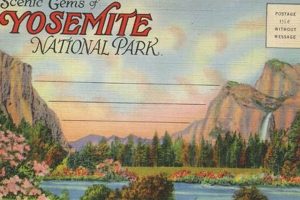
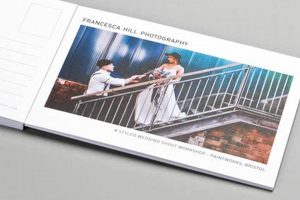
Historic postcards offer a glimpse into graphic design trends of the past, encompassing typography, illustration styles, and popular color palettes from specific eras. Examples include lithographic prints with ornate Art Nouveau borders from the early 1900s, or the streamlined, bold graphics of the Art Deco period. The design elements often reflect contemporaneous cultural interests, travel destinations, or significant events.
Studying these historical artifacts provides valuable insights for contemporary designers. Understanding the evolution of visual communication, from the constraints of early printing techniques to the emergence of new artistic movements, can inform and enrich modern design practices. Furthermore, these cards serve as primary source material for researchers exploring social history, offering visual documentation of bygone eras and societal values. Their enduring appeal also fuels a vibrant collector’s market.
This exploration will further delve into specific aspects of historical postcard aesthetics, covering prominent design movements, printing methods, and the cultural contexts that shaped these miniature works of art. It will also examine the enduring legacy of these designs and their influence on contemporary visual communication.
Tips for Studying Historic Postcard Design
Careful observation and analysis are crucial for understanding the nuances of historic postcard design. The following tips provide a framework for effective examination and appreciation of these artifacts.
Tip 1: Examine the Typography. Note the fonts used, their size, and arrangement. Consider how the typography contributes to the overall aesthetic and reflects the period’s design trends. For example, Art Nouveau postcards often feature elegant, flowing scripts, while Art Deco examples might utilize bold geometric sans-serif fonts.
Tip 2: Analyze the Illustration Style. Identify the artistic style employed, whether realistic, stylized, or abstract. Consider the subject matter and how it relates to the era’s cultural context. Illustrations might depict popular tourist destinations, historical events, or idealized scenes of daily life.
Tip 3: Observe the Color Palette. Note the dominant colors and their combinations. Research the printing processes available during the postcard’s era, as this can influence the color choices. Limited color palettes were common in early printing, while later techniques allowed for more vibrant and varied hues.
Tip 4: Consider the Printing Method. Research different printing techniques, such as lithography, chromolithography, and offset printing, to understand how they impact the final appearance of the postcard. Look for telltale signs of specific printing methods, such as the textured surface of embossed details.
Tip 5: Research the Historical Context. Investigate the historical period in which the postcard was created. Understanding the social, cultural, and political climate can shed light on the design choices and the intended message.
Tip 6: Compare and Contrast. Analyze multiple postcards from different eras and regions to identify trends and variations in design styles. Comparing similar themes across different periods can reveal evolving aesthetic preferences.
By applying these observational techniques, one can develop a deeper appreciation for the artistry and historical significance embodied in historic postcards. This understanding offers valuable insights into the evolution of graphic design and the cultural landscape of past eras.
This detailed analysis provides a foundation for further exploration into the specific design movements, printing techniques, and cultural contexts that shaped the world of historic postcards.
1. Typography

Typography plays a crucial role in establishing the character and visual appeal of vintage postcards. Font choices, arrangement, and embellishments contribute significantly to conveying the era’s design sensibilities and the card’s intended message, whether romantic, informative, or humorous. Analyzing typography offers valuable insights into the graphic design trends and cultural context of the period.
- Font Selection
Specific fonts evoke distinct aesthetic periods. Ornate, elaborate scripts were characteristic of the Victorian and Art Nouveau eras, conveying elegance and sophistication. The later Art Deco period favored bold, geometric sans-serif fonts, reflecting a more modern and streamlined aesthetic. The selection of a particular typeface immediately communicates a visual language associated with its historical period.
- Arrangement and Hierarchy
The arrangement of text on the postcard, including title placement, body text layout, and the use of decorative elements, creates a visual hierarchy that guides the viewer’s eye. Emphasis on certain words or phrases through size, style, or placement directs attention and communicates key information effectively. The placement of text often interacts with the imagery, creating a balanced and harmonious composition.
- Decorative Elements and Embellishments
Ornate flourishes, borders, and decorative elements frequently enhance vintage postcard typography. These additions contribute to the overall aesthetic and can reflect specific cultural or artistic influences. For example, Art Nouveau postcards often feature intricate floral motifs intertwined with the lettering, while Art Deco examples might incorporate geometric patterns and streamlined borders.
- Printing Techniques and their Influence
The printing techniques available during a specific era impacted typographic choices. Early printing methods imposed limitations on font complexity and size. Later advancements, such as chromolithography, allowed for more intricate designs and the use of multiple colors in typography, expanding creative possibilities and resulting in more visually complex postcards.
The interplay of these typographic elements contributes significantly to the overall aesthetic and communicative power of vintage postcards. By carefully analyzing the font choices, arrangement, embellishments, and the influence of printing techniques, one gains a deeper understanding of the design sensibilities and cultural context that shaped these miniature works of art. Examining typography provides a valuable lens through which to appreciate the evolution of graphic design and visual communication over time.
2. Imagery

Imagery forms a central component of vintage postcard design, serving both aesthetic and communicative functions. The chosen visuals offer glimpses into past eras, reflecting popular travel destinations, cultural values, and significant events. Analysis of postcard imagery provides valuable insights into the social and historical context of their creation. Depictions of idyllic landscapes, bustling cityscapes, or architectural marvels promoted tourism and showcased regional pride. Portraits of individuals in period attire, scenes of daily life, or depictions of historical events offer visual documentation of bygone customs and societal values. For example, postcards from the early 20th century frequently featured romanticized images of rural life or exotic locales, reflecting the era’s escapist tendencies. Similarly, postcards commemorating expositions or national celebrations offer visual records of these events and their cultural significance.
The style of the imagery, whether realistic, stylized, or caricatured, further contributes to the postcard’s overall message and aesthetic. The artistic techniques employed, such as detailed engravings, vibrant chromolithographs, or simple line drawings, reflect the technological capabilities and artistic trends of the period. For instance, the rise of Art Nouveau influenced postcard imagery with its characteristic flowing lines and organic forms, while the Art Deco movement introduced a more geometric and streamlined aesthetic. The interplay between image and text further enhances the narrative, with captions and greetings providing context and reinforcing the intended message. The careful selection and artistic execution of imagery contribute significantly to the postcard’s communicative power and enduring appeal.
Understanding the significance of imagery in vintage postcard design allows for a deeper appreciation of these artifacts as both visual records and artistic expressions. Analyzing the depicted subjects, artistic styles, and the interplay between image and text provides valuable insights into the cultural, social, and historical contexts that shaped these miniature works of art. This understanding enriches our appreciation for the evolution of visual communication and offers a unique window into the past.
3. Color Palettes

Color palettes in vintage postcard design are integral to their aesthetic and historical context. Analysis of color choices provides insights into printing technologies, artistic trends, and cultural preferences of the past. The limitations and possibilities presented by different printing methods heavily influenced color selection, while evolving artistic movements and societal values shaped the preferred palettes of each era. Exploring these palettes reveals the interplay between technological constraints and creative expression in vintage postcard design.
- Early Printing Limitations
Early printing methods often restricted color choices, leading to limited palettes. Chromolithography, while allowing for multiple colors, initially involved a laborious process of layering individual colors, impacting cost and complexity. These limitations resulted in postcards often featuring a smaller range of hues, with emphasis on achieving visual impact through contrasting colors or subtle tonal variations. Examining these early palettes provides insight into the technical constraints faced by designers and printers.
- Technological Advancements and Expanding Palettes
As printing technology advanced, color palettes expanded significantly. Improvements in chromolithography and the emergence of new printing techniques allowed for more vibrant and varied color schemes. This expansion facilitated greater artistic expression and enabled the representation of more complex imagery, landscapes, and portraits. The increasing sophistication of color palettes reflects the technological progress of the era and its impact on visual communication.
- Influence of Artistic Movements
Artistic movements significantly influenced color trends in vintage postcards. Art Nouveau, with its emphasis on organic forms and natural motifs, favored muted earth tones, soft pastels, and flowing lines. In contrast, the Art Deco movement embraced bold, vibrant colors, geometric patterns, and metallic accents, reflecting its modern and dynamic aesthetic. Analyzing the dominant color schemes in postcards from different eras reveals the influence of prevailing artistic styles.
- Cultural Significance of Color
Color choices in vintage postcards often carried cultural significance. Specific colors held symbolic meanings, reflecting national identities, regional traditions, or seasonal themes. For example, patriotic postcards might utilize national colors prominently, while holiday-themed cards employed color schemes associated with specific celebrations. Understanding the cultural context in which these postcards were created enhances interpretation of the chosen color palettes and their intended message.
The evolution of color palettes in vintage postcard design reflects a complex interplay of technological advancements, artistic influences, and cultural values. Studying these palettes provides valuable insights into the historical context of these artifacts and the changing landscape of visual communication. The progression from limited, technically constrained palettes to more complex and expressive color schemes mirrors the broader evolution of graphic design and printing technologies.
4. Printing Methods

Printing methods are inextricably linked to the aesthetics and evolution of vintage postcard design. The available technologies dictated the visual possibilities, influencing color palettes, image quality, and overall design complexity. Understanding these processes is essential for appreciating the nuances and historical context of these artifacts. Specific printing methods, such as lithography, chromolithography, and later photomechanical processes, each contributed unique characteristics to vintage postcards. Lithography, prevalent in the late 19th and early 20th centuries, allowed for detailed illustrations and vibrant colors, often seen in Art Nouveau postcards featuring intricate floral patterns. Chromolithography, a more complex color lithographic process, enabled even richer color palettes, contributing to the mass production of visually appealing postcards depicting landscapes, portraits, and scenes of daily life. The development of photomechanical processes, including collotype and halftone printing, further broadened design possibilities by allowing for the reproduction of photographs on postcards, ushering in a new era of realism and documentary imagery in the early 20th century. For example, postcards depicting cityscapes or tourist attractions often utilized these photomechanical methods to showcase specific locations with accuracy.
The choice of printing method directly impacted the final appearance of the postcard. Embossing, a technique used to create raised textures, added a tactile dimension and enhanced visual details, often applied to lettering, borders, or specific image elements. Die-cutting allowed for the creation of postcards with intricate shapes and outlines, adding a decorative element to the design. The combination of various printing methods, such as combining lithography with embossing or die-cutting, further enhanced the visual complexity and appeal of vintage postcards. Understanding the interplay of these techniques provides crucial context for appreciating the artistry and craftsmanship involved in their production. These technical considerations also influenced the cost and accessibility of postcards, shaping their role in popular culture and communication.
Analyzing printing methods provides a crucial framework for understanding the evolution of vintage postcard design. From the vibrant colors of chromolithography to the detailed realism of photomechanical processes, each technique contributed distinct characteristics to these artifacts. Recognizing the limitations and possibilities offered by specific printing technologies illuminates the design choices made by artists and printers, and enhances our appreciation for their ingenuity. This technical understanding deepens the historical and cultural context of vintage postcards, allowing for a more nuanced interpretation of their visual language and significance as historical documents. Further investigation into specific printing techniques reveals the complex interplay between technological innovation and artistic expression in the world of vintage postcard design.
5. Cultural Context

Cultural context significantly shapes vintage postcard design, reflecting societal values, historical events, and popular interests of a specific time and place. Analyzing this context provides crucial insights into the intended message and the social function of these artifacts, enriching our understanding of their historical and cultural significance. Examining how cultural trends influence design choicesfrom imagery and typography to color palettes and themesilluminates the complex relationship between visual communication and the societies that produce it.
- Social Trends and Values
Postcard designs often mirrored prevailing social trends and values. For example, postcards from the early 20th century frequently depicted idealized images of family life, reflecting the importance of domesticity in that era. Similarly, postcards promoting travel destinations often showcased the allure of exotic locales or the grandeur of natural landscapes, appealing to contemporary aspirations for leisure and exploration. These visual representations offer glimpses into societal ideals and anxieties, providing valuable insights into the cultural landscape of the past.
- Historical Events and Commemorations
Significant historical events, such as expositions, coronations, or national celebrations, frequently found expression in postcard design. These commemorative postcards served as souvenirs and documented key moments in history, capturing the spirit and visual culture of these occasions. For example, postcards commemorating world’s fairs often featured depictions of pavilions and technological marvels, reflecting the era’s fascination with progress and innovation. Analyzing these cards provides a visual record of historical events and their cultural impact.
- Technological Advancements and Industrialization
The impact of technological advancements and industrialization is evident in vintage postcard design. The rise of mass production and new printing techniques enabled wider distribution and accessibility of postcards, influencing their design and content. Images of factories, railways, and new modes of transportation frequently appeared on postcards, reflecting the era’s focus on industrial progress and its transformative effects on society. These designs provide visual documentation of the changing technological landscape and its influence on visual culture.
- Regional and National Identity
Postcard designs often reflected regional and national identities. Local landmarks, traditional costumes, and cultural symbols were frequently depicted, promoting regional tourism and reinforcing a sense of place. The use of national colors, flags, and patriotic imagery further underscored national identity and pride, particularly during times of conflict or national celebration. Analyzing these designs reveals how postcards served as vehicles for expressing and reinforcing cultural identity at both regional and national levels.
By analyzing vintage postcards within their specific cultural context, we gain a deeper understanding of their intended message and significance. These miniature artifacts serve as valuable historical documents, offering insights into past societies, their values, aspirations, and anxieties. The interplay between cultural context and design choices illuminates the complex relationship between visual communication and the societies that produce it, providing a rich and nuanced perspective on the past.
Frequently Asked Questions
This section addresses common inquiries regarding the study and appreciation of vintage postcards, providing concise and informative responses.
Question 1: How can one differentiate between authentic vintage postcards and reproductions?
Authenticity is determined by several factors, including paper quality, printing techniques, and the presence of period-specific publisher markings. Researching known publishers and printing methods from specific eras is crucial for accurate identification. Consulting expert resources or reputable dealers can also assist in authentication.
Question 2: What are the key elements to consider when evaluating the value of a vintage postcard?
Value is determined by factors such as rarity, condition, subject matter, historical significance, and artistic merit. Postcards depicting rare events, popular destinations, or featuring exceptional artwork typically command higher values. Preservation condition significantly impacts value; pristine, undamaged examples are generally more desirable. Consulting price guides and auction records can provide insights into market values.
Question 3: How should vintage postcards be stored to ensure their long-term preservation?
Proper storage is essential for preserving vintage postcards. Archival-quality, acid-free sleeves and albums protect against damage from light, humidity, and handling. Storing postcards in a cool, dry, and stable environment minimizes deterioration. Avoid direct sunlight and exposure to extreme temperatures or humidity fluctuations. Handling postcards with clean hands or cotton gloves further reduces the risk of damage.
Question 4: Where are reliable resources for researching specific aspects of vintage postcard design, such as printing methods or artistic styles?
Museum archives, library collections, specialized books, and reputable online resources offer valuable information on vintage postcard design. Scholarly publications and online databases dedicated to ephemera and graphic design history provide in-depth research materials. Joining collector societies or online forums can connect individuals with experienced collectors and researchers who can offer guidance and expertise.
Question 5: What are some of the major artistic movements that influenced vintage postcard design?
Major artistic movements, including Art Nouveau, Art Deco, and the Arts and Crafts movement, significantly influenced vintage postcard aesthetics. Art Nouveau postcards often feature flowing lines, organic forms, and muted color palettes. Art Deco examples showcase geometric patterns, bold colors, and streamlined typography. Arts and Crafts postcards emphasize handcrafted aesthetics and natural motifs. Understanding these influences provides a framework for analyzing and appreciating stylistic variations in vintage postcard design.
Question 6: How can one begin a collection of vintage postcards, and what factors should be considered when selecting postcards?
Begin by focusing on a specific theme, era, or geographical region to build a cohesive collection. Consider factors such as personal interests, historical significance, and artistic merit when selecting postcards. Researching specific publishers, artists, or printing techniques can further refine collecting focus. Starting with readily available and affordable postcards allows for gradual expansion of knowledge and expertise as the collection develops. Networking with other collectors and dealers provides opportunities for acquiring unique and desirable items.
Careful consideration of these frequently asked questions enhances understanding and appreciation of vintage postcards as both historical artifacts and collectible objects. This knowledge equips collectors and enthusiasts with the necessary tools for informed acquisition, preservation, and analysis of these miniature windows into the past.
Further exploration of specific collecting areas, artistic movements, or printing techniques will enrich one’s appreciation for the diverse and fascinating world of vintage postcard design.
Vintage Postcard Design
Examination of vintage postcard design reveals a rich interplay of artistic, technological, and cultural influences. From the ornate typography of the Art Nouveau era to the streamlined graphics of Art Deco, these miniature artifacts reflect evolving aesthetic trends and societal values. Printing methods, from early lithography to later photomechanical processes, shaped the visual possibilities and accessibility of postcards. Imagery, often depicting idyllic landscapes or bustling cityscapes, served both promotional and documentary purposes, offering glimpses into past eras. Understanding the cultural context surrounding postcard productionincluding social trends, historical events, and regional identitiesprovides crucial insights into their intended messages and enduring appeal.
The study of vintage postcard design offers a unique lens through which to explore the history of visual communication and the cultural landscapes of the past. Continued research and preservation efforts ensure that these tangible pieces of history remain accessible for future generations, enriching our understanding of graphic design evolution and providing valuable insights into the societies that produced them. These seemingly simple objects hold a wealth of information, inviting further exploration and appreciation of their artistry, historical significance, and enduring legacy.