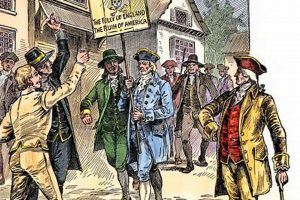
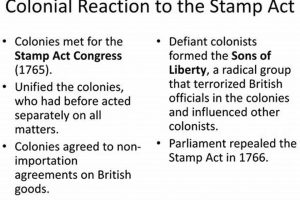
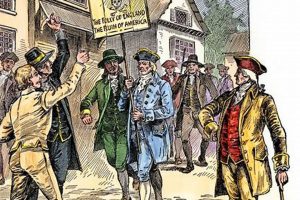
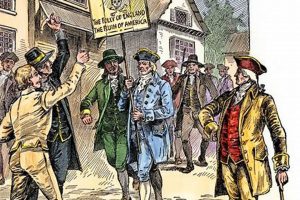
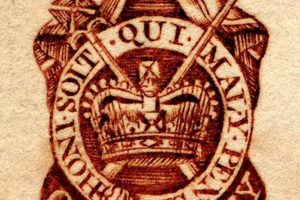
The 1765 legislation requiring tax stamps on printed materials in the American colonies fueled colonial resistance. This tax was seen as a direct violation of colonial rights, as it was imposed without colonial representation in the British Parliament. Groups formed to actively oppose this and other British policies. These organizations used public demonstrations, boycotts, and sometimes even violence to exert pressure on both British authorities and colonial merchants who complied with the tax.
This period represents a pivotal moment in American history, demonstrating the growing discontent with British rule and laying the groundwork for the American Revolution. The organized resistance marked a significant escalation in the conflict, showcasing the colonists’ willingness to defend their perceived liberties. This collective action fostered a sense of unity and purpose among colonists from diverse backgrounds, forging a shared identity in opposition to perceived tyranny. Their actions ultimately contributed to the tax’s repeal in 1766, a significant victory for colonial resistance.
This era offers valuable insights into the dynamics of political protest, the evolution of revolutionary movements, and the factors contributing to the birth of a nation. Exploring the specifics of the tax, the various methods of resistance employed, and the broader consequences of this period illuminates the complexities of the American Revolution’s origins.
Tips for Understanding the Stamp Act and the Sons of Liberty
Gaining a deeper understanding of the Stamp Act and the Sons of Liberty requires examining the historical context, motivations, and consequences of their actions. These tips offer guidance for navigating this crucial period in American history.
Tip 1: Explore primary sources. Examining original documents, letters, and pamphlets from the period offers valuable insights into the perspectives of those who lived through these events.
Tip 2: Consider the economic impact. The Stamp Act’s financial implications on colonists, merchants, and printers should be analyzed to understand the depth of resentment it generated.
Tip 3: Research the different forms of protest. From boycotts to public demonstrations to acts of defiance, understanding the diverse methods employed by colonists illustrates the evolving nature of their resistance.
Tip 4: Study the role of key figures. Researching individuals involved in both enacting and opposing the Stamp Act provides a deeper understanding of the political landscape of the time.
Tip 5: Analyze the British perspective. Understanding the British rationale behind implementing the Stamp Act provides valuable context for the escalating conflict.
Tip 6: Explore the legacy of the resistance. Consider how the colonial response to the Stamp Act influenced later events leading up to the American Revolution, including the formation of committees of correspondence and other patriotic organizations.
By exploring these facets, one can develop a more nuanced understanding of the Stamp Act crisis and its contributions to the American Revolution.
Further exploration of these topics will illuminate the complexities of the era and the profound impact of the resistance movement.
1. Colonial Resistance

Colonial resistance played a crucial role in the rise and actions of the Sons of Liberty during the Stamp Act crisis. The Stamp Act, perceived as an unjust measure of taxation without representation, ignited widespread discontent throughout the American colonies. This underlying resentment fueled the formation of groups like the Sons of Liberty, which became a focal point for organizing and expressing colonial resistance. The Sons of Liberty channeled colonial frustration into concrete actions, such as boycotts of British goods, public demonstrations, and acts of intimidation against stamp distributors. These actions represent a direct link between the broader sentiment of colonial resistance and the specific activities undertaken by the Sons of Liberty.
The Sons of Liberty’s actions effectively leveraged colonial resistance to exert pressure on both British authorities and colonial merchants who complied with the Act. Boycotts, for instance, significantly impacted British trade, demonstrating the economic power of unified colonial action. Public demonstrations and acts of civil disobedience further disrupted the implementation of the Stamp Act, creating an environment of instability and challenging British authority. The burning of effigies representing tax collectors, a tactic employed by the Sons of Liberty, vividly illustrates the intensity of colonial resistance and its embodiment in the group’s activities.
Understanding the interconnectedness of colonial resistance and the Sons of Liberty is crucial for comprehending the political and social climate leading up to the American Revolution. The Stamp Act crisis served as a catalyst, transforming diffuse colonial discontent into organized resistance. The Sons of Liberty, by channeling this resistance into direct action, played a pivotal role in escalating the conflict with Great Britain and shaping the course of American history. The legacy of their resistance provided a framework for future revolutionary movements and contributed significantly to the development of American national identity.
2. Taxation without representation

The phrase “Taxation without representation” encapsulates the core grievance driving colonial resistance to the Stamp Act and fueling the rise of groups like the Sons of Liberty. The Stamp Act, imposed by the British Parliament without colonial consent or representation, was perceived as a direct violation of fundamental rights. Colonists argued that they should not be subjected to taxes levied by a body in which they had no voice. This principle became a rallying cry, uniting colonists from diverse backgrounds in opposition to British policies. The Sons of Liberty, formed in response to the Stamp Act, embraced “Taxation without representation” as a central tenet, using it to mobilize support for their cause. The cry resonated deeply within colonial society, transforming the Stamp Act from a mere tax dispute into a broader struggle for political autonomy.
The practical significance of “Taxation without representation” lies in its ability to galvanize colonial resistance. The Sons of Liberty organized boycotts of British goods, staged public demonstrations, and intimidated stamp distributors, all under the banner of protesting taxation without representation. These actions demonstrated the colonists’ resolve to resist what they considered unjust and tyrannical measures. The concept of representation became inextricably linked to notions of liberty and self-governance, laying the intellectual groundwork for the American Revolution. The Stamp Act Congress, convened in 1765, formally articulated colonial grievances against taxation without representation, further solidifying its importance as a catalyst for revolutionary sentiment.
The legacy of “Taxation without representation” extends far beyond the Stamp Act crisis. It established a core principle of American political thought, emphasizing the importance of citizen participation in government and the right to consent to taxation. The struggle against the Stamp Act and the articulation of this principle contributed significantly to the growing sense of American identity and the eventual break from British rule. Understanding this historical context provides crucial insights into the American Revolution’s ideological underpinnings and the ongoing relevance of representative government in democratic societies.
3. Organized Protests

Organized protests formed a cornerstone of the Sons of Liberty’s resistance against the Stamp Act. These protests, ranging from boycotts of British goods to public demonstrations and acts of civil disobedience, were crucial in exerting pressure on British authorities and demonstrating colonial unity. The Sons of Liberty effectively channeled colonial discontent into coordinated action, transforming individual grievances into a collective movement. For example, the group orchestrated widespread boycotts of British goods, significantly impacting transatlantic trade and forcing British merchants to petition Parliament for repeal of the Stamp Act. These organized efforts demonstrated the power of collective action and the potential for colonial resistance to influence British policy.
The effectiveness of these organized protests stemmed from the Sons of Liberty’s strategic planning and ability to mobilize diverse segments of colonial society. They established communication networks across the colonies, facilitating the dissemination of information and coordination of protests. Public demonstrations, often involving symbolic acts like burning effigies of stamp distributors, served to rally public support and further intensify resistance. Beyond boycotts and demonstrations, the Sons of Liberty also engaged in more direct actions, such as intimidating stamp distributors and disrupting the distribution of stamped paper. This multifaceted approach, combining economic pressure with public displays of defiance, significantly hampered the implementation of the Stamp Act.
Understanding the role of organized protests in the Sons of Liberty’s resistance provides valuable insights into the dynamics of revolutionary movements and the power of collective action. The Stamp Act crisis served as a proving ground for these tactics, demonstrating their potential to challenge established authority and effect political change. The legacy of these organized protests extended beyond the repeal of the Stamp Act, influencing subsequent resistance movements and contributing to the growing momentum towards American independence. The Sons of Libertys organizational strategies and methods of protest became a model for future revolutionary movements, underscoring the importance of coordinated action in challenging oppressive measures.
4. Early revolutionary fervor

The Stamp Act crisis ignited an early revolutionary fervor in the American colonies, significantly contributing to the rise and actions of the Sons of Liberty. This period represents a crucial turning point where colonial discontent transformed into organized resistance, laying the groundwork for the American Revolution. Examining the specific facets of this early revolutionary fervor provides crucial context for understanding the Sons of Liberty’s role in shaping the course of American history.
- Ideological Underpinnings
The Stamp Act fueled ideological debates about representation, consent, and the limits of British authority. Colonists increasingly questioned Parliament’s right to tax them without representation, drawing upon Enlightenment ideals of liberty and self-governance. Pamphlets and public speeches disseminated these ideas, fostering a sense of shared grievance and contributing to the intellectual ferment of the period. This burgeoning revolutionary ideology provided the philosophical justification for resisting British policies.
- Popular Mobilization
The Sons of Liberty played a crucial role in mobilizing popular support for the resistance movement. They organized public demonstrations, boycotts, and other forms of collective action, effectively channeling popular anger against the Stamp Act into concrete political action. These organized protests served as a powerful expression of colonial unity and defiance, drawing in diverse segments of society and demonstrating the potential for popular resistance. The Sons of Liberty’s ability to mobilize popular support was essential to their effectiveness in challenging British authority.
- Development of Revolutionary Networks
The Stamp Act crisis fostered the development of intercolonial communication and cooperation. Committees of correspondence and other networks emerged, facilitating the exchange of information and coordinating resistance efforts across different colonies. These networks laid the foundation for future revolutionary organization, enabling colonists to share strategies, coordinate boycotts, and disseminate revolutionary ideas. The development of these networks represented a significant step toward greater colonial unity and a more organized resistance movement.
- Escalation of Resistance Tactics
The Stamp Act crisis witnessed an escalation in the tactics employed by colonial resistors. While initial protests focused on petitions and boycotts, resistance increasingly took on more confrontational forms, including acts of intimidation against stamp distributors and even instances of violence. The Sons of Liberty often spearheaded these more radical actions, demonstrating a growing willingness to challenge British authority directly. This escalation of tactics marked a significant shift in the nature of colonial resistance and foreshadowed the more radical actions that would characterize the later stages of the American Revolution.
These interconnected facets of early revolutionary fervor demonstrate the profound impact of the Stamp Act crisis on colonial society. The Sons of Liberty, by channeling this fervor into organized resistance, played a crucial role in escalating the conflict with Great Britain and shaping the trajectory of American history. The Stamp Act period served as a crucible for revolutionary ideas and tactics, ultimately paving the way for the American Revolution.
5. Defense of Liberties
The defense of liberties formed the core motivation behind the Sons of Liberty’s resistance to the Stamp Act. Colonists viewed the Act not merely as an undesirable tax, but as a fundamental infringement upon their rights as Englishmen. Central to this defense was the principle of “no taxation without representation,” asserting that colonists should not be subjected to taxes levied by a body in which they lacked a voice. This perceived violation of fundamental liberties galvanized colonial resistance, providing the ideological justification for the Sons of Liberty’s actions. The defense of these liberties encompassed broader concerns beyond taxation, including the right to trial by jury, freedom of the press, and protection from arbitrary search and seizure. The Stamp Act, seen as a dangerous precedent eroding these fundamental rights, became a focal point for colonial anxieties about British overreach. The Sons of Liberty, through their organized protests, boycotts, and acts of civil disobedience, actively defended these perceived liberties, transforming the Stamp Act crisis into a broader struggle for self-governance.
Examples of the Sons of Liberty’s defense of liberties can be observed in their various actions. The organization of boycotts against British goods demonstrated a collective defense of economic liberty, aiming to pressure Parliament through economic means. Public demonstrations and acts of civil disobedience, such as the burning of effigies representing tax collectors, served as visible expressions of resistance, asserting the colonists’ right to protest perceived injustices. Furthermore, the Sons of Liberty’s efforts to intimidate stamp distributors aimed to disrupt the implementation of the Act, effectively defending colonial liberties through direct action. These diverse tactics highlight the Sons of Liberty’s commitment to defending liberties through various means, reflecting the multifaceted nature of their resistance.
Understanding the Sons of Liberty’s actions as a defense of liberties provides crucial insight into the ideological underpinnings of the American Revolution. The Stamp Act crisis, fueled by the defense of these liberties, became a catalyst for revolutionary sentiment. It fostered a sense of colonial unity, strengthened intercolonial communication networks, and escalated resistance tactics. The defense of liberties during the Stamp Act era laid the groundwork for the broader arguments for independence articulated in the years leading up to the American Revolution. This historical context illuminates the connection between the specific grievances of the Stamp Act period and the broader principles that shaped the American Revolution and its legacy.
Frequently Asked Questions
This section addresses common inquiries regarding the Stamp Act and the Sons of Liberty, providing concise and informative responses to enhance understanding of this pivotal period in American history.
Question 1: What specific items were taxed under the Stamp Act?
The Stamp Act mandated tax stamps on various printed materials, including legal documents, newspapers, pamphlets, playing cards, and even dice. This broad application of the tax affected a wide range of colonists, fueling widespread resentment.
Question 2: How did the Sons of Liberty organize and coordinate their activities across different colonies?
The Sons of Liberty established an intercolonial communication network, utilizing committees of correspondence and other channels to disseminate information, coordinate boycotts, and share strategies for resistance. This network facilitated unified action across geographically dispersed colonies.
Question 3: Was violence a common tactic employed by the Sons of Liberty?
While the Sons of Liberty engaged in various forms of protest, including intimidation and property damage, violence was not a universally employed tactic. Their methods varied depending on local contexts and the specific goals of their actions. Boycotts, public demonstrations, and acts of civil disobedience were more common forms of resistance.
Question 4: How did the British government respond to colonial resistance to the Stamp Act?
Facing mounting pressure from colonial resistance, including boycotts that significantly impacted British trade, the British Parliament ultimately repealed the Stamp Act in 1766. However, the repeal was accompanied by the Declaratory Act, asserting Parliament’s authority to legislate for the colonies “in all cases whatsoever,” which further fueled tensions.
Question 5: Did all colonists support the Sons of Liberty and their methods of resistance?
While colonial resistance to the Stamp Act was widespread, not all colonists supported the Sons of Liberty or their methods. Some colonists remained loyal to the British Crown, while others disagreed with the more radical tactics employed by the group. This internal division within colonial society reflects the complexities of the political landscape during this period.
Question 6: What long-term impact did the Stamp Act crisis and the actions of the Sons of Liberty have on the relationship between Great Britain and the American colonies?
The Stamp Act crisis significantly escalated tensions between Great Britain and the American colonies. It fueled colonial resentment towards British policies, strengthened intercolonial unity, and established a precedent for organized resistance. The crisis contributed significantly to the growing momentum towards the American Revolution.
Understanding the context surrounding the Stamp Act and the actions of the Sons of Liberty is crucial for comprehending the origins of the American Revolution. Exploring these frequently asked questions helps to clarify key aspects of this pivotal period and its lasting impact on American history.
Further exploration of the events and individuals involved in the Stamp Act crisis will enrich one’s understanding of this formative period in American history.
The Stamp Act and the Sons of Liberty
The examination of the 1765 Stamp Act and the role of the Sons of Liberty reveals a pivotal moment in American history. The tax, levied on printed materials without colonial representation, ignited widespread resistance and fueled the rise of organized opposition groups. The Sons of Liberty, through boycotts, public demonstrations, and acts of civil disobedience, effectively challenged British authority and contributed significantly to the Act’s eventual repeal. This period demonstrated the power of collective action, the importance of defending perceived liberties, and the growing dissatisfaction with British rule in the American colonies. The legacy of resistance born from the Stamp Act crisis laid critical groundwork for the American Revolution.
The struggle against the Stamp Act serves as a potent reminder of the enduring importance of civic engagement and the defense of fundamental rights. Exploration of this historical period offers valuable insights into the dynamics of political protest, the evolution of revolutionary movements, and the factors that contribute to the birth of nations. Continued study of this era remains essential for understanding the complexities of the American Revolution and its lasting impact on the principles of self-governance and individual liberty.