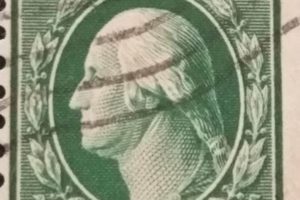
Determining the value of a one-cent stamp featuring George Washington requires consideration of several factors. These include the stamp’s condition, its printing method (engraved, flat plate, rotary press, etc.), the presence of any errors or variations, and its issue date. For example, a pristine, unused 1932 Washington bicentennial stamp in perfect condition could be worth significantly more than a common, used one-cent Washington stamp from the 1950s.
Understanding stamp valuation provides insights into historical printing processes, design changes, and the overall philatelic market. The value of these seemingly small pieces of paper reflects historical events, artistic trends, and even economic conditions of their time. Collecting and studying stamps can offer a tangible connection to the past, while the potential for appreciation in value adds another dimension to the hobby.
This article will further explore the nuances of appraising early American postage, focusing on factors that influence value and providing resources for collectors to conduct their own research. Topics covered will include identifying different Washington stamp issues, understanding grading standards, and navigating online and offline marketplaces for buying and selling.
Tips for Determining the Value of a George Washington One-Cent Stamp
Accurately assessing the value of a one-cent stamp featuring George Washington requires careful consideration of various factors. The following tips offer guidance for navigating the complexities of stamp appraisal.
Tip 1: Identify the Issue Date. Pinpointing the year of issue is crucial. Earlier issues are generally more valuable due to scarcity. Specialized catalogs and online resources can assist with identifying issue dates based on design elements.
Tip 2: Assess the Stamp’s Condition. Condition significantly impacts value. Factors like centering, gum condition (if unused), tears, creases, and fading all play a role. Utilize a magnifying glass to examine the stamp closely.
Tip 3: Determine the Printing Method. Different printing methods (e.g., engraved, flat plate) influence a stamp’s appearance and value. Understanding these methods requires research and careful observation.
Tip 4: Look for Errors and Variations. Printing errors and variations can significantly increase a stamp’s value. These can be subtle and require careful examination. Consult specialized resources detailing known errors.
Tip 5: Consult Reputable Resources. Utilize stamp catalogs, online databases, and expert opinions for accurate valuation. Cross-referencing information from multiple sources provides a more comprehensive understanding.
Tip 6: Consider Professional Grading. For potentially valuable stamps, professional grading and authentication by a reputable organization can enhance their marketability and provide an objective assessment of condition.
By considering these factors, collectors can gain a more accurate understanding of a stamp’s potential value. Accurate appraisal requires attention to detail and a commitment to research.
This detailed analysis provides the foundation for making informed decisions about buying, selling, or preserving these historical artifacts.
1. Condition

Condition is paramount in determining a George Washington one-cent stamp’s value. The degree of preservation directly correlates with market desirability and price. A stamp’s condition encompasses several key facets, each contributing to its overall assessment.
- Centering
Centering refers to the stamp’s placement within its margins. A perfectly centered stamp, with equal spacing on all sides, is highly desirable. Off-center stamps, particularly those with design elements touching the perforations, are generally less valuable. The degree of off-centering directly impacts price; minor imperfections might be tolerated, while significant misalignments drastically reduce value.
- Gum Condition (Unused Stamps)
For unused stamps, the presence and quality of the original gum significantly influence value. “Mint never hinged” (MNH) stamps, possessing full, undisturbed gum, are the most prized. Hinged stamps, showing evidence of previous mounting, are less valuable. Gum that is disturbed, thinned, or regummed further diminishes a stamp’s worth.
- Faults
Faults, such as tears, creases, thin spots, and stains, detract from a stamp’s value. The severity and location of the fault influence its impact. A small, unobtrusive thin spot might have a minor effect, whereas a large tear through a central design element drastically reduces value. Stamps with significant faults are generally less desirable to collectors.
- Color and Fading
Vibrant, original color is highly desirable. Fading due to light exposure or chemical reactions diminishes value. The extent of fading influences its impact on price. Minor fading might be acceptable, but significant color loss renders a stamp less attractive to collectors.
These facets of condition interact to determine a stamp’s overall grade, which directly translates to its market value. Understanding these elements allows collectors to make informed decisions about acquiring and preserving these historical artifacts. While rarity and historical significance play a role, condition remains a crucial factor in establishing a stamp’s worth.
2. Rarity

Rarity significantly influences the value of a George Washington one-cent stamp. Scarcity, driven by limited print runs, specific production errors, or unique historical circumstances, directly correlates with market desirability. Stamps produced in smaller quantities, such as certain commemorative issues or those with distinct plate varieties, are generally more sought after by collectors. For example, the 1932 Washington bicentennial stamp, while not exceptionally rare, exists in far fewer quantities than common one-cent Washington stamps from the 1950s. Consequently, the bicentennial issue commands a higher price due to its relative scarcity. Similarly, stamps with documented printing errors, like inverted center designs or missing colors, achieve substantial premiums due to their extreme rarity. Understanding the factors contributing to rarity provides collectors with a framework for evaluating potential investment value.
The interplay between rarity and condition further complicates valuation. A common stamp in pristine, gem mint condition might be more valuable than a rare stamp with significant damage. Collectors often prioritize condition, particularly for common issues, as high-grade examples offer a unique opportunity to own a superior representation of a readily available design. Conversely, even a damaged rare stamp retains a base level of value due to its scarcity. This dynamic highlights the importance of considering both rarity and condition when assessing a stamp’s worth. Specialized catalogs and online resources provide detailed information regarding known rarities and their respective values, enabling collectors to make informed decisions.
Assessing rarity requires careful research and attention to detail. Consulting reputable catalogs, engaging with experienced collectors, and utilizing online databases provide valuable insights into a stamp’s scarcity and potential value. Recognizing the significance of rarity, combined with a thorough understanding of condition, empowers collectors to navigate the complexities of the philatelic market and build collections that reflect both historical significance and investment potential.
3. Issue Date
The issue date of a George Washington one-cent stamp plays a crucial role in determining its value. Earlier issues are generally more scarce due to lower print runs, increased likelihood of loss or damage over time, and potentially greater historical significance. Understanding the relationship between issue date and value requires examining specific periods and their associated stamps.
- Early Issues (Pre-1920s)
Stamps issued before the 1920s are typically more valuable than later issues due to factors like smaller surviving quantities and increased collector demand. Examples include the 1890 and 1894 issues, featuring distinct designs and perforations. These early stamps, especially in well-preserved condition, command significant premiums in the philatelic market.
- Mid-20th Century Issues (1920s-1950s)
Stamps from this period are generally more common, resulting in lower values compared to earlier issues. However, specific varieties and commemorative issues within this timeframe can still hold substantial value. For example, the 1932 Washington bicentennial stamp, while not as scarce as pre-1920s issues, is more valuable than standard one-cent stamps from the 1950s due to its commemorative nature and relatively lower print run.
- Later Issues (Post-1950s)
Stamps issued after the 1950s are typically the most common and therefore hold the least value. Mass production and widespread usage resulted in large surviving quantities. However, even within this period, certain varieties or errors can command higher prices than standard issues. Additionally, mint condition examples of later issues might retain some collector value over time.
- Commemorative Issues
Regardless of the general era, commemorative issues tend to hold greater value than standard issues released during the same period. Commemorative stamps, issued to mark specific events or anniversaries, often have lower print runs and attract collector interest, increasing their desirability and price. The 1932 bicentennial stamp serves as a prime example, demonstrating how a commemorative issue can significantly outperform standard issues of the same era in terms of value.
The issue date serves as a starting point for determining a stamp’s potential value. Combining issue date analysis with an assessment of condition, printing methods, and potential errors provides a more complete understanding of a stamp’s worth. Recognizing the significance of issue date empowers collectors to make informed decisions about acquiring and managing their collections.
4. Printing Method
The printing method employed for a George Washington one-cent stamp significantly influences its value. Different methods result in distinct visual characteristics and varying degrees of scarcity, impacting collectibility and market price. Understanding these methods is crucial for accurate appraisal.
- Engraved Stamps
Engraved stamps, produced from meticulously hand-engraved dies, exhibit fine detail and crisp, sharp lines. This intricate process creates a textured, almost three-dimensional appearance. Early George Washington one-cent stamps were primarily engraved, and due to the labor-intensive nature of engraving, these issues are often more valuable than later printings produced through less demanding methods. Engraving also allowed for subtle variations and details, which collectors prize and scrutinize for rarity.
- Flat Plate Printing
Flat plate printing, utilizing a simpler process than engraving, results in a flatter, less detailed image. The lines appear less sharp, and the overall impression lacks the depth and texture of engraved stamps. Flat plate printing became more prevalent in the later production of one-cent Washington stamps, resulting in higher quantities and generally lower values compared to engraved counterparts. However, certain flat plate varieties or errors can still hold significant value.
- Rotary Press Printing
Rotary press printing, a high-speed automated process, allowed for mass production of stamps. This method further simplified the printing process compared to flat plate printing, leading to even larger quantities and generally lower values. Rotary press stamps often exhibit less distinct details and a smoother overall appearance. While typically less valuable, certain rotary press varieties or errors might still attract collector interest.
- Coil Stamps
Coil stamps, printed in long rolls for vending machines and other automated dispensing methods, represent another variation in printing and format. While often considered more common due to their production method, certain coil stamp varieties, particularly those with distinct perforations or other unique characteristics, can be quite valuable. Collectors often seek specific coil varieties to complete specialized collections.
The chosen printing method contributes significantly to a stamp’s overall rarity and desirability. Engraved stamps, with their detailed craftsmanship and often lower print runs, frequently command higher prices. Flat plate, rotary press, and coil stamps, while generally more common, still offer opportunities for collectors seeking specific varieties or errors. Discerning the printing method, coupled with assessing condition and issue date, allows for a more accurate valuation of a George Washington one-cent stamp.
5. Market Demand
Market demand significantly influences the value of a George Washington one-cent stamp. Collector interest, driven by factors like rarity, condition, historical significance, and current trends, dictates the prices these stamps command in the philatelic market. Understanding market forces provides crucial context for assessing a stamp’s worth.
- Collector Trends
Current collector trends play a significant role in determining market demand. Periods of heightened interest in specific stamp types, eras, or themes drive up prices. For example, a surge in popularity of pre-1920s US stamps would likely increase demand and prices for early George Washington issues. Conversely, waning interest in certain areas of philately can lead to price decreases, even for inherently rare stamps.
- Auction Results
Recent auction results offer valuable insights into current market demand. Tracking the prices realized for comparable stamps provides a benchmark for assessing potential value. Public auction records offer transparency and serve as a reliable indicator of market trends. Analyzing auction data allows collectors to gauge current demand and make informed decisions about buying or selling.
- Dealer Inventories and Pricing
Reputable stamp dealers’ inventories and pricing reflect current market conditions. Dealers adjust their pricing based on observed demand and availability. Monitoring dealer catalogs and online marketplaces provides a real-time view of market dynamics. Comparing prices across multiple dealers offers a comprehensive understanding of current valuations.
- Economic Conditions
Broader economic conditions can influence market demand for collectibles like stamps. Periods of economic prosperity often lead to increased spending on hobbies and investments, potentially driving up demand and prices. Conversely, economic downturns can dampen collector activity, resulting in lower demand and potentially decreased prices. Understanding the interplay between economic factors and market demand provides valuable context for assessing long-term value trends.
Market demand acts as a dynamic force influencing the value of George Washington one-cent stamps. Analyzing collector trends, auction results, dealer activity, and economic conditions provides a comprehensive understanding of current market dynamics. Recognizing the interplay of these factors empowers collectors to make informed decisions about acquiring, managing, and potentially selling their collections.
Frequently Asked Questions
This section addresses common inquiries regarding the valuation of one-cent stamps featuring George Washington.
Question 1: Where can one find reliable information on George Washington one-cent stamp values?
Reputable stamp catalogs (such as Scott or Stanley Gibbons), online databases, and expert opinions from established philatelic societies offer reliable valuation resources. Cross-referencing information ensures accuracy.
Question 2: Do all George Washington one-cent stamps hold significant value?
No. While some rare or well-preserved examples can be quite valuable, many common issues, particularly those in poor condition, hold minimal monetary worth. Condition, rarity, and market demand are key determinants of value.
Question 3: How does one determine the authenticity of a potentially valuable George Washington stamp?
Professional authentication and grading by reputable organizations like the Philatelic Foundation or Professional Stamp Experts (APEX) provide verification of authenticity and an objective assessment of condition.
Question 4: What are the most significant factors affecting a George Washington one-cent stamp’s value?
Condition, rarity, issue date, and printing method are primary factors. Market demand, influenced by collector trends and economic conditions, also plays a significant role.
Question 5: How does one determine the issue date of a George Washington one-cent stamp?
Specialized stamp catalogs provide detailed information on identifying stamps based on design elements, perforations, and other distinguishing features. Online resources and expert opinions can also assist with identification.
Question 6: Where can one buy or sell George Washington one-cent stamps?
Reputable stamp dealers, online marketplaces, and philatelic auctions offer avenues for buying and selling. Researching and comparing prices across multiple platforms ensures fair market value.
Accurate valuation requires careful consideration of multiple factors. Consulting reliable resources and seeking expert opinions, when necessary, provides the foundation for informed collecting and investment decisions.
Further sections will explore specific examples of valuable George Washington one-cent stamps and offer guidance on building and managing a philatelic collection.
Conclusion
Determining the value of a George Washington one-cent stamp requires a nuanced understanding of multiple interacting factors. Condition, encompassing centering, gum status, and the presence of faults, plays a crucial role. Rarity, influenced by issue date, printing method (engraved, flat plate, rotary press), and the existence of errors or variations, significantly impacts market desirability. Furthermore, prevailing market demand, driven by collector trends and economic conditions, ultimately dictates the prices these stamps command. Accurate appraisal necessitates careful research, utilizing reputable catalogs, online resources, and expert opinions when appropriate.
The seemingly simple question of a one-cent stamp’s worth opens a window into the complexities of philately, reflecting historical events, printing technologies, and the dynamics of the collector market. Engaging with these complexities offers opportunities for historical exploration, the thrill of discovery, and the potential for building a collection that holds both personal and financial significance. Continued research and engagement with the philatelic community provide the foundation for informed collecting decisions and a deeper appreciation of these miniature historical artifacts.