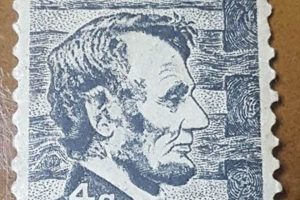
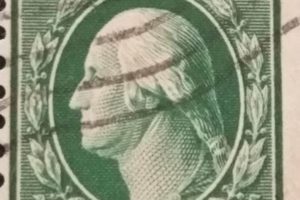
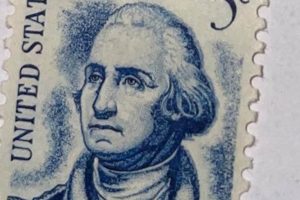
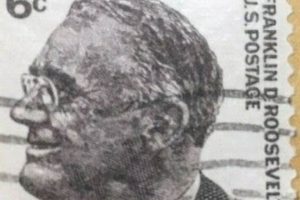
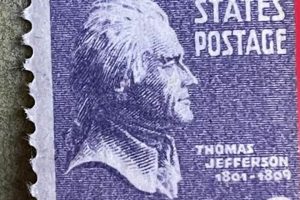
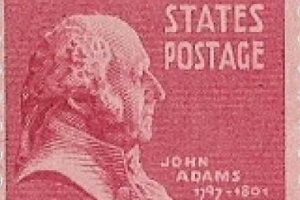
The value of a one-cent postage stamp depends significantly on its age, condition, and any unique characteristics. A stamp used for postage is generally worth its face value. However, a one-cent stamp issued decades or even centuries ago, especially if unused and in pristine condition, can hold substantial value for collectors. Specific examples include the 1851 one-cent Franklin stamp, considered the first general issue U.S. postage stamp, or various one-cent stamps featuring Benjamin Franklin, George Washington, or historical events.
Determining the worth of older stamps involves considering factors such as rarity, print quality, centering within the perforated edges, gum condition (if unused), and potential historical significance. These factors contribute to the potential investment value of these seemingly small pieces of history. Philately, the study and collection of stamps, provides a framework for understanding and appreciating these nuances. The existence and value of these stamps offer insights into past communication practices, printing technologies, and historical narratives.
This discussion will further explore key aspects of philately relevant to the valuation of early U.S. postage, including identifying valuable stamps, understanding grading systems, and exploring reputable resources for stamp appraisal and the current philatelic market.
Tips for Determining the Value of a One-Cent Stamp
Accurately assessing the value of a one-cent stamp requires careful consideration of several factors. The following tips provide guidance for this process.
Tip 1: Identify the Stamp’s Issue Date. Older stamps generally hold greater potential value. Resources like stamp catalogs and online databases can assist in determining the issue date based on design and other characteristics.
Tip 2: Assess the Stamp’s Condition. Condition is paramount. Examine the stamp for any flaws, such as tears, creases, thin spots, or fading. Unused stamps with original gum are typically more valuable than used ones.
Tip 3: Evaluate the Centering. The placement of the stamp’s design within the perforated edges significantly affects its value. Well-centered stamps are generally more desirable.
Tip 4: Consult a Specialized Catalog. Reputable stamp catalogs, such as the Scott Specialized Catalogue of United States Stamps and Covers, provide detailed information on stamp values based on condition and other factors.
Tip 5: Seek Expert Opinions. Professional stamp appraisers or experienced philatelists can offer valuable insights and appraisals, particularly for rare or potentially valuable stamps.
Tip 6: Research Online Marketplaces. Online auction platforms and stamp dealer websites can provide current market data on similar stamps, offering insights into potential selling prices.
Tip 7: Consider Professional Grading. For potentially high-value stamps, professional grading services can provide an objective assessment of condition and authenticity, enhancing their marketability.
By considering these factors, one can gain a more accurate understanding of a one-cent stamp’s potential worth, allowing for informed decisions regarding collecting, selling, or insuring these historical artifacts.
This detailed examination of valuation techniques provides a foundation for further exploration of specific stamp varieties and their historical context within the broader field of philately.
1. Rarity

Rarity plays a crucial role in determining a stamp’s value. Scarcity drives demand within the philatelic market, significantly impacting potential worth. This section explores the facets of rarity and their implications for stamp valuation.
- Printing Errors and Variations
Misprints, inverted colors, or other unintentional deviations during the printing process create rare varieties. The “Inverted Jenny” (a 1918 24-cent airmail stamp with an upside-down airplane) exemplifies this, fetching high prices due to its scarcity. Such errors transform ordinary stamps into valuable collectibles.
- Limited Print Runs and Special Editions
Stamps issued for specific events, commemorations, or in limited quantities become inherently rare. Examples include stamps issued for short-lived colonies or those withdrawn shortly after release. Low survival rates further contribute to rarity and desirability among collectors.
- Postally Used vs. Unused Stamps
Unused stamps, especially those in pristine condition with original gum, are generally rarer than postally used examples. The act of using a stamp diminishes its availability in the market, increasing the relative value of unused counterparts, particularly for older issues.
- Historical Significance and Context
Stamps associated with significant historical events or featuring prominent figures can become rare and sought after. Examples include stamps issued during wartime or depicting historical figures. This historical context adds a premium to their value.
These factors contribute to a complex interplay of supply and demand, ultimately influencing the price collectors are willing to pay. Understanding rarity is therefore essential for accurate valuation, particularly for one-cent stamps where seemingly minor variations can significantly impact worth.
2. Condition

Condition significantly impacts a one-cent stamp’s value. A stamp’s physical state, including centering, color vibrancy, and the absence of damage, directly correlates with its desirability and market price. A pristine, well-centered one-cent stamp from 1857, for instance, commands a considerably higher price than a faded, off-center example of the same issue. Conversely, even a rare one-cent stamp, if severely damaged, might hold minimal value. Several specific aspects of condition warrant careful evaluation:
- Centering: A well-centered stamp, with the design positioned equally within the perforated margins, is highly desirable. Off-center examples, where the design is skewed or cropped, are generally less valuable.
- Color and Fading: Vibrant, original color enhances a stamp’s appeal. Fading, often due to light exposure, diminishes value. Maintaining original color requires proper storage away from direct sunlight and humidity.
- Tears, Creases, and Thin Spots: Physical damage, such as tears, creases, or thin spots (areas where the paper has thinned due to handling or other factors), significantly detracts from a stamp’s value. Even minor imperfections can impact price.
- Gum Condition (for Unused Stamps): For unused stamps, the presence and condition of the original gum (adhesive) are crucial. Undisturbed, original gum adds value. Hinged stamps (those previously mounted in albums using hinges) are generally less desirable than never-hinged examples.
- Perforations: Clean, well-defined perforations (the small holes separating stamps) are preferred. Imperfect or damaged perforations diminish value, particularly for stamps with intricate or unusual perforation patterns.
The cumulative effect of these condition factors dictates a stamp’s grade, which directly influences its market worth. Understanding these nuances allows collectors and investors to assess value accurately. Overlooking seemingly minor flaws can lead to significant misjudgments in pricing.
Therefore, careful condition assessment is paramount in determining a one-cent stamp’s value. This detailed analysis of condition provides a critical framework for understanding market pricing within the broader context of philately. It emphasizes the importance of preserving stamp condition for maintaining and potentially enhancing value over time.
3. Issue Date
The issue date of a one-cent stamp holds significant weight in determining its value. It provides a crucial historical anchor, connecting the stamp to a specific period and influencing its rarity and collectibility. Understanding the relationship between issue date and value requires examining various historical periods and their associated philatelic trends.
- Pre-1900 Issues
One-cent stamps issued before 1900 are generally more valuable due to their age and scarcity. Examples include the 1851 one-cent Franklin, the first general-issue U.S. postage stamp, and various subsequent issues featuring historical figures or events. Their age and historical context contribute significantly to their value.
- Early 20th Century Issues
Stamps from the early 20th century offer a range of values depending on specific designs, print runs, and historical context. Examples include the 1902 one-cent Pan-American Exposition issue and various one-cent stamps featuring presidents or commemorating historical events. Rarity within this period is influenced by factors such as postal usage and surviving quantities.
- Mid-20th Century Issues
One-cent stamps from the mid-20th century, while generally less valuable than earlier issues, can still hold collector interest. Factors like commemorative issues, design variations, and print quality influence their value. Specific examples include stamps issued for war bonds or featuring historical figures, whose value may vary based on condition and demand.
- Modern Era Issues
Contemporary one-cent stamps, while primarily used for postage, might hold future collector value depending on specific print runs, errors, or unique characteristics. However, their abundance generally limits their current market value. Focus often shifts to thematic collecting or identifying unique variations within modern printings.
The issue date, therefore, provides a crucial framework for understanding a one-cent stamp’s potential value. It contextualizes the stamp within philatelic history, linking it to specific printing technologies, design trends, and historical events. This temporal context, combined with an understanding of rarity, condition, and demand, allows for a more comprehensive appraisal of a one-cent stamp’s worth within the wider philatelic market.
4. Historical Context
Historical context significantly influences the value of a one-cent stamp. Specific historical events, social trends, and technological advancements associated with a stamp’s issue date can directly impact its desirability and market price. Understanding this context is essential for accurate valuation.
For example, one-cent stamps issued during periods of war or significant social change often carry a premium. The scarcity of materials, disruptions to postal services, and the historical significance of these periods contribute to increased demand and value. Similarly, stamps commemorating important historical figures or events can become highly sought after by collectors. A one-cent stamp issued to celebrate a major exposition or a presidential inauguration, for instance, can gain value due to its historical association.
Technological advancements in printing and stamp production also play a role. Early one-cent stamps, produced using simpler printing techniques, often exhibit variations and imperfections that enhance their rarity and value. Later advancements, while leading to more standardized production, can also introduce unique characteristics or errors that become desirable to collectors. The introduction of new printing methods or changes in perforation styles can create distinct varieties within an issue, impacting their respective values.
Furthermore, postal history and usage patterns influence a stamp’s historical context and value. Stamps used on mail carried by specific routes, such as Pony Express mail or early airmail, gain value due to their association with these historical modes of communication. Similarly, stamps with unusual cancellations or markings, reflecting specific post office locations or historical events, can become more valuable to collectors interested in postal history.
In conclusion, historical context provides a crucial framework for understanding the value of a one-cent stamp. Analyzing the historical circumstances surrounding a stamp’s issue, including social trends, technological advancements, and postal history, offers valuable insights into its rarity, desirability, and ultimately, its market value. Disregarding this context can lead to inaccurate assessments and missed opportunities within the philatelic market. Appreciating the historical narrative embedded within each stamp enriches the collecting experience and contributes to a more nuanced understanding of their value beyond mere face value.
5. Demand
Demand significantly influences the value of a one-cent stamp. Collector interest drives market prices; higher demand generally translates to increased value, while low demand can depress prices, even for ostensibly rare stamps. Several factors contribute to demand fluctuations within the philatelic market. Specific historical events, anniversaries, or renewed interest in certain historical periods can stimulate demand for stamps associated with those eras. For example, a surge in interest in the American Civil War might increase demand for one-cent stamps issued during that period, potentially driving up their market value. Conversely, waning interest in a particular historical period or thematic area can decrease demand and subsequently lower a stamp’s value.
The condition and rarity of a stamp also impact demand. Collectors naturally gravitate towards well-preserved, rare examples. An 1857 one-cent stamp in pristine condition will likely experience higher demand than a damaged or commonly found example from the same period. This interplay between rarity and condition contributes to the overall desirability and market value of a stamp. Furthermore, market trends and the availability of specific stamps influence demand. A sudden influx of a particular one-cent stamp into the market might temporarily decrease its value due to increased supply. Conversely, the discovery of a previously unknown hoard or a significant auction featuring rare one-cent stamps can generate excitement and increased demand, potentially leading to price increases.
Understanding the dynamics of demand is crucial for collectors and investors. Recognizing the factors that influence demandhistorical context, condition, rarity, and market trendsallows for informed decisions regarding acquisitions and sales. Accurately assessing current demand, coupled with an understanding of a stamp’s intrinsic properties and historical significance, provides a comprehensive framework for determining its market value. Ignoring the role of demand can lead to misjudgments and missed opportunities within the dynamic landscape of philately.
6. Market Trends
Market trends play a crucial role in determining the value of a one-cent stamp. Fluctuations in supply and demand, influenced by collector interest, economic conditions, and broader market forces, directly impact prices. Understanding these trends is essential for accurately assessing a stamp’s current and potential future value.
- Economic Conditions
Economic downturns can decrease demand for collectibles like stamps, leading to price declines. Conversely, periods of economic prosperity may see increased investment in collectibles, potentially driving up prices. The overall economic climate acts as a backdrop against which stamp values fluctuate.
- Changing Collector Demographics
Shifts in collector demographics influence demand for specific types of stamps. An aging collector base might lead to decreased demand for certain areas of philately, while a resurgence of interest among younger generations could create new demand for other areas, impacting prices accordingly. The evolving collector landscape shapes market trends and value fluctuations.
- Auction Results and Market Reports
Monitoring auction results and market reports provides valuable insights into current trends. Significant sales of rare one-cent stamps at auction can establish benchmark prices, influencing valuations across the market. Staying informed about market activity enables collectors and investors to gauge current demand and adjust pricing expectations.
- Online Marketplaces and Dealer Activity
Online marketplaces and dealer activity offer real-time insights into supply and demand. Observing the prices at which one-cent stamps are being offered and sold online provides a snapshot of current market conditions. Tracking these platforms helps identify emerging trends and potential investment opportunities.
These market trends, while independent of a stamp’s inherent qualities like rarity and condition, significantly impact its market value. Collectors and investors must consider these external forces to accurately assess a one-cent stamp’s worth in the current market and anticipate potential future fluctuations. Integrating market analysis with traditional philatelic knowledge provides a comprehensive approach to stamp valuation.
7. Expert Appraisal

Expert appraisal plays a crucial role in accurately determining the value of a one-cent stamp. While factors like rarity, condition, and historical context contribute to a stamp’s potential worth, professional appraisal provides an objective and informed assessment, consolidating these elements into a reliable valuation. Expert appraisers possess specialized knowledge and experience, enabling them to navigate the complexities of the philatelic market and provide credible valuations.
- Specialized Knowledge and Experience
Expert appraisers possess in-depth knowledge of philatelic nuances, including printing variations, error identification, grading standards, and historical context. This specialized expertise allows them to discern subtle details that impact a stamp’s value, which might be overlooked by less experienced individuals. Years of experience examining and evaluating stamps provide appraisers with a nuanced understanding of market trends and pricing patterns.
- Objective Assessment and Authentication
Appraisers offer an objective assessment of a stamp’s condition, rarity, and authenticity. Their impartiality ensures a fair valuation, unbiased by personal interest or market speculation. Authentication services verify a stamp’s genuineness, protecting collectors and investors from potential counterfeits or forgeries. This objective verification is crucial for establishing market confidence and ensuring fair pricing.
- Access to Market Data and Resources
Expert appraisers have access to extensive market data, including auction records, dealer catalogs, and specialized databases. This access allows them to track current market trends, compare similar stamps, and provide up-to-date valuations based on recent sales data. Utilizing these resources ensures accurate and timely appraisals, reflecting current market conditions.
- Grading and Certification Services
Many expert appraisers offer grading and certification services, providing a standardized assessment of a stamp’s condition. Professional grading assigns a numerical grade based on factors like centering, color, and the presence of flaws. Certification provides a documented record of a stamp’s grade and authenticity, enhancing its marketability and providing buyers with confidence in its quality.
Expert appraisal, therefore, provides a crucial service within the philatelic market, offering informed valuations that consider a stamp’s inherent qualities, historical context, and current market conditions. Seeking professional appraisal, particularly for potentially valuable one-cent stamps, ensures accurate valuation, protects against fraud, and facilitates informed buying and selling decisions. It bridges the gap between a stamp’s intrinsic characteristics and its market worth, providing a reliable basis for transactions within the complex world of philately. This expertise contributes significantly to a stable and transparent market, benefiting both collectors and investors.
Frequently Asked Questions
This section addresses common inquiries regarding the valuation of one-cent stamps, providing concise and informative answers.
Question 1: How can one determine the issue date of a one-cent stamp?
Specialized stamp catalogs, online databases, and expert philatelists can assist in identifying a stamp’s issue date based on its design, perforation patterns, and other distinguishing characteristics.
Question 2: Does a postmark devalue a one-cent stamp?
A clear, well-positioned postmark generally does not significantly detract from a stamp’s value and can, in some cases, enhance its historical context. However, a messy or excessively heavy postmark might negatively impact value, especially for unused or mint condition stamps.
Question 3: Where can one find reputable stamp appraisers?
Reputable stamp appraisers can be found through professional philatelic organizations, such as the American Philatelic Society or the American Stamp Dealers Association. Online directories and local stamp clubs can also provide referrals to qualified appraisers.
Question 4: Are all old one-cent stamps valuable?
Not all old one-cent stamps are inherently valuable. Rarity, condition, and demand significantly influence value. Commonly issued one-cent stamps, even if old, might hold minimal monetary value. Rarity and pristine condition are key factors contributing to higher valuations.
Question 5: How should one store one-cent stamps to preserve their condition?
Stamps should be stored in acid-free albums or archival-quality mounts, away from direct sunlight, humidity, and temperature fluctuations. Proper storage preserves color, gum condition, and overall integrity, safeguarding their potential value.
Question 6: What is the best way to sell valuable one-cent stamps?
Options for selling valuable stamps include contacting reputable stamp dealers, consigning through philatelic auction houses, or utilizing online marketplaces specializing in stamp sales. Each avenue offers distinct advantages and considerations regarding fees, marketing reach, and potential buyer demographics.
Careful consideration of these points provides a foundational understanding of one-cent stamp valuation. Further research and consultation with experts are recommended for in-depth appraisal and market analysis.
This FAQ section provides a basis for navigating the intricacies of one-cent stamp valuation. The subsequent section will offer a glossary of key philatelic terms, furthering one’s understanding of this specialized field.
Conclusion
The value of a one-cent stamp extends beyond its face value, encompassing a complex interplay of factors. Rarity, driven by limited print runs, errors, and historical context, significantly influences market worth. Condition, encompassing centering, color vibrancy, and the absence of damage, plays a crucial role. Issue date provides a historical anchor, connecting a stamp to specific events and technological advancements. Market trends, influenced by collector demand and economic conditions, further shape valuation. Ultimately, expert appraisal provides a crucial objective assessment, consolidating these diverse elements into a reliable determination of worth.
Understanding these interconnected factors empowers informed decisions within the philatelic market. Careful consideration of rarity, condition, historical context, and market trends allows collectors and investors to navigate the nuances of stamp valuation. Engaging with expert appraisers provides access to specialized knowledge and objective assessments. The seemingly simple question of a one-cent stamp’s worth opens a gateway to a deeper appreciation of history, printing technology, and the enduring allure of philately. Further exploration and continuous learning within this dynamic field promise rich rewards for those captivated by these small windows into the past.