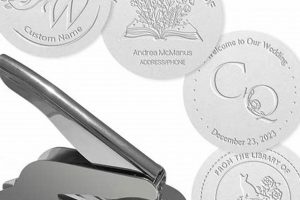
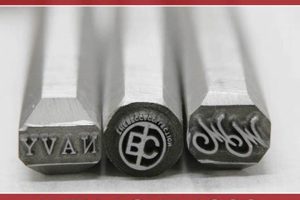
A personalized bookplate, often a small adhesive label or stamp, serves as a mark of ownership. It typically features a name, sometimes accompanied by a motto, a small illustration, or a family crest. This practice allows book owners to identify their volumes easily, especially within shared collections or libraries. For example, a book lover might commission a plate with their name and an image of a bookshelf or their favorite literary character.
These personalized markers offer a tangible connection to one’s books, signifying not just ownership, but also an appreciation for literature and the act of collecting. Historically, bookplates were meticulously crafted works of art, often engraved or printed using intricate designs. They served as status symbols and demonstrated a collector’s cultivated taste. While the methods of creation have evolved, the underlying sentiment remains: a personal touch added to cherished volumes. This tradition continues to flourish, reflecting the enduring importance of personal libraries.
This article further explores the elements of design, the process of creation, and the diverse options available for those wishing to commission their own unique book identifier. It will also delve into the history and cultural significance of these marks of bibliophilia.
Tips for Designing a Personalized Bookplate
Careful consideration of several factors will ensure a bookplate reflects the owner’s personality and complements the books it will adorn. These tips offer guidance on creating a distinctive and meaningful design.
Tip 1: Reflect Personal Interests: The imagery should resonate with the owner’s passions. A musician might incorporate an instrument, while a nature enthusiast might choose a floral motif or a favorite animal.
Tip 2: Consider Typography: Font selection significantly impacts the overall aesthetic. A classic serif font conveys a traditional feel, while a modern sans-serif font offers a cleaner, contemporary look. Legibility remains paramount.
Tip 3: Explore Different Styles: Options range from simple typographic designs to elaborate illustrations. Research various artistic styles, such as Art Deco, Art Nouveau, or minimalist, to find inspiration.
Tip 4: Balance Elements: Achieving visual harmony is crucial. Strive for a balanced composition that avoids overcrowding. Whitespace plays a vital role in enhancing the overall design.
Tip 5: Choose Appropriate Size: The dimensions should suit the size of the books. Smaller plates are ideal for pocket editions, while larger volumes can accommodate more substantial designs.
Tip 6: Select Quality Materials: Opt for durable, acid-free paper and archival-quality ink to ensure the plate withstands the test of time and does not damage the books.
Tip 7: Commission a Professional: If artistic skills are limited, consider engaging a graphic designer or artist specializing in bookplate design to create a truly unique and personalized piece.
By considering these guidelines, one can create a bookplate that adds a touch of elegance and personal significance to a treasured collection.
The following section offers further insights into commissioning a bespoke bookplate and explores the rich history of this enduring tradition.
1. Personalized Design

Personalized design forms the core of a custom ex libris stamp, transforming a simple mark of ownership into a reflection of individual identity. This personalization manifests in various ways, from incorporating monograms and initials to featuring intricate illustrations representing hobbies, professions, or literary preferences. A biologist, for example, might choose a stylized DNA strand or a favorite species of flora or fauna for their stamp, while a literature enthusiast might opt for a quill and inkwell or an open book. This personal touch elevates the stamp beyond mere utility, imbuing it with symbolic meaning and creating a tangible link between the book and its owner.
The significance of personalized design extends beyond aesthetics. It reflects the owner’s curated collection and personal connection to literature. A carefully chosen design speaks volumes about the individual’s intellectual pursuits and passions. A professor of history might choose a classical motif, while a graphic novel enthusiast might prefer a more contemporary, illustrative style. This personal expression adds value and distinction to each volume within a collection. Moreover, it provides a sense of continuity and connection, particularly within families where books are passed down through generations, each owner adding their unique mark.
In conclusion, personalized design is not merely an aesthetic embellishment but an integral component of the custom ex libris stamp. It bridges the gap between function and personal expression, transforming a practical tool into a miniature work of art that speaks to the individual’s passions and literary identity. This understanding is crucial for anyone seeking to commission a stamp that truly reflects their unique connection to the world of books.
2. Ownership Identification

Book ownership, a sometimes overlooked aspect of bibliophilia, gains tangible expression through personalized identification. Custom ex libris stamps serve this purpose effectively, marking volumes with a clear indicator of belonging. This practice transcends mere possession; it signifies a personal connection to the books themselves and to the broader world of literature. The following facets explore the nuances of ownership identification in the context of these personalized stamps.
- Clear Marking and Deterrence:
A prominent stamp serves as an immediate and unambiguous declaration of ownership. This clear marking acts as a deterrent against accidental misplacement or unintended borrowing, facilitating the return of books to their rightful owner. A library within a shared household, for example, benefits significantly from this clear demarcation, minimizing confusion and ensuring each volume finds its way back to the correct shelf. Furthermore, the unique nature of a custom stamp discourages theft, as the mark makes the book easily identifiable as belonging to a specific individual.
- Legacy and Provenance:
Beyond immediate practicality, ex libris stamps contribute to a book’s provenance, providing insights into its history and previous owners. A volume passed down through generations, each owner marking it with their unique stamp, acquires a rich narrative of ownership. This historical record enhances the book’s value, both sentimental and potentially monetary. A rare first edition, for example, bearing the stamps of notable collectors, gains added significance and historical context.
- Personalized Expression:
The design of the stamp itself becomes a form of self-expression. The chosen imagery, typography, and overall style reflect the owner’s personality, interests, and connection to the book’s content. An ornithologist, for instance, might choose a bird motif, while a philosopher might select a symbolic representation of their school of thought. This personalized touch elevates the stamp beyond a mere identifier, transforming it into a miniature work of art that speaks to the owner’s identity.
- Community and Connection:
Ex libris stamps subtly connect individuals within the broader community of book lovers. Recognizing a specific design or motif can spark conversations and foster connections based on shared literary interests. A rare book fair, for example, might see collectors identifying each other through their unique bookplates, leading to discussions about their shared passion. This subtle form of communication strengthens the bonds within the book collecting community.
These facets demonstrate the multifaceted role of ownership identification through custom ex libris stamps. They move beyond simple practicality, encompassing elements of personal expression, historical record, and community connection. This nuanced understanding reinforces the value of these stamps, transforming them from mere markers of possession into symbols of a deeper engagement with the world of books and the enduring power of literature.
3. Stamp Functionality
Stamp functionality represents a critical aspect of custom ex libris stamps, directly impacting their practicality and effectiveness as ownership identifiers. Several factors contribute to optimal functionality. A well-crafted stamp delivers a clear, legible impression, ensuring the owner’s name and chosen design are easily discernible. This clarity necessitates careful consideration of font size, intricacy of the design, and the stamp’s overall dimensions. An overly elaborate design, for example, might lose detail in the stamping process, rendering the impression unclear. Similarly, a font size too small might become illegible, defeating the stamp’s primary purpose. The quality of the stamping mechanism also plays a crucial role. A smooth, consistent operation ensures even ink distribution and a crisp impression, while a faulty mechanism can lead to smudging, blurring, or incomplete impressions. These technical considerations directly influence the stamp’s long-term usability and the preservation of its aesthetic appeal.
The choice of ink further influences functionality. Archival quality ink, specifically formulated to resist fading and bleeding, ensures the mark remains legible over time and does not damage the book’s pages. This consideration safeguards the book’s integrity and preserves the stamp’s clarity for future generations. Conversely, using non-archival ink can lead to discoloration, fading, and potential damage to the book, compromising both its aesthetic value and historical record. Furthermore, the size and shape of the stamp itself should complement its intended use. A smaller stamp suits pocket editions or books with limited space on the endpapers, while larger volumes can accommodate more substantial designs. A stamp too large for the available space might result in an awkward or incomplete impression, detracting from the book’s overall appearance.
In conclusion, stamp functionality is not merely a technical detail but an integral element influencing the effectiveness and longevity of a custom ex libris stamp. Careful consideration of design, materials, and mechanics ensures the stamp serves its purpose as a clear, enduring mark of ownership, preserving the book’s integrity while adding a touch of personal expression. Overlooking these practical aspects can compromise the stamp’s utility and aesthetic appeal, diminishing its value as both a functional tool and a personalized embellishment.
4. Archival Quality Materials
Archival quality materials are essential for creating enduring custom ex libris stamps. These materials, specifically inks and paper, safeguard both the stamp’s functionality and the book’s integrity. Archival ink, formulated to resist fading and chemical breakdown, ensures the imprinted design remains legible over extended periods. This permanence prevents the mark of ownership from becoming obscured or lost over time, preserving the connection between the book and its owner for future generations. Acid-free paper, chosen for its chemical stability, further protects the book. Unlike acidic paper, which can yellow and become brittle over time, acid-free paper resists deterioration, ensuring the book’s pages remain intact and undamaged by the stamp. A custom ex libris stamp created with archival ink on acid-free paper, applied to the endpaper of a treasured first edition, demonstrates the practical application of these principles, ensuring the book and its mark of ownership endure for years to come.
The choice of archival quality materials extends beyond mere preservation. It signifies a respect for the book as a physical object and an appreciation for its potential historical value. Using subpar materials risks damaging the book, potentially diminishing its aesthetic and monetary value. A vintage book, marked with a faded or deteriorated stamp, loses a degree of its historical significance. Conversely, a crisp, clear impression, made with archival ink on acid-free paper, enhances the book’s value, signaling thoughtful ownership and a commitment to preservation. Collectors, libraries, and individuals invested in building lasting collections understand the importance of this material selection, recognizing its impact on the long-term preservation of both the books and their associated provenance.
In conclusion, the use of archival quality materials in custom ex libris stamps represents a crucial intersection of practicality and preservation. These materials ensure the longevity of the stamp’s impression while safeguarding the integrity of the book itself. This understanding reinforces the importance of material selection, emphasizing its impact on the long-term preservation of books and the enduring legacy of book ownership. Choosing archival materials demonstrates not just a commitment to quality but also a respect for the books themselves and their potential historical significance within personal and institutional collections.
5. Reflecting Personal Style

A custom ex libris stamp offers a unique opportunity for self-expression, transforming a functional ownership marker into a personalized statement. The stamp’s design becomes a microcosm of the owner’s identity, reflecting individual aesthetics, interests, and values. This personalization imbues each marked volume with a distinct character, transforming a library into a curated reflection of its owner’s personality. The following facets explore the nuanced ways a custom ex libris stamp can serve as a powerful tool for self-expression.
- Visual Identity:
Visual elements, such as typography, imagery, and overall design aesthetic, communicate a distinct visual identity. A preference for minimalist design, for example, might manifest in a clean, typographic stamp, while a love of Art Nouveau could inspire a more ornate and elaborate design. A musician might incorporate musical notes or an instrument, while a nature enthusiast might choose botanical illustrations. These visual cues offer subtle insights into the owner’s personality and passions.
- Intellectual Pursuits:
The chosen imagery can reflect intellectual pursuits and areas of professional expertise. A historian, for instance, might incorporate a historical figure or artifact, while a scientist might opt for a scientific symbol or diagram. This personalization connects the stamp not only to the owner’s identity but also to the types of books likely found within their collection, providing a visual clue to their intellectual interests. A collection of philosophy texts marked with a stamp depicting Plato’s Academy, for example, immediately signals the owner’s philosophical leanings.
- Personal Mottos and Quotes:
Incorporating a personal motto or a favorite quote adds another layer of personalization. This textual element provides a glimpse into the owner’s values, beliefs, or guiding principles. A quote from a beloved author, for instance, might reflect a deep appreciation for literature, while a family motto can signify a connection to heritage and tradition. This textual element adds depth and meaning to the stamp, transforming it from a visual marker into a personal statement.
- Evolution and Adaptation:
The ability to commission multiple custom stamps allows for stylistic evolution and adaptation over time. As interests and tastes change, so too can the design of the ex libris stamp. This adaptability ensures the stamp remains a relevant and accurate reflection of the owner’s evolving identity. An individual might start with a simple, minimalist design and later commission a more elaborate stamp reflecting newfound artistic interests or a significant life event. This flexibility allows the custom stamp to remain a dynamic tool for self-expression throughout a lifetime of book collecting.
In conclusion, the ability of a custom ex libris stamp to reflect personal style transforms it from a mere ownership marker into a powerful form of self-expression. This personalization enhances the book-owning experience, imbuing each volume with a unique character that resonates with the owner’s identity. The stamp becomes a miniature work of art, a tangible symbol of the individual’s connection to the world of books and their unique place within it. This nuanced understanding elevates the custom ex libris stamp beyond its functional role, transforming it into a personal statement that enriches the experience of book collecting and celebrates the enduring power of individual expression.
Frequently Asked Questions
This section addresses common inquiries regarding custom ex libris stamps, providing clarity on practical aspects and design considerations.
Question 1: What are the typical material options for custom stamps?
Custom stamp bodies are typically made from wood, acrylic, or metal. The choice often depends on personal preference and desired aesthetic. Wood offers a traditional feel, acrylic provides a modern, transparent look, and metal ensures durability.
Question 2: How does one ensure the longevity of a custom stamp impression?
Longevity depends primarily on ink selection. Archival quality inks, specifically formulated to be fade-resistant and chemically stable, are crucial for enduring impressions. These inks prevent discoloration and degradation over time, preserving the clarity of the stamp for years to come.
Question 3: Can custom stamps accommodate complex designs?
Modern stamp-making techniques can accommodate a wide range of design complexities, from simple text to intricate illustrations. However, extremely fine details might require specialized techniques and may not reproduce clearly with all stamp types. Consulting with a stamp maker is advisable for complex designs.
Question 4: What are the standard sizes available for custom stamps?
Custom stamps are available in various sizes, typically ranging from small, pocket-sized stamps to larger formats suitable for larger books or special applications. The appropriate size depends on the available space within the book and the desired visual impact of the stamp.
Question 5: What is the difference between a self-inking stamp and a traditional stamp?
Self-inking stamps contain an internal ink reservoir, automatically re-inking the stamp after each impression. Traditional stamps require a separate ink pad. Self-inking stamps offer convenience, while traditional stamps often allow for more intricate designs and specialized ink types.
Question 6: How should a custom stamp be cared for and maintained?
Proper care ensures optimal functionality and longevity. Regular cleaning of the stamp surface removes ink residue and prevents clogging. Storing the stamp in a cool, dry place away from direct sunlight helps preserve the ink and the stamp material. For self-inking stamps, periodic ink refill is necessary to maintain consistent impressions.
Careful consideration of these frequently asked questions helps ensure informed decisions when commissioning a custom ex libris stamp, leading to a personalized mark of ownership that reflects individual style while fulfilling its practical function.
The following section explores various design inspirations for creating a unique and personalized bookplate.
Custom Ex Libris Stamps
This exploration of custom ex libris stamps has delved into their multifaceted nature, encompassing practical functionality, personalized design, historical significance, and enduring appeal. From archival material considerations ensuring longevity to the nuanced ways these stamps reflect personal style, the discussion has highlighted the key elements that contribute to their enduring popularity among book collectors and bibliophiles. The examination of stamp functionality underscored the importance of clear impressions, durable materials, and appropriate sizing. Moreover, the exploration of personalized design emphasized the potential for self-expression, transforming a simple ownership marker into a miniature work of art that reflects individual passions and intellectual pursuits.
Custom ex libris stamps represent more than mere ownership identifiers; they symbolize a deep appreciation for books and the enduring power of personal connection to literature. They serve as a tangible link between the owner and their curated collection, offering a glimpse into individual tastes and intellectual pursuits. As physical books continue to hold a cherished place in the digital age, custom stamps offer a timeless way to personalize and preserve these treasured volumes, ensuring the legacy of book ownership endures for generations to come. The creation and application of a custom stamp signify a commitment to the preservation and celebration of literary culture, marking each volume as a cherished piece of a personal narrative.