



The Baden 9 Kreuzer error is one of philately’s most famous accidents—and one of the easiest stamps to misidentify. Its modest design hides an extraordinary distinction: a 9-kreuzer denomination was printed on the wrong color of paper. Because genuine examples are exceptionally rare, an apparent discovery deserves excitement, but not an immediate valuation. Learning how to spot a fake Baden 9 Kreuzer error starts with the paper, continues through the printing and cancellation, and ends with independent expert authentication.
This guide explains the original error, the warning signs of reproductions and altered stamps, and the practical steps to take if you think you have found one. It also separates useful visual clues from features that only a specialist can reliably assess.
What Is the Baden 9 Kreuzer Error?
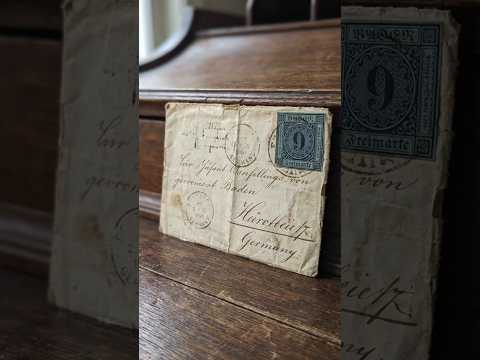
The Baden 9 Kreuzer error is an 1851 stamp of the Grand Duchy of Baden, a German state that issued its own postage stamps before German unification. The error occurred when the 9-kreuzer design, normally printed on pink paper, was printed on blue-green paper intended for the 6-kreuzer value.
The defining feature is the combination of a genuine 9-kreuzer impression and genuine blue-green paper from the original printing. A blue-green-looking stamp with a large numeral 9 is not automatically the error: it could be a reproduction, a recolored ordinary stamp, an altered denomination, or an unrelated issue.
Only four examples are widely recorded: one unused stamp and three used examples on covers. That tiny known population makes a newly discovered example possible in theory, but statistically far less likely than a misidentification or imitation.
Why the Wrong Paper Matters
Baden’s first stamps used large central numerals to identify their values. The denomination appears within an ornate rectangular design, with inscriptions including “BADEN” and “FREIMARKE.” Collectors often describe the error as a color error, but the crucial mistake was the use of the wrong colored paper, not simply the wrong ink.
That distinction is important when checking a suspected fake. Surface color can be changed, and old paper can fade or acquire stains. An expert considers whether the color belongs to the paper itself, whether it is consistent throughout the material, and whether the stamp’s printing and physical characteristics match authentic first-issue Baden stamps.
| Feature | Ordinary 9 Kreuzer | 9 Kreuzer error |
| Issue | 1851 Baden first issue | 1851 Baden first issue |
| Denomination | 9 Kreuzer | 9 Kreuzer |
| Paper color | Pink | Blue-green, intended for the 6-kreuzer value |
| Rarity | Scarce compared with modern stamps | Among the great rarities of German philately |
| Authentication | Specialist review is advisable for valuable examples | Independent specialist authentication is essential |
Color descriptions vary between catalogues, photographs, and lighting conditions. Do not reject or authenticate a stamp solely because its apparent shade differs from an image on a screen.
How to Spot a Fake Baden 9 Kreuzer Error

Use this checklist as an initial screening tool, not as a substitute for an expert certificate. A credible candidate must satisfy several independent tests, not just look approximately right.
- Confirm the denomination. The large central numeral must be a 9. Check the surrounding design carefully for evidence that a different value has been altered.
- Identify the issue. Compare the lettering, frame, ornaments, and overall layout with reliable illustrations of Baden’s 1851 first issue.
- Examine the paper color. Look for convincing blue-green paper rather than a surface coating, uneven dye, or color that appears only in a digital photograph.
- Inspect the printing. Use moderate magnification to compare line quality and fine details with authenticated examples, while allowing for differences in inking and wear.
- Review the cancellation or gum. Used and unused stamps require different checks; neither a plausible cancel nor apparent old gum proves authenticity.
- Investigate provenance. Ask how the stamp entered the collection and whether certificates, auction descriptions, or earlier ownership records accompany it.
- Consult a specialist. Have the physical item examined by an expert in Baden or German States stamps before making a purchase or public claim.
Start with the Numeral and Design
A fake may begin as a genuine lower-value Baden stamp whose central numeral has been changed. Under magnification, look for scratches, disturbed paper fibers, unusually dark strokes, inconsistent ink, or a numeral that appears to sit differently from the surrounding printed design. A printed imitation may show blurred ornament, broken lettering, or patterns that differ from those on genuine stamps.
These clues are not conclusive. Early printing was not perfectly uniform, and damage can resemble tampering. Compare a suspected example with high-resolution images from reputable auction archives or specialist publications, preferably showing the same issue and denomination.
Examine the Paper Without Damaging It
View the stamp in neutral, indirect light against a plain background. If it is safely mounted, avoid removing it merely to inspect the reverse. Uneven coloration, dye concentrated around the edges, or a suspiciously pink area beneath a blue-green surface may justify concern, but visual inspection alone cannot establish how the paper acquired its color.
Do not wash, soak, scrape, apply chemicals to, or expose the stamp to intense light. Such tests can damage the paper, disturb evidence, and reduce both research and market value. Leave instrumental or other specialized testing to a qualified professional.
Look Closely at the Cancellation
For a used example, examine whether the cancellation is consistent with the period and whether it appears naturally integrated with the stamp and, if present, the cover. A forged postmark can be added to make a reproduction look postally used. Conversely, a genuine-looking cancel does not prove that the stamp beneath it is genuine.
On a cover, specialists assess the entire object: postal markings, address, route, paper, adhesive placement, and whether the stamp appears to have originated on that cover. A genuine old envelope with a stamp added later is not the same as a genuine postal use.
Common Baden 9 Kreuzer Fakes and Misidentifications
Not every false identification is deliberate. Many arise because early German States stamps share unfamiliar layouts, and online images can distort color. Still, high potential value creates an incentive for sophisticated alterations.
- Modern reproductions: Souvenir or reference copies may imitate the design but use later paper or printing methods.
- Recolored stamps: An ordinary pink 9-kreuzer stamp may be chemically or otherwise altered to suggest blue-green paper.
- Changed denominations: A genuine stamp on blue-green paper may have its numeral altered to resemble a 9.
- Forged cancellations: A cancellation may be added to a fake or manipulated stamp to suggest genuine postal use.
- Composite covers: A stamp may be placed on an old letter to create a more persuasive apparent rarity.
- Mislabeled listings: Sellers may confuse a Baden stamp, a facsimile, or another German States issue with the celebrated error.
Be especially cautious of claims such as “guaranteed genuine because it came from an old album.” An old collection can contain reprints, copies, and earlier mistakes. Age of ownership is useful context, not proof of authenticity.
What Makes an Expert Certificate Important?
Expertization brings together evidence that a collector usually cannot assess from a listing photograph. Depending on the item, a specialist may examine paper, printing, design details, cancellation, condition, repairs, and provenance. The resulting opinion should identify the object examined and state its conclusions clearly.
For a stamp of this importance, seek a recognized expert with specific experience in Baden or German States philately. An established auction house or specialist society may help identify an appropriate expertizing service. Ask about fees, insurance, shipping procedures, and whether the examination is independent of any proposed sale.
How to Evaluate an Existing Certificate
Check that the certificate’s photograph and description match the actual stamp, including its margins, marks, defects, and cancellation. Confirm the issuer’s identity and, where possible, verify the certificate directly. An unrelated, altered, outdated, or vague document should not be treated as definitive. Even a legitimate earlier opinion may warrant review if new evidence or improved examination methods become available.
Provenance, Recorded Examples, and Auction Research
Because the known Baden 9 Kreuzer errors are individually famous, provenance is especially valuable. Auction catalogues and philatelic literature can show where an example appeared, how it was described, and which expert opinions accompanied it. Distinctive features such as margins, postmarks, and cover markings may help connect an item to a documented history.
However, a story linking a stamp to a famous collection is not enough. Compare documents and images, and ask a specialist to assess whether the claimed chain of ownership is credible. An apparent match to a recorded example could also mean that an online image has been copied into a fraudulent listing.
Past auction prices demonstrate the importance of the rarity, but they are not a price guide for an unverified stamp. Condition, whether the stamp is unused or on cover, provenance, certification, and the circumstances of sale all affect value. A genuine example could be worth an exceptional sum; a convincing-looking reproduction may have only modest collectible value.
What to Do If You Think You Have Found One
- Handle it as little as possible. Keep it in its existing mount or on its cover. Do not trim, clean, or attempt repairs.
- Document the discovery. Photograph the front and any accessible reverse in natural-looking light. Record the collection’s history and retain accompanying notes.
- Secure the item. Store it flat in a stable, dry environment, away from direct sunlight and unnecessary handling.
- Request a preliminary opinion. Send clear images to a reputable Baden specialist, recognizing that an image-based response is not final authentication.
- Arrange formal examination. Discuss insured transport and expertization before sending the original anywhere.
- Consider a sale only after verification. If the item proves significant, obtain independent advice on auction terms, insurance, and any applicable ownership or tax questions.
If you are buying rather than inheriting, reverse the process: verify first, pay only under agreed protections, and be wary of pressure to act before an expert can examine the stamp.
Conclusion
Spotting a fake Baden 9 Kreuzer error is not a matter of finding a blue-green stamp with a 9 on it. The paper, design, printing, cancellation, condition, and ownership history must work together—and the strongest conclusion comes from an independent specialist examining the original. Treat an unexpected find carefully, preserve every piece of evidence, and let authentication guide the next step.
Frequently Asked Questions
How can I tell if my Baden 9 Kreuzer error is genuine?
First confirm that it matches the 1851 Baden 9-kreuzer design and appears to be on blue-green paper. Then seek an independent opinion from a Baden or German States specialist. Color and appearance alone cannot establish authenticity.
How many genuine Baden 9 Kreuzer error stamps are known?
Four examples are widely recorded: one unused example and three used examples on covers. Claims of another should be supported by thorough examination and documentation.
Was the Baden 9 Kreuzer error printed in the wrong ink?
The error is principally a wrong-paper error. The 9-kreuzer design was printed on blue-green paper intended for the 6-kreuzer value, rather than the pink paper normally used for the 9-kreuzer stamp.
Can a photograph prove that a Baden 9 Kreuzer stamp is authentic?
No. Good photographs can help a specialist identify obvious concerns and decide whether further examination is worthwhile, but lighting, image processing, and limited detail make a conclusive assessment unreliable.
Should I remove a suspected Baden error from an old envelope?
No. Leave it in place. The cover and its postal markings may be important evidence of genuine use and provenance, and removal can cause irreversible damage.
