The study and collection of postage stamps, postal history, and related items is known as philately. A philatelist might examine a stamp’s design, printing method, or usage on historical correspondence to understand its significance. For instance, analyzing a stamp commemorating a historical event can provide insights into the event’s perceived importance at the time.
Philately offers valuable benefits beyond simply accumulating stamps. It fosters historical understanding, geographical awareness, and artistic appreciation. Examining stamps provides a unique window into the past, revealing cultural trends, political landscapes, and technological advancements of different eras. Moreover, the meticulous cataloging and preservation inherent in philately promote organizational skills and attention to detail. This pursuit has a rich history, evolving from a curiosity in the early days of postal systems to a respected field of study.
This nuanced understanding of philately lays the groundwork for exploring specific aspects of the field, such as thematic collecting, postal history research, and the intricacies of stamp production and design. These topics will be examined in detail throughout this article.
Tips in Philately
Successfully navigating the world of philately requires careful consideration of several key aspects. The following tips offer guidance for both beginning and experienced collectors.
Tip 1: Focus on a Specific Area: The vastness of philately can be overwhelming. Specializing in a particular area, such as a specific country, historical period, or topical theme (e.g., birds, ships), allows for a more focused and rewarding collecting experience.
Tip 2: Research Thoroughly: Understanding the historical context, printing methods, and variations within a chosen collecting area is essential. Specialized catalogs and online resources provide valuable information for identifying and authenticating stamps.
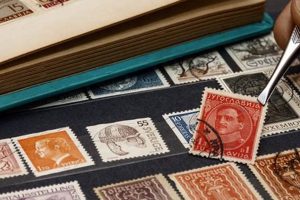
Tip 3: Handle Stamps with Care: Fingerprints and improper storage can damage stamps. Using stamp tongs and acid-free albums and mounts helps preserve their condition and value.
Tip 4: Join a Philatelic Society: Connecting with other collectors provides opportunities for learning, exchanging stamps, and staying informed about new discoveries and market trends.
Tip 5: Attend Stamp Shows and Auctions: These events offer opportunities to expand collections, examine stamps firsthand, and learn from dealers and experts.
Tip 6: Authenticate Valuable Stamps: For rare or potentially valuable stamps, obtaining a certificate of authenticity from a reputable philatelic expertizing service provides assurance of genuineness.
By following these guidelines, collectors can enhance their philatelic pursuits, ensuring a more enriching and rewarding experience. These practices contribute to the preservation of historical artifacts and the growth of philatelic knowledge.
These tips provide a foundation for building a successful and enjoyable philatelic journey. The subsequent sections of this article will delve deeper into specific aspects of stamp collecting, offering further insights for both novice and seasoned collectors.
1. Stamps

Stamps serve as the foundational elements of philately. Their significance extends beyond mere postage; they represent historical artifacts, artistic expressions, and cultural symbols. The study of stamps involves examining their design, printing techniques, paper, and usage. A stamp’s imagery can reflect a nation’s history, commemorate important events, or showcase its natural beauty. Analyzing printing variations, such as watermarks or perforations, allows philatelists to distinguish between different print runs and identify rare or valuable stamps. For instance, the Inverted Jenny error, a 1918 US airmail stamp with an upside-down airplane, became a highly sought-after rarity due to a printing mistake. Understanding these details enhances a stamps historical and monetary value within the broader context of philately.
Furthermore, the condition of a stamp significantly impacts its value. Factors like centering, gum condition (if unused), and the presence of faults or cancellations influence a stamp’s desirability among collectors. A mint stamp, perfectly centered and with original gum, typically holds greater value than a used or damaged example. The study of these nuances allows collectors to assess the quality and authenticity of their acquisitions. Philatelic tools, such as perforation gauges and watermark detectors, assist in these evaluations. The detailed examination required fosters careful observation and analytical skills, enriching the philatelic experience beyond simple accumulation.
In conclusion, stamps form the core of philatelic pursuits. Their study involves a multifaceted approach, encompassing historical context, artistic appreciation, and technical analysis. Understanding these factors provides a deeper appreciation for the intricate world of philately and allows collectors to engage with their collections on a more profound level. This knowledge facilitates informed decision-making in acquiring, preserving, and evaluating stamps, ultimately contributing to the ongoing preservation of these historical artifacts.
2. Postal History

Postal history represents a crucial dimension of philately, providing context and depth to the study of stamps. It explores the development and evolution of postal systems, offering insights into communication methods, historical events, and social structures. Examining postal history enriches the understanding of stamps by placing them within their historical and operational context. This exploration transforms stamps from mere artifacts into tangible evidence of past communication practices.
- Mail Routes and Transportation:
Studying historical mail routes reveals how letters and packages traveled across geographical distances and political boundaries. The modes of transport, ranging from horseback riders to steamships and airplanes, are reflected in postal markings and delivery times. For example, a cover sent from Europe to America in the 19th century might bear markings indicating its journey by sea, offering insights into maritime postal routes of that era. These details illuminate the logistical challenges and historical context of global communication.
- Postal Rates and Regulations:
Changes in postal rates and regulations reflect economic conditions and government policies. Analyzing historical postal rates can provide insights into currency fluctuations, trade patterns, and social priorities. For example, the introduction of pre-paid postage significantly impacted communication practices, making letter writing more accessible and affordable. Understanding these shifts enhances the appreciation of stamps as indicators of broader historical trends.
- Censorship and Propaganda:
During times of conflict or political upheaval, postal systems often played a role in censorship and propaganda dissemination. Examining censored mail and propaganda markings on covers and stamps can provide valuable insights into the political and social climate of specific periods. For example, wartime censorship markings reveal government control over information flow and public opinion. These artifacts offer a glimpse into the complex dynamics of historical events.
- Social and Cultural History:
Postal history reflects broader social and cultural trends. The content of letters, postcards, and other mailed items provides a window into the daily lives, thoughts, and concerns of people in the past. For instance, analyzing correspondence from specific time periods can reveal social customs, literacy rates, and evolving communication styles. These details humanize historical events and provide a deeper understanding of past societies.
By exploring these facets of postal history, philatelists gain a deeper appreciation for the significance of stamps. Postal history contextualizes individual stamps within broader historical narratives, transforming them from static objects into dynamic representations of past communication practices, political landscapes, and social structures. This interdisciplinary approach enriches the philatelic experience and strengthens the connection between stamps and the historical narratives they represent.
3. Covers

Covers represent a crucial link between philately and postal history. A cover, essentially a stamped and addressed envelope or postcard that has passed through the mail, provides tangible evidence of a stamp’s usage within a specific historical context. The significance of covers in philately stems from their ability to illustrate how stamps functioned within the postal system, offering insights into routing, postal rates, and delivery times. A cover postmarked from a specific location on a particular date provides concrete evidence of its journey through the postal network. For instance, a cover bearing an early airmail stamp, postmarked from a remote airfield, offers a glimpse into the pioneering days of airmail service. The cover’s journey, documented through postmarks and backstamps, narrates a specific instance of postal communication, adding historical depth to the stamp itself.
Furthermore, the study of covers contributes significantly to thematic collecting. Thematic collectors focus on specific topics, such as historical events, transportation, or flora and fauna. Covers can enhance thematic collections by providing visual and historical context related to the chosen theme. For example, a collector focusing on the theme of space exploration might seek covers carried on space shuttle missions or bearing stamps commemorating significant space events. These covers offer tangible connections to the history of space travel, enriching the thematic collection beyond simply accumulating stamps. The combination of stamps, postmarks, and addresses on a cover provides a richer, more nuanced understanding of the chosen theme.
In conclusion, covers play a vital role in philately by connecting stamps to their historical and operational context. They serve as primary source material for postal history research and enhance the depth and breadth of thematic collections. The examination of covers fosters a deeper understanding of postal operations, historical events, and social trends. This multifaceted approach strengthens the connection between individual stamps and the broader historical narratives they represent. Challenges in cover collecting include proper preservation, accurate identification, and authentication. However, the historical insights and tangible connections offered by covers make them a rewarding pursuit within the broader field of philately.
4. Postmarks

Postmarks represent a critical component of philately, providing essential context and enhancing the historical value of stamps and covers. A postmark, the official mark applied by a postal service to indicate the date and location of mailing, serves as a verifiable record of an item’s passage through the postal system. This connection between postmarks and philately is fundamental, as postmarks transform a stamp from a simple piece of artwork into a documented historical artifact. The postmark anchors the stamp within a specific time and place, enriching its significance within a collection. For example, a cover bearing a stamp commemorating a historical event, postmarked from the location of the event on the date of its occurrence, gains significant historical value due to the postmark’s validation. The postmark establishes provenance and strengthens the cover’s connection to the historical event.
Furthermore, the study of postmarks provides valuable insights into postal history. Variations in postmark design, type, and color can indicate different periods, postal routes, and even specific post offices. Analyzing these variations allows philatelists to reconstruct historical mail routes and understand the evolution of postal practices. For instance, the use of different colored inks for postmarks might indicate specific mail processing procedures or distinguish between different classes of mail. The study of these nuances contributes significantly to a comprehensive understanding of postal operations and their historical development. Specific types of postmarks, such as “first day of issue” cancellations or commemorative postmarks, further enhance the value and historical relevance of stamps and covers for collectors. These specialized postmarks often mark significant events or anniversaries, adding another layer of meaning to philatelic items.
In conclusion, postmarks are integral to philately. They provide essential context for stamps and covers, anchoring them within specific times and places. The study of postmarks enhances the understanding of postal history, offering insights into routing, processing methods, and historical events. While challenges exist in identifying and interpreting different types of postmarks, the historical insights they provide are essential for serious philatelists. Understanding postmarks allows collectors to engage with their collections on a deeper level, appreciating not only the aesthetic and monetary value of their items but also their significance as historical artifacts reflecting the evolution of communication and postal operations.
5. Revenue Stamps
Revenue stamps, distinct from postage stamps, represent a specialized area within philately. While postage stamps facilitate the delivery of mail, revenue stamps serve as evidence of tax payment or other official fees. Their study offers valuable insights into economic history, government regulations, and even social practices. Understanding the role and significance of revenue stamps broadens the scope of philatelic pursuits, adding another dimension to the study of historical artifacts related to communication and commerce.
- Documentary Evidence of Taxation:
Revenue stamps serve as primary source material for understanding historical taxation practices. They document the types of transactions subject to taxation, the applicable rates, and the methods of tax collection. For example, revenue stamps affixed to legal documents, such as contracts or deeds, provide evidence of the taxes levied on such transactions. Analyzing these stamps can reveal historical trends in tax policy and their impact on economic activity. Specific examples include stamp taxes on newspapers, playing cards, and proprietary medicines, each reflecting different aspects of historical taxation practices.
- Variety and Specialization:
Revenue stamps exhibit a wide range of designs, denominations, and formats. They often reflect the specific purpose for which they were issued, such as taxes on specific goods or services. This variety allows for specialized collecting within the field of revenue philately. Collectors might focus on stamps from a particular country, historical period, or thematic area, such as tax revenue related to specific industries or commodities. This specialization encourages in-depth research and analysis of specific aspects of economic and social history.
- Relationship to Social and Political History:
Revenue stamps can offer insights into broader social and political contexts. The introduction or repeal of specific stamp taxes often reflects government policies, economic conditions, and public sentiment. For example, the Stamp Act of 1765, which imposed a tax on legal documents and printed materials in the American colonies, played a significant role in the events leading up to the American Revolution. Studying revenue stamps related to such historical events provides valuable context for understanding the social and political dynamics of the time.
- Connection to Postal History:
While distinct from postage stamps, revenue stamps sometimes intersected with postal operations. In certain instances, revenue stamps were used to prepay postage or to denote specific postal fees. Understanding these instances of overlap enhances the study of both revenue and postal history. For example, some countries used revenue stamps to denote registration fees for mailed items, providing evidence of the intersection between taxation and postal services. Analyzing these instances provides a more nuanced understanding of historical administrative practices.
In conclusion, revenue stamps represent a significant area of study within philately, complementing the study of postage stamps and postal history. They provide valuable insights into historical taxation practices, economic trends, and even social and political contexts. By exploring revenue stamps, philatelists gain a broader understanding of the historical uses of stamps and their connection to various aspects of society and government. This specialized area of collecting offers opportunities for in-depth research and analysis, enriching the overall philatelic experience and expanding the scope of historical inquiry.
6. Thematic Collecting

Thematic collecting represents a significant facet of philately, offering a structured approach to assembling a meaningful and engaging collection. Unlike general collecting, which might involve accumulating stamps from various countries and periods, thematic collecting focuses on a specific topic or theme. This focus allows collectors to explore their interests in greater depth, transforming a stamp collection from a simple assortment of artifacts into a curated narrative reflecting a chosen subject. Thematic collecting enhances engagement with philately by providing a framework for research, organization, and interpretation. For instance, a collector interested in aviation might build a thematic collection focusing on airmail stamps, showcasing the history and development of air travel through philatelic materials. This focused approach encourages in-depth exploration of a specific area of interest, transforming the act of collecting into a journey of discovery.
The importance of thematic collecting within philately lies in its ability to connect individual stamps to broader historical, cultural, and scientific contexts. A thematic collection can illustrate the evolution of a particular technology, document the history of a specific country, or showcase the diversity of flora and fauna worldwide. Thematic collections often incorporate related materials, such as covers, postal stationery, and ephemera, to provide a more comprehensive understanding of the chosen theme. For example, a thematic collection focusing on the Olympic Games might include stamps commemorating different Olympic events, covers postmarked from host cities, and even vintage Olympic tickets or programs. These supplementary materials enrich the thematic narrative, providing a multi-dimensional perspective on the chosen subject.
Thematic collecting offers practical benefits for philatelists of all experience levels. It provides a clear focus for collecting activities, facilitating informed decisions about acquisitions. It encourages research and organization, enhancing philatelic knowledge and curatorial skills. Furthermore, thematic collections often exhibit greater coherence and storytelling potential compared to general collections, making them more engaging for both the collector and viewers. While challenges exist in defining the scope of a thematic collection and acquiring relevant materials, the intellectual and aesthetic rewards make thematic collecting a compelling pursuit within the broader field of philately. The ability to connect individual stamps to larger narratives transforms thematic collecting into a powerful tool for exploring history, culture, and personal interests through the tangible medium of philatelic materials.
7. Philatelic Literature

Philatelic literature plays a crucial role in the world of philately, providing a framework for understanding, organizing, and appreciating stamp collections. This body of work encompasses a wide range of publications, from specialized catalogs and journals to historical studies and exhibition handbooks. Philatelic literature provides essential resources for collectors seeking to deepen their knowledge and engage with the hobby on a more scholarly level. Its importance lies in its ability to contextualize individual stamps within broader historical, technical, and artistic narratives, transforming a collection from a mere assortment of objects into a curated body of knowledge.
- Catalogs:
Philatelic catalogs serve as essential reference tools for collectors. Comprehensive catalogs, such as the Scott Standard Postage Stamp Catalogue or the Stanley Gibbons Stamp Catalogue, provide detailed listings of stamps from around the world, including their descriptions, values, and variations. These catalogs enable collectors to identify and classify their stamps, assess their market value, and understand their relative rarity. Specialized catalogs focus on specific countries, regions, or topical areas, offering in-depth information for advanced collectors. For instance, a specialized catalog might document the subtle variations in watermark or perforation on a particular stamp issue, crucial information for discerning collectors.
- Journals and Periodicals:
Philatelic journals and periodicals provide a forum for ongoing research, discussion, and news within the philatelic community. These publications often feature articles on specialized collecting areas, postal history research, and new discoveries. They serve as a platform for sharing knowledge, debating interpretations, and promoting ongoing scholarship within the field. For example, an article in a philatelic journal might explore the historical usage of a particular postmark or analyze the design elements of a newly issued stamp, contributing to the collective knowledge base of the philatelic community.
- Exhibition Handbooks and Monographs:
Exhibition handbooks and monographs offer in-depth explorations of specific philatelic topics or collections. These publications often accompany major stamp exhibitions and provide detailed information about the exhibited materials, their historical context, and their significance within the broader field of philately. They serve as valuable educational resources for collectors and contribute to the dissemination of specialized philatelic knowledge. For example, a monograph might document a prominent collector’s thematic collection focusing on the history of space exploration, providing insights into the stamps, covers, and postal history related to this specific area of interest.
- Historical Studies and Research:
Philatelic literature encompasses historical studies and research that delve into various aspects of postal history, stamp production, and the social and cultural impact of philately. These scholarly works provide a broader context for understanding the significance of stamps and postal artifacts. They connect philately to broader historical narratives, enriching its intellectual and cultural value. For example, a historical study might explore the role of postal systems in disseminating propaganda during wartime, using philatelic materials as primary source evidence to illuminate a specific historical context.
In conclusion, philatelic literature provides essential resources for collectors at all levels. From basic identification and valuation to in-depth research and historical analysis, these publications enhance understanding and appreciation of philately. They connect individual stamps to broader historical, technical, and artistic narratives, transforming a collection into a curated body of knowledge. Engagement with philatelic literature elevates the hobby beyond mere accumulation, fostering a deeper appreciation for the historical, cultural, and artistic dimensions of philately. It empowers collectors to become informed researchers, curators, and storytellers, capable of sharing their passion and knowledge with others.
Frequently Asked Questions about Philately
This section addresses common inquiries regarding philately, aiming to provide clear and concise information for both novice and experienced collectors.
Question 1: What distinguishes philately from simply collecting stamps?
Philately encompasses a broader scope than mere stamp accumulation. It involves the study of stamps, postal history, and related materials, emphasizing research, organization, and historical context. A philatelist might analyze postmarks, covers, and postal stationery to understand the historical usage of stamps, while a stamp collector might primarily focus on acquiring visually appealing examples.
Question 2: How does one begin a philatelic collection?
One can initiate a philatelic collection by focusing on a specific area of interest, such as a particular country, historical period, or topical theme. Acquiring a basic catalog and joining a philatelic society can provide valuable guidance and resources for beginners. Starting with readily available stamps and gradually refining the collection’s focus is a recommended approach.
Question 3: How are stamps valued?
Stamp valuation depends on factors such as rarity, condition, demand, and historical significance. Specialized catalogs provide estimated market values, but actual prices can fluctuate based on market conditions and individual transactions. Consulting with reputable dealers or expertizing services can provide more precise valuations for rare or valuable stamps.
Question 4: How should stamps be stored and preserved?
Proper storage is essential for preserving stamp condition. Stamps should be stored in acid-free albums or mounts, away from direct sunlight, humidity, and temperature extremes. Handling stamps with tongs prevents damage from fingerprints and oils. Specialized archival supplies further safeguard valuable or delicate items. Proper storage ensures the long-term preservation of philatelic materials.
Question 5: What is the significance of postal history in philately?
Postal history provides context and depth to stamp collecting. It explores the evolution of postal systems, mail routes, and delivery methods, enriching the understanding of stamps as historical artifacts. Studying postmarks, covers, and postal stationery illuminates the historical usage of stamps and connects them to broader historical narratives.
Question 6: How can one learn more about specialized areas within philately?
Specialized philatelic literature, such as journals, monographs, and exhibition handbooks, offers in-depth information on specific collecting areas. Joining thematic study groups or attending philatelic exhibitions provides opportunities to connect with experts and learn from experienced collectors. Engaging with these resources allows for focused exploration of specific philatelic interests.
This FAQ section provides a foundational understanding of philately. Further exploration through specialized resources and engagement with the philatelic community can enhance knowledge and appreciation of this multifaceted field.
The subsequent sections of this article will delve into specific aspects of philately, offering a more nuanced exploration for collectors of all levels.
Conclusion
Philately offers a multifaceted exploration of history, culture, and technology through the tangible medium of stamps and related materials. This article has examined key aspects of the field, from the technical analysis of individual stamps to the broader historical narratives revealed through postal history research. The significance of thematic collecting, the specialized study of revenue stamps, and the essential role of philatelic literature have been highlighted, demonstrating the depth and breadth of philatelic pursuits. The nuances of postmarks and covers, crucial for understanding the context and usage of stamps, have been explored, providing a comprehensive overview of the essential elements within this rich field of study. The frequently asked questions section addressed common inquiries, offering practical guidance for collectors at all levels.
Philately provides a unique lens through which to examine the past, offering tangible connections to historical events, technological advancements, and evolving social structures. The meticulous study of stamps and related materials fosters analytical skills, historical understanding, and a deeper appreciation for the intricacies of human communication and cultural expression. Engaging with philately, whether as a casual collector or a dedicated researcher, offers a rewarding journey of discovery, connecting individuals to a global community of enthusiasts and preserving a tangible legacy for future generations. The continued exploration of philately promises new discoveries and a deeper understanding of the past, present, and future of human communication.