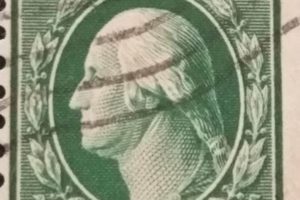
The value of a postage stamp depicting George Washington and originally denominated five cents is influenced by a multitude of factors. Condition, including centering, gum quality, and any flaws such as tears or creases, plays a significant role. The stamp’s issue date, printing variations, and potential historical significance also contribute to its appraisal. For example, a pristine, well-centered example of a rare five-cent Washington issue could be worth considerably more than a damaged or common variety.
Understanding the factors influencing a stamp’s value is essential for both collectors and individuals who may possess older stamps. Accurate valuation enables informed decisions regarding buying, selling, insuring, or simply appreciating these small pieces of history. The study of postage stamps provides a glimpse into historical printing techniques, artistic design, and the evolving portrayal of national figures like George Washington.
This discussion will delve further into specific examples of five-cent Washington stamps, exploring their historical background, identifying key distinguishing characteristics, and offering guidance on determining their current market value. Additional resources for stamp identification and appraisal will also be provided.
Tips for Determining Value
Accurately assessing the value of historical postage requires careful consideration of several key factors. The following tips provide guidance for evaluating stamps featuring George Washington and initially valued at five cents.
Tip 1: Consult Specialized Catalogs: Reputable stamp catalogs, such as the Scott Specialized Catalogue of United States Stamps and Covers, provide detailed listings and price estimations for various stamp issues, including those depicting George Washington.
Tip 2: Assess Condition: Examine the stamp for any imperfections, including centering, gum quality, tears, creases, or thin spots. Even minor flaws can significantly impact value.
Tip 3: Identify the Issue Date and Printing Variations: Different printings and variations can exist within a single stamp design. Identifying the specific issue date and any unique printing characteristics is crucial for accurate valuation.
Tip 4: Verify Authenticity: Counterfeit stamps exist. Comparing the stamp with images and descriptions in reputable catalogs helps ensure its authenticity.
Tip 5: Seek Expert Opinions: Consulting with experienced philatelists or professional appraisers, especially for potentially valuable stamps, provides expert insight and can help avoid misidentification or undervaluation.
Tip 6: Consider Professional Grading: For potentially high-value stamps, professional grading and encapsulation by a reputable grading service, such as Professional Stamp Experts (PSE) or Numismatic Guaranty Corporation (NGC), can enhance their marketability and provide an objective assessment of condition.
Tip 7: Research Historical Significance: Some stamps possess added value due to their historical context or connection to specific events. Researching the history surrounding a particular stamp can reveal valuable insights.
By carefully considering these factors, one can gain a more accurate understanding of a stamp’s potential value and make informed decisions regarding its acquisition, sale, or preservation.
These tips provide a foundation for evaluating five-cent Washington stamps. The following sections will offer a more detailed exploration of specific examples and further resources for collectors.
1. Condition

Condition significantly impacts the value of a five-cent Washington stamp. Factors such as centering, gum quality, and the presence of flaws like tears, creases, thin spots, or discoloration play a crucial role in determining a stamp’s worth. A well-centered stamp, with the design perfectly positioned within the margins, generally commands a higher price than an off-center example. Intact, original gum, free from hinging or re-gumming, also adds to a stamp’s value. Conversely, flaws detract from desirability and reduce the price a collector is willing to pay. For instance, a lightly hinged example of an otherwise pristine 1894 five-cent Washington might be worth significantly less than a never-hinged example of the same stamp.
The impact of condition varies depending on the stamp’s rarity and overall demand. While minor flaws might be acceptable on a common issue, they can dramatically decrease the value of a scarce variety. Collectors often prioritize condition, particularly for key issues or when assembling a high-quality collection. Understanding the nuances of condition grading, from “superb” to “damaged,” is essential for accurate valuation and informed collecting decisions. Using specialized tools, such as magnification and perforation gauges, aids in assessing condition and identifying potential issues not readily visible to the naked eye.
Careful handling and proper storage are essential for preserving a stamp’s condition and maintaining its value. Protective mounts, acid-free albums, and stable environmental conditions help prevent deterioration. Seeking professional advice on preservation techniques is recommended, particularly for valuable or historically significant stamps. Recognizing the profound influence of condition empowers collectors to make sound judgments regarding acquisition, sale, and long-term preservation.
2. Rarity

Rarity significantly influences the value of a five-cent Washington stamp. Scarcity, driven by limited print runs, specific printing errors, or unique variations, directly correlates with market desirability. A stamp issued in smaller quantities or featuring a distinctive characteristic commands higher prices due to limited availability. For example, the 1861 five-cent Washington, printed with a pink background instead of the intended buff color, is considerably rarer and more valuable than the standard issue. The scarcity of error stamps, such as those with inverted centers or missing colors, further exemplifies the impact of rarity on value.
Determining rarity requires consulting specialized catalogs, such as the Scott Specialized Catalogue of United States Stamps and Covers, which provide detailed information on production quantities and variations. Understanding the factors contributing to a stamp’s scarcity, such as specific plate varieties or perforation differences, allows collectors to assess potential value accurately. The rarity of a particular issue, combined with its condition, significantly impacts its market worth. A rare stamp in pristine condition often represents a highly sought-after collectible, commanding premium prices at auctions or through private sales. Recognizing the interplay between rarity and condition empowers collectors to make informed decisions regarding acquisition and investment.
The pursuit of rare stamps forms a central aspect of philately. Collectors often focus on acquiring scarce varieties, completing sets of specific issues, or building specialized collections based on rarity. The challenge of locating and obtaining these elusive pieces adds to their allure and contributes to the overall fascination with stamp collecting. Understanding the concept of rarity and its impact on value provides a foundational element for navigating the complexities of the stamp market and appreciating the historical significance encapsulated within these miniature works of art.
3. Issue Date

The issue date of a five-cent Washington stamp plays a crucial role in determining its value and historical significance. Different issue dates correspond to distinct printing periods, design variations, and production quantities, all of which influence a stamp’s rarity and collectibility. Understanding the significance of issue dates provides a foundation for accurate valuation and informed collecting decisions.
- Period of Production
The issue date identifies the specific period during which a stamp was produced. This historical context helps determine the printing technologies employed, the materials used, and the prevailing design aesthetics of the time. For instance, early five-cent Washington stamps printed in the 1800s differ significantly in appearance and production methods from later issues.
- Design Variations
Different issue dates often correspond to distinct design variations, even within the same denomination and overall subject matter. Changes in portrait style, frame ornamentation, lettering, or background details can distinguish stamps from different periods. Identifying these variations is crucial for accurate identification and valuation. The 1890 issue, for example, features a different frame design compared to the 1894 issue.
- Rarity and Scarcity
Issue dates provide insights into production quantities. Stamps issued for shorter periods or in smaller print runs are generally rarer and more valuable than those produced in larger quantities over extended periods. The 1861 five-cent Washington, due to its limited production, is considerably rarer and more valuable than later issues.
- Historical Context
The issue date places a stamp within its historical context, connecting it to specific events, social trends, and technological advancements of the time. This historical association adds another layer of interest and value for collectors. For instance, five-cent Washington stamps issued during wartime periods might hold particular historical significance.
By understanding the relationship between issue date, design variations, rarity, and historical context, collectors can more accurately assess the value and significance of a five-cent Washington stamp. Issue date serves as a crucial starting point for research and provides a framework for understanding the stamp’s place within the broader narrative of American philately and history.
4. Printing Variations
Printing variations significantly influence the value of five-cent Washington stamps. These variations, arising from inconsistencies during the printing process, can manifest as subtle differences in color, perforation, paper type, or even design details. Such seemingly minor distinctions can drastically impact a stamp’s rarity and, consequently, its market value. For example, the 1908 five-cent Washington exists with two distinct watermark varieties: single-lined and double-lined. The double-lined watermark is considerably rarer, making stamps bearing this characteristic significantly more valuable than their single-lined counterparts.
Several factors contribute to printing variations. Changes in ink batches can result in color shifts, creating shades ranging from deep blue to pale grayish-blue. Adjustments to perforation machinery can produce variations in gauge or spacing. Different paper types, including variations in thickness or watermark design, also distinguish certain printings. Even slight alterations to the printing plates themselves, such as recutting or re-engraving, can introduce subtle design modifications. Understanding these variations requires careful examination and often necessitates specialized tools like perforation gauges and watermark detectors. Consulting detailed philatelic literature, including specialized catalogs and expert articles, provides further insights into identifying and differentiating these variations. The 1894 five-cent Washington, for instance, exists with both “flat plate” and “rotary press” printings, each exhibiting subtle differences in impression and overall appearance.
Recognizing and understanding printing variations is crucial for accurate valuation. Overlooking a key variation could lead to significant undervaluation or missed opportunities for collectors. Detailed knowledge of these nuances empowers collectors to discern valuable varieties and make informed decisions in the marketplace. Furthermore, the study of printing variations provides insights into the historical printing processes and the evolution of stamp production techniques. This specialized knowledge enhances the appreciation and enjoyment of philately, adding depth and complexity to the pursuit of these historical artifacts.
5. Demand
Collector demand significantly influences the value of five-cent Washington stamps. Strong demand drives prices upward, while weak demand can lead to stagnation or decline in value. Several factors contribute to demand, including historical significance, aesthetic appeal, rarity, and overall market trends. A stamp commemorating a significant historical event or possessing an attractive design tends to attract greater interest, increasing demand and potentially driving up its value. The 1932 five-cent Washington bicentennial issue, commemorating the 200th anniversary of George Washington’s birth, experienced heightened demand due to its historical association, leading to increased value compared to other five-cent Washington stamps of similar condition and rarity.
Market trends, influenced by economic conditions and broader collecting interests, also play a role. A surge in popularity of stamp collecting can elevate demand across the board, affecting even common issues. Conversely, a decline in collector interest can dampen demand, potentially leading to lower valuations. The condition of a stamp further interacts with demand. Collectors typically prioritize well-preserved examples, leading to higher demand and premium prices for stamps in pristine condition, even for relatively common issues. Conversely, damaged or heavily flawed examples, regardless of rarity or historical significance, often experience lower demand and correspondingly reduced market value. Understanding the dynamics of demand provides crucial insights for collectors seeking to acquire, sell, or appraise five-cent Washington stamps.
Assessing demand requires careful observation of market trends, auction results, and dealer pricing. Consulting specialized philatelic publications, attending stamp shows, and engaging with experienced collectors provides valuable insights into current demand levels for specific issues and varieties. Recognizing the interplay between demand, rarity, condition, and historical context enables collectors to make informed decisions regarding acquisitions, sales, and long-term investment strategies. Ultimately, demand serves as a dynamic force shaping the market value of these historical artifacts, reflecting their enduring appeal and cultural significance.
6. Market Trends
Market trends exert a considerable influence on the value of five-cent Washington stamps. Fluctuations in collector interest, economic conditions, and broader market forces directly impact the prices these historical artifacts command. Understanding these trends is essential for collectors seeking to acquire, sell, or appraise such stamps.
- Economic Conditions
The overall economic climate plays a significant role. During periods of economic prosperity, collectors may have more disposable income, potentially leading to increased demand and higher prices. Conversely, economic downturns can dampen demand and exert downward pressure on values. The Great Depression, for example, significantly impacted the stamp market, causing declines in value across many areas, including five-cent Washington stamps.
- Collector Demographics
Shifts in collector demographics influence market trends. An aging collector base might lead to decreased demand for certain items, while a resurgence of interest among younger generations could invigorate the market and drive up prices for specific issues. The rise of online marketplaces and auction platforms has broadened access for collectors, potentially influencing demand and pricing dynamics.
- Changing Tastes
Collector tastes evolve over time. Certain stamp designs, historical periods, or thematic areas may experience periods of heightened popularity, leading to increased demand and higher prices. Conversely, items falling out of favor might see decreased demand and declining values. The current emphasis on classic-era U.S. stamps could drive up demand for certain five-cent Washington issues, while less popular designs from later periods might experience less market activity.
- Investment Trends
Stamps, like other collectibles, can be viewed as investments. Investors seeking tangible assets might turn to rare stamps, driving up demand and prices for certain key issues. Speculative bubbles can also form, leading to rapid price increases followed by potential corrections. The market for high-value, rare five-cent Washington stamps, such as those with significant errors or unique printing characteristics, can be particularly susceptible to investment trends.
Analyzing market trends requires careful observation of auction results, dealer pricing, and overall collector activity. Consulting specialized publications, attending stamp shows, and engaging with experienced collectors provide valuable insights. Recognizing the interplay between market trends, rarity, condition, and collector demand provides a framework for understanding value fluctuations and making informed decisions regarding five-cent Washington stamps.
7. Authenticity
Authenticity is paramount in determining the value of a five-cent Washington stamp. A genuine stamp, verifiably produced by the authorized issuing entity during its designated period, holds historical and collectible value. Conversely, forgeries, reprints, or altered stamps lack such intrinsic value. Distinguishing authentic stamps from counterfeits requires careful examination and often specialized knowledge.
- Paper Type and Watermarks
Authentic five-cent Washington stamps were printed on specific types of paper, often incorporating watermarks as security features. Forgeries might use incorrect paper or lack the appropriate watermarks. Examining the paper under specialized lighting or using watermark fluid helps reveal these characteristics. The presence of a “USPS” watermark, for example, authenticates certain later issues, while earlier stamps might feature different watermark designs or lack them entirely.
- Printing Methods and Inks
Authentic stamps exhibit characteristics consistent with the printing methods and inks used during their production period. Engraving, typography, and lithography, each employed at different times, leave distinctive markings. Ink color and composition also provide clues. Forgeries often fail to replicate these nuances accurately. A forged 1861 five-cent Washington might lack the crisp detail of genuine engraved stamps or exhibit an incorrect shade of rose compared to the authentic pink.
- Perforations and Gum
Perforations, the small holes separating stamps, vary in gauge and pattern depending on the issue date and printing method. Original gum, applied during production, also exhibits specific characteristics. Forgeries might have incorrect perforations or exhibit signs of re-gumming. A genuine 1890 five-cent Washington, for example, has a different perforation gauge than the 1894 issue. Examining the gum for signs of tampering or reapplication provides further authentication clues.
- Expert Authentication and Certification
For valuable or potentially disputed stamps, seeking expert authentication is crucial. Professional philatelic expertizing services, such as the Philatelic Foundation or the American Philatelic Society’s expertizing service, provide authoritative opinions on authenticity. Certificates of authenticity from reputable organizations enhance a stamp’s marketability and provide assurance to potential buyers. Submitting a potentially valuable 1867 five-cent Washington with a suspected rare grill variety to an expertizing service confirms its authenticity and determines the presence and type of grill, significantly impacting its value.
Establishing authenticity is essential for accurate valuation. A forged five-cent Washington, regardless of its apparent condition or rarity, holds minimal monetary value. Conversely, a verifiably authentic example, particularly if rare and well-preserved, can command significant prices in the philatelic market. The careful examination of physical characteristics, combined with expert authentication when necessary, protects collectors from forgeries and ensures the integrity of the stamp’s historical and financial value.
Frequently Asked Questions
This section addresses common inquiries regarding stamps depicting George Washington and initially valued at five cents.
Question 1: How can one determine the value of a five-cent Washington stamp?
Several factors influence value, including condition, rarity, issue date, and the presence of any printing variations. Consulting specialized catalogs, such as the Scott Specialized Catalogue of United States Stamps and Covers, provides a starting point for valuation. Professional appraisal is recommended for potentially valuable stamps.
Question 2: Where can one sell five-cent Washington stamps?
Options for selling include stamp dealers, online marketplaces, and auctions. Reputable stamp dealers offer expertise in valuation and sales. Online platforms provide broader reach but require careful vetting of potential buyers. Auctions offer competitive bidding but involve fees and require careful consideration of consignment terms.
Question 3: Are all five-cent Washington stamps valuable?
Not all five-cent Washington stamps are rare or highly valuable. Common issues in average condition might have minimal monetary worth. However, certain rare varieties, especially in pristine condition, can command significant prices. Accurate valuation requires careful assessment of individual stamps.
Question 4: How should five-cent Washington stamps be stored to preserve their condition?
Proper storage is essential for preserving stamp condition. Acid-free albums, protective mounts, and stable environmental conditions, away from direct sunlight, humidity, and temperature fluctuations, help prevent deterioration. Handling stamps with clean hands or stamp tongs minimizes the risk of damage.
Question 5: How can one distinguish between genuine five-cent Washington stamps and forgeries?
Identifying forgeries requires careful examination of paper type, printing characteristics, perforations, and gum. Comparing the stamp to images and descriptions in reputable catalogs aids in authentication. Expert authentication is recommended for potentially valuable stamps, especially those exhibiting characteristics of rare varieties.
Question 6: What resources are available for learning more about five-cent Washington stamps?
Numerous resources provide further information. Specialized stamp catalogs, philatelic societies, online forums, and library resources offer valuable insights into stamp identification, valuation, and collecting. Engaging with experienced collectors and attending stamp shows provides opportunities for learning and networking.
Careful consideration of these frequently asked questions facilitates informed decisions regarding the collection, preservation, and valuation of stamps depicting George Washington and originally denominated five cents.
This concludes the frequently asked questions section. The following section will offer concluding remarks.
Five-Cent Washington Stamp Worth
The value of a five-cent Washington stamp hinges on a complex interplay of factors. Condition, encompassing centering, gum quality, and the absence of flaws, plays a crucial role. Rarity, driven by limited print runs or unique variations, significantly impacts desirability. Issue date determines historical context and potential design differences. Printing variations, often subtle, can drastically alter value. Market trends and collector demand further influence price fluctuations. Authenticity remains paramount; forgeries hold negligible value. Careful consideration of these factors, combined with research and expert consultation when necessary, enables accurate valuation and informed collecting decisions.
The enduring fascination with five-cent Washington stamps reflects their historical significance and artistic merit. These small pieces of history offer a tangible connection to the past, encapsulating evolving printing techniques, artistic styles, and the enduring legacy of George Washington. Continued exploration and study promise further insights into the intricate world of philately and the captivating stories behind these miniature treasures.