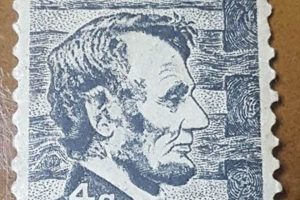
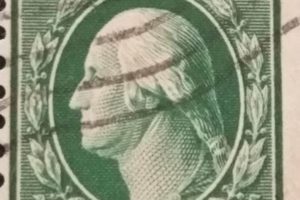
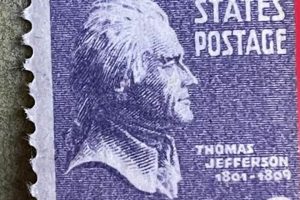
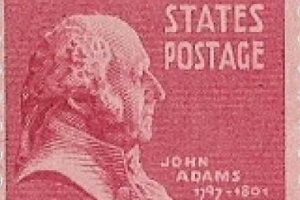
A single-cent denomination for prepaying postal delivery represents the smallest unit of postage. Historically, these low denominations were crucial for sending less weighty mail, like letters or postcards. One notable example is the 1861 black one-cent Franklin stamp, an iconic piece of American postal history.
Affordable postage facilitated widespread communication and dissemination of information, fostering stronger social and commercial ties across distances. The accessibility of these inexpensive stamps played a significant role in democratizing access to the postal service, making it affordable for a broader population. Their historical usage provides valuable insights into past communication practices and postal rate structures.
This foundational understanding of the role of inexpensive postage provides a framework for exploring related topics such as postal history, stamp collecting, and the evolution of communication technologies. Further investigation into specific historical examples or the broader impact on society can enrich this understanding.
Tips for Studying Low-Denomination Postage
Careful examination of inexpensive postage offers valuable insights into postal history and printing techniques. The following tips provide guidance for effectively studying these historical artifacts.
Tip 1: Utilize a magnifying glass or philatelic loupe to examine minute details such as printing flaws, paper type, and perforation characteristics. These details can help identify specific printings and variations.
Tip 2: Compare specimens against reputable catalogs and online resources to authenticate and determine their potential value. Specialized catalogs often document subtle variations between different print runs.
Tip 3: Handle stamps with clean hands or tweezers to avoid transferring oils and fingerprints, which can degrade the condition over time.
Tip 4: Store stamps in archival-quality albums or protective sleeves to prevent damage from light, humidity, and environmental factors.
Tip 5: Research the historical context surrounding the issuance and usage of the stamp. Understanding the period in which it was circulated adds depth to its significance.
Tip 6: Join philatelic societies or online forums to connect with other collectors and experts, expanding knowledge and access to valuable resources.
Tip 7: Consider specializing in a particular era, country, or thematic area to focus research and build a specialized collection.
By following these guidelines, enthusiasts can gain a deeper appreciation for the intricacies of postal history and the significance of even the smallest denominations. Careful observation and meticulous record-keeping contribute significantly to preserving these historical artifacts.
This detailed exploration of inexpensive postage provides a solid foundation for further research into related areas, such as printing methods, postal regulations, and the socio-economic impact of affordable communication.
1. Denomination

The designation “one cent” represents the face value of the stamp, indicating the cost of prepaying postal services for a specific weight of mail. This denomination played a critical role in making postal communication accessible to a broader population. The affordability of one-cent postage facilitated the exchange of letters, documents, and other correspondence, fostering personal and business connections across distances. The impact of this low cost can be observed in historical postal usage patterns, where high volumes of one-cent stamped mail reflect the widespread adoption of written communication.
The Penny Black, the world’s first adhesive postage stamp issued in Great Britain in 1840, exemplifies the practical significance of a low denomination. Its one-penny cost revolutionized postal systems, simplifying prepayment and making mail delivery more efficient. Similarly, the 1861 one-cent Franklin stamp in the United States represents the continued importance of affordable postage, enabling widespread communication during a pivotal period in American history. These examples illustrate the direct link between a low denomination and increased mail volume.
Understanding the significance of “one cent” as a denomination provides crucial context for analyzing historical postal rates and their socio-economic impact. This foundational concept allows for further exploration of postage rate fluctuations, the relationship between postal costs and communication patterns, and the role of government policies in shaping postal accessibility. Examining these interconnected elements offers valuable insights into the history of communication and the evolution of modern postal systems.
2. Purpose
The core purpose of a one-cent denomination stamp, like any postage stamp, was to prepay postal services. This prepayment system, established with the introduction of the Penny Black in 1840, revolutionized mail delivery by shifting the cost burden from the recipient to the sender. Prepayment streamlined the process, reducing administrative overhead and ensuring consistent revenue for postal authorities. The affordability of a one-cent stamp facilitated broader access to postal services, promoting communication across economic strata. This democratization of communication had profound social and economic consequences, fostering personal connections and enabling efficient business transactions.
The one-cent denomination specifically catered to lightweight correspondence, such as letters and postcards. This targeted affordability encouraged frequent communication and contributed significantly to literacy rates and the dissemination of information. The prepayment system, combined with the low cost, further stimulated commercial activity by streamlining business correspondence and enabling direct marketing efforts through catalogs and promotional materials. Consider the impact on burgeoning industries of the 19th and early 20th centuries, where one-cent postage facilitated order fulfillment and customer communication on a previously unimaginable scale. The ability to prepay postage, even at such a low cost, proved essential for commercial growth and economic development.
Understanding the purpose of prepaying postage provides essential context for interpreting the historical significance of the one-cent stamp. It highlights the interplay between postal regulations, economic accessibility, and societal transformation. This prepayment system, exemplified by the one-cent stamp, represents a pivotal step in the evolution of modern communication networks. Further research into the impact of prepaid postage on specific industries or social groups can provide a more nuanced understanding of its historical implications.
3. Format
The small, adhesive format of a one-cent postage stamp proved crucial for its practicality and widespread adoption. Prior to adhesive stamps, prepayment methods were cumbersome, involving handwritten markings or separate adhesive wafers. The self-adhesive design, pioneered by Rowland Hill with the Penny Black, streamlined the process significantly. The small size allowed for easy application to letters and other correspondence without obscuring essential information. This efficient format facilitated large-scale processing and automation within postal systems, contributing to the growth of mail volume and the speed of delivery. The one-cent denomination, combined with this convenient format, further democratized access to postal services.
The adhesive backing, typically gum arabic, ensured secure attachment to mail items, reducing instances of loss or detachment during transit. This reliability, coupled with the standardized size and printing, enhanced the integrity and security of the postal system. Consider the challenges of pre-adhesive methods; hand-applied markings were easily forged or manipulated, while separate wafers presented logistical difficulties. The small, adhesive label format addressed these issues effectively, contributing to public trust in postal services. Furthermore, the compact design enabled efficient storage and distribution of stamps, simplifying inventory management for post offices and retailers.
The format of the one-cent stamp, as a small adhesive label, represents a significant innovation in postal history. This seemingly simple design choice had far-reaching consequences, streamlining postal operations, enhancing security, and facilitating widespread communication. Understanding this seemingly minor detail provides critical insight into the evolution of postal systems and the broader impact of efficient communication technologies. Further investigation into the development of adhesive technology and its application in other fields can illuminate the broader significance of this seemingly simple format.
4. Material
The choice of paper as the primary material for one-cent postage stamps, and indeed for most historical postage, significantly influenced their production, functionality, and preservation. Paper provided a cost-effective and readily available substrate suitable for high-volume printing processes. Its properties, including texture, thickness, and absorbency, directly impacted the quality of the printed image and the security of the stamp. Understanding the role of paper provides valuable insights into the historical context of stamp production and the challenges of preservation.
- Type and Quality
The specific type of paper used for one-cent stamps varied depending on the period and the issuing postal authority. Early stamps often utilized hand-made or machine-made wove paper, while later production increasingly incorporated wood pulp-based papers. The quality of the paper influenced the clarity of the printed design and the stamp’s overall durability. Lower quality paper, more susceptible to tearing or discoloration, presented challenges for long-term preservation. Variations in paper type can serve as identifying characteristics for specific stamp issues, aiding collectors and historians in authentication and classification.
- Watermarks
Watermarks, embedded designs visible when held against light, served as security features on many one-cent stamps. These subtle markings, incorporated during the papermaking process, deterred counterfeiting and provided a means of verifying authenticity. The presence or absence of specific watermarks, along with their design variations, helps differentiate between different print runs and aids in establishing the provenance of individual stamps. The study of watermarks provides valuable insights into the historical development of anti-counterfeiting measures in postal systems.
- Printing Processes
The paper’s absorbency and surface texture directly impacted the effectiveness of various printing methods employed for one-cent stamps. Techniques like engraving, lithography, and typography each interacted differently with the paper’s properties, affecting the final appearance and durability of the printed image. The choice of printing method, influenced by the paper’s characteristics, often dictated the level of detail achievable in the stamp’s design and its resistance to wear and tear. Understanding the interplay between paper and printing processes is essential for analyzing the visual characteristics and longevity of historical stamps.
- Preservation Concerns
The inherent fragility of paper poses significant challenges for the long-term preservation of one-cent stamps. Environmental factors such as humidity, light exposure, and temperature fluctuations can cause deterioration, including discoloration, brittleness, and foxing. Proper storage in archival-quality materials, away from direct light and extreme temperatures, is essential for mitigating these risks. The paper’s susceptibility to damage underscores the importance of careful handling and conservation practices for maintaining the integrity of historical stamp collections.
The choice of paper as the material for one-cent postage stamps played a multifaceted role, impacting not only their production and functionality but also their long-term preservation. Understanding the characteristics and limitations of paper as a medium provides critical context for appreciating the historical significance of these artifacts and the ongoing efforts to preserve them for future generations. Further research into papermaking techniques and the development of specialized philatelic preservation methods can enrich this understanding.
5. Usage
The usage of one-cent postage stamps directly relates to the evolution and accessibility of postal communication. These stamps, representing the smallest denomination of prepayment for postal services, facilitated widespread exchange of written correspondence, particularly during periods where postal rates were structured around weight and distance. Examining their usage reveals insights into communication practices, social trends, and the historical development of postal systems.
- Personal Correspondence:
One-cent stamps were frequently employed for personal letters, postcards, and invitations. Their affordability made regular communication accessible to a wider population, strengthening social bonds and enabling individuals to maintain connections across geographical distances. The prevalence of one-cent stamped mail reflects the importance of written correspondence in personal lives before the advent of widespread telecommunication technologies. Examining historical letter volumes and the content of surviving correspondence provides a glimpse into the social dynamics of past eras.
- Business Transactions:
One-cent stamps played a vital role in facilitating business communication, particularly for small businesses and direct mail marketing. Companies utilized these stamps for invoices, receipts, catalogs, and promotional materials. The low cost enabled businesses to reach wider audiences and streamline transactions, contributing to economic growth and the expansion of commerce. Analyzing historical business records and advertising campaigns reveals the impact of affordable postage on commercial practices.
- Official Documents:
Government agencies and legal professionals utilized one-cent stamps for official documents, legal notices, and court filings. The standardized prepayment system ensured consistent handling and delivery of important paperwork, enhancing administrative efficiency and legal processes. The use of one-cent stamps for official purposes reflects the integration of postal services into essential governmental and legal functions. Researching historical legal records and administrative practices can illuminate this connection further.
- Periodicals and Printed Matter:
Newspapers, magazines, and other printed materials often utilized one-cent stamps for distribution and subscription fulfillment. The affordable postage facilitated the dissemination of information and ideas, contributing to public discourse and cultural exchange. Examining historical circulation figures and the content of periodicals reveals the role of affordable postage in shaping public opinion and cultural trends.
The varied usage of one-cent postage stamps demonstrates their integral role in facilitating diverse forms of postal communication. From personal letters to business transactions and official documents, these small, adhesive labels enabled widespread and affordable access to postal services, shaping social interactions, business practices, and the dissemination of information. Further investigation into specific historical examples and the correlation between postal rates and communication patterns can provide a more nuanced understanding of the impact of one-cent stamps on historical communication networks.
Frequently Asked Questions
This section addresses common inquiries regarding single-cent postage stamps, providing concise and informative responses.
Question 1: What distinguished a one-cent stamp from other denominations?
The one-cent denomination represented the smallest unit of postage prepayment, making it crucial for less weighty mail and contributing significantly to affordable communication access. Its usage often reflected specific postal rate structures tied to weight and distance.
Question 2: How did the introduction of one-cent postage impact communication practices?
Affordable one-cent postage facilitated broader access to postal services, fostering increased written correspondence across personal, business, and governmental sectors. This accessibility contributed to greater information dissemination and stronger social connections.
Question 3: What role did one-cent stamps play in commercial activities?
Businesses utilized one-cent stamps extensively for direct mail marketing, invoices, and other essential correspondence. The low cost enabled wider outreach to customers and streamlined business transactions, contributing to economic growth.
Question 4: Are one-cent stamps still in use today?
While contemporary postal rates typically exceed one cent, some philatelic materials, such as commemorative issues or souvenir sheets, might include representations of historical one-cent designs. However, they do not function as valid postage for current mail.
Question 5: How can one determine the value of a historical one-cent stamp?
Several factors influence the value of historical stamps, including condition, rarity, historical significance, and demand among collectors. Consulting reputable stamp catalogs, expert appraisers, or philatelic societies provides reliable valuation guidance.
Question 6: What preservation methods are recommended for historical one-cent stamps?
Protecting historical stamps from environmental factors like humidity, light, and temperature fluctuations is crucial for preservation. Archival-quality storage materials, such as acid-free albums and protective sleeves, contribute significantly to maintaining their condition.
Understanding the historical context, usage patterns, and preservation methods related to one-cent postage provides valuable insight into the evolution of communication systems. Further research through philatelic resources and historical archives can deepen this understanding.
This FAQ section serves as a starting point for further exploration into the rich history and nuanced details surrounding single-cent postage stamps. Delving into specialized areas like postal history, stamp collecting, or specific historical periods can enrich this foundational knowledge.
Conclusion
Examination of single-cent postage reveals its significant role in historical communication networks. Affordable postage facilitated widespread correspondence, fostering personal connections and enabling efficient business transactions. The format, material, and purpose of these small adhesive labels reflect the evolution of postal systems and the socio-economic impact of accessible communication.
The legacy of single-cent postage extends beyond its functional role. These artifacts offer valuable insights into historical printing techniques, postal rate structures, and the broader societal impact of affordable communication. Continued study and preservation of these historical remnants enrich understanding of communication history and its ongoing evolution.