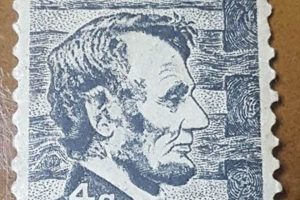
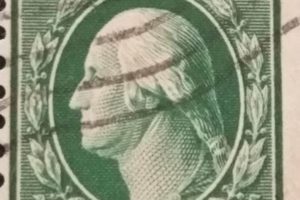
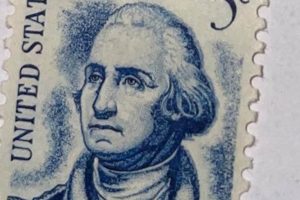
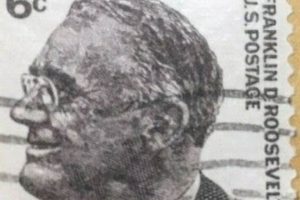
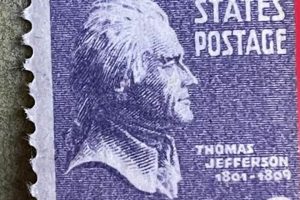
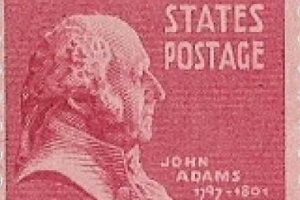
A United States postage stamp issued with a face value of three cents and bearing the likeness of George Washington can represent a wide range of potential market prices. Factors influencing this price include the stamp’s specific design, its condition (mint, used, or damaged), and its rarity. For example, a well-preserved, unused three-cent Washington stamp from the 1800s might be significantly more valuable than a used, more recent issue.
Understanding the market value of these stamps is crucial for both collectors and potential sellers. Historical context, such as the period of issue, printing methods, and commemorative significance, all contribute to a stamp’s desirability and, consequently, its price. Accurately assessing these factors can help determine a fair price for buying or selling. This knowledge can also be valuable for estate appraisals and understanding the potential investment value of philatelic collections.
This resource will delve further into the nuances of these historical artifacts, exploring specific examples, identifying key variations, and providing guidance on researching and evaluating their worth. Subsequent sections will address condition assessment, identifying forgeries, and resources for current market pricing.
Tips for Evaluating Early U.S. Postage
Careful consideration of several factors is essential for accurately assessing the value of early United States postage, especially those featuring George Washington.
Tip 1: Identify the Issue. Pinpointing the specific issue year and printing variations is crucial. Different printings can have subtle yet significant differences impacting value. Specialized catalogs and online resources can aid in proper identification.
Tip 2: Assess the Condition. Condition significantly impacts value. Examine the stamp for centering, perforations, gum condition (if unused), and any signs of damage, such as tears, creases, or thin spots.
Tip 3: Consult a Professional. For rare or potentially valuable stamps, expert opinions are recommended. Professional appraisers and philatelic societies can provide accurate assessments and authentication services.
Tip 4: Research Market Prices. Auction records, dealer catalogs, and online marketplaces offer insights into recent sales data for comparable stamps. This research provides a benchmark for understanding current market values.
Tip 5: Consider Professional Grading. Third-party grading services encapsulate and assign a grade to stamps based on their condition. Certified stamps often command higher prices due to the independent verification of their quality.
Tip 6: Handle with Care. Always use stamp tongs to handle stamps, avoiding direct contact with fingers. Store stamps in protective sleeves or albums, away from light, moisture, and temperature fluctuations.
By following these guidelines, collectors and individuals possessing these historical artifacts can gain a more comprehensive understanding of their potential significance and worth, facilitating informed decisions regarding buying, selling, or preserving them.
This careful evaluation process is crucial for preserving philatelic history and ensuring the responsible handling of these miniature works of art.
1. Issue Date
The issue date of a 3-cent Washington stamp is paramount in determining its value. Different issues reflect varying printing techniques, design nuances, and historical contexts, all of which influence desirability and market price. Understanding these chronological variations is essential for accurate assessment.
- Early Perforated Issues (1857-1861)
Stamps from this period, particularly those with experimental perforations or design flaws, are highly sought after by collectors. Examples include the 1857-61 issues with “Imperforate” variations, where the stamps were printed without perforations, increasing their rarity and value significantly. The condition and centering of these early issues heavily influence their value.
- 1860s-1870s Issues
These issues often feature subtle design changes and variations in paper and ink. Distinguishing between these nuances can significantly impact value. For example, the 1869 pictorial issue with a larger, more elaborate design, differs from the simpler designs of the earlier 1860s. These design shifts often correlate with shifts in printing methods and paper types, further influencing their rarity and collectibility.
- Later Issues (1880s-1890s)
Generally more common than earlier issues, these stamps can still hold value depending on condition and specific variations. Specialized catalogs and online resources provide detailed information on perforation varieties and color shades. Stamps in pristine, unused condition from this era, especially those with minor printing errors or unique cancellations, can be surprisingly valuable to specialists.
- Reprints and Reissues
It is critical to distinguish genuine stamps from later reprints or reissues, which typically hold significantly less value. Careful examination of paper, ink, and perforations can help discern originals from reproductions. Expert authentication is advisable for potentially valuable stamps to confirm their authenticity and avoid costly mistakes.
By accurately identifying the issue date and understanding its implications, collectors can make informed decisions regarding a 3-cent Washington stamp’s potential worth. Cross-referencing this information with market data provides a more complete picture of the stamp’s value within the larger philatelic landscape.
2. Condition
Condition is a critical determinant of a 3-cent Washington stamp’s value. Even minor flaws can significantly impact price. Collectors prize stamps exhibiting minimal handling and environmental wear. Understanding the nuances of condition assessment is essential for accurate valuation.
- Centering
Centering refers to the placement of the design within the stamp’s perforated margins. Ideally, the design should be perfectly balanced. Off-center stamps, where the design is closer to one or more margins, are generally less desirable and, consequently, less valuable. The degree of off-centering directly correlates with the decrease in value.
- Perforations
Perforations, the small holes separating stamps from one another, should be intact and cleanly cut. Damaged or missing perforations, sometimes referred to as “faults,” detract from a stamp’s value. Certain perforation varieties, such as specific gauge sizes or errors, can, however, increase a stamp’s rarity and value.
- Gum Condition (Unused Stamps)
Unused stamps ideally retain their original gum, the adhesive applied to the back. Hinged stamps, those previously mounted in albums using stamp hinges, are generally less desirable than never-hinged examples. The presence of undisturbed, original gum significantly enhances a stamp’s value. Discoloration or disturbances to the gum can negatively impact price.
- Faults and Damage
Tears, creases, thin spots, stains, and fading are all considered faults that diminish value. The severity of the damage directly correlates to the decrease in a stamp’s market worth. Even minor imperfections can significantly impact value, especially for rarer stamps. Professional restoration attempts, while sometimes improving appearance, often further decrease value.
The interplay of these condition factors ultimately determines a 3-cent Washington stamp’s market value. A stamp in perfect condition commands a premium, while imperfections progressively diminish its worth. Accurate condition assessment, using appropriate philatelic terminology and standards, is crucial for both buyers and sellers in navigating the complexities of the stamp market.
3. Printing Variations
Printing variations significantly influence the value of 3-cent Washington stamps. These variations, arising from changes in printing processes, equipment, or materials, create distinguishable characteristics among stamps of the same design and issue date. Understanding these nuances is crucial for accurate valuation.
Variations can include differences in paper type, such as laid versus wove paper; ink color or shade; perforation gauge (the number of perforations per two centimeters); and watermark presence or design. For example, the 1851-61 issue exhibits variations in grill design, an embossed pattern intended to improve ink absorption. Certain grill varieties are considerably rarer than others, impacting their value. Similarly, the 1861-67 issue displays variations in die types, resulting in subtle design differences noticeable upon close inspection. Identifying the specific die used can significantly affect a stamps market price. Double transfers, where the design is accidentally printed twice, also represent a sought-after printing variation. The degree of offset in the double transfer influences its rarity and value.
Recognizing and understanding these printing variations is crucial for both collectors and dealers. Specialized catalogs and expert opinions are invaluable resources for identifying these nuances. Accurate identification informs pricing decisions and prevents misattributing value. Moreover, studying printing variations provides insights into the historical evolution of printing techniques and their impact on stamp production. The presence, absence, or specific type of printing variation often requires specialized tools like magnification or watermark fluid for accurate identification. This specialized knowledge equips collectors and dealers to navigate the complexities of the stamp market and accurately assess the worth of these historical artifacts. Overlooking these details can lead to significant underestimation or overestimation of a stamps true value.
4. Market Demand
Market demand significantly influences the value of 3-cent Washington stamps. This principle of economics, where the price of a good is determined by the interaction of supply and demand, directly applies to the philatelic market. Strong collector interest in specific issues, driven by factors such as rarity, historical significance, or aesthetic appeal, increases demand relative to available supply, driving prices upward. Conversely, diminished collector interest, often due to changing tastes or an oversupply of a particular issue, can lead to decreased demand and lower prices.
For example, the 1861 3-cent rose pink Washington stamp, with its distinctive color and historical context tied to the American Civil War, experiences consistent demand from collectors. This sustained interest contributes to its relatively high market value, especially for examples in excellent condition. Conversely, later issues of the 3-cent Washington stamp, produced in larger quantities, generally experience lower demand and, consequently, lower market values. Exceptions occur for specific varieties within these later issues, such as those with errors or unique cancellations, which can become highly collectible despite the overall lower demand for the general issue.
Understanding market demand is crucial for collectors and dealers alike. Tracking auction results, monitoring dealer catalogs, and participating in philatelic communities provide insights into current market trends and collector preferences. This knowledge facilitates informed buying and selling decisions, allowing collectors to acquire desirable stamps at fair market prices and sellers to realize optimal returns on their investments. Recognizing the cyclical nature of market demand, and anticipating shifts in collector interest, can provide a competitive advantage in the philatelic market.
5. Expert Authentication
Expert authentication plays a vital role in determining the value of a 3-cent Washington stamp. Given the potential for counterfeits and the subtle variations that distinguish valuable specimens from common ones, authentication provides assurance of a stamp’s genuineness and accurate identification of its specific characteristics. This process significantly impacts market value and protects buyers and sellers from potential fraud or misrepresentation.
- Verification of Genuineness
Experts analyze various aspects, including paper, ink, and printing methods, to confirm a stamp’s authenticity. Counterfeit detection protects collectors from unknowingly purchasing forgeries, which hold little to no value. For example, a forged 1857 3-cent Washington could be deceptively similar to a genuine example, but an expert can identify inconsistencies in the paper or ink, thereby protecting a potential buyer from a costly mistake.
- Identification of Printing Variations
Subtle printing variations, such as perforation differences or re-engraved dies, can significantly affect a stamp’s value. Experts possess the specialized knowledge to identify these variations accurately. For instance, an 1861 3-cent Washington with the “Z” grill, a rarer grill variety, would be distinguished from more common grill types, leading to a higher valuation based on its scarcity.
- Condition Assessment
While not strictly authentication, experts also provide objective condition assessments, crucial for determining value. They evaluate factors such as centering, perforations, and gum condition, using standardized grading criteria. An expert might determine that a seemingly well-preserved 3-cent Washington actually has a small, almost imperceptible thin spot, significantly impacting its grade and value.
- Documentation and Certification
Expert authentication often includes documentation and certification, providing a verifiable record of a stamp’s genuineness and characteristics. This documentation adds to a stamp’s marketability and provides buyers with confidence in its authenticity and assessed value. A certificate from a respected philatelic expertizing service significantly increases the value and liquidity of a 3-cent Washington stamp, especially for higher-value examples.
The combined effect of these facets of expert authentication provides a critical foundation for establishing accurate market values for 3-cent Washington stamps. Authentication protects against fraud, ensures accurate identification of valuable variations, and provides standardized condition assessments, promoting transparency and trust within the philatelic market. The resulting confidence in a stamp’s authenticity and characteristics directly impacts its desirability and price.
6. Current Market Trends
Current market trends exert a substantial influence on 3-cent Washington stamp values. These trends, reflecting evolving collector preferences, economic conditions, and broader market forces, create dynamic pricing fluctuations. Understanding these trends is essential for accurately assessing current market value and making informed decisions regarding buying and selling.
Several factors drive current market trends. Increased demand for specific issues or varieties, often fueled by renewed historical interest or the discovery of previously unknown rarities, can drive prices upward. Conversely, decreased demand, sometimes due to shifting collector demographics or an oversupply of a particular stamp, can lead to price declines. Economic downturns can also dampen demand, impacting prices across the philatelic market. For instance, a surge in interest in pre-Civil War stamps might increase demand for the 1857-61 3-cent Washington issues, driving their prices up. Conversely, a decline in overall stamp collecting activity could depress prices, even for relatively scarce varieties.
Real-life examples illustrate this connection. The recent rediscovery of a previously unknown plate variety of the 1861 3-cent Washington created a surge in demand among specialized collectors. This increased demand, coupled with the limited supply of this newly discovered variety, resulted in a substantial price increase. Conversely, a large collection of common 1890s 3-cent Washington stamps entering the market simultaneously could temporarily depress prices due to the sudden increase in supply relative to demand. Tracking these trends through auction records, dealer catalogs, and online marketplaces provides valuable insights for collectors and sellers. Understanding these fluctuations allows collectors to anticipate market movements and make informed decisions about acquisitions and disposals. Recognizing current market trends also helps sellers time their sales strategically, maximizing returns on their investments. Staying informed about these trends is crucial for navigating the complexities of the stamp market and accurately assessing the value of 3-cent Washington stamps in the present market environment.
Frequently Asked Questions
This section addresses common inquiries regarding the valuation of 3-cent Washington stamps. Understanding these key points provides a foundation for navigating the complexities of the philatelic market.
Question 1: How is the value of a 3-cent Washington stamp determined?
Multiple factors influence value, including issue date, condition, printing variations, market demand, and expert authentication. A comprehensive assessment considering all these elements is essential.
Question 2: Are all 3-cent Washington stamps valuable?
No. While some rare varieties command high prices, many common 3-cent Washington stamps have minimal monetary value. Rarity and condition significantly impact value.
Question 3: Where can one find reliable information on 3-cent Washington stamp values?
Reputable stamp catalogs, online marketplaces, auction records, and philatelic societies offer valuable resources for researching market values and identifying specific varieties.
Question 4: What is the importance of expert authentication for 3-cent Washington stamps?
Expert authentication verifies a stamp’s genuineness, identifies specific printing variations, and provides objective condition assessments, all crucial for accurate valuation and protection against fraud.
Question 5: How do current market trends affect the value of 3-cent Washington stamps?
Market trends, reflecting collector demand and broader economic factors, influence price fluctuations. Staying informed about current trends enables informed buying and selling decisions.
Question 6: What is the best way to preserve the value of a 3-cent Washington stamp collection?
Proper storage in protective materials, away from light, moisture, and temperature fluctuations, is essential. Handling stamps with tongs prevents damage. Expert authentication and grading can further enhance value and marketability.
Accurate valuation requires careful consideration of all relevant factors. Consulting expert resources is recommended for valuable or potentially rare stamps. A thorough understanding of these factors empowers collectors and sellers to make informed decisions in the philatelic market.
The subsequent sections will delve into specific examples of 3-cent Washington stamps, illustrating the interplay of these factors in determining their value. Detailed case studies will provide practical applications of the concepts discussed herein.
Conclusion
Careful examination reveals that the market value of a three-cent Washington stamp is a complex interplay of several factors. Issue date, condition, printing variations, market demand, and expert authentication contribute significantly to a stamp’s worth. Understanding these elements is crucial for accurate appraisals and informed transactions within the philatelic market. Ignoring any of these factors can lead to significant misjudgments regarding a stamp’s potential value. Diligent research and consultation with expert resources are essential for navigating the complexities of this specialized field.
The study of these stamps provides a tangible connection to American history. Preserving these artifacts requires meticulous care and a deep understanding of their unique characteristics. Continued research and engagement within the philatelic community contribute to the preservation of these historical treasures for future generations. Further exploration of specific examples and nuanced variations will deepen understanding and appreciation for the rich history encapsulated within these small pieces of paper.