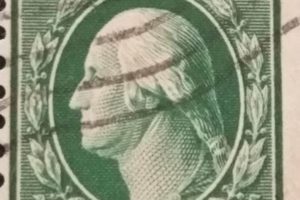
A one-cent postage stamp issued in a green color was a common feature of United States philately for many decades. For example, the 1861 one-cent Franklin stamp exemplifies this type of postage. These stamps, often featuring prominent figures or national symbols, served as a crucial element of affordable postal communication.
Inexpensive postage facilitated widespread correspondence and the dissemination of information across the nation. The accessibility afforded by low-denomination stamps like the one-cent variety proved essential for businesses, individuals, and the burgeoning postal service itself. Their historical significance lies in their role in connecting a growing nation and promoting communication during pivotal periods of American history. These small pieces of paper provide valuable insights into design trends, printing techniques, and the cultural climate of their era.
Further exploration of specific examples, such as the aforementioned 1861 issue or other notable green one-cent stamps, can offer a more detailed understanding of their unique characteristics and historical context. Additionally, examining printing variations, errors, and usage on historical documents can provide a deeper appreciation for their place in philatelic history.
Tips for Collectors of Early U.S. Postage
Careful consideration of several factors is crucial when evaluating early U.S. postage, particularly lower denominations like one-cent stamps. Condition, rarity, and historical context all contribute significantly to a stamp’s value and desirability.
Tip 1: Assess the condition. Examine the stamp carefully for any flaws such as tears, creases, thin spots, or fading. Even minor imperfections can significantly impact value.
Tip 2: Verify the centering. Ideally, the design should be evenly centered within the margins. Off-center examples are generally less desirable.
Tip 3: Determine the shade and color. Subtle variations in ink color can exist within a single printing. Specialized color guides can assist in identifying these nuances.
Tip 4: Check for perforations. Examine the perforations (small holes punched around the stamp) for their gauge (number of holes per two centimeters) and condition. Damaged or missing perforations diminish value.
Tip 5: Research the printing and issue date. Understanding the historical context of the stamp, including its printing method and date of issue, adds to its significance.
Tip 6: Consult a reputable philatelic resource. Catalogs, expert opinions, and reputable dealers can provide valuable insights into a stamp’s authenticity and worth.
Tip 7: Consider professional authentication. For particularly valuable stamps, certification by a recognized philatelic authority can provide added assurance and potentially increase value.
By following these guidelines, collectors can make informed decisions and build valuable collections that reflect the rich history of early U.S. postage. These tips offer a solid foundation for navigating the complexities of the philatelic market and appreciating the nuances of these historical artifacts.
Further research into specific examples, printing variations, and historical usage can deepen understanding and enhance the collecting experience.
1. Color
The color green plays a significant role in the identification and valuation of certain historical postage stamps, particularly within the context of United States philately. For one-cent stamps, the specific shade of green used provides crucial information regarding the printing period, potential rarity, and overall value. A deeper understanding of the “Color: Green” attribute requires an examination of its various facets.
- Ink Composition and Variations
Early stamp production relied on inks created with varying chemical compositions, resulting in subtle, and sometimes dramatic, color differences. Analyzing the specific green hues present on a stamp helps determine its printing date and origin. For example, a bluish-green might indicate an earlier printing than a yellowish-green. These variations can significantly impact a stamp’s market value.
- Fading and Color Shift
Environmental factors, such as light exposure and humidity, can cause color changes in stamps over time. A vibrant green might fade to a duller shade, affecting its condition and consequently its value. Recognizing these shifts is essential for accurate assessment and preservation.
- Printing Techniques and Color Consistency
Different printing methods employed throughout history influenced the consistency and uniformity of the green ink applied to stamps. Early engraved stamps often exhibit subtle color variations within the design, while later printings using different techniques may demonstrate greater uniformity. Understanding these nuances assists in authenticating and dating stamps accurately.
- Philatelic Significance of Color Nuances
Within philately, specialized terminology and guides exist to categorize and identify specific shades of green found on stamps. These detailed classifications aid collectors in differentiating between variations and recognizing rare color varieties. For instance, a stamp with a unique or uncommon shade of green, even within the same issue, might hold greater value due to its scarcity.
The color green, therefore, is not simply an aesthetic feature of these historical artifacts. Rather, it serves as a critical indicator of a stamp’s production period, printing method, and overall condition. Careful consideration of the specific shade of green, along with other factors, provides valuable insights into the history and significance of a given stamp. Further research using specialized color guides and philatelic resources allows for more precise identification and a deeper appreciation of these nuances.
2. Denomination
The “One Cent” denomination plays a crucial role in understanding the historical context and significance of the green one-cent stamp. This seemingly small monetary value represents a critical aspect of postal history, reflecting affordability and accessibility within communication networks. Examining this denomination reveals insights into economic factors, printing practices, and the evolving role of postage in society.
- Affordability and Accessibility
The one-cent denomination ensured widespread access to postal services. This low cost facilitated personal correspondence, business communications, and the dissemination of information across broad segments of the population. The affordability of one-cent postage contributed significantly to the growth and development of communication networks during pivotal periods of history.
- Printing Volume and Design Choices
The high demand for one-cent stamps necessitated large print runs, influencing design choices and printing techniques. Simplified designs and efficient printing methods were essential for producing these stamps in vast quantities to meet public demand. Examining these design elements provides insights into the technological advancements and economic considerations of the era.
- Rate Changes and Postal Reforms
Changes in postal rates and regulations directly impacted the usage and relevance of one-cent stamps. As postal rates fluctuated, the role of the one-cent stamp shifted, sometimes requiring supplemental postage or serving specific mailing needs. Understanding these rate changes provides a deeper understanding of the stamp’s historical context.
- Philatelic Significance of the Denomination
Within philately, the one-cent denomination often represents a starting point for collectors. These readily available stamps offer an accessible entry point into the hobby, allowing collectors to explore historical periods, printing variations, and design elements without significant financial investment. Furthermore, certain rare varieties or errors within the one-cent denomination can hold substantial value, adding another layer of interest for collectors.
The “One Cent” denomination, therefore, is not merely a face value; it represents a complex interplay of economic, social, and technological factors. By considering the implications of this denomination, one gains a deeper appreciation for the green one-cent stamp’s role in shaping communication networks and its enduring significance within philatelic history. Further research into specific examples, rate changes, and printing variations can provide a more nuanced understanding of this seemingly simple yet historically rich artifact.
3. Purpose
The fundamental purpose of the green one-cent stamp, as with all postage stamps, was to prepay postal services. This seemingly simple function facilitated the efficient and reliable delivery of mail across vast distances, connecting individuals, businesses, and communities. The “Purpose: Postage” designation underscores the stamp’s integral role in the development and expansion of communication networks. For example, during the 19th century, the availability of affordable one-cent postage facilitated widespread correspondence and the dissemination of information crucial for a rapidly growing nation. This prepayment system streamlined postal operations, allowing for standardized rates and efficient handling of large mail volumes.
The practical significance of understanding the “Purpose: Postage” lies in recognizing the stamp’s historical context. These small pieces of paper represent more than just payment for a service; they serve as tangible evidence of communication practices and social connections of past eras. Examining postal rates, usage patterns, and historical correspondence reveals insights into economic trends, social interactions, and the evolution of communication technologies. For instance, the prevalence of one-cent stamps on historical letters and documents provides evidence of the affordability of postal services and its impact on literacy and information sharing.
In summary, the “Purpose: Postage” designation highlights the green one-cent stamp’s essential function within historical communication systems. This understanding provides a crucial link to the stamp’s societal impact, revealing its contribution to economic development, social interaction, and the dissemination of information. Further investigation into postal history, rate changes, and usage patterns can offer a more comprehensive understanding of the stamp’s significance within its historical context and its enduring legacy as a philatelic artifact.
4. Era
The “Era: 19th/20th Century” designation provides crucial historical context for understanding the green one-cent stamp. This period witnessed significant advancements in printing technologies, postal reforms, and communication practices, all of which directly influenced the design, production, and usage of these stamps. Examining this era reveals valuable insights into the stamp’s evolution and its role within a rapidly changing society.
- Printing Technologies
The 19th and 20th centuries saw transformative advancements in printing, impacting the production of postage stamps. Early methods like engraving gave way to lithography, typography, and eventually rotary press printing. These changes influenced the appearance, quality, and production volume of one-cent stamps. For instance, the shift from engraved stamps with intricate details to simpler designs facilitated mass production to meet growing demand. Analyzing printing methods helps identify and authenticate stamps from specific periods.
- Postal Reforms and Regulations
Postal reforms during this era significantly impacted stamp usage. Changes in postal rates, mail delivery systems, and regulations directly influenced the demand and function of one-cent stamps. For example, the introduction of pre-paid postage through stamps revolutionized mail handling and facilitated widespread communication. Studying postal reforms clarifies the role of one-cent stamps within the evolving postal landscape.
- Communication and Social Context
The 19th and 20th centuries witnessed dramatic shifts in communication practices. The rise of mass media, increased literacy rates, and expanding social networks fueled demand for affordable postage. One-cent stamps became essential tools for personal correspondence, business transactions, and the dissemination of information. Examining the social context illuminates the stamp’s role in facilitating communication and connecting communities.
- Economic Factors and Material Costs
Economic conditions and material costs influenced stamp production and design. Fluctuations in paper and ink prices impacted printing choices, while economic downturns sometimes led to simpler designs and cost-saving measures. Understanding these economic factors provides insights into the materials and production methods employed in creating one-cent stamps.
The “Era: 19th/20th Century” designation provides essential background for comprehending the green one-cent stamp’s evolution. By considering the technological advancements, postal reforms, social context, and economic factors of this period, one gains a deeper understanding of the stamp’s production, usage, and enduring significance within philatelic history. Further research into specific historical events, printing techniques, and postal regulations can enhance this understanding and provide a richer appreciation for these small but historically significant artifacts.
5. Country
The designation “Country: United States” is essential for understanding the historical and philatelic context of the green one-cent stamp. It places the stamp within the specific framework of United States postal history, linking it to the nation’s unique development of communication networks, printing technologies, and economic influences. Examining this association provides valuable insights into the stamp’s production, usage, and significance.
- U.S. Postal Service History
The green one-cent stamp’s existence is inextricably linked to the evolution of the United States Postal Service. From its early beginnings as a colonial postal system to its development into a nationwide network, the USPS played a crucial role in shaping the stamp’s design, production, and distribution. For example, the standardization of postal rates and the introduction of pre-paid postage through stamps were key milestones that directly influenced the need for and usage of one-cent denominations. Understanding this historical context provides a foundation for appreciating the stamp’s role within the larger narrative of American communication.
- American Printing and Engraving Techniques
The production of green one-cent stamps relied on American printing and engraving techniques. The specific methods employed during different periods influenced the stamp’s appearance, quality, and overall design. For instance, early one-cent stamps often featured intricate engravings produced by skilled artisans, while later printings utilized different techniques to accommodate mass production and changing aesthetic trends. Examining these printing methods provides insights into the technological advancements and artistic influences prevalent within the United States during specific eras.
- Economic and Social Influences within the U.S.
Economic and social factors within the United States shaped the demand and usage of one-cent stamps. Fluctuations in postal rates, economic conditions, and communication practices all influenced the stamp’s role within American society. For example, periods of economic growth often saw increased mail volume and greater demand for affordable postage, while social trends impacted the types of correspondence and the frequency of mail usage. Analyzing these influences provides a deeper understanding of the stamp’s connection to broader historical trends.
- American Iconography and Symbolism
Green one-cent stamps often featured American iconography and symbolism, reflecting national identity and cultural values. The choice of imagery, from prominent figures like Benjamin Franklin to national symbols like the Liberty Bell, provides insights into the historical narratives and cultural priorities of the United States during different periods. Examining this symbolism enhances understanding of the stamp’s role as a cultural artifact and its reflection of American identity.
The “Country: United States” designation provides a crucial framework for interpreting the green one-cent stamp’s significance. By considering the stamp within the context of U.S. postal history, printing technologies, economic and social influences, and American iconography, one gains a deeper appreciation for its role in shaping communication networks and reflecting national identity. Further exploration of specific historical periods, printing variations, and postal regulations can enrich this understanding and provide a more nuanced perspective on this small but historically significant artifact.
Frequently Asked Questions
This section addresses common inquiries regarding one-cent stamps issued in green, offering concise and informative responses.
Question 1: What distinguishes a green one-cent stamp from other one-cent stamps?
The most obvious distinction lies in the ink color. However, variations in shades of green, alongside printing methods and design elements, further differentiate these stamps across various issues.
Question 2: How can one determine the value of a green one-cent stamp?
Several factors contribute to value, including condition, rarity, centering, shade of green, and historical context. Consulting specialized catalogs and expert opinions is recommended for accurate appraisals.
Question 3: Were all one-cent stamps issued in green?
No. One-cent stamps have been issued in various colors throughout history. Green was a common choice, but other colors, such as brown, red, and blue, were also utilized.
Question 4: What is the historical significance of the one-cent denomination?
The low denomination made postage accessible to a wider population, facilitating personal correspondence, business communication, and the dissemination of information crucial for societal development.
Question 5: How can one differentiate between genuine and counterfeit green one-cent stamps?
Careful examination of printing details, paper characteristics, and perforations is essential. Consulting experienced philatelists or seeking professional authentication is recommended for valuable specimens.
Question 6: Where can one acquire green one-cent stamps for a collection?
Reputable stamp dealers, auctions, online marketplaces, and philatelic societies offer avenues for acquiring these stamps. Thorough research and careful consideration of a seller’s reputation are advised.
Understanding the nuances of green one-cent stamps requires careful consideration of various factors. Consulting reputable resources and seeking expert opinions enhances one’s appreciation and facilitates informed collecting practices.
Further exploration of specific examples, printing variations, and historical context can deepen understanding and enhance the collecting experience. Please consult the following sections for more detailed information.
Green One Cent Stamp
Exploration of the green one-cent stamp reveals a multifaceted artifact reflecting historical communication practices, printing technologies, and economic influences. Analysis of color variations, the significance of the one-cent denomination, its purpose as postage, its historical era, and its association with the United States provides valuable insights. Careful consideration of these elements enhances understanding of its role in facilitating communication networks and its enduring legacy within philately.
The green one-cent stamp stands as a testament to the power of small things to hold significant historical meaning. Further research and exploration within specialized areas of philately offer opportunities for continued discovery and a deeper appreciation of these seemingly simple yet historically rich artifacts. Continued study promises to unveil further insights into the intricate connections between postage, communication, and history.