



Searching an 1847 first issue auction results archive is one of the smartest ways to understand the market for America’s first federally issued postage stamps. But a convincing price comparison requires more than finding two examples of Benjamin Franklin or George Washington and comparing their hammer prices. Color, cancellations, margins, repairs, provenance, and the terms of sale can turn seemingly similar stamps into very different auction lots.
This guide explains how to research the United States 1847 issue, interpret archived auction descriptions, and build useful price comparisons. Whether you are evaluating an inherited collection, preparing to bid, or studying postal history, the goal is the same: compare like with like and treat every recorded result as evidence, not as an automatic appraisal.
What Is the 1847 First Issue?
The United States issued its first federal postage stamps on July 1, 1847. The issue consisted of two imperforate designs: the 5-cent Benjamin Franklin, commonly listed as Scott 1, and the 10-cent George Washington, listed as Scott 2. Printed by Rawdon, Wright, Hatch & Edson, these engraved stamps predate perforations, so individual examples were separated from sheets by cutting between them.
The 5-cent stamp generally paid the rate for a letter weighing up to half an ounce sent 300 miles or less; the 10-cent value generally covered the same weight over a longer distance. Surviving covers—complete envelopes or folded letters bearing the stamps—can preserve evidence of how those rates worked in practice.
Both denominations are important to classic U.S. philately, but neither has a single market value. A sound, well-centered used stamp is not directly comparable with a repaired example, an unused stamp with questionable gum, or a historically significant cover.
What an 1847 First Issue Auction Results Archive Can Tell You
An auction archive records lots offered for sale, usually with photographs, descriptions, estimates, and sometimes final prices. Research several years of results to see how collectors respond to particular combinations of quality and rarity. A useful archive entry may include:
- Scott catalog number and denomination: Confirm whether the lot is a 5-cent Franklin or 10-cent Washington, and note any listed shade or variety.
- Sale date and auction house: These establish when and where the transaction occurred.
- Lot description and photographs: Read for margins, cancellation, faults, repairs, and details not obvious in a thumbnail.
- Realized price: Determine whether the reported figure is the hammer price or includes the buyer’s premium.
- Certificate and provenance: Look for expert opinions, named collections, and previous appearances at auction.
- Sale outcome: Check whether the lot sold, was withdrawn, or went unsold.
An estimate is not a sale price, and an unsold lot does not prove that every similar stamp is worth less than its estimate. Presentation, timing, reserve levels, and bidder interest can all affect the outcome.
Where to Find Reliable 1847 Stamp Auction Records
Start with searchable archives from established philatelic auction firms. Robert A. Siegel Auction Galleries, for example, maintains an extensive online archive of U.S. stamp sales. Other specialist auction houses and dealer sites may also publish past catalogs or selected results. Search by “Scott 1,” “Scott 2,” “1847 issue,” denomination, or a distinctive feature such as a red grid cancellation.
Printed auction catalogs, philatelic society publications, and specialized stamp databases can supplement online searches. The American Philatelic Society and specialist study groups are useful starting points for educational resources and research guidance. For expertization, collectors commonly encounter certificates from organizations such as the Philatelic Foundation and Professional Stamp Experts.
Do not assume every archive reports prices on the same basis. Some display the hammer price, while others show a realized price with the buyer’s premium included. Taxes, shipping, payment fees, and currency conversion may be excluded. Read the sale’s terms before placing figures side by side.
Search Beyond the Basic Catalog Number
Broad searches can return hundreds of lots, many of them poor comparisons. Narrow your query using terms that describe the actual item: “5c Franklin 1847 four margins,” “10c Washington 1847 cover,” or “Scott 1 unused no gum.” If an exact phrase produces few results, remove one qualifier at a time and inspect the catalog descriptions manually.
How to Compare Archived Auction Results
A strong comparison begins with an accurate description of the stamp you own or intend to buy. Record what you can observe, but avoid declaring a stamp sound or original-gum solely from a photograph. Then follow a consistent process:
- Identify the format. Separate single stamps, multiples, covers, and off-cover pieces. Their markets are related but not interchangeable.
- Match the denomination and variety. Compare Scott 1 with Scott 1 and Scott 2 with Scott 2, paying attention to any documented shade or catalog-listed variety.
- Match the condition. Look for similar margins, centering, cancellation, gum status, and disclosed faults.
- Read the full description. Note certificates, repairs, provenance, and postal markings before comparing prices.
- Normalize the result. Separate hammer price from premium-inclusive price and record the sale date and currency.
- Use several comparable sales. Consider a range rather than relying on one exceptional result.
A spreadsheet is useful even for a small research project. Include the sale and lot number so you can revisit the original listing. If a lot reappears, comparing photographs and descriptions can reveal new information, although a changed description does not automatically mean an earlier description was wrong.
Condition Factors That Drive 1847 Stamp Prices
Margins and Centering
Because the 1847 stamps are imperforate, collectors generally look for complete margins on all four sides. A margin touching or cutting into the design can materially affect desirability. Wide, balanced margins are often more appealing, but a dramatic price premium depends on the stamp’s overall quality and the preferences of bidders.
Examine high-resolution images carefully: a pale edge can make a margin appear wider than it is. On a cover, check whether the stamp has been lifted and replaced or whether the edges are obscured by adhesive, ink, or overlapping material.

Cancellations and Appearance
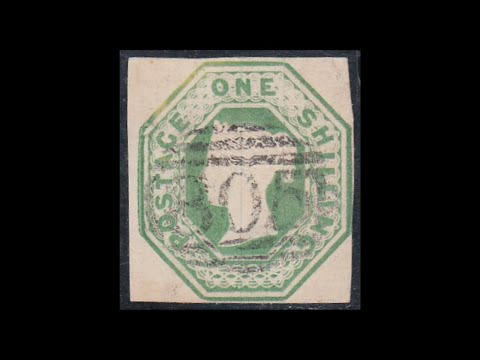
Many surviving 1847 stamps are used. Grid cancels and circular date stamps appear in different colors and intensities. A clear strike can add visual appeal or help establish postal history; a heavy cancel may obscure the portrait or make condition harder to assess. An unusual marking can attract specialist interest, but it should be authenticated and evaluated in context.
Faults, Repairs, and Gum
Creases, tears, thin spots, stains, and repairs can significantly change value. Some are difficult to detect in an online image. For unused examples, gum status matters: “original gum,” “part original gum,” and “no gum” are different descriptions, and an expert may also identify regumming. Read certificates closely, including their date and exact wording.
A certificate is an expert opinion, not a guarantee of resale price. For an expensive purchase, consider whether the certificate is recent enough for your purposes and whether the sale permits submission for a new opinion under stated conditions.
Comparison Table: Common 1847 Auction Lot Types
| Lot type | Key comparison points | Common research mistake |
| Used single | Margins, cancellation, faults, shade, certificate | Comparing a repaired stamp with a sound example |
| Unused single | Gum status, margins, authenticity, repairs | Assuming all unused stamps retain original gum |
| Cover | Rate, route, date, markings, stamp and cover condition | Valuing it as a loose stamp plus an arbitrary cover premium |
| Pair or multiple | Number of stamps, margins around the unit, condition and usage | Multiplying the price of a single without considering scarcity or faults |
| Specialized variety | Identification, documentation, visual traits, collector demand | Accepting a claimed variety without supporting evidence |
Reading Prices Realized Without Overpaying
Suppose an archive lists a hammer price of $1,000 and the sale terms specify a 20% buyer’s premium. The premium-inclusive price is $1,200 before any applicable taxes, shipping, or other charges. If another archive already reports prices including premium, comparing its $1,200 result with the first auction’s $1,000 hammer figure would be misleading.
For older sales, remember that a nominal price from decades ago does not represent the same purchasing power today. Inflation adjustment can add context, but it does not account for changes in collecting tastes, certification standards, or the supply of comparable material. Recent sales are often more useful for a current estimate, while older records can help establish provenance and long-term market history.
Exceptional results deserve special scrutiny. Two determined bidders, a celebrated collection, or a spectacular cover may produce a price that ordinary examples cannot support. Conversely, a weak photograph or overlooked fault may help explain a low result. Read the evidence around the number.
Why 1847 Covers Need Separate Research
An 1847 cover can be valuable for reasons beyond the stamp itself. Collectors study the postmark, destination, mailing date, route, rate, and relationship between the stamp and the postal markings. A cover documenting an unusual usage may appeal to both classic U.S. stamp collectors and postal historians.
Authenticity is especially important. A genuine stamp on an old envelope is not necessarily a genuine original use: stamps and markings can be added, altered, or reconstructed. Seek a specialist opinion when the purchase price or significance warrants it, and compare covers with similar routes and rate periods rather than with loose stamps.
Practical Tips for Buyers and Sellers
- Buyers: Set a maximum total cost, including premium and estimated additional charges, before bidding.
- Sellers: Share both sides of loose stamps, relevant certificates, and any known condition issues with the auction house.
- New collectors: Study several dozen archived lots before deciding what four margins, typical cancellations, and disclosed faults look like.
- Advanced researchers: Track provenance and repeat appearances, but verify that the pictured item is genuinely the same example.
- Everyone: Avoid cleaning, soaking, trimming, or attempting repairs; improper handling can destroy evidence and reduce value.
For a significant collection, a qualified philatelic appraiser or specialist auction house can assess items in person. An insurance appraisal, a retail asking price, and an expected auction realization serve different purposes, so explain why you need the valuation.
Conclusion: Build a Defensible Picture of the Market
The best 1847 first issue auction results archive is not simply a list of impressive prices. It is a body of evidence that helps you understand how condition, certification, provenance, and postal history affect demand. Document your item carefully, compare multiple genuinely similar lots, and check exactly what each reported price includes. That disciplined approach will not predict every auction outcome, but it will make your buying, selling, and collecting decisions far better informed.
Frequently Asked Questions
How do I find auction results for a 5-cent 1847 Franklin stamp?
Search specialist auction archives for “Scott 1,” “1847 5-cent Franklin,” and relevant condition terms. Review the full lot descriptions and sale terms, then compare several examples with similar margins, cancellations, faults, and certification.
How much is a 10-cent 1847 Washington stamp worth at auction?
There is no reliable single figure without examining the stamp. A sound four-margin example, a faulty copy, an unused stamp, and a cover can attract very different bids. Use recent comparable Scott 2 sales and seek an expert opinion for a consequential valuation.
Does an 1847 stamp need an expert certificate before auction?
Not every lot requires one, but a respected certificate can help bidders assess authenticity and condition, particularly for costly stamps, unusual varieties, and covers. Ask the auction house about its submission policies, fees, and treatment of conflicting opinions.
Are 1847 first issue auction estimates the same as final prices?
No. An estimate is the auction house’s pre-sale expectation or guide. The hammer price is the accepted bid, while the amount paid may also include a buyer’s premium and other charges. Some offered lots do not sell.
What makes an 1847 stamp on cover more desirable?
Collectors consider the authenticity of the usage, postal rate, destination, route, date, markings, and overall condition. Rarity can matter, but an unusual claim should be supported by evidence and compared with documented postal history.
