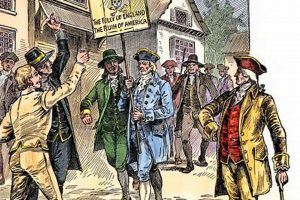
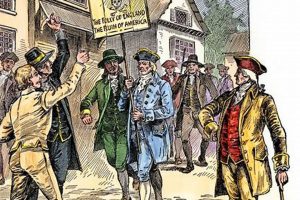
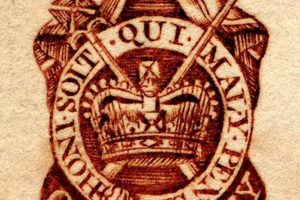
A symbolic representation of colonial resistance to British taxation policies, often depicted as a skull and crossbones with the words “Stamp Act” inscribed, served as a potent visual protest against the 1765 act. This imagery appeared on flags, pamphlets, and other printed materials, vividly expressing discontent with the tax imposed on all printed paper goods in the American colonies.
This powerful symbol effectively communicated colonial outrage and solidified opposition, fueling the growing movement for independence. It tapped into visceral fears surrounding mortality and injustice, conveying the perceived threat to colonial liberties in a stark and memorable way. The imagery’s historical context lies within a larger framework of protests, boycotts, and intellectual arguments against British policies, ultimately contributing to the escalation of tensions leading to the American Revolution.
Further exploration of this historical period reveals the significance of various forms of protest and resistance. Examination of the political and social climate, as well as the specific grievances that led to the American Revolution, provides a richer understanding of the era and the power of symbols like this one.
Understanding Colonial Resistance Through Symbolism
Examining the historical context and symbolism surrounding the Stamp Act era provides valuable insights into the complexities of colonial resistance.
Tip 1: Research primary sources. Explore original documents, letters, and pamphlets from the period to gain firsthand accounts of the impact of the Stamp Act and the reactions it provoked.
Tip 2: Analyze the symbolism. Consider the meaning behind the skull and crossbones motif and its association with mortality and injustice within the context of colonial resistance.
Tip 3: Investigate different forms of protest. Research beyond the symbolic representation to understand the broader range of resistance activities, including boycotts, public demonstrations, and intellectual arguments.
Tip 4: Study the political climate. Examine the power dynamics between Great Britain and the American colonies, including the role of Parliament, colonial legislatures, and key political figures.
Tip 5: Explore the social impact. Consider how the Stamp Act affected different social groups within the colonies and how these groups participated in resistance efforts.
Tip 6: Connect to broader themes. Relate the resistance to the Stamp Act to larger themes of liberty, self-governance, and the development of American identity.
Gaining a deeper understanding of this historical period provides invaluable context for interpreting the significance of the Stamp Act and its role in shaping the course of American history.
Through these explorations, one can develop a more nuanced perspective on the events that culminated in the American Revolution.
1. Symbol of Resistance

The “Stamp Act skull” functioned as a potent symbol of resistance against British authority in the American colonies. The skull and crossbones motif, a traditional memento mori, symbolized mortality and served as a stark warning against the perceived deadly consequences of the Stamp Act. By associating the skull with the Act, colonists visually represented the threat to their liberties and livelihoods. This symbolism resonated deeply within a culture familiar with such imagery, effectively communicating complex political ideas in a readily understandable manner. The deliberate choice of this symbol highlights the colonists’ intent to portray the Stamp Act not merely as an economic burden but as an existential threat. Its appearance on flags carried during protests transformed the symbol into a rallying point, galvanizing opposition and fostering a sense of collective defiance.
The use of the “Stamp Act skull” demonstrates the power of visual rhetoric in political mobilization. Symbols can condense complex arguments into easily digestible images, enabling widespread understanding and fostering collective action. The skull’s effectiveness stemmed from its pre-existing cultural associations with death and danger, lending gravity and urgency to the colonists’ cause. Examples of its use on printed materials, such as pamphlets and broadsides, further amplified its message, disseminating the symbol of resistance throughout the colonies and solidifying opposition to the Stamp Act. The emotional impact of the imagery contributed significantly to the growing discontent and fueled the momentum towards revolution.
Understanding the “Stamp Act skull” as a symbol of resistance provides crucial insight into the methods and motivations of colonial protestors. It underscores the importance of symbolism in political movements and demonstrates how visual language can effectively communicate dissent and mobilize collective action. Examining this symbol allows for a deeper appreciation of the complexities of the American Revolution and the diverse means through which colonists expressed their opposition to British policies. Furthermore, it highlights the enduring power of symbols to encapsulate and convey complex political messages across time and cultures.
2. Visual Protest

The “Stamp Act skull” stands as a prime example of visual protest during the American colonial period. Visual protests utilize symbolism and imagery to communicate dissent and mobilize public opinion. The effectiveness of the “Stamp Act skull” resided in its ability to convey complex political arguments through a readily understandable visual metaphor. The skull and crossbones, a well-established symbol of mortality, effectively communicated the colonists’ perception of the Stamp Act as a threat to their liberties and economic well-being. This visual representation resonated powerfully with a broad audience, transcending literacy barriers and fostering a sense of shared grievance. Unlike written protests, which required literacy and access to printed materials, visual symbols could be easily disseminated and understood by a wider population. Flags bearing the “Stamp Act skull” served as focal points during public demonstrations, amplifying the message of resistance and fostering a sense of collective identity among protestors.
The historical context further underscores the importance of visual protest during this era. In a society where public discourse was often controlled by elite groups, visual symbols offered a powerful means for marginalized voices to express dissent. The “Stamp Act skull,” appearing on pamphlets, broadsides, and even graffiti, circumvented traditional channels of communication and allowed colonists to directly challenge British authority. Examples of other visual protests during this period, such as the hanging of effigies representing British officials, further illustrate the significance of visual communication in mobilizing public opinion and challenging established power structures. The “Stamp Act skull” served not only as a symbol of resistance but also as a catalyst for broader public engagement in the political debates of the time.
Understanding the role of visual protest in the context of the “Stamp Act skull” provides valuable insights into the dynamics of power, communication, and resistance during the American colonial period. The deliberate use of emotionally charged imagery underscores the effectiveness of visual rhetoric in shaping public opinion and mobilizing collective action. The legacy of the “Stamp Act skull” extends beyond its immediate historical context, demonstrating the enduring power of visual symbols in political discourse and social movements. Analyzing such historical examples illuminates the ongoing relevance of visual protest in contemporary society and its capacity to challenge injustice and promote social change.
3. Colonial Defiance

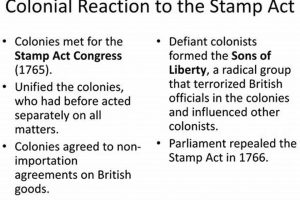
The “stamp act skull” served as a potent symbol of colonial defiance against British rule in the mid-18th century. The act, requiring a tax on all printed materials, sparked widespread resentment in the American colonies. The skull imagery, representing mortality and danger, underscored the perceived threat to colonial liberties and livelihoods. This visual representation of defiance resonated with colonists from various social strata, effectively uniting them against a common enemy. The symbol’s presence on flags, pamphlets, and other printed materials transformed it into a rallying point, fostering a sense of collective resistance. Instances of public demonstrations and organized boycotts of British goods further illustrate the tangible impact of this symbolic defiance. The burning of effigies of tax collectors and the formation of groups like the Sons of Liberty demonstrate the escalating resistance fueled by the symbolic power of the “stamp act skull.”
Analyzing the connection between the “stamp act skull” and colonial defiance reveals the significance of symbolic representation in mobilizing political movements. The symbol’s effectiveness stemmed from its ability to communicate complex political ideas in a readily understandable visual form. This accessibility transcended literacy barriers, allowing the message of resistance to reach a wider audience. The emotional impact of the skull imagery further amplified its effectiveness, tapping into existing cultural anxieties and fueling the growing discontent with British rule. The “stamp act skull” thus functioned not merely as a symbol of protest but as a catalyst for concrete acts of defiance, contributing to the escalation of tensions that ultimately led to the American Revolution. Examining specific historical events, such as the Stamp Act Congress and the Boston Tea Party, reveals the escalating nature of colonial resistance and the role of symbolic defiance in shaping the course of history.
Understanding the interplay between the “stamp act skull” and colonial defiance provides crucial insight into the dynamics of resistance movements. The symbol’s power lay in its ability to unite disparate groups under a common banner of resistance, effectively challenging established power structures. The “stamp act skull” demonstrates the enduring power of symbols to encapsulate and convey complex political messages, mobilizing collective action and shaping the course of historical events. Challenges to British authority persisted even after the repeal of the Stamp Act, highlighting the lasting impact of this symbolic defiance on the colonial psyche and the growing movement towards independence. This understanding offers valuable perspective on the power of symbolic representation in contemporary social and political movements.
4. Mortality Imagery

The “stamp act skull” leveraged mortality imagery to amplify its message of protest and resistance against British taxation policies. The skull and crossbones motif, a well-established symbol of death, served as a powerful visual metaphor for the perceived threat to colonial liberties and livelihoods. This deliberate evocation of mortality heightened the emotional impact of the symbol, resonating with deeply ingrained cultural anxieties and anxieties surrounding death and injustice. Understanding the role of mortality imagery is crucial for interpreting the full significance of the “stamp act skull” within its historical context.
- Memento Mori Tradition
The “stamp act skull” draws upon the long-standing memento mori tradition, which utilizes artistic and symbolic representations of death as a reminder of human mortality. This tradition, prevalent in Western art and culture for centuries, served to encourage reflection on the fleeting nature of life and the inevitability of death. By incorporating the skull and crossbones, a classic memento mori motif, the “stamp act skull” tapped into this pre-existing cultural understanding, imbuing the symbol with a sense of gravity and urgency. Examples of memento mori can be found in various art forms, from paintings and sculptures to jewelry and literature. The use of this established tradition amplified the “stamp act skull’s” message, emphasizing the perceived severity of the Stamp Act and its potential consequences for the colonies.
- Threat to Liberty and Livelihood
The “stamp act skull” utilized mortality imagery to represent the perceived existential threat posed by the Stamp Act to colonial liberties and economic well-being. The skull symbolized not only physical death but also the death of freedom and prosperity. This association heightened the emotional impact of the symbol, portraying the Stamp Act not merely as an economic burden but as a direct threat to the colonists’ way of life. The perceived severity of this threat, visually represented by the skull, fueled colonial resistance and galvanized opposition to British policies. The “stamp act skull” effectively communicated the message that the stakes were incredibly high, motivating colonists to take action to protect their liberties and livelihoods.
- Visceral Impact and Emotional Resonance
Mortality imagery, by its very nature, evokes strong emotional responses. The “stamp act skull” capitalized on this visceral impact to amplify its message of resistance. The skull, a universally recognized symbol of death, tapped into deep-seated fears and anxieties, creating a sense of urgency and motivating collective action. This emotional resonance contributed significantly to the symbol’s effectiveness in mobilizing public opinion and galvanizing opposition to the Stamp Act. The use of such emotionally charged imagery underscores the power of visual rhetoric in political movements and its ability to influence public perception and behavior.
- Political Martyrdom and Sacrifice
While less explicit than the direct threat to life, the “stamp act skull” also hinted at the potential for political martyrdom and sacrifice. The willingness to risk one’s life and livelihood for the cause of liberty became a powerful theme within the growing resistance movement. The skull, in this context, could be interpreted not only as a symbol of death but also as a representation of the sacrifices colonists were prepared to make in defense of their freedoms. This notion of sacrifice further fueled the revolutionary spirit and contributed to the escalating tensions between the colonies and Great Britain. The idea that colonists might face death for their beliefs underscored the seriousness of the situation and strengthened their resolve to resist British policies.
The strategic deployment of mortality imagery in the “stamp act skull” significantly contributed to its effectiveness as a symbol of resistance. By tapping into pre-existing cultural anxieties and evoking strong emotional responses, the symbol amplified its message and mobilized colonists to action. Understanding the multifaceted role of mortality imagery provides crucial context for interpreting the historical significance of the “stamp act skull” and its contribution to the growing movement for American independence.
5. Anti-taxation emblem

The “stamp act skull” functioned as a potent anti-taxation emblem during the American colonial period. The Stamp Act of 1765, which imposed a tax on all printed materials, sparked widespread resistance throughout the colonies. The “stamp act skull,” often depicted with the words “Stamp Act” inscribed on the forehead, directly linked the symbol of mortality with the tax itself. This association effectively communicated the colonists’ perception of the act as a threat to their economic well-being and political liberties. The symbol’s presence on flags, pamphlets, and other printed materials transformed it into a rallying point for those opposed to the tax, fostering a sense of collective resistance and fueling protests throughout the colonies. The use of the skull imagery, already associated with mortality and danger, further amplified the message of protest, underscoring the perceived severity of the tax and its potential consequences. This direct visual connection between the skull and the tax solidified the “stamp act skull’s” status as a central anti-taxation emblem of the era. Historical accounts of protests and boycotts organized in response to the Stamp Act provide further evidence of the symbol’s widespread use and its effectiveness in mobilizing public opinion against the tax. The “stamp act skull’s” role as an anti-taxation emblem demonstrates the power of visual symbols to encapsulate complex political arguments and effectively communicate dissent to a broad audience. Examples such as the Sons of Liberty utilizing the symbol in their protests highlight its practical significance in organizing and mobilizing resistance.
Examining the “stamp act skull” as an anti-taxation emblem provides valuable insight into the broader historical context of the American Revolution. The colonists’ resistance to the Stamp Act represented not merely an objection to a specific tax but a broader rejection of British policies perceived as infringing upon colonial autonomy. The “stamp act skull,” as a symbol of this resistance, helped to crystallize and disseminate these complex political arguments, fueling the growing movement towards independence. Analyzing the symbol’s use in conjunction with other forms of protest, such as boycotts and public demonstrations, provides a more comprehensive understanding of the multifaceted nature of colonial resistance. The “stamp act skull’s” legacy extends beyond the immediate context of the Stamp Act, serving as a powerful reminder of the role of symbolic representation in challenging unjust policies and mobilizing collective action. The symbol’s continued relevance can be observed in subsequent historical and contemporary examples of protest movements utilizing similar tactics to communicate dissent and advocate for social change.
Understanding the significance of the “stamp act skull” as an anti-taxation emblem is crucial for interpreting the political and social climate of the American colonial period. The symbol’s effectiveness in mobilizing public opinion against the Stamp Act underscores the power of visual rhetoric and its ability to transcend literacy barriers and resonate with a broad audience. This analysis contributes to a deeper appreciation of the complex interplay of factors that led to the American Revolution and highlights the enduring power of symbols in shaping historical events. The challenges faced by colonists in expressing their dissent against British policies underscore the importance of innovative forms of protest, such as the use of visual symbols, in challenging established power structures. Connecting the “stamp act skull” to broader themes of representation, resistance, and revolution provides a framework for understanding its lasting impact on American history and its continued relevance in contemporary political discourse.
Frequently Asked Questions
This FAQ section addresses common inquiries regarding the historical context and significance of the “stamp act skull” symbol.
Question 1: What is the “stamp act skull”?
The “stamp act skull” is a historical symbol of protest against the British Stamp Act of 1765. It typically depicts a skull and crossbones, often with the words “Stamp Act” inscribed, representing colonial resistance to the tax imposed on printed materials.
Question 2: Why was the skull used as a symbol of protest?
The skull, a traditional memento mori, symbolized mortality and served as a stark warning against the perceived detrimental consequences of the Stamp Act on colonial liberties and economic well-being. This visual metaphor effectively communicated complex political arguments in a readily understandable manner.
Question 3: Where did the “stamp act skull” appear?
The symbol appeared on various printed materials, including flags, pamphlets, and broadsides. Its presence on flags carried during protests transformed it into a rallying point for colonists opposed to the Stamp Act.
Question 4: How did the “stamp act skull” contribute to colonial resistance?
The symbol effectively communicated dissent and fostered a sense of collective resistance among colonists. Its visual impact transcended literacy barriers, enabling widespread understanding of the grievances against British policies. It fueled protests and became a symbol of defiance against British rule.
Question 5: What is the historical significance of the “stamp act skull”?
The symbol represents a pivotal moment in colonial resistance leading up to the American Revolution. It demonstrates the power of visual rhetoric in political mobilization and highlights the importance of symbolic representation in challenging unjust policies.
Question 6: How does the “stamp act skull” relate to broader themes of the American Revolution?
The symbol encapsulates key themes of the American Revolution, including resistance to taxation without representation, the struggle for self-governance, and the assertion of colonial identity. It serves as a visual representation of the growing discontent that ultimately led to the fight for independence.
Understanding the historical context and symbolism of the “stamp act skull” provides valuable insight into the complexities of colonial resistance and the events that shaped the American Revolution. The symbol’s enduring legacy lies in its demonstration of the power of visual communication in political movements.
Further exploration of primary sources and historical accounts can enrich one’s understanding of the Stamp Act and its impact on the American colonies.
Conclusion
Examination of the “stamp act skull” reveals its function as a potent symbol of colonial resistance against British taxation policies. Analysis demonstrates the symbol’s effectiveness in communicating dissent through readily understandable visual language. The skull and crossbones motif, evoking mortality and danger, underscored the perceived threat to colonial liberties. Its presence on flags, pamphlets, and other media solidified its role as a rallying point in organized protests. The symbol’s historical context within the broader movement against the Stamp Act of 1765 highlights its contribution to escalating tensions and the growing momentum towards revolution.
The “stamp act skull” stands as a testament to the power of visual rhetoric in political mobilization. This symbol’s historical significance underscores the importance of understanding how visual language can shape public discourse and influence the course of historical events. Further investigation into the diverse methods of colonial resistance provides deeper insight into the complexities of the American Revolution. Continued scholarly examination of such symbols enriches historical understanding and offers valuable perspectives on the dynamics of power, protest, and social change.