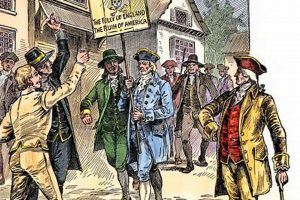
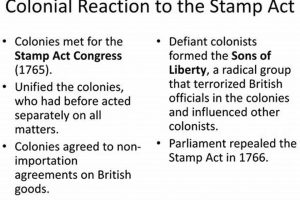
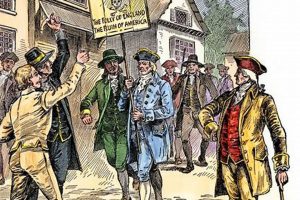
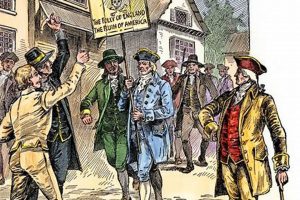
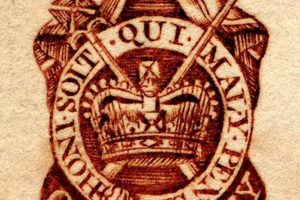
Visual satires, often etched or engraved and widely circulated during the mid-18th century, frequently depicted the controversial British tax levied on the American colonies. These images often portrayed symbolic figures representing colonial interests or British authority, such as Britannia or a stamp distributor. One common example shows a skeleton representing the Stamp Act looming over colonial merchants.
These pictorial representations served as powerful tools of protest and dissemination of dissenting opinions regarding taxation without representation. They bypassed literacy barriers, communicating complex political ideas through readily understood imagery. By fostering a sense of shared grievance and mobilizing public opinion, such graphics played a significant role in the escalating tensions that ultimately led to the American Revolution. Their readily accessible nature made them crucial elements of popular resistance.
This visual language of protest offers valuable insights into the social and political climate of the pre-revolutionary era. Exploring these historical artifacts provides a deeper understanding of the popular response to British policies and the growing discontent that fueled the fight for independence. This examination will further delve into specific examples and their symbolism, analyzing their impact on colonial society and their contribution to the narrative of the American Revolution.
Tips for Analyzing Historical Political Cartoons
Careful examination of visual satire provides valuable insights into historical contexts. The following guidelines offer a framework for interpreting such imagery, particularly those related to events like the Stamp Act.
Tip 1: Identify Key Figures and Symbols: Note any recognizable figures (e.g., Britannia, colonial figures) or symbols (e.g., liberty cap, stamps). Research their historical significance to understand their intended meaning within the cartoon.
Tip 2: Analyze the Composition and Layout: Consider the placement and size of figures or objects. Larger, centrally placed figures often represent dominant ideas or powers. Observe the relationships between figures to understand the cartoonist’s message.
Tip 3: Decipher the Message and Intended Audience: Determine the cartoonist’s viewpoint on the Stamp Act. Was the cartoon aimed at a colonial audience to incite resistance or a British audience to critique the policy?
Tip 4: Consider the Historical Context: Research the political and social climate surrounding the Stamp Act’s enactment. Understanding this context illuminates the cartoon’s purpose and potential impact.
Tip 5: Evaluate the Cartoon’s Effectiveness: Assess the cartoon’s success in conveying its message. Consider its visual impact, clarity, and potential influence on public opinion.
Tip 6: Compare and Contrast Different Cartoons: Examining multiple cartoons from the period can reveal different perspectives and arguments surrounding the Stamp Act. Comparing and contrasting their styles and messages provides a richer understanding of the historical discourse.
Employing these analytical strategies offers a deeper understanding of historical political cartoons as primary sources, providing nuanced perspectives on the social and political climates they represent. Such analysis allows for a richer appreciation of the historical narratives shaped by these visual artifacts.
By applying these techniques, one can effectively utilize historical imagery to gain deeper insights into the past and the complex interplay of events and opinions that shaped it. Further investigation into related primary source materials can further enhance comprehension of this historical period.
1. Visual Satire

Visual satire played a crucial role in disseminating dissenting opinions regarding the Stamp Act. These graphic representations, often etched or engraved, provided a powerful medium for expressing complex political ideas in a readily accessible format, bypassing literacy barriers and resonating with a wider audience.
- Exaggeration and Caricature
Exaggerated features and distorted depictions of individuals, such as oversized noses or grotesque expressions, were employed to ridicule and criticize British officials and their policies. This technique aimed to undermine their authority and expose the perceived injustice of the Stamp Act. A prominent example includes depictions of stamp distributors as demonic or monstrous figures.
- Symbolic Representation
Symbols like the liberty cap, skull and crossbones, and Britannia were strategically employed to convey complex political messages. For example, a skull and crossbones might symbolize the Stamp Act’s perceived threat to colonial liberties. The use of recognizable symbols allowed for immediate comprehension of the cartoon’s message.
- Humor and Irony
Cartoons often employed humor and irony to critique the Stamp Act and its proponents. This could involve depicting British officials in absurd situations or juxtaposing their pronouncements with the realities of colonial life. The use of humor served to both entertain and engage audiences while simultaneously conveying a serious political message.
- Dissemination and Impact
The widespread circulation of these cartoons, often through newspapers and pamphlets, contributed significantly to shaping public opinion and mobilizing resistance against the Stamp Act. Their accessibility and visual impact made them powerful tools of propaganda, fostering a sense of shared grievance amongst the colonists.
The effectiveness of visual satire during the Stamp Act crisis underscores the power of images in shaping public discourse and political action. These cartoons, through exaggeration, symbolism, humor, and widespread dissemination, played a vital role in galvanizing colonial resistance and contributing to the escalating tensions that ultimately led to the American Revolution. Their analysis provides valuable insights into the social and political climate of the pre-revolutionary era and the potent role of visual communication in historical events.
2. Political Commentary

Political commentary inherent in Stamp Act cartoons served as a crucial tool for disseminating dissenting opinions and shaping public discourse during the pre-revolutionary era. These visual pronouncements offered pointed critiques of British policies, contributing significantly to the growing unrest in the American colonies. Analysis of their content reveals sophisticated arguments against taxation without representation and other grievances.
- Taxation Without Representation
Cartoons frequently depicted the unfairness of imposing taxes on colonists without their consent or representation in the British Parliament. Images often portrayed colonists being burdened by heavy stamps or depicted the act as a form of theft. These visualizations resonated with colonial audiences, fueling resentment against British rule.
- Loss of Liberty
The perceived threat to colonial liberties posed by the Stamp Act was a recurring theme. Cartoons often employed symbols like the liberty cap or chains to represent the potential loss of freedom under British policies. Such imagery served as a rallying cry for colonists concerned about the erosion of their rights.
- British Oppression
Many cartoons portrayed British officials as tyrannical and oppressive figures, further solidifying anti-British sentiment. These depictions often exaggerated the harshness of British policies, portraying them as deliberate attempts to subjugate the colonies. This characterization fueled colonial anger and resistance.
- Economic Hardship
The Stamp Act’s potential negative economic impact on colonial businesses and trade was also highlighted. Cartoons might depict merchants struggling under the weight of the tax or businesses being forced to close. This emphasis on economic hardship underscored the practical consequences of the act and broadened opposition to it.
By visually articulating these complex political arguments, Stamp Act cartoons effectively mobilized public opinion against British policies. These visual commentaries served as powerful propaganda tools, fostering a sense of shared grievance and contributing to the escalating tensions that ultimately led to the American Revolution. Their study provides invaluable insights into the political climate of the period and the role of visual rhetoric in shaping historical events.
3. Colonial Resistance

Colonial resistance to the Stamp Act found a powerful voice in the widespread dissemination of satirical cartoons. These visual representations served as vital tools for mobilizing public opinion and fostering a sense of unified opposition against British policies. Examining the interplay between these cartoons and the broader resistance movement reveals their significant contribution to the escalating tensions that preceded the American Revolution.
- Popular Mobilization
Cartoons effectively bypassed literacy barriers, communicating complex political ideas through readily understood imagery. This accessibility made them powerful tools for mobilizing a broad spectrum of colonial society, including those who could not read or write. Images depicting the negative consequences of the Stamp Act fostered a shared sense of grievance and encouraged collective action against it.
- Dissemination of Dissenting Opinions
The widespread circulation of these cartoons, often through newspapers and pamphlets, facilitated the rapid dissemination of dissenting opinions throughout the colonies. This helped to create a unified front against the Stamp Act by spreading awareness of its perceived injustices and mobilizing support for resistance efforts.
- Shaping Public Discourse
Stamp Act cartoons played a significant role in shaping public discourse by providing a visual language for expressing grievances and challenging British authority. The evocative imagery and satirical messages resonated with colonial audiences, fostering a climate of dissent and contributing to the growing momentum of the resistance movement.
- Fueling Revolutionary Sentiment
By portraying the Stamp Act as a symbol of British oppression and a threat to colonial liberties, these cartoons fueled revolutionary sentiment. The potent combination of visual satire and political commentary effectively mobilized public opinion and contributed to the escalating tensions that ultimately led to the American Revolution.
The effectiveness of Stamp Act cartoons as tools of colonial resistance underscores the power of visual communication in shaping political and social change. These satirical depictions served not only as expressions of discontent but also as catalysts for collective action, playing a crucial role in the events that led to American independence. By fostering a sense of shared identity and purpose, these cartoons helped forge a united colonial front against British policies, contributing significantly to the narrative of the American Revolution.
4. Propaganda Tool
Stamp Act cartoons functioned as powerful propaganda tools during the pre-revolutionary period. These seemingly simple images played a sophisticated role in shaping public opinion and mobilizing resistance against British policies. Analyzing their function as propaganda reveals their calculated use of visual rhetoric to influence colonial audiences and contribute to the growing unrest.
- Emotional Appeal
Stamp Act cartoons often evoked strong emotional responses, particularly anger and resentment, towards British policies. Images depicting the perceived injustice of taxation without representation or the potential loss of colonial liberties were designed to stir public indignation and fuel resistance. A common example includes depictions of colonists being forced to pay exorbitant taxes to fund British troops, eliciting feelings of exploitation and unfair treatment.
- Simplification and Demonization
These cartoons frequently simplified complex political issues and demonized British authorities. British officials were often portrayed as tyrannical or corrupt figures, reinforcing negative stereotypes and fostering distrust. This simplification of complex issues into easily digestible visual narratives made them accessible to a broader audience and effectively shaped public perception of the British government.
- Dissemination and Repetition
The widespread distribution of these cartoons, often through newspapers and pamphlets, ensured their message reached a wide audience. The repetition of key themes and symbols further reinforced their impact, effectively embedding these messages within the colonial consciousness. Their readily available nature, coupled with the repetition of core messages, amplified their influence and helped solidify anti-British sentiment.
- Us vs. Them Mentality
Stamp Act cartoons frequently fostered an “us vs. them” mentality by depicting colonists as victims of British oppression. This polarization of viewpoints strengthened colonial unity and fueled the growing divide between the colonies and the British government. By portraying colonists as a unified group facing an external threat, these cartoons fostered a sense of shared identity and purpose, contributing to the growing resistance movement.
Understanding the propaganda function of Stamp Act cartoons provides crucial insights into their effectiveness in mobilizing colonial resistance. These images were not merely artistic expressions but carefully crafted tools designed to influence public opinion and contribute to the escalating tensions that ultimately led to the American Revolution. Their strategic use of emotional appeals, simplification, widespread dissemination, and the creation of an “us vs. them” mentality highlights their potent role in shaping the historical narrative of the period.
5. Historical Primary Source
Stamp Act cartoons hold significant value as historical primary sources, offering direct insights into the social, political, and economic climate of the American colonies during the pre-revolutionary era. These visual artifacts provide a unique perspective on colonial attitudes towards British policies, offering a window into the popular sentiment that fueled resistance and ultimately led to the American Revolution. Their analysis allows historians to understand the complexities of the period through the lens of those who lived through it.
These cartoons, unlike secondary sources which offer interpretations of past events, provide firsthand evidence of colonial perspectives. They capture the raw emotions, anxieties, and political arguments circulating within colonial society. For instance, a cartoon depicting a snake severed into segments, each labeled with a colony’s name, visually represents the popular “Join, or Die” sentiment advocating colonial unity against the Stamp Act. Such depictions offer invaluable insights into the strategies employed to galvanize resistance and the arguments used to justify opposition to British policies. The symbolic language employed in these cartoons provides a deeper understanding of the cultural context and the ways in which colonists conceptualized their grievances.
Understanding these cartoons as primary sources necessitates careful contextualization. Factors such as the cartoon’s date of creation, intended audience, and the artist’s background inform interpretations of their message. The study of concurrent historical documents, such as letters, pamphlets, and newspaper articles, further enhances comprehension of the cartoon’s significance. This multi-faceted approach to historical analysis allows for a more nuanced understanding of the Stamp Act’s impact and the complex interplay of social, political, and economic factors that shaped colonial resistance. While these cartoons provide valuable insights, acknowledging potential biases inherent in any primary source remains crucial for a balanced historical interpretation. Recognizing the cartoonist’s political leanings and intended message allows for a more critical and nuanced understanding of their historical significance.
6. Symbolic Representation

Symbolic representation constituted a core element of Stamp Act cartoons, enabling complex political messages to transcend literacy barriers and resonate with a broad colonial audience. These symbols, imbued with cultural and historical significance, conveyed nuanced meanings readily understood within the context of escalating tensions with Great Britain. Analysis of this visual language reveals sophisticated arguments against British policies and offers insights into the evolving colonial identity.
The “liberty tree,” frequently depicted in these cartoons, symbolized colonial autonomy and resistance to British oppression. Its presence reinforced the colonists’ claim to self-governance and their rejection of external control. Similarly, depictions of Britannia, often portrayed as shackled or distressed, represented the perceived threat to British liberty posed by the Stamp Act itself. This ironic use of British symbolism underscored colonial arguments against the act’s perceived infringement on traditional British freedoms. Another prevalent motif, the skull and crossbones, symbolized the perceived threat the Stamp Act posed to colonial economic prosperity and individual livelihoods. This potent symbol effectively communicated the potential dire consequences of British policies. Figures like the stamp distributor, often depicted as demonic or monstrous, became symbolic representations of British oppression and the perceived injustice of taxation without representation.
Understanding the symbolic language embedded within Stamp Act cartoons provides crucial access to the political and social climate of the pre-revolutionary era. These visual metaphors served as powerful tools of persuasion, mobilizing public opinion and fostering a sense of shared grievance against British policies. By decoding this symbolic vocabulary, historical analysis gains deeper insights into the cultural context, anxieties, and motivations driving colonial resistance. This understanding allows for a more nuanced appreciation of the complex historical narrative leading to the American Revolution and the role of visual communication in shaping historical events.
Frequently Asked Questions about Stamp Act Cartoons
This section addresses common inquiries regarding visual satires produced during the Stamp Act crisis, providing further context for their historical significance.
Question 1: Why were cartoons such an effective medium for protesting the Stamp Act?
Cartoons effectively communicated complex political messages through readily understood imagery, bypassing literacy barriers and resonating with a wider audience than text-based media. Their visual nature made them easily shareable and impactful.
Question 2: What specific symbols frequently appear in Stamp Act cartoons, and what do they represent?
Common symbols include the liberty tree (representing colonial autonomy), Britannia (often depicted in distress, symbolizing the perceived threat to British liberty), skull and crossbones (representing economic hardship and mortality), and depictions of stamp distributors as demonic figures (symbolizing British oppression).
Question 3: How did these cartoons contribute to colonial resistance?
They mobilized public opinion by disseminating dissenting viewpoints and fostering a sense of shared grievance against British policies. Their accessibility and emotional impact fueled resistance efforts and contributed to the growing tensions between the colonies and Great Britain.
Question 4: Where can one find examples of Stamp Act cartoons today?
Examples can be found in digital archives of major libraries and museums, such as the Library of Congress and the British Museum. Several scholarly books and articles also reproduce and analyze these historical artifacts.
Question 5: Beyond the Stamp Act, did political cartoons continue to play a role in the American Revolution?
Yes, political cartoons remained a significant form of expression throughout the American Revolution, continuing to shape public opinion and contribute to the revolutionary cause on both sides of the conflict. They documented key events and personalities, serving as valuable historical records of the era.
Question 6: How can one analyze a Stamp Act cartoon effectively?
Effective analysis involves identifying key figures and symbols, analyzing the composition and layout, deciphering the intended message and audience, considering the historical context, evaluating the cartoon’s effectiveness, and comparing and contrasting it with other cartoons from the period.
Understanding the historical context, symbolism, and intended audience of Stamp Act cartoons is crucial for appreciating their significance as primary sources. These seemingly simple images offer valuable insights into the complex political and social climate of the pre-revolutionary era and the power of visual rhetoric in shaping historical events.
Further exploration of related primary source materials, such as pamphlets, letters, and newspaper articles, can provide a deeper understanding of the Stamp Act’s impact and the multifaceted nature of colonial resistance.
Conclusion
Examination of visual satires produced during the Stamp Act crisis reveals their significance as potent instruments of political commentary, propaganda, and colonial resistance. These accessible depictions, employing symbolic language and readily understood imagery, effectively communicated complex political arguments to a broad audience, bypassing literacy barriers. Analysis of their content reveals sophisticated critiques of British policies, particularly taxation without representation, and offers insights into the anxieties and motivations driving colonial resistance. Functioning as powerful propaganda tools, these cartoons fueled revolutionary sentiment by demonizing British authority, simplifying complex issues, and fostering an “us vs. them” mentality. Their study as historical primary sources provides invaluable access to the social and political climate of the pre-revolutionary era, illuminating the power of visual rhetoric in shaping public discourse and historical events.
The legacy of Stamp Act cartoons extends beyond their immediate historical context. They serve as enduring testaments to the power of visual communication in shaping political and social change. Their study offers valuable lessons regarding the role of satire and propaganda in historical narratives and underscores the importance of critically analyzing visual media to gain deeper insights into the past. Continued exploration of these and other primary source materials remains essential for a comprehensive understanding of the American Revolution’s complex origins and the multifaceted nature of colonial resistance. These visual artifacts offer a unique window into the past, reminding us of the enduring power of images to reflect, shape, and ultimately, contribute to historical change.