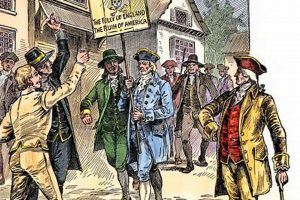
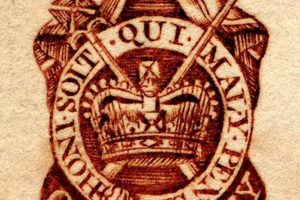
Colonists primarily objected to the Stamp Act of 1765 because they believed it represented taxation without representation. The act, which required the purchase of stamps for various printed materials like newspapers, legal documents, and playing cards, was imposed by the British Parliament without colonial consent. Colonists argued that they could not be rightfully taxed by a body in which they had no elected representatives.
This concept of “no taxation without representation” became a rallying cry throughout the colonies, fueling resistance that ultimately laid the groundwork for the American Revolution. The colonists’ objection wasn’t solely about the financial burden of the tax itself but, more importantly, about the underlying principle of self-governance and the right to have a voice in decisions affecting their lives and property. The Stamp Act controversy significantly escalated tensions between Great Britain and its American colonies, contributing to a growing sense of colonial identity and a shared grievance against British rule. It demonstrated the colonists’ commitment to fundamental political rights and served as a powerful catalyst for the movement towards independence.
Understanding the colonial arguments against the Stamp Act provides valuable context for exploring broader themes related to the American Revolution, including the development of colonial political thought, the escalating conflict with Great Britain, and the eventual struggle for independence. Further exploration of these themes can shed light on the events and ideologies that shaped the founding of the United States.
Understanding “No Taxation Without Representation”
The following tips provide further insight into the colonists’ core argument against the Stamp Act and its historical significance:
Tip 1: Distinguish between practical and philosophical objections. While the financial burden of the Stamp Act was a concern, the colonists’ primary grievance centered on the violation of their perceived right to self-governance and representation in Parliament. This philosophical objection held greater weight than the practical implications of the tax itself.
Tip 2: Recognize the influence of Enlightenment ideals. The colonists’ arguments drew heavily upon Enlightenment philosophies, particularly the concepts of natural rights and popular sovereignty, which emphasized the importance of individual liberties and government by consent.
Tip 3: Consider the role of colonial assemblies. These representative bodies played a crucial role in articulating and amplifying colonial grievances against the Stamp Act, fostering a sense of unity and shared purpose among the colonies.
Tip 4: Analyze the impact of boycotts and protests. Colonists organized widespread boycotts of British goods and staged public protests, demonstrating the effectiveness of collective action in resisting unpopular policies.
Tip 5: Explore the development of colonial identity. The Stamp Act controversy contributed significantly to the development of a distinct American identity separate from British rule, as colonists recognized their shared interests and grievances.
Tip 6: Understand the legal arguments against the Stamp Act. Colonial lawyers and leaders argued that the Stamp Act was unconstitutional because it violated established British legal principles regarding representation and taxation.
By exploring these different facets of the Stamp Act controversy, a deeper understanding of the events leading up to the American Revolution emerges. The colonists’ principled stand against taxation without representation underscores the importance of political rights and the enduring legacy of the struggle for self-governance.
These insights provide a comprehensive foundation for further examination of the broader historical context and the lasting impact of the Stamp Act.
1. Taxation without representation

“Taxation without representation” encapsulates the core of colonial objections to the Stamp Act of 1765. It serves as the lens through which their resistance can be understood, highlighting the fundamental principles at stake and the escalating tensions between the colonies and Great Britain. Exploring the facets of this concept provides essential context for understanding the American Revolution’s origins.
- Violation of Fundamental Rights:
Colonists believed that being taxed by a parliament in which they lacked elected representatives violated their fundamental rights as Englishmen. This principle, rooted in British common law and political tradition, held that individuals could not be subjected to taxes without the consent of their representatives. The Stamp Act directly contravened this principle, sparking outrage and galvanizing resistance across the colonies.
- Undermining Colonial Assemblies:
Colonial assemblies, the representative bodies of the colonies, viewed the Stamp Act as an encroachment on their authority. They argued that the power to tax resided solely within these local bodies, which were directly accountable to the colonists. The act’s imposition by Parliament undermined the authority and legitimacy of these assemblies, further fueling colonial discontent.
- Catalyst for Collective Action:
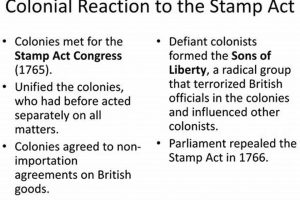
The rallying cry of “No taxation without representation” fostered a sense of shared grievance and unified purpose among the colonies. This shared sense of injustice spurred collective action, including boycotts of British goods, protests, and the formation of groups like the Sons of Liberty, ultimately escalating tensions and contributing to the movement for independence.
- Foundation of Revolutionary Ideology:
The principle of “No taxation without representation” became a cornerstone of revolutionary ideology. It articulated the colonists’ growing belief in self-governance and their right to determine their own affairs free from external interference. This principle provided a powerful justification for the eventual break with Great Britain and the establishment of an independent nation.
These interconnected facets of “taxation without representation” demonstrate its central role in shaping colonial resistance to the Stamp Act. This principle, deeply rooted in ideas of liberty, self-governance, and fundamental rights, resonated throughout the colonies, laying the groundwork for the American Revolution and the eventual birth of the United States.
2. Violation of Rights

The colonists’ perception of the Stamp Act as a violation of their rights formed a crucial component of their resistance. Central to this perception was the belief in traditional British rights, including the right to representation in matters of taxation. Colonists argued that by imposing taxes without their consent, granted through elected representatives in Parliament, the British government infringed upon these fundamental rights. This perceived violation resonated deeply within colonial society, fueling widespread opposition and contributing significantly to the growing unrest. The Stamp Act became a symbol of British oppression and a catalyst for the articulation of colonial grievances.
The colonists’ understanding of their rights drew heavily from historical precedents and legal traditions. The Magna Carta, with its emphasis on limiting royal power and safeguarding individual liberties, served as a powerful reference point. Furthermore, the English Bill of Rights of 1689 solidified the principle of parliamentary supremacy and the right to petition the government. Colonists argued that their rights as Englishmen, guaranteed by these historical documents, were being disregarded by the imposition of the Stamp Act. This sense of historical injustice further intensified their resistance.
The concept of violated rights resonated beyond abstract legal principles and found practical expression in colonial actions. Boycotts of British goods, organized protests, and the formation of groups like the Sons of Liberty demonstrated the tangible impact of this perceived violation. These actions underscore the importance of understanding “violation of rights” not just as a theoretical argument, but as a driving force behind colonial resistance. Recognizing this connection offers crucial insight into the escalating tensions between the colonies and Great Britain and the events leading up to the American Revolution. The perceived violation of rights provided a powerful framework for understanding the Stamp Act’s injustice and mobilizing opposition, ultimately contributing to the broader movement for independence.
3. Unjust Taxation

The concept of “unjust taxation” played a pivotal role in the colonists’ main argument against the Stamp Act. While “taxation without representation” encapsulated the core principle of their objection, the perceived injustice of the tax itself amplified colonial resistance. The Stamp Act mandated the purchase of stamps for various printed materials, impacting a wide range of colonists, from merchants and lawyers to printers and ordinary citizens. This broad application, coupled with the lack of colonial consent in its imposition, fueled the perception of the tax as fundamentally unjust. The perceived injustice stemmed not only from the financial burden but also from the perceived arbitrariness of a tax imposed by a distant and seemingly unaccountable Parliament.
Several factors contributed to the perception of the Stamp Act as unjust. The tax was viewed as a direct attempt by the British Crown to raise revenue solely for the benefit of the Empire, with little consideration for colonial needs or financial well-being. Furthermore, the lack of colonial representation in the decision-making process reinforced the sense of unfairness. Colonists argued that they were being forced to contribute financially to a government that did not represent their interests. Real-life examples of the tax’s impact, such as the increased cost of legal documents and newspapers, further solidified the perception of injustice and galvanized opposition. The Stamp Act Congress, formed in response to the tax, serves as a testament to the widespread colonial discontent and the unified stance against what was perceived as an unjust levy.
Understanding the role of “unjust taxation” in colonial resistance provides crucial insight into the broader historical context of the American Revolution. It highlights the importance of considering not only the philosophical principles at stake but also the practical implications of specific policies. The colonists’ perception of the Stamp Act as both unjust and a violation of their rights fueled their resistance, ultimately contributing to the escalating tensions with Great Britain and laying the groundwork for the struggle for independence. Recognizing this interconnectedness offers a more nuanced understanding of the events leading up to the American Revolution and the foundational principles upon which the United States was built.
4. Infringement on Liberty
The colonists viewed the Stamp Act not merely as an unjust tax but as a fundamental infringement on their liberty. This perspective stemmed from the belief that the right to control their own property and finances was essential to their freedom. By imposing a tax without colonial consent, Parliament was perceived as directly encroaching upon this fundamental liberty. This interpretation resonated deeply within colonial society, where liberty was highly valued and considered an inherent right. The Stamp Act, therefore, became a symbol of British overreach and a threat to the colonists’ cherished freedoms. The perceived infringement on liberty fueled resistance and galvanized opposition, contributing significantly to the growing tensions with Great Britain.
The connection between the Stamp Act and the infringement on liberty was reinforced by the practical implications of the tax. The requirement to purchase stamps for various printed materials, including legal documents, newspapers, and even playing cards, impacted a wide range of activities essential to daily life and commerce. This pervasive impact underscored the extent to which the Stamp Act was perceived as restricting colonial freedoms and controlling their affairs. Real-life examples, such as the increased cost of legal proceedings and the limitations on the dissemination of information through newspapers, further solidified the perception of an infringement on liberty. These practical consequences transformed the abstract notion of liberty into a tangible concern, mobilizing resistance and providing concrete examples of the oppressive nature of the Stamp Act.
Understanding the Stamp Act as an infringement on liberty provides crucial insight into the ideological underpinnings of the American Revolution. The colonists’ defense of their liberties became a central theme in their arguments against British rule. The Stamp Act controversy served as a catalyst for articulating these arguments and solidifying colonial resistance. This emphasis on liberty laid the groundwork for the future struggle for independence and shaped the core principles upon which the United States was founded. Recognizing the connection between the Stamp Act and the infringement on liberty offers a deeper understanding of the historical context and the enduring legacy of the American Revolution.
5. Parliamentary Overreach

The colonists’ main argument against the Stamp Act centered on the perceived parliamentary overreach it represented. The Act, passed by the British Parliament in 1765, imposed a tax on various printed materials in the American colonies. This action, taken without colonial consent or representation in Parliament, was seen as a blatant overextension of parliamentary authority and a direct threat to colonial autonomy. Exploring the facets of this perceived overreach provides crucial context for understanding the escalating tensions between Great Britain and its American colonies and the eventual outbreak of the American Revolution.
- Violation of Established Practice:
Prior to the Stamp Act, Parliament had generally refrained from imposing direct internal taxes on the colonies. Colonial assemblies held the primary responsibility for taxation within their respective jurisdictions. The Stamp Act deviated from this established practice, raising concerns about the expanding scope of parliamentary power and its potential implications for colonial self-governance. This departure from precedent fueled colonial anxieties about the future of their autonomy and contributed to the perception of parliamentary overreach.
- Lack of Colonial Representation:
The absence of colonial representation in the British Parliament amplified the perception of overreach. Colonists argued that they could not be rightfully taxed by a body in which they had no elected representatives to voice their interests and concerns. This lack of representation was seen as a fundamental violation of their rights as Englishmen and further solidified the view that Parliament was exceeding its legitimate authority.
- Threat to Colonial Self-Governance:
The Stamp Act was interpreted as a direct threat to colonial self-governance. Colonial assemblies, elected by the colonists, had traditionally managed local affairs, including taxation. The imposition of the Stamp Act by Parliament undermined the authority of these assemblies and signaled a potential shift towards greater centralized control from London. This perceived threat to colonial autonomy galvanized resistance and fueled the growing movement for greater self-determination.
- Catalyst for Intercolonial Unity:
The shared experience of facing parliamentary overreach fostered a sense of unity among the colonies. The Stamp Act Congress, convened in 1765, brought together representatives from nine colonies to coordinate their response to the Act. This unprecedented display of intercolonial cooperation demonstrated the unifying power of shared grievances and laid the groundwork for future collective action in the pursuit of greater autonomy and, eventually, independence.
These interconnected facets of parliamentary overreach underscore the central role it played in shaping colonial resistance to the Stamp Act. The perceived violation of established practice, the lack of colonial representation, the threat to self-governance, and the resultant intercolonial unity all contributed to the escalating tensions with Great Britain. The Stamp Act controversy served as a crucial turning point in the relationship between the colonies and the mother country, ultimately paving the way for the American Revolution and the birth of a new nation founded on principles of self-governance and individual liberty.
Frequently Asked Questions
The following addresses common inquiries regarding the colonists’ central argument against the Stamp Act, aiming to provide clear and concise answers.
Question 1: Was the Stamp Act the first instance of British taxation on the colonies?
No. Great Britain had previously imposed taxes on the colonies, primarily through trade regulations like the Sugar Act. However, the Stamp Act was the first direct internal tax levied on the colonies by Parliament specifically for raising revenue, which distinguished it significantly from previous forms of taxation.
Question 2: How did colonial assemblies respond to the Stamp Act?
Colonial assemblies played a crucial role in organizing resistance to the Stamp Act. They passed resolutions denouncing the Act, petitioned the King and Parliament for its repeal, and encouraged boycotts of British goods. These actions demonstrated a unified colonial stance against the tax and contributed to the growing tensions with Great Britain.
Question 3: Beyond “No taxation without representation,” did colonists raise other legal objections to the Stamp Act?
Yes. Colonists also argued that the Stamp Act violated established British legal principles, including the right to trial by jury, as cases involving the Stamp Act were to be tried in admiralty courts without juries. This further fueled colonial resistance and underscored the perceived disregard for their rights.
Question 4: Were all colonists united in their opposition to the Stamp Act?
While widespread opposition existed, some colonists, often those with strong ties to the British government or who benefited from the existing system, supported or remained neutral towards the Act. However, the vast majority actively opposed it, demonstrating a significant degree of colonial unity against British policies.
Question 5: What role did the Stamp Act Congress play in colonial resistance?
The Stamp Act Congress, convened in 1765, played a crucial role in unifying colonial opposition. Representatives from nine colonies met to coordinate their response, drafting petitions to the King and Parliament. This unprecedented display of intercolonial cooperation significantly strengthened the resistance movement.
Question 6: How did the British government respond to colonial resistance?
Facing mounting pressure, including colonial boycotts that significantly impacted British trade, Parliament eventually repealed the Stamp Act in 1766. However, the repeal was accompanied by the Declaratory Act, which asserted Parliament’s right to legislate for the colonies “in all cases whatsoever,” setting the stage for future conflicts.
Understanding the core arguments against the Stamp Act, alongside related historical context, provides valuable insights into the origins of the American Revolution. The controversy surrounding the Stamp Act ignited a chain of events that ultimately led to the colonists’ fight for independence.
Further exploration of the broader historical context surrounding the Stamp Act controversy offers a more complete understanding of the events leading up to the American Revolution.
Conclusion
The colonists’ primary argument against the Stamp Act centered on the principle of “no taxation without representation.” This powerful concept encapsulated their objection to being taxed by a Parliament in which they lacked elected representatives, a violation of their perceived rights as Englishmen. Beyond this core principle, the perceived injustice of the tax itself, coupled with the perceived infringement on their liberty and the overreach of parliamentary authority, fueled colonial resistance. The Stamp Act controversy served as a crucible, forging a stronger sense of colonial identity and solidifying opposition to British policies. The boycotts, protests, and legal arguments employed by the colonists demonstrated their commitment to self-governance and laid the groundwork for the future struggle for independence.
The legacy of the Stamp Act extends far beyond its eventual repeal. It stands as a testament to the power of principled resistance against perceived injustice. The arguments articulated during this period resonate even today, underscoring the enduring importance of representation, individual liberties, and the right to self-determination. Further examination of this pivotal era in American history provides invaluable insights into the origins of the American Revolution and the foundational principles upon which the United States was built.