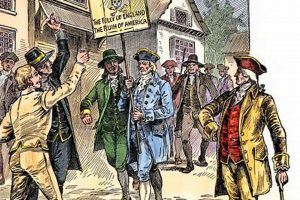
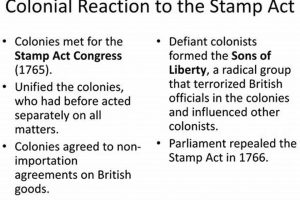
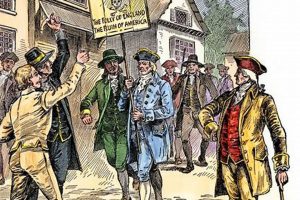
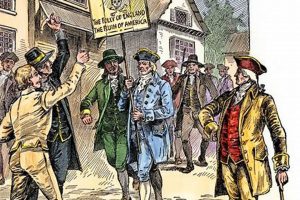
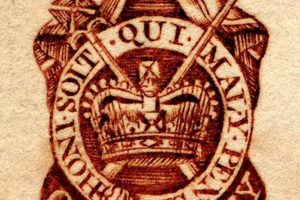
The American colonists’ reaction to the 1765 Stamp Act, a British parliamentary measure requiring tax stamps on printed materials, was swift and multifaceted. From boycotts of British goods and the formation of protest groups like the Sons of Liberty, to intellectual arguments against taxation without representation and acts of civil disobedience, colonists demonstrated their displeasure through various means. These actions exemplified a burgeoning sense of American identity and a growing resistance to perceived infringements on colonial liberties. The Virginia Resolves, drafted by Patrick Henry, for example, articulated the colonists’ belief in their right to self-governance.
This widespread resistance represented a critical turning point in the relationship between Great Britain and its American colonies. The Stamp Act crisis fostered greater intercolonial unity, as colonists from different regions collaborated to oppose the tax. It also laid the groundwork for future revolutionary movements by solidifying arguments for self-government and highlighting the potential power of collective action. The eventual repeal of the Stamp Act in 1766, due in large part to colonial pressure, demonstrated the effectiveness of these protests while simultaneously fueling further debate about the nature of British authority in the colonies.
Further exploration will examine the specific forms of protest employed, the key figures involved, the political and economic ramifications of the crisis, and the Act’s role as a precursor to the American Revolution. Analyzing these aspects will provide a more comprehensive understanding of this pivotal period in American history.
Understanding the Colonial Response to the Stamp Act
Gaining deeper insight into the colonial response requires examining various facets of this historical period. The following tips offer guidance on navigating this complex topic.
Tip 1: Explore the diverse forms of protest. Consider the range of actions taken, from boycotts and non-importation agreements to public demonstrations, pamphlets, and legal challenges. Examine how these different approaches reflected varying social and economic interests within the colonies.
Tip 2: Analyze the arguments against the Stamp Act. Focus on the intellectual and philosophical underpinnings of colonial resistance, particularly the concept of “no taxation without representation.” Investigate how these ideas contributed to the development of American political thought.
Tip 3: Research key figures and organizations. Study the roles played by individuals such as Samuel Adams, Patrick Henry, and John Dickinson, as well as groups like the Sons of Liberty and the Daughters of Liberty. Understand their motivations, strategies, and influence on the broader movement.
Tip 4: Consider the economic impact. Examine the effects of boycotts on both colonial and British economies. Analyze how economic pressures contributed to the eventual repeal of the Stamp Act.
Tip 5: Understand the British perspective. Explore the rationale behind the Stamp Act from the British government’s point of view. Consider the financial pressures facing Britain after the Seven Years’ War and the perceived need to raise revenue from the colonies.
Tip 6: Evaluate the long-term consequences. Analyze how the Stamp Act crisis contributed to growing tensions between Britain and the colonies. Consider its role as a precursor to the American Revolution and its influence on the development of American identity.
By exploring these facets, one gains a more comprehensive understanding of the colonial response to the Stamp Act and its significance in shaping the course of American history.
These insights will aid in formulating a more nuanced understanding of the pre-revolutionary period, and its lasting legacy on American ideals and principles.
1. Boycotts

Boycotts constituted a central pillar of the colonial response to the 1765 Stamp Act. Refusal to purchase British goods served as a powerful economic weapon, applying pressure on British merchants and manufacturers who, in turn, lobbied Parliament for repeal. This collective action demonstrated colonial unity and resolve in opposing what colonists perceived as unjust taxation.
- Non-Importation Agreements
Colonists organized formal agreements to cease importing British goods. These agreements, enforced through social pressure and sometimes intimidation, significantly impacted transatlantic trade. The agreements served not only as economic leverage but also fostered a sense of collective identity and purpose among colonists.
- Homespun Movement
The boycotts spurred a renewed emphasis on domestic production, particularly of textiles. Colonists, primarily women, began producing homespun cloth as an alternative to British imports. This movement further reduced reliance on British goods and symbolized colonial self-sufficiency.
- Impact on British Merchants
The decline in colonial purchases caused considerable financial hardship for British merchants and manufacturers. These merchants, facing mounting losses, exerted pressure on Parliament to reconsider the Stamp Act. Their lobbying efforts played a crucial role in the eventual repeal.
- Symbolic Importance
Beyond the economic impact, the boycotts carried significant symbolic weight. They demonstrated colonial resolve and the willingness to sacrifice for a common cause. This collective action laid the groundwork for future resistance movements and solidified the idea of American unity against British policies.
The boycotts employed by colonists in response to the Stamp Act proved highly effective, contributing significantly to its repeal. This successful utilization of economic pressure as a tool of resistance established a precedent for future actions leading up to the American Revolution, solidifying the boycott as a potent expression of colonial discontent and a critical component of the growing movement towards independence.
2. Protests and Demonstrations

Protests and demonstrations constituted a vital component of the colonial response to the 1765 Stamp Act. These public displays of resistance served as a powerful means of expressing popular discontent, mobilizing colonial opposition, and applying pressure on both colonial assemblies and British authorities. From organized marches and rallies to more symbolic acts of defiance, these actions reflected the depth of colonial anger and frustration with the perceived injustices of the Act.
The Sons of Liberty, a prominent activist group, played a crucial role in organizing and coordinating these demonstrations. Their activities often involved public displays of resistance, such as burning effigies of stamp distributors and staging mock funerals symbolizing the death of liberty. These highly visible acts served not only to intimidate officials tasked with enforcing the Act, but also to galvanize public opinion and foster a sense of shared purpose among colonists. The burning of stamped paper in Boston and the ransacking of Lieutenant Governor Thomas Hutchinson’s house serve as potent examples of the intensity of these demonstrations. Such acts, while sometimes violent, underscored the colonists’ unwavering commitment to resisting what they viewed as an infringement on their rights.
These protests and demonstrations proved highly effective in disrupting the implementation of the Stamp Act. The intimidation of stamp distributors made it difficult, if not impossible, for the British government to collect the tax. Moreover, these public displays of resistance, often reported in colonial newspapers, further inflamed anti-British sentiment and contributed to the growing momentum for repeal. Understanding the role of protests and demonstrations in the colonial response to the Stamp Act provides critical insights into the dynamics of resistance and the power of collective action in challenging authority. This form of direct action became a crucial precedent for future resistance movements, ultimately paving the way for the American Revolution.
3. Legal Challenges

Legal challenges constituted a significant aspect of the colonial response to the 1765 Stamp Act. Colonists argued that the Act violated their fundamental rights as Englishmen, particularly the principle of “no taxation without representation.” These legal arguments, articulated through pamphlets, resolutions, and petitions, sought to invalidate the Act and assert colonial autonomy. Exploring these legal challenges provides crucial insights into the intellectual and ideological underpinnings of the resistance movement.
- Arguments based on lack of representation
Central to the legal challenges was the argument that Parliament lacked the authority to tax colonists who were not represented in that body. This principle, deeply rooted in English common law, maintained that individuals could not be taxed without the consent of their elected representatives. Colonists argued that since they lacked representation in Parliament, the Stamp Act constituted an illegal and unconstitutional form of taxation. This argument became a rallying cry for resistance and fueled further debate about the nature of imperial authority and colonial rights.
- Virginia Resolves
Patrick Henry’s Virginia Resolves, adopted by the Virginia House of Burgesses, exemplified the colonists’ legal arguments. These resolutions asserted that only the colonial assemblies had the right to tax Virginians. While some of the more radical resolutions were later rescinded, they nonetheless reflected the growing colonial defiance of British authority and helped disseminate the arguments against the Stamp Act throughout the colonies.
- Petitions and Appeals to the Crown
Colonists also pursued legal avenues by submitting petitions and appeals to the King and Parliament. These documents outlined their grievances, articulated their legal arguments against the Stamp Act, and requested its repeal. These formal appeals, while ultimately unsuccessful in preventing the Act’s initial implementation, demonstrated the colonists’ commitment to utilizing legal processes to defend their rights and challenge perceived injustices.
- Impact on Legal Thought
The legal challenges to the Stamp Act profoundly influenced the development of American legal and political thought. The arguments articulated during this period, particularly concerning representation and self-governance, laid the intellectual groundwork for the American Revolution and shaped the ideals enshrined in the Declaration of Independence and the U.S. Constitution.
The legal challenges mounted against the Stamp Act played a pivotal role in shaping the colonial response. These arguments not only provided a legal and philosophical framework for resistance, but also contributed to the growing sense of colonial unity and purpose. By asserting their rights as Englishmen and challenging the legitimacy of parliamentary authority, colonists laid the foundation for future struggles against British rule, ultimately culminating in the American Revolution.
4. Pamphlets and Speeches

Pamphlets and speeches proved indispensable tools in shaping public opinion and galvanizing resistance during the colonial response to the 1765 Stamp Act. Disseminated through newspapers, public readings, and social networks, these forms of communication served as vital platforms for articulating grievances, disseminating legal arguments, and fostering a sense of collective identity among colonists. Examining the role of pamphlets and speeches provides crucial insights into the intellectual and rhetorical strategies employed in challenging British authority.
- Dissemination of Information and Arguments
Pamphlets, often published anonymously or under pseudonyms to avoid prosecution, offered a readily accessible medium for disseminating information about the Stamp Act and its implications. They explained the Act’s provisions, outlined its perceived injustices, and articulated legal and philosophical arguments against taxation without representation. This widespread dissemination of information fostered public discourse and contributed to a more informed understanding of the issues at stake. Pamphlets such as John Dickinson’s “Letters from a Farmer in Pennsylvania” proved particularly influential in shaping colonial opinion.
- Mobilization of Public Opinion
Speeches delivered at town meetings, colonial assemblies, and other public gatherings served to rally support for resistance. Orators such as James Otis and Patrick Henry employed powerful rhetoric to denounce the Stamp Act, evoke colonial solidarity, and inspire action. These speeches, often reprinted in newspapers and circulated widely, amplified the message of resistance and contributed to the growing momentum of the movement.
- Articulation of Colonial Grievances
Pamphlets and speeches provided a platform for colonists to articulate their grievances against British policies. They expressed concerns not only about the Stamp Act itself, but also about broader issues of imperial control and colonial autonomy. This articulation of shared grievances fostered a sense of unity among colonists and laid the groundwork for future resistance movements. Patrick Henry’s speeches to the Virginia House of Burgesses, for example, forcefully articulated colonial concerns about the erosion of their liberties.
- Development of Revolutionary Ideology
The arguments presented in pamphlets and speeches contributed significantly to the development of revolutionary ideology. By articulating principles of self-governance, natural rights, and resistance to tyranny, these forms of communication helped shape the intellectual framework for the American Revolution. Pamphlets such as “Common Sense” by Thomas Paine, published later but building on the ideas circulating during the Stamp Act crisis, played a crucial role in galvanizing support for independence.
The pamphlets and speeches produced during the colonial response to the Stamp Act played a crucial role in shaping public opinion, mobilizing resistance, and articulating the intellectual foundations of the American Revolution. By fostering a shared understanding of colonial grievances and disseminating arguments against British policies, these forms of communication helped unite colonists in their opposition to the Stamp Act and laid the groundwork for future struggles against imperial control. They offer valuable insights into the power of rhetoric and the importance of public discourse in shaping historical events.
5. Formation of Groups (Sons of Liberty)

The formation of groups like the Sons of Liberty represents a crucial element of the colonial response to the 1765 Stamp Act. These organizations, emerging in response to the perceived injustice of the Act, provided a structured framework for collective action and played a pivotal role in coordinating resistance efforts. The Sons of Liberty, composed of merchants, artisans, and other colonists, served as a focal point for organizing protests, disseminating information, and enforcing boycotts. Their activities ranged from public demonstrations and acts of civil disobedience, such as the hanging of effigies of stamp distributors, to more clandestine operations aimed at intimidating officials tasked with enforcing the Act. The Boston Tea Party, while occurring later, demonstrates the enduring legacy of this type of organized resistance.
The Sons of Liberty facilitated communication and coordination among colonists in different regions, fostering a sense of intercolonial unity and shared purpose. They established networks for disseminating information about the Stamp Act, organizing boycotts of British goods, and coordinating protests. This intercolonial collaboration proved crucial in amplifying the impact of resistance efforts and applying pressure on British authorities. Furthermore, the Sons of Liberty provided a platform for articulating and disseminating revolutionary ideas, contributing to the growing intellectual movement challenging British rule. Meetings held in taverns and public spaces became forums for discussing colonial rights and strategizing resistance, fostering a sense of collective identity and shared purpose among colonists. The Sons of Liberty’s organizational structure and coordinated actions proved highly effective in disrupting the implementation of the Stamp Act and ultimately contributed to its repeal.
Understanding the role of groups like the Sons of Liberty provides critical insight into the dynamics of collective action and resistance during the Stamp Act crisis. Their formation demonstrates the power of organized movements in challenging authority and shaping historical events. By facilitating communication, coordinating resistance efforts, and fostering a sense of shared identity, the Sons of Liberty significantly amplified the impact of the colonial response to the Stamp Act. Their legacy extends beyond the immediate crisis, influencing subsequent resistance movements and contributing to the growing momentum for independence. Analyzing their activities provides valuable lessons about the power of grassroots organizing, the importance of intercolonial collaboration, and the role of ideology in shaping historical change. The Sons of Libertys organizational structure laid the groundwork for future revolutionary groups and foreshadowed the organized resistance that would characterize the American Revolution.
6. Intellectual Arguments (No Taxation Without Representation)

The intellectual arguments surrounding “No Taxation Without Representation” formed the philosophical backbone of the colonial response to the 1765 Stamp Act. This core principle, asserting that individuals could not be justly taxed without the consent of their elected representatives, provided a powerful framework for challenging the legitimacy of British parliamentary authority over the colonies. Exploring these intellectual arguments reveals the complex interplay of legal, political, and philosophical ideas that fueled colonial resistance.
- Foundation in English Common Law
The concept of “No Taxation Without Representation” drew heavily upon established principles of English common law, particularly the idea that taxes required the consent of the governed. Colonists argued that their lack of representation in the British Parliament invalidated any attempt by that body to levy taxes upon them. This appeal to established legal tradition provided a powerful justification for their resistance and resonated deeply within a culture that valued legal precedent.
- Influence of Enlightenment Thought
Enlightenment thinkers like John Locke profoundly influenced colonial arguments against the Stamp Act. Locke’s concept of natural rights, particularly the right to property, provided a philosophical basis for challenging the legitimacy of taxation without consent. Colonists argued that the Stamp Act infringed upon their natural right to property by imposing taxes without their consent, thereby connecting their resistance to broader intellectual currents of the era.
- Development of American Political Philosophy
The debates surrounding “No Taxation Without Representation” significantly shaped the development of American political philosophy. This principle, central to colonial resistance, laid the groundwork for future arguments about self-governance, popular sovereignty, and the right of revolution. It became a cornerstone of American political thought, influencing the Declaration of Independence and the subsequent development of American constitutionalism. The arguments refined during the Stamp Act crisis provided a coherent philosophical basis for the American Revolution.
- Rhetorical Power and Mobilization
The slogan “No Taxation Without Representation” possessed immense rhetorical power. Its concise articulation of colonial grievances resonated with a broad audience, mobilizing popular support for resistance. This simple yet potent phrase became a rallying cry, uniting colonists from diverse backgrounds and social classes in their opposition to the Stamp Act. It proved highly effective in galvanizing public opinion and transforming intellectual arguments into a powerful political force.
The intellectual arguments surrounding “No Taxation Without Representation” proved crucial in shaping the colonial response to the Stamp Act. These arguments provided not only a legal and philosophical justification for resistance but also a powerful rhetorical tool for mobilizing public opinion. By grounding their resistance in established legal traditions and Enlightenment ideals, colonists effectively challenged British authority and laid the intellectual groundwork for the American Revolution. The articulation and dissemination of these ideas through pamphlets, speeches, and public debates transformed the Stamp Act crisis into a pivotal moment in the development of American political thought and identity, ultimately propelling the colonies toward independence.
Frequently Asked Questions
This section addresses common inquiries regarding the colonial response to the 1765 Stamp Act, aiming to provide clear and concise answers.
Question 1: Why did the colonists react so strongly to the Stamp Act?
The Stamp Act was perceived as a violation of fundamental rights, particularly the principle of “No Taxation Without Representation.” Colonists believed that only their elected assemblies, not the British Parliament, held the authority to levy taxes. The Act also represented a broader concern about increasing British control over colonial affairs.
Question 2: Were all colonists united in their opposition to the Act?
While widespread opposition existed, some colonists, often those with close ties to the British government or who benefited from the imperial system, remained loyal to the Crown and supported the Act. This division contributed to internal tensions within colonial society.
Question 3: How effective were the colonial boycotts?
The boycotts proved highly effective. The economic pressure exerted on British merchants and manufacturers led them to lobby Parliament for repeal. The boycotts also fostered a sense of colonial unity and demonstrated the potential power of collective action.
Question 4: Beyond boycotts, what other forms of resistance were employed?
Resistance took various forms, including protests, demonstrations, legal challenges, the formation of groups like the Sons of Liberty, pamphlets, and speeches articulating colonial grievances.
Question 5: What role did the Stamp Act crisis play in the lead-up to the American Revolution?
The Stamp Act crisis proved pivotal. It intensified tensions between Great Britain and the colonies, solidified colonial arguments for self-governance, and demonstrated the effectiveness of organized resistance. The experience provided valuable lessons and laid the groundwork for the revolution.
Question 6: What happened after the Stamp Act was repealed?
While the repeal eased tensions, the underlying issues remained unresolved. The British government continued to assert its authority over the colonies, leading to further disputes and ultimately culminating in the American Revolution.
Understanding the diverse responses to the Stamp Act and the underlying principles driving them offers valuable insights into this crucial period in American history.
Further exploration of specific events, key figures, and the long-term consequences of the crisis can enrich one’s understanding of this pivotal era.
The Colonial Response to the Stamp Act
Examination of the colonial response to the 1765 Stamp Act reveals a multifaceted resistance movement characterized by boycotts, protests, legal challenges, and the dissemination of powerful intellectual arguments. The colonists’ unified opposition, rooted in the principle of “No Taxation Without Representation,” demonstrated a burgeoning sense of American identity and a commitment to defending colonial liberties. From the economic pressure exerted through non-importation agreements to the impassioned speeches delivered in colonial assemblies, the response to the Stamp Act showcased the colonists’ resolve and foreshadowed the impending revolution. The formation of groups like the Sons of Liberty provided a crucial organizational framework for coordinating resistance efforts, while pamphlets and legal arguments articulated the philosophical underpinnings of the movement.
The Stamp Act crisis serves as a pivotal moment in American history, demonstrating the power of collective action and the enduring influence of ideas. The legacy of this period extends far beyond the repeal of the Act itself, shaping the political thought, rhetoric, and strategies employed in the subsequent struggle for independence. Continued study of this era offers valuable insights into the dynamics of resistance, the evolution of revolutionary movements, and the enduring principles that shaped the foundation of the United States. It serves as a testament to the transformative power of collective resistance and underscores the importance of vigilance in safeguarding fundamental liberties.