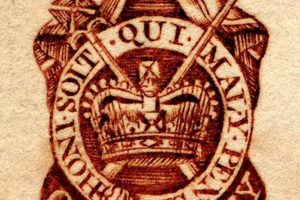
The Stamp Act of 1765, requiring all printed materials in the American colonies to carry a tax stamp purchased from British authorities, ignited widespread colonial resistance. Colonists argued that they were being taxed without representation in the British Parliament, a violation of their rights as Englishmen. Boycotts of British goods, often enforced by groups like the Sons of Liberty, severely impacted British trade. Protests and demonstrations, sometimes violent, erupted across the colonies, reflecting growing discontent with British rule.
These collective actions significantly altered the relationship between Great Britain and the American colonies. The economic pressure and political unrest caused by the colonial response forced the British Parliament to repeal the Stamp Act in 1766. However, the underlying issue of taxation without representation remained unresolved, contributing significantly to the escalating tensions that ultimately led to the American Revolution. This episode demonstrated the growing power of colonial unity and resistance, and it served as a crucial turning point in the journey towards American independence.
This period of resistance set the stage for future conflicts and debates over colonial autonomy and self-governance, shaping the political landscape that would ultimately define the formation of the United States. Further exploration of the specific boycotts, legislative responses, and key figures involved provides a deeper understanding of this pivotal era.
Understanding the Impact of the Stamp Act
The repercussions of the Stamp Act of 1765 offer valuable lessons for understanding political and economic dynamics. The following points highlight key takeaways from this pivotal period in history.
Tip 1: Collective action can exert significant pressure. The widespread boycotts orchestrated by colonists demonstrated the power of unified resistance. The economic impact on British merchants forced Parliament to reconsider its policies.
Tip 2: “No taxation without representation” is a powerful rallying cry. This slogan encapsulated colonial grievances and fueled the movement against the Stamp Act. It highlighted the importance of fair representation in government.
Tip 3: Political rhetoric can shape public opinion and mobilize action. Pamphlets, speeches, and public debates played a crucial role in disseminating information and galvanizing colonial resistance.
Tip 4: Economic consequences can influence political decisions. The decline in British trade resulting from the boycotts demonstrated the tangible impact of economic pressure on policymaking.
Tip 5: Short-term victories can lead to long-term conflicts. While the repeal of the Stamp Act was a colonial victory, the underlying issue of British control over colonial affairs remained unresolved, ultimately leading to further conflict.
Tip 6: Understanding historical context is crucial for interpreting present-day issues. The Stamp Act crisis offers insights into the dynamics of power, representation, and resistance that continue to resonate in contemporary political discourse.
These points underscore the lasting significance of the Stamp Act. Examining this historical period offers valuable insights into the complexities of political and economic power dynamics.
By reflecting on the consequences of the Stamp Act, one can gain a deeper appreciation for the forces that shaped the American Revolution and the principles upon which the United States was founded.
1. Colonial Resistance

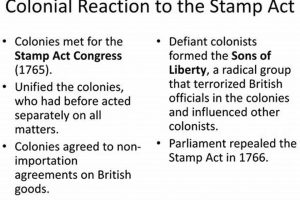
Colonial resistance stands as a pivotal component in understanding the repercussions of the Stamp Act. The Act, intended to raise revenue for the British crown, inadvertently ignited a firestorm of opposition in the American colonies. This resistance took multiple forms, from organized boycotts of British goods led by groups like the Sons of Liberty, effectively crippling transatlantic trade, to public demonstrations and acts of defiance, such as the burning of effigies representing tax collectors. These actions underscore the Act’s role not merely as a tax measure, but as a catalyst for colonial unification against perceived unjust governance. The Stamp Act Congress, formed in 1765, exemplified this burgeoning intercolonial solidarity, marking a crucial step toward collective action and laying the groundwork for future coordinated resistance.
The intensity and breadth of colonial resistance demonstrated the deep-seated resentment towards taxation without representation. The colonists argued that they were being denied their rights as Englishmen by being taxed without having elected representatives in Parliament. This principle became a rallying cry, fueling the flames of discontent and shaping the ideological underpinnings of the burgeoning revolution. The response to the Stamp Act served as a testing ground for colonial unity and resolve, proving the colonists capacity for organized resistance and their willingness to challenge British authority. Examples such as the Virginia Resolves, passed by the House of Burgesses, further illustrate the growing boldness of colonial legislatures in openly defying British policies.
In essence, the Stamp Acts legacy lies not solely in its economic implications, but in its unintended consequence: galvanizing colonial resistance. This widespread opposition ultimately forced the British Parliament to repeal the Act in 1766, a significant victory for the colonists. However, the repeal did not resolve the underlying tensions. The experience of unified resistance during the Stamp Act crisis fostered a sense of collective identity and emboldened colonial defiance, setting the stage for escalating conflicts that would culminate in the American Revolutionary War. Understanding this period of resistance is crucial for comprehending the complex factors that led to the birth of the United States.
2. Boycotts of British Goods

Boycotts of British goods constituted a significant component of colonial resistance to the Stamp Act of 1765 and played a crucial role in its eventual repeal. The act, which imposed a tax on all printed materials in the colonies, sparked widespread outrage and prompted colonists to organize collective action against what they perceived as unjust taxation without representation. The boycotts, spearheaded by organizations like the Sons of Liberty, targeted a wide range of British imports, from textiles and tea to manufactured goods. This coordinated economic pressure proved highly effective, significantly impacting British merchants and manufacturers who relied on the colonial market. The decline in trade forced these mercantile interests to lobby Parliament for the repeal of the Stamp Act, demonstrating the tangible power of consumer activism in influencing political decisions.
The boycotts transcended mere economic protest; they became a powerful symbol of colonial unity and resistance. The willingness of colonists from diverse backgrounds and social classes to participate in these boycotts, often at personal expense, demonstrated a shared sense of grievance and a commitment to collective action. For example, women played a critical role in the boycotts, spinning their own cloth and abstaining from purchasing British textiles. This collective action not only exerted economic pressure on Britain but also fostered a sense of shared identity and purpose among colonists, further solidifying resistance to British policies. Moreover, the boycotts provided a platform for local leaders and organizations to mobilize public opinion and disseminate information about the Stamp Act and its implications, further amplifying colonial resistance.
The success of the boycotts in contributing to the repeal of the Stamp Act had profound long-term implications. While the immediate goal was achieved, the experience of collective action through boycotts empowered colonists and laid the groundwork for future resistance movements. The boycotts demonstrated the potential for coordinated efforts to challenge British authority and shape political outcomes. This realization proved crucial in the years leading up to the American Revolution, as colonists increasingly embraced collective action as a means of defending their rights and liberties. Understanding the role of boycotts in the response to the Stamp Act provides valuable insights into the dynamics of resistance, the power of economic pressure, and the factors that ultimately led to American independence.
3. Protests and unrest

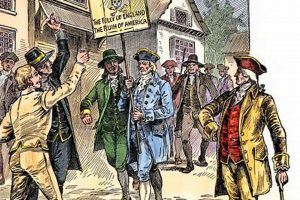
Protests and unrest formed a vital component of the colonial response to the Stamp Act of 1765, directly contributing to its eventual repeal and shaping the trajectory towards the American Revolution. The Act, which levied a tax on all printed materials in the colonies, ignited widespread public anger and fueled various forms of protest. These ranged from organized demonstrations and public speeches denouncing the tax to acts of defiance against British authority, including the destruction of property and intimidation of tax collectors. Groups like the Sons of Liberty played a key role in organizing and escalating these protests, effectively mobilizing public sentiment against British policies. The intensity and frequency of these actions across multiple colonies underscored the depth of colonial opposition and created significant pressure on British officials and merchants.
The protests and unrest served multiple purposes. They functioned as a visible manifestation of colonial discontent, providing a platform for expressing grievances and challenging British authority. The burning of effigies representing tax collectors, for instance, served as a symbolic act of defiance and a powerful visual representation of colonial anger. Moreover, these actions disrupted the implementation of the Stamp Act, making it difficult for British authorities to enforce the tax. The intimidation of stamp distributors led many to resign, effectively halting the distribution of stamps in several colonies. This disruption further exacerbated the economic pressure created by the concurrent boycotts of British goods, contributing to the growing calls for repeal within Britain itself.
The connection between the protests and unrest and the eventual repeal of the Stamp Act is undeniable. The widespread disruption and escalating tensions caused by colonial resistance forced the British Parliament to reconsider the Act’s viability. The economic pressure from the boycotts, coupled with the political instability created by the protests, demonstrated the high cost of maintaining the Stamp Act. While the repeal itself offered a temporary reprieve from the immediate grievances, the experience of collective action and successful resistance had a profound impact on colonial consciousness. It emboldened colonists to challenge British authority further and laid the groundwork for future resistance movements, ultimately contributing to the growing momentum towards independence.
4. Repeal of the Stamp Act

The repeal of the Stamp Act in 1766 stands as a direct consequence of the widespread colonial resistance it provoked, and thus represents a crucial component of the overall result of the Stamp Act. The Act, intended to raise revenue for the British crown, inadvertently ignited a firestorm of opposition in the American colonies, manifesting in boycotts of British goods, organized protests, and acts of defiance against British authority. This collective action, fueled by the cry of “No taxation without representation,” created significant economic and political pressure on the British government. Merchants and manufacturers suffering from the colonial boycotts lobbied Parliament for repeal, highlighting the detrimental economic impact of the Act. Simultaneously, the growing unrest in the colonies raised concerns about the potential for escalating violence and instability. These combined pressures ultimately led to the Act’s repeal, marking a significant victory for colonial resistance and underscoring the power of collective action in shaping political outcomes.
The repeal, however, did not fully resolve the underlying tensions between Great Britain and the American colonies. While it addressed the immediate grievance of taxation without representation embodied by the Stamp Act, it failed to address the broader issue of British control over colonial affairs. The Declaratory Act, passed alongside the repeal, asserted Parliament’s authority to legislate for the colonies “in all cases whatsoever,” effectively negating the symbolic victory of the repeal. This assertion of parliamentary supremacy, combined with the colonists’ experience of successful resistance, laid the groundwork for future conflicts. The Stamp Act crisis had demonstrated the potential for colonial unity and the effectiveness of collective action, emboldening colonial resistance and setting the stage for the escalating tensions that would culminate in the American Revolution. The repeal, therefore, represents a pivotal moment not of resolution, but of transition, marking a turning point in the relationship between Great Britain and the American colonies.
Understanding the repeal of the Stamp Act as both a consequence of colonial resistance and a catalyst for future conflict is crucial for comprehending the complex dynamics that shaped the American Revolution. The repeal exemplifies the interconnectedness of political, economic, and social forces in driving historical change. It highlights the power of collective action in challenging established authority, the limitations of short-term political solutions in addressing deep-rooted tensions, and the unintended consequences of policies that fail to account for the aspirations and grievances of those they affect. The repeal, therefore, serves not as an isolated event, but as a critical chapter in the larger narrative of the American struggle for independence.
5. Heightened Tensions
The Stamp Act of 1765, while intended to generate revenue for the British Crown, inadvertently exacerbated existing tensions between Great Britain and its American colonies. The Act, requiring a tax stamp on all printed materials, ignited widespread colonial resistance fueled by the principle of “no taxation without representation.” This resistance, manifested through boycotts, protests, and the formation of groups like the Sons of Liberty, signaled a significant shift in the colonial relationship with Britain. Prior to the Stamp Act, tensions existed primarily at a local level, focused on specific trade regulations or land disputes. The Act, however, elevated these tensions to a national scale, uniting colonists from diverse backgrounds and geographic locations in shared opposition to British policy. The Stamp Act, therefore, served as a catalyst, transforming localized grievances into a cohesive movement challenging the very foundation of British authority in the colonies.
The heightened tensions stemming from the Stamp Act are crucial for understanding the trajectory towards the American Revolution. While the Act itself was repealed in 1766 due to colonial pressure, the underlying issues remained unresolved. The British government’s assertion of its right to tax the colonies, coupled with the colonists’ demonstrated willingness to resist such measures, created an atmosphere of distrust and animosity. The Stamp Act crisis served as a proving ground for colonial unity and resistance, demonstrating the potential for collective action against perceived injustice. This experience emboldened colonial leaders and laid the groundwork for future resistance movements. The Boston Tea Party, for example, can be seen as a direct consequence of the heightened tensions and unresolved issues stemming from the Stamp Act crisis. The legacy of the Stamp Act, therefore, lies not only in its immediate consequences but also in its contribution to the escalating tensions that ultimately led to the American Revolution.
In conclusion, the heightened tensions resulting from the Stamp Act represent a pivotal turning point in the relationship between Great Britain and the American colonies. The Act’s unintended consequences the unification of colonial resistance, the demonstration of collective action’s effectiveness, and the escalation of underlying tensions proved far more significant than its intended purpose of revenue generation. Understanding the role of the Stamp Act in heightening tensions is crucial for comprehending the complex factors that led to the American Revolution and the birth of a new nation. The Stamp Act serves as a potent example of how seemingly minor policy decisions can have far-reaching and unintended consequences, shaping the course of history.
6. Shift in Colonial Sentiment

The Stamp Act of 1765 proved to be a pivotal moment in the relationship between Great Britain and the American colonies, significantly altering colonial sentiment and paving the way for the American Revolution. While intended as a revenue-generating measure, the Act’s unintended consequences resonated far beyond its fiscal aims, profoundly impacting colonial perceptions of British rule and fostering a growing sense of collective identity separate from the mother country. Examining this shift in colonial sentiment is crucial for understanding the Act’s broader historical significance and its contribution to the escalating tensions that ultimately led to independence.
- Erosion of Trust in British Authority
The Stamp Act, perceived as an unjust and oppressive measure, eroded colonists’ trust in the British government. The cry of “No taxation without representation” encapsulated this sentiment, highlighting the colonists’ belief that they were being denied their rights as Englishmen. The Act fostered a sense of betrayal, as colonists questioned the legitimacy of British rule and their place within the empire. This erosion of trust laid the groundwork for future acts of resistance and contributed to the growing divide between the colonies and Great Britain.
- Growth of Intercolonial Unity
Prior to the Stamp Act, colonial identity was largely localized. The Act, however, fostered a sense of shared grievance and collective identity across the colonies. The Stamp Act Congress, convened in 1765, exemplified this burgeoning unity, bringing together representatives from nine colonies to coordinate resistance efforts. This intercolonial cooperation marked a significant step towards a unified American identity, laying the foundation for future coordinated action against British policies.
- Emboldened Resistance to British Policies
The successful resistance to the Stamp Act, culminating in its repeal in 1766, emboldened colonists and demonstrated the potential for collective action. The boycotts, protests, and acts of defiance against British authority proved effective in achieving a political goal, instilling a sense of agency and empowering future resistance movements. This experience contributed to a growing belief in the possibility of challenging British rule, ultimately fueling the movement towards independence.
- Development of a Distinct American Identity
The Stamp Act crisis fostered a sense of shared identity among colonists distinct from their British counterparts. The experience of collective resistance, coupled with the growing perception of British oppression, contributed to the development of a uniquely American perspective. Colonists began to see themselves not merely as subjects of the British crown, but as a separate people with their own interests and aspirations. This burgeoning sense of American identity played a crucial role in the eventual push for independence.
The shift in colonial sentiment following the Stamp Act represents a pivotal turning point in the relationship between Great Britain and the American colonies. The Act’s unintended consequencesthe erosion of trust, the growth of intercolonial unity, the emboldened resistance, and the development of a distinct American identitylaid the groundwork for the escalating tensions that ultimately culminated in the American Revolution. The Stamp Act, therefore, serves as a powerful example of how a single policy decision can have far-reaching and unintended consequences, shaping the course of history and contributing to the birth of a new nation.
7. Foundation for Revolution

The Stamp Act of 1765, while repealed a year later, is widely recognized as a critical catalyst for the American Revolution. The Act’s consequences extended far beyond its immediate fiscal aims, laying the groundwork for the ideological, political, and social upheaval that would ultimately lead to American independence. Examining the Stamp Act’s role as a “Foundation for Revolution” requires analyzing its multifaceted impact on colonial society and its contribution to the escalating tensions between Great Britain and the American colonies. The following facets highlight key aspects of this foundational role.
- Development of Revolutionary Ideology
The Stamp Act fueled the development of revolutionary ideology centered on principles of self-governance and resistance to tyranny. The colonists’ cry of “No taxation without representation” encapsulated this evolving ideology, articulating the belief that legitimate government derives from the consent of the governed. Pamphlets, speeches, and public debates disseminated these ideas, fostering a growing sense of shared grievance and laying the intellectual foundation for the revolution. Works like John Dickinson’s “Letters from a Farmer in Pennsylvania” provided intellectual frameworks for challenging British authority, further solidifying the ideological basis for resistance.
- Creation of Unified Resistance Networks
The Stamp Act fostered the creation of intercolonial resistance networks. The Stamp Act Congress, convened in 1765, stands as a prime example of this burgeoning intercolonial cooperation, bringing together representatives from different colonies to coordinate resistance efforts. Groups like the Sons of Liberty, initially formed in response to the Stamp Act, established communication channels and organized collective action across colonial boundaries. These networks, forged in the crucible of resistance to the Stamp Act, proved essential in mobilizing support and coordinating actions during the subsequent revolutionary period.
- Erosion of Trust in British Governance
The Stamp Act significantly eroded colonial trust in British governance. The Act, perceived as an unjust and oppressive measure, fostered a sense of betrayal and fueled skepticism about the British government’s commitment to colonial well-being. The arbitrary nature of the tax, combined with the lack of colonial representation in Parliament, reinforced the perception of British tyranny. This erosion of trust weakened the bonds between the colonies and Great Britain, creating a fertile ground for revolutionary sentiment to take root and flourish.
- Normalization of Resistance Tactics
The widespread resistance to the Stamp Act, including boycotts, protests, and acts of civil disobedience, normalized these tactics within colonial society. The success of these methods in achieving the Act’s repeal demonstrated their effectiveness and legitimized their use in future conflicts. The Stamp Act, therefore, served as a training ground for revolution, familiarizing colonists with various forms of resistance and establishing a precedent for challenging British authority. These experiences proved invaluable in the years leading up to the American Revolution, providing a repertoire of proven tactics and strategies for resisting British rule.
In conclusion, the Stamp Act’s significance lies not solely in its immediate consequences, but in its long-term impact on the relationship between Great Britain and the American colonies. By fostering revolutionary ideology, creating unified resistance networks, eroding trust in British governance, and normalizing resistance tactics, the Stamp Act laid the groundwork for the American Revolution. Understanding these multifaceted consequences is crucial for comprehending the complex dynamics that led to the birth of a new nation. The Stamp Act serves as a potent reminder of how seemingly isolated policy decisions can have far-reaching and unintended consequences, shaping the course of history.
Frequently Asked Questions
This section addresses common inquiries regarding the consequences of the 1765 Stamp Act, aiming to provide clear and concise answers.
Question 1: Did the Stamp Act achieve its intended purpose?
The Stamp Act aimed to raise revenue for the British Crown to offset the costs of stationing troops in North America. However, colonial resistance, through boycotts and protests, significantly hampered its implementation and limited revenue collection. The economic disruption caused by colonial resistance ultimately outweighed any financial gains.
Question 2: Why did the colonists react so strongly to the Stamp Act?
The colonists viewed the Stamp Act as a violation of their fundamental rights as Englishmen, specifically the principle of “no taxation without representation.” They argued that being taxed by a Parliament in which they had no elected representatives was unjust and tyrannical.
Question 3: What role did the Sons of Liberty play in the resistance to the Stamp Act?
The Sons of Liberty, a secret organization formed in response to the Stamp Act, played a key role in organizing and coordinating resistance efforts. They orchestrated boycotts, staged protests, and intimidated stamp distributors, effectively disrupting the Act’s implementation.
Question 4: How did the British government respond to colonial resistance?
Facing mounting economic pressure and political instability, the British government repealed the Stamp Act in 1766. However, the simultaneous passage of the Declaratory Act, asserting Parliament’s authority to legislate for the colonies “in all cases whatsoever,” failed to resolve underlying tensions.
Question 5: What was the long-term significance of the Stamp Act crisis?
The Stamp Act crisis proved pivotal in the escalating tensions between Great Britain and the American colonies. It fostered colonial unity, emboldened resistance movements, and deepened distrust in British governance, ultimately contributing to the outbreak of the American Revolution.
Question 6: How did the Stamp Act contribute to the development of American identity?
The shared experience of resisting the Stamp Act fostered a sense of collective identity among colonists. The crisis solidified the principle of “no taxation without representation” as a cornerstone of American political thought and contributed to the development of a distinct American identity separate from British rule.
The Stamp Act, though short-lived, had profound and lasting consequences, shaping the course of American history and laying the groundwork for the nation’s founding. Further exploration of this period reveals the complex interplay of political, economic, and social forces that ultimately led to American independence.
Continuing this exploration, the subsequent section will delve deeper into the specific forms of colonial resistance employed during the Stamp Act crisis.
The Legacy of the Stamp Act
The consequences of the Stamp Act of 1765 extended far beyond its intended purpose of revenue generation. Colonial resistance, fueled by the principle of “no taxation without representation,” manifested in widespread boycotts, protests, and acts of defiance against British authority. This collective action forced the British Parliament to repeal the Act in 1766, a significant victory for the colonists. However, the underlying tensions remained unresolved. The crisis fostered a growing sense of colonial unity and a distinct American identity separate from Great Britain. The experience of successful resistance emboldened colonial leaders and laid the groundwork for future conflicts. The Stamp Act, therefore, represents a pivotal turning point in the relationship between Great Britain and the American colonies, marking a critical step on the path toward revolution.
The Stamp Act serves as a potent reminder of the unintended consequences of political decisions and the power of collective action in shaping historical trajectories. Further examination of this period offers invaluable insights into the dynamics of resistance, the complexities of political power, and the enduring legacy of the struggle for self-governance. This exploration underscores the importance of historical awareness in understanding the present and shaping the future, encouraging continued reflection on the events that shaped the foundations of the United States.