



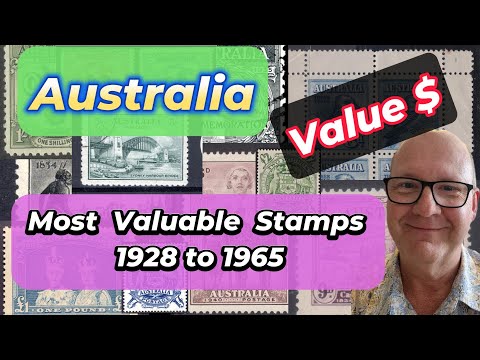
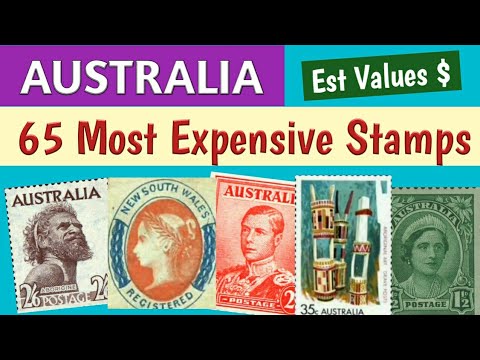
An Australia classic stamps catalog is an essential reference for identifying, dating, valuing, and understanding the earliest postage stamps issued by Australian colonies and the Commonwealth of Australia. Whether you collect New South Wales classics, Victorian “Half-Length” portraits, Queensland imperforates, Western Australia swans, or early Commonwealth Kangaroo and Map stamps, a reliable catalog turns loose stamps into a structured and historically meaningful collection. The best Australian stamp catalogs combine issue dates, watermark information, perforation measurements, colour varieties, plate flaws, cancellations, printing details, condition standards, and realistic market values.
What Is an Australia Classic Stamps Catalog?
The term “Australia classic stamps” usually refers to important early issues produced by the separate Australian colonies and the first Commonwealth period. The precise date range varies between collectors and catalog publishers. Many specialists begin with the first colonial stamps of the 1850s and continue through Federation in 1901, while others include Commonwealth issues through the end of the reign of King George V in 1936.
An Australia classic stamps catalog is more than a price list. It is a classification system that helps collectors distinguish stamps that may look similar but differ significantly in scarcity and value. A catalog entry may identify a stamp by denomination, design, issue date, perforation, watermark, printing method, colour, paper, plate variety, cancellation, and known errors.
For Australian philately, catalog research is particularly important because the country’s early postal history was divided among several colonies. New South Wales, Victoria, Queensland, South Australia, Tasmania, Western Australia, and later the Commonwealth each developed distinctive stamp designs and postal regulations. These regional differences created a rich field of collecting specialties.
Major Areas Covered in an Australian Classic Stamp Catalog
Colonial Australian stamps
Colonial issues form the foundation of Australian classic stamp collecting. New South Wales is known for Sydney Views, Laureate portraits, Diadem designs, and later pictorial issues. Victoria is famous for the 1850s Half-Length and Emblems series, as well as numerous perforation and watermark varieties. Queensland collectors study the Chalon head issues and the distinctive “Sideface” series.
South Australia produced several notable designs, including the long-running Queen Victoria series. Tasmania is represented by Van Diemen’s Land and later Tasmanian issues, while Western Australia is internationally recognized for its swan stamps. These stamps are especially interesting because early examples can have different papers, colours, perforations, and cancellations that materially affect catalog classification.
Federation and early Commonwealth issues
Following Federation in 1901, Australia began issuing national stamps while some colonial designs continued to circulate. The most important early Commonwealth issues include the 1913 Kangaroo and Map series and the King George V series introduced soon afterward. These stamps are cataloged by watermark, perforation, marginal markings, plate numbers, varieties, and distinctive shades.
The first Kangaroo and Map stamps are among the best-known Australian classic stamps. The £2 Kangaroo, high-denomination values, inverted watermark varieties, and scarce perforation combinations receive considerable attention from advanced collectors. King George V stamps also offer extensive opportunities for specialization, especially through die differences, plate flaws, coil stamps, substituted electrotype varieties, and booklet or marginal pieces.
| Collecting area | Typical catalog features | Why it matters |
| New South Wales | Design types, plate varieties, cancellations, reprints | Early colonial history and scarce Sydney issues |
| Victoria | Watermarks, perforations, shades, roulettes | Many closely related issues require careful comparison |
| Queensland | Chalon heads, Sidefaces, postal markings | Strong specialist interest and important rarity distinctions |
| Western Australia | Swan designs, watermarks, perforations | Iconic design with valuable early and inverted varieties |
| Commonwealth Australia | Kangaroo and Map, King George V, plate flaws | Well-documented varieties and broad specialist coverage |
Which Catalogs Are Most Useful?
Several catalog systems are used internationally and in Australia. Scott catalog numbers are familiar to collectors worldwide and are useful for general identification and cross-border trading. Stanley Gibbons catalogs are also widely used, particularly by British Commonwealth collectors. However, Australian specialists often rely on the Australian Commonwealth Specialists’ Catalogue, commonly associated with Brusden White, for detailed research into Commonwealth issues.
The Australian Commonwealth Specialists’ Catalogue provides information that general international catalogs may abbreviate or omit. It commonly covers plate positions, flaws, watermark variations, perforation measurements, varieties, proofs, essays, shades, postal stationery, and specialized condition or cancellation information. For serious study of Kangaroo, Map, and King George V stamps, a specialist Australian catalog is usually more informative than a general worldwide volume.
For colonial stamps, collectors may need separate specialist references covering individual states. A general Australia stamp catalog can provide a useful starting point, but it may not list every colonial plate flaw, reprint, postal marking, or cancellation rarity. Advanced research often involves comparing multiple sources, including auction catalogs, philatelic society publications, and expert certificate records.
Catalog number versus market value
A catalog number identifies a stamp; it does not guarantee a selling price. Catalog values are normally reference figures based on assumed condition and may represent retail, dealer, or specialist-market expectations. Actual prices depend on demand, centering, gum, cancellation quality, provenance, certification, and current auction activity.

A lightly cancelled stamp with four clear margins may sell for more than a nominally identical example with heavy obliteration or thins. Conversely, a rare variety with faults may still be highly desirable because very few examples are known. Always treat catalog prices as research indicators rather than automatic appraisals.
How to Read an Australia Classic Stamps Catalog
Begin with the issuing colony or Commonwealth period, then narrow the search by denomination and design. Pay close attention to the catalog’s abbreviations and grading definitions. Terms such as “unused,” “mint,” “o.g.,” “hinged,” “never hinged,” “used,” “cancelled to order,” and “unused without gum” describe different states of preservation and can have very different values.
- Identify the design: Compare the portrait, emblem, numeral, animal, map, or inscription with catalog illustrations.
- Check the denomination and colour: Similar designs often exist in multiple values and shades.
- Measure the perforations: A perforation gauge can separate catalog listings that appear identical.
- Inspect the watermark: Use watermark fluid or an electronic detector carefully, preferably under expert guidance.
- Study the cancellation: Date, location, clarity, and rarity can substantially influence desirability.
- Compare condition: Look for margins, creases, thins, tears, repairs, stains, gum disturbance, and fading.
- Record the catalog number: Note the catalog edition and the exact variety description.
Never identify a scarce Australian classic stamp from colour alone. Lighting, paper ageing, oxidation, and chemical alteration can make a common stamp resemble a scarce shade. Likewise, perforation measurements should be taken across several teeth where possible, because damaged or uneven perforations can produce misleading results.
Condition, Rarity, and Authentication
Condition is central to classic Australian stamp valuation. Collectors usually examine centering, margins, perforations, gum, paper quality, colour freshness, cancellation, and faults. For imperforate issues, four clear margins are especially important. For perforated stamps, intact teeth and balanced centering add considerable appeal.
Rarity has several dimensions. A stamp may have a low surviving population, a scarce cancellation, a rare watermark orientation, or an unusual combination of perforation and paper. Some common stamps become scarce in exceptional condition, while a technically rare variety may be less valuable if most surviving examples are damaged.
Authentication is essential for expensive Australian classics. Forged cancellations, reperforated edges, repaired margins, regummed stamps, cleaned paper, and colour alterations can affect both value and collectability. A recognized expert certificate should describe the stamp, identify faults or alterations, and confirm whether the item is genuine. Certificates from respected Australian or international expert bodies are especially important for high-value Kangaroo, Map, colonial, and watermark varieties.
Practical tools for catalog research
- A current Australian stamp catalog and a general international catalog for cross-referencing
- A perforation gauge and millimeter ruler
- A watermark tray and suitable watermark fluid
- A magnifying glass or digital microscope
- Stamp tongs rather than fingers
- Archival stock pages, mounts, and protective sleeves
- A UV light used cautiously to examine paper and repairs
- A digital collection database for catalog numbers, provenance, and purchase prices
Building a Valuable Australian Classic Stamp Collection
Beginners should avoid purchasing the most expensive stamp they can find before learning how condition and varieties work. A better strategy is to select a focused area, such as Victorian classics, Western Australian swans, New South Wales cancellations, or first-issue Commonwealth stamps. Studying one specialty makes catalog descriptions easier to understand and helps develop visual judgment.
Intermediate collectors can organize their collection by issuing authority, chronological sequence, denomination, watermark, or postal usage. A postal-history approach is particularly rewarding. Covers, dated cancellations, registered mail, ship mail, railway markings, and usages to unusual destinations often reveal more about an issue than an unused single stamp.
Advanced collectors may specialize in plating, die states, constant flaws, proofs, essays, printer’s waste, specimen overprints, or rare postal markings. They should maintain detailed provenance records and distinguish confidently identified varieties from probable or merely possible varieties. High-resolution scans, auction comparisons, and specialist literature can support this process.
When buying online, request clear images of the front and back, including the gum and perforations. Ask whether the item has been repaired, reperforated, regummed, or certified. Compare the seller’s description with an independent catalog rather than relying on phrases such as “rare,” “investment grade,” or “museum quality.” Reputable dealers normally provide transparent condition descriptions and return policies.
Common Mistakes When Using an Australian Stamp Catalog
- Assuming the highest catalog value equals the likely auction price
- Confusing a colonial stamp with an early Commonwealth issue
- Ignoring watermark direction or perforation differences
- Calling a stamp “mint” without checking gum condition
- Overlooking repaired margins, thins, creases, or regumming
- Using an outdated catalog without checking revised numbering
- Trusting a rare-variety claim without expert verification
Catalog editions change because new research, revised census information, and market developments affect descriptions and prices. Record the catalog title, edition, and page reference whenever you inventory a stamp. This creates a reliable audit trail and makes insurance, valuation, and future selling much easier.
Frequently Asked Questions About Australia Classic Stamps Catalogs
What is the best catalog for Australian classic stamps?
For general identification, Scott or Stanley Gibbons can be useful. For detailed research into Commonwealth Australia, the Australian Commonwealth Specialists’ Catalogue associated with Brusden White is often the strongest choice. Colonial specialists may need dedicated references for New South Wales, Victoria, Queensland, South Australia, Tasmania, and Western Australia.
Which Australian classic stamps are most valuable?
Values vary according to authenticity, condition, rarity, and demand. Important examples include scarce colonial issues, rare Western Australian swan varieties, high-denomination Kangaroo and Map stamps, watermark and perforation rarities, and exceptionally preserved early issues. A catalog can identify candidates, but an expert certificate and current market evidence are needed for valuation.
How can I identify an Australian stamp from the 1850s?
Start by examining the design, denomination, inscription, paper, margins, perforation or imperforate edges, and cancellation. Compare the stamp with the colonial section of a specialized catalog. Do not rely only on colour or portrait design, because many early issues have closely related varieties.
Are old Australian stamps automatically valuable?
No. Age alone does not establish value. Many old stamps were issued in substantial quantities and remain affordable, while scarce varieties can be valuable even when they are not visually impressive. Condition, genuine postal use, rarity, demand, and catalog classification are more important than age by itself.
Where can I check the value of Australian classic stamps?
Use a current specialist catalog, compare recent auction results, consult established Australian stamp dealers, and obtain an expert opinion for significant items. Online marketplace asking prices are less reliable than completed auction sales because sellers may list stamps above realistic market levels.
An Australia classic stamps catalog is the starting point for informed collecting, not the final word on value. By combining a specialist reference with careful examination, provenance research, expert authentication, and current market comparisons, collectors can confidently explore Australia’s colonial and early Commonwealth issues. The result is a collection that is not only easier to identify and value, but also richer in postal history, design, printing knowledge, and Australian heritage.
