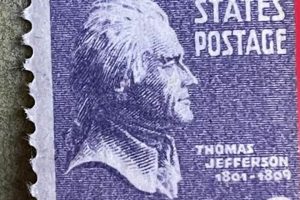
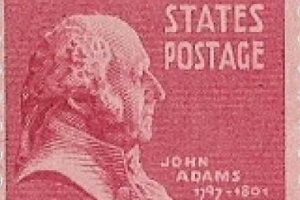
The value of a postage stamp issued with a face value of five cents can vary significantly. Factors influencing this value include the stamp’s condition, rarity, historical significance, demand from collectors, and potential errors or variations in printing. A pristine, unused example of a common five-cent stamp from a recent issue may only be worth its face value, while a rare or historically significant five-cent stamp, particularly in excellent condition, could be worth hundreds or even thousands of dollars. A damaged stamp, even a rare one, will likely be worth considerably less than an undamaged counterpart.
Understanding the factors that determine a stamp’s value is crucial for both collectors and individuals who may have inherited or discovered old stamps. Philately, the study of stamps, provides a framework for evaluating these factors. Historical context, such as the period of the stamp’s issuance or the events it commemorates, adds another layer of significance and can impact its desirability. The market for collectible stamps fluctuates, responding to trends and discoveries, making accurate appraisal essential.
This article will further explore the nuances of stamp valuation, focusing on factors like condition assessment, identifying rare and valuable stamps, and understanding market trends. Additionally, resources for obtaining professional appraisals and guidance on buying and selling collectible stamps will be discussed.
Tips on Determining Value for Five-Cent Stamps
Accurately assessing the value of five-cent stamps requires careful consideration of several key factors. The following tips provide guidance for navigating this process.
Tip 1: Assess Condition: Condition is paramount. Examine the stamp for tears, creases, thin spots, fading, or gum damage. Mint condition, with original gum undisturbed, commands the highest value.
Tip 2: Identify the Stamp: Precise identification is crucial. Utilize catalogs and online resources to determine the exact stamp issue, year, and any variations.
Tip 3: Research Market Value: Consult stamp catalogs, auction records, and dealer websites to understand current market trends and recent sales prices for comparable stamps.
Tip 4: Consider Rarity: Scarcity increases value. Factors like limited print runs, errors, or unique varieties contribute to rarity.
Tip 5: Understand Historical Context: A stamp’s historical significance, such as its connection to important events or figures, can enhance its value.
Tip 6: Seek Professional Appraisals: For valuable stamps, professional appraisal by a qualified philatelic expert is recommended for accurate valuation and authentication.
Tip 7: Handle with Care: Proper handling and storage are essential for preserving stamp condition. Use stamp tongs and acid-free materials.
By considering these factors, one can gain a more accurate understanding of the potential worth of five-cent stamps. This knowledge empowers collectors and individuals to make informed decisions regarding buying, selling, and preserving these historical artifacts.
This information serves as a practical guide, facilitating informed decisions regarding five-cent stamps and their potential value within the broader context of philately.
1. Condition

Condition is paramount in determining a five-cent stamp’s value. The degree of preservation directly impacts desirability and price. A stamp’s condition is evaluated based on several factors, including centering within the perforated margins, the presence or absence of gum (the adhesive on the back), and any flaws such as tears, creases, thin spots, fading, or short perforations. A stamp in perfect, unused condition with full original gum, referred to as “mint,” commands the highest value. Even minor imperfections can significantly diminish a stamp’s worth, especially for rarer issues. For example, a lightly hinged stamp (one that has been previously mounted in an album) will typically be valued lower than a never-hinged example. Conversely, a heavily damaged stamp, even a rare one, might be worth very little.
The impact of condition underscores the importance of careful handling and storage. Stamp tongs should always be used to handle stamps, preventing damage from fingerprints and oils. Stamps should be stored in acid-free albums or mounts to protect them from environmental factors that can cause deterioration. Proper storage safeguards a stamp’s condition, preserving its value over time. The difference in value between a mint condition stamp and a damaged one can be substantial, often representing a significant percentage of the potential market price.
Understanding the crucial role of condition allows collectors and individuals to make informed decisions about acquisitions and preservation. Recognizing the impact of even minor flaws allows for accurate valuation and emphasizes the importance of meticulous handling and storage practices. This knowledge contributes significantly to responsible collecting and the preservation of philatelic heritage.
2. Rarity

Rarity significantly influences the value of a five-cent stamp. Scarcity, driven by limited print runs, unforeseen production errors, or unique variations, can dramatically increase a stamp’s desirability and market price. A common five-cent stamp printed in the millions might be worth only its face value. However, a five-cent stamp with an inverted center, a double printing error, or a missing color, particularly if few examples are known to exist, could be worth thousands of dollars. The 1869 Pictorial Issue with an inverted center is a prime example; this five-cent stamp, due to its rarity caused by the printing error, is highly sought after by collectors and commands a substantial premium. Similarly, stamps issued for a short period or withdrawn from circulation quickly often become scarce and, consequently, more valuable.
Determining rarity requires careful research and consultation of specialized catalogs that document stamp production numbers, known varieties, and error frequencies. Understanding the factors contributing to a stamp’s scarcity allows collectors to appreciate the interplay between rarity and value. For instance, a five-cent stamp issued for a specific commemorative event with a limited print run might be inherently rarer than a standard postal issue, even if both are in excellent condition. Recognizing these nuances enables collectors to make informed decisions about potential acquisitions and appreciate the historical and production factors that contribute to a stamp’s rarity. Rarity often transcends face value; a scarce five-cent stamp can represent a significant philatelic investment due to its limited availability and historical significance.
The link between rarity and value underscores the importance of accurate identification and authentication. Counterfeit stamps or misidentified variations can mislead collectors and compromise investment potential. Consulting expert philatelists and utilizing reputable resources are essential for verifying rarity and authenticity. Ultimately, understanding rarity provides a critical framework for appreciating the historical context and production factors that influence the value of five-cent stamps, transforming them from simple postage into potential treasures.
3. Historical Context
Historical context significantly influences the value of a five-cent stamp. A stamp’s worth is not solely determined by its age or condition, but also by the historical events, social trends, and technological advancements surrounding its issuance and usage. Understanding this context provides crucial insights into a stamp’s significance and, consequently, its value within the broader philatelic landscape.
- Period of Issuance:
The era in which a five-cent stamp was issued provides crucial background information. Stamps from periods of war, economic upheaval, or significant social change often carry greater historical weight. For example, five-cent stamps issued during the American Civil War hold significant historical value due to their association with a pivotal period in American history. Even seemingly mundane stamps can acquire added significance if they represent a specific historical period, such as the early years of airmail or the introduction of new printing technologies.
- Commemorative Significance:
Many five-cent stamps commemorate important events, anniversaries, or individuals. These commemorative issues often have limited print runs and gain value due to their specific historical association. A five-cent stamp honoring a significant historical figure or a pivotal event can become a sought-after collectible, its value reflecting its historical importance. The subject of commemoration adds a layer of cultural and historical significance, elevating the stamp’s value beyond its face value.
- Postal Rates and Usage:
Understanding historical postal rates and usage patterns provides insights into a stamp’s value. A five-cent stamp might represent a common postal rate during one period but a rare or unusual rate in another. This historical context of usage contributes to a stamp’s scarcity and, consequently, its value. For example, if a five-cent rate was only briefly in effect, stamps from that period might be rarer and more valuable than those from periods with longer-lasting five-cent rates. The historical context of usage is directly tied to a stamp’s potential rarity and market value.
- Printing Processes and Errors:
The printing methods and technologies employed in a stamp’s production contribute to its historical context and can significantly affect its value. Early printing techniques often resulted in variations and errors, which can make certain stamps more desirable to collectors. A five-cent stamp with a recognizable printing error from a specific historical period can become a valuable rarity due to its unique production characteristics. The evolution of printing technologies is reflected in the stamps themselves, adding a historical dimension to their value.
By considering these historical facets, collectors gain a deeper understanding of a five-cent stamp’s significance and value. Historical context transforms a simple piece of postage into a tangible representation of a specific time and place, imbuing it with historical weight and, often, significant monetary value. The confluence of these factors contributes to a stamp’s overall worth, elevating it from a utilitarian object to a valuable collectible with a rich historical narrative.
4. Market Demand
Market demand plays a crucial role in determining the value of a five-cent stamp. The interplay of supply and demand directly influences market prices. High demand for a particular stamp, coupled with limited supply, drives prices upward. Conversely, low demand, even for a relatively scarce stamp, can result in lower valuations. Several factors influence market demand, including collector trends, economic conditions, and new discoveries. For instance, a surge in popularity of a specific historical period or thematic area can increase demand for related stamps, impacting their market value. Similarly, economic downturns can dampen collector enthusiasm and decrease demand, potentially leading to lower prices. The discovery of a previously unknown hoard of a particular five-cent stamp can suddenly increase supply, potentially depressing its value. The 1918 24-cent Inverted Jenny, while not a five-cent stamp, exemplifies how a single rarity can capture the public imagination and drive intense market demand, resulting in exceptionally high prices.
Understanding market demand requires ongoing observation of auction results, dealer catalogs, and online marketplaces. Tracking trends allows collectors to anticipate potential shifts in value and make informed decisions about acquisitions and sales. Recognizing factors that influence demand, such as the release of new research or the emergence of new collecting areas, provides valuable insights into market dynamics. The condition and rarity of a stamp remain important factors, but their interplay with market demand ultimately determines the realized value. A pristine, rare five-cent stamp might command a high price in a robust market but struggle to achieve its full potential in a depressed market. The interconnectedness of these factors necessitates a nuanced understanding of market forces.
The impact of market demand highlights the dynamic nature of stamp collecting. Values are not static; they fluctuate in response to collector interest and market conditions. Active participation in the philatelic community, through attending stamp shows, joining clubs, and engaging with online forums, provides valuable insights into current market trends. This ongoing engagement allows collectors to adapt to shifts in demand and make informed decisions that align with their collecting goals. Ultimately, recognizing the significance of market demand provides a crucial framework for understanding the forces that shape the value of five-cent stamps and the broader philatelic market.
5. Professional Appraisal

Accurately determining the worth of a five-cent stamp, particularly for rare or potentially valuable specimens, often necessitates professional appraisal. Expertise in philately is crucial for navigating the complexities of condition assessment, rarity determination, and market analysis. Professional appraisers provide objective valuations based on their specialized knowledge and access to comprehensive resources.
- Authentication and Identification
Professional appraisers possess the expertise to authenticate stamps and accurately identify specific issues, varieties, and potential errors. This process involves meticulous examination of design details, printing characteristics, and paper types. Accurate identification is paramount for establishing a stamp’s baseline value and recognizing any unique features that might enhance its worth. For example, distinguishing between a common five-cent stamp and a rare variety with a minor design difference can significantly impact valuation. Authentication protects against counterfeits and ensures accurate assessment.
- Condition Assessment
Appraisers provide expert evaluation of a stamp’s condition, considering factors such as centering, gum condition, and the presence of flaws. They utilize standardized grading systems to assign a condition grade, which directly influences market value. A seemingly minor imperfection, such as a small thin spot or a slightly off-center design, can significantly impact a stamp’s grade and, consequently, its worth. Professional condition assessment provides an objective evaluation, essential for accurate pricing and insurance purposes.
- Rarity Determination
Appraisers possess in-depth knowledge of stamp production numbers, known varieties, and historical context, enabling them to assess a stamp’s rarity. They consult specialized catalogs and auction records to determine the relative scarcity of a particular five-cent stamp, a crucial factor in establishing its market value. A rare five-cent stamp with a limited print run or a known printing error will typically command a higher price than a common issue, even if both are in similar condition. Accurate rarity determination provides crucial context for valuation.
- Market Analysis
Professional appraisers stay abreast of current market trends and auction results, enabling them to provide up-to-date valuations. They understand the interplay of supply and demand and can assess the potential market value of a five-cent stamp based on recent sales of comparable examples. Market analysis considers factors such as collector demand, economic conditions, and current trends within specific collecting areas. This dynamic understanding of market forces ensures valuations reflect current market realities.
Professional appraisal provides an objective and informed assessment of a five-cent stamp’s worth. This expertise protects buyers and sellers, ensuring fair market valuations and informed transactions. For rare or potentially valuable five-cent stamps, professional appraisal is an essential step in understanding their true worth and making sound philatelic decisions. This process goes beyond simple price determination; it provides a comprehensive understanding of a stamp’s historical significance, rarity, and place within the broader philatelic context.
Frequently Asked Questions
This section addresses common inquiries regarding the valuation of five-cent stamps, providing concise and informative responses.
Question 1: How is the value of a five-cent stamp determined?
Several factors influence value, including condition, rarity, historical context, and market demand. Professional appraisal is recommended for accurate assessment.
Question 2: Are all old five-cent stamps valuable?
Not all old five-cent stamps are valuable. Commonly issued stamps, even older ones, might only be worth their face value. Rarity and condition significantly impact value.
Question 3: Where can one find reliable information about five-cent stamp values?
Reputable stamp catalogs, auction records, dealer websites, and philatelic societies offer reliable resources for researching stamp values. Professional appraisers provide expert assessments.
Question 4: How does condition affect the value of a five-cent stamp?
Condition is paramount. Imperfections, such as tears, creases, or fading, significantly diminish value. Mint condition stamps command the highest prices.
Question 5: What are some examples of rare or valuable five-cent stamps?
Rare five-cent stamps include those with printing errors, such as inverted centers or missing colors, and those issued in limited quantities or for specific historical events. Research and expert consultation are essential for identifying such rarities.
Question 6: How can one sell valuable five-cent stamps?
Reputable stamp dealers, auction houses specializing in philately, and online marketplaces offer avenues for selling valuable stamps. Professional appraisal prior to selling is recommended.
Accurate valuation requires careful consideration of multiple factors. Consulting expert resources and engaging in thorough research are essential steps in understanding the potential worth of five-cent stamps.
For further exploration, consult the resources and additional information provided in the following sections.
5 Cent Stamp Worth
The value of a five-cent stamp is a complex interplay of various factors. Condition, encompassing centering, gum integrity, and absence of flaws, plays a pivotal role. Rarity, influenced by limited print runs, errors, and unique varieties, significantly impacts market value. Historical context, including the period of issuance, commemorative significance, and postal usage, adds another layer of complexity. Market demand, driven by collector trends and economic conditions, ultimately dictates realized prices. Professional appraisal provides essential expertise for accurate assessment, authentication, and informed decision-making.
Ultimately, the worth of a five-cent stamp extends beyond its face value. These small artifacts encapsulate history, artistry, and market dynamics. Careful research, informed appraisal, and a nuanced understanding of these interconnected factors are essential for navigating the fascinating world of philately and unlocking the potential value held within a seemingly simple five-cent stamp.