



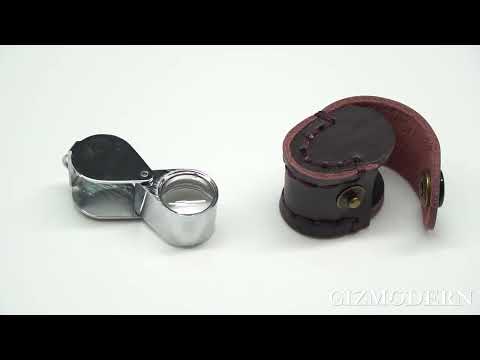
A 10x triplet jeweler loupe and archival acid-free materials solve two different but closely related problems: the loupe helps you see tiny details, while appropriate archival enclosures help protect the objects you inspect. Whether you are examining a gemstone, identifying a coin mintmark, checking a photograph, or assessing paper fibers, choosing the right magnifier and storage supplies can improve both your observations and your handling routine. The key is understanding what “10x,” “triplet,” and “acid-free” actually mean—and where their limitations begin.
What Is a 10x Triplet Jeweler Loupe?
A 10x triplet jeweler loupe is a handheld magnifier designed to make a subject appear approximately ten times larger under its intended viewing conditions. Its triplet lens combines three optical elements to improve image quality, typically reducing color fringing and distortion compared with a simple single-element magnifier.
Jewelers use 10x magnification to inspect inclusions, facet junctions, settings, and metal marks. Collectors and conservators also use loupes to examine printing techniques, surface damage, signatures, stamps, and other small features. A well-made loupe should produce a sharp, reasonably flat image across much of the viewing area, though performance varies with lens design and manufacturing quality.
Quick answer: A 10x triplet loupe is an inspection tool, not an archival material. “Acid-free” describes the chemistry of certain storage products, such as paper folders and boxes. For collection care, use the loupe for close examination and select suitable archival enclosures separately.
Understanding “Archival” and “Acid-Free”
Acid-free paper generally has a neutral or alkaline pH at the time of manufacture. This can reduce the risk of acid-related deterioration compared with unsuitable acidic paper. However, the term alone does not guarantee that a product is permanent, lignin-free, buffered, or appropriate for every object.
“Archival” is also used broadly in retail descriptions. Look beyond the label for material specifications, intended uses, and relevant testing. For example, photographic enclosures may be described as having passed the Photographic Activity Test (PAT), a useful indication that the enclosure has been evaluated for potentially harmful interactions with photographic materials.
Buffered versus unbuffered storage
Buffered paper contains an alkaline reserve, commonly calcium carbonate, which can help counteract acidity. It is often suitable for many paper documents and prints. Unbuffered material may be preferred for certain objects sensitive to alkaline conditions, including some photographs, textiles, and colorants. Because composition and condition matter, consult a conservator or a reputable collection-care guide before selecting materials for valuable or unstable items.
For inert-looking transparent sleeves, check the actual plastic: uncoated polyester, polyethylene, and polypropylene are commonly used in collection storage. Avoid assuming that any clear plastic sleeve is safe; flexible PVC can contain additives that migrate or degrade over time.
Why 10x Magnification Is a Practical Standard
Ten-power magnification strikes a useful balance between detail, field of view, and portability. Higher magnification can reveal smaller features, but it also narrows the visible area, reduces working distance, and makes hand movement more noticeable. For routine inspection, a good 10x triplet is often more useful than a poorly made loupe advertised at a much higher power.
In diamond grading, trained graders commonly assess clarity at 10x magnification under standardized conditions. That does not mean an untrained observer can assign a reliable grade with a loupe alone. Lighting, viewing technique, grading standards, and experience all affect the result.
For paper and photographs, 10x can help distinguish dots, plate marks, fibers, cracks, and surface deposits. It can support identification, but a single feature rarely proves an object’s age, authenticity, or printing process.
Triplet Loupe Comparison: What to Look For
| Feature | Why it matters | Practical guidance |
| Lens construction | Influences sharpness, color correction, and distortion. | Choose a reputable triplet; check clarity across the field rather than relying on the label alone. |
| Magnification | Determines apparent detail and affects field of view. | Start with 10x for jewelry, coins, stamps, and collection inspection. |
| Lens diameter | Affects the size of the viewing window and portability. | A larger lens can be more comfortable, but quality matters more than size alone. |
| Housing | Protects the lens and affects reflections and handling. | Look for a secure folding case, smooth movement, and a matte interior. |
| Lighting | Changes how inclusions, texture, and surface damage appear. | Use adjustable external lighting when possible; assess built-in LEDs for glare and color. |
| Product documentation | Helps distinguish meaningful claims from marketing. | Check the manufacturer’s optical specifications and return policy. |
Lens diameter is not a direct measure of optical quality. A clear, well-corrected smaller loupe can outperform a larger lens with soft edges or distracting color fringes. If possible, test a loupe on fine black text and a straight line, checking the center and edges for blur, bending, and colored halos.
How to Use a 10x Loupe Correctly
- Prepare a stable workspace. Use a clean, uncluttered table and a soft, appropriate work surface. Keep food, drinks, and loose tools away from collection objects.
- Hold the loupe close to your eye. Keep it steady and bring the object toward the lens until the detail comes into focus. For flat or fragile objects, move your head and loupe rather than repeatedly moving the item.
- Brace your hands. Rest your elbows or hands on the table when practical. A stable position makes fine features easier to resolve.
- Adjust the light. Use diffuse light for an overall view and angled light to reveal texture, scratches, creases, or raised surfaces. Avoid prolonged exposure to strong heat or intense light.
- Inspect systematically. Move across the object in a consistent pattern. Record the location and appearance of relevant features rather than relying on memory.
- Return the object to suitable storage. Close folders, sleeves, or boxes carefully, ensuring that the enclosure does not press against vulnerable surfaces.
Do not place the loupe directly against a gemstone, photograph, coin, or artwork. Its metal rim can scratch surfaces, and contact may transfer oils or dirt. For loose stones, use appropriate gem tweezers only if you know how to handle them safely; otherwise, seek professional assistance.
Choosing Acid-Free Storage for Different Collections
Documents, prints, and paper ephemera
Store paper flat in appropriately sized folders or boxes made from documented acid-free, lignin-free materials. Buffered board is often useful for ordinary paper collections, but the object’s media and condition should guide the choice. Avoid overfilled folders, adhesive notes, rubber bands, and ordinary pressure-sensitive tape, which can stain or damage paper.
Photographs and negatives
Choose enclosures made specifically for photographic materials and look for PAT information where applicable. Paper enclosures limit light exposure; suitable plastic sleeves allow viewing with less direct handling, although they are not ideal for every condition. Flaking, sticky, or deteriorating photographs may need individualized treatment rather than a tight sleeve.

Coins, jewelry, and gemstones
Acid-free paper or board can be useful for labels and certain boxes, but it is not a universal guarantee of safety for metals or gemstones. Storage components, adhesives, foams, dyes, humidity, and pollutants can all matter. Choose products intended for the specific material, avoid PVC coin flips, and keep pieces separated to prevent abrasion. Fragile, treated, or high-value objects deserve specialist advice.
Practical Inspection Tips for Collectors and Professionals
A loupe reveals details, but interpretation depends on context. Jewelers may examine whether prongs fully cover a stone’s girdle; numismatists may look for die characteristics or signs of cleaning; philatelists may check perforations, paper, and print. In each case, compare findings with reliable references and avoid drawing conclusions from one apparent clue.
- Change the lighting angle: Raking light can make shallow scratches or paper cockling more visible than direct overhead light.
- Compare multiple areas: A single dark spot could be an inclusion, surface dirt, a printing dot, or a shadow.
- Document observations precisely: Note location, approximate size, lighting conditions, and whether a feature appears on or beneath the surface.
- Handle by safe edges: Clean, dry hands are often preferable for paper; gloves may be appropriate for some photographs, metals, or institutional procedures.
- Know when to stop: If material is flaking, tearing, sticky, or actively deteriorating, minimize handling and consult a conservator.
For repeatable records, a camera or microscope setup with controlled lighting may be more useful than a handheld loupe alone. Loupe photographs taken through a phone camera can be helpful references, but their scale, focus, and color may be inconsistent.
Cleaning and Storing Your Loupe
Fold the loupe into its protective housing when not in use, and store it in a clean pouch or case away from dust and moisture. Remove loose particles with a hand blower or soft lens brush before gently wiping the glass with a clean microfiber lens cloth. Follow the manufacturer’s instructions for any cleaning solution, and avoid soaking the assembly: liquid can enter the housing or affect cemented lens elements.
Keep the loupe separate from collection objects in storage. A protective case reduces the chance that the metal housing will scratch an item, while also helping keep fingerprints and debris off the optics.
Common Buying Mistakes to Avoid
The most frequent mistake is treating a combined search phrase as one product specification. A listing for a “10x triplet jeweler loupe archival acid free” may refer to a loupe sold alongside storage supplies, or it may use unrelated keywords. Verify exactly what is included and which claims apply to each component.
Also be cautious of exaggerated magnification, vague “professional grade” claims, and storage products that provide no material details. A useful purchase prioritizes reliable optics, clear product information, and enclosures matched to the collection—not the largest number of marketing terms.
Conclusion
A quality 10x triplet jeweler loupe is a versatile first choice for close inspection, offering a practical balance of magnification and image quality. Pair it with carefully selected acid-free or otherwise appropriate archival storage, and you have a stronger workflow for examining and protecting valuable objects. Match every enclosure to the material, use gentle handling and suitable light, and seek expert advice when identification or conservation decisions carry significant risk.

Frequently Asked Questions
Is a 10x triplet jeweler loupe acid-free?
A loupe is an optical instrument, so “acid-free” is generally not a meaningful description of its lenses or metal housing. The term usually applies to paper or board used for folders, boxes, labels, or packaging. Check storage-material specifications separately from the loupe’s optical specifications.
Is a 10x triplet loupe good for examining old photographs?
Yes. It can help reveal print texture, retouching, cracks, and other small features without touching the image surface. Use gentle, adjustable lighting and support the photograph fully. A loupe alone cannot reliably date or authenticate a photograph.
What is the difference between acid-free and archival storage?
Acid-free refers principally to a material’s pH, while archival is a broader and sometimes loosely used term suggesting suitability for long-term preservation. Neither label by itself proves compatibility with every object. Review composition, buffering, intended use, and relevant testing.
Can a 10x jeweler loupe identify a real diamond?
A loupe may reveal inclusions, wear, or other clues, but it cannot reliably identify every diamond or distinguish all natural, laboratory-grown, and imitation stones. A qualified gemologist can combine magnification with appropriate testing and laboratory analysis when needed.
Should I use buffered or unbuffered acid-free paper for collectibles?
Buffered paper is often appropriate for many documents and prints, while unbuffered materials may be preferable for some alkaline-sensitive objects. The right choice depends on the object’s composition and condition. When in doubt, consult a conservator or collection-care specialist.
