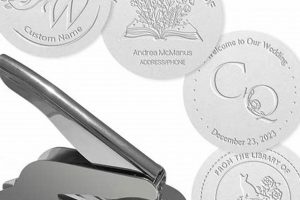
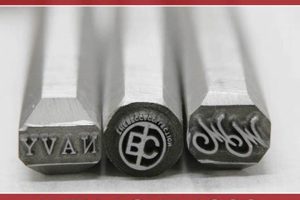
A personalized marking device allows individuals and organizations to imprint books with a unique design, logo, or inscription. This could range from a simple name or monogram to a complex illustration, effectively creating a personalized library or marking ownership. Imagine a collector embossing their mark on a rare first edition or a library identifying its collection with a distinctive stamp. This process adds a touch of distinction and provides a clear indication of provenance.
These tools offer practical benefits beyond mere aesthetics. They deter theft, readily identify borrowed books, and enhance the gifting experience by adding a personalized touch. Historically, bookplates served a similar function, with elaborate engravings signifying ownership and prestige. Personalized stamps offer a modern, efficient alternative, catering to both individual collectors and institutions. This practice fosters a sense of connection with one’s books, elevating them from mere objects to valued possessions.
This exploration will delve into the various types of personalized marking devices, ranging from traditional embossers and hand stamps to modern, self-inking options. Further discussion will cover design considerations, material selection, and practical applications for different users, offering a comprehensive guide to understanding and selecting the ideal tool for specific needs.
Tips for Effective Book Stamping
Achieving professional-looking results and maximizing the lifespan of personalized marking devices requires attention to detail and proper technique. The following tips offer practical guidance for optimal usage and maintenance.
Tip 1: Ink Selection: Choosing the correct ink type is crucial. Archival quality, pigment-based inks are recommended for long-lasting impressions that resist fading and smudging. Consider the book’s paper type; porous paper may require a quicker drying ink to prevent feathering.
Tip 2: Pressure Control: Consistent, even pressure is key to clear, crisp impressions. Over-stamping can result in ink bleeding or damage to the book’s cover. Practice on scrap paper to determine the optimal pressure for the specific device and paper type.
Tip 3: Surface Preparation: Ensure the stamping surface is clean and flat. Remove any dust or debris that might interfere with the impression. For uneven surfaces, consider using a stamping platform to create a level surface.
Tip 4: Alignment and Placement: Precise alignment is essential for a professional look. Use a ruler and pencil to lightly mark the desired stamp location. Consider the book’s dimensions and aesthetics when choosing placement.
Tip 5: Stamp Care and Maintenance: Regular cleaning extends the life of the stamp. Use a soft, damp cloth to remove excess ink and debris after each use. Store the stamp in a cool, dry place away from direct sunlight.
Tip 6: Testing and Practice: Before stamping valuable books, test the stamp and ink on similar paper stock. This allows for adjustments to pressure, alignment, and ink coverage, minimizing the risk of errors on the final product.
By adhering to these guidelines, one can ensure clear, enduring impressions, preserving the value and aesthetic appeal of personalized book collections.
These tips provide a foundational understanding of best practices. The subsequent conclusion offers a summary of key takeaways and reinforces the value of personalized marking devices.
1. Personalization

Personalized marking devices offer a significant departure from generic ownership indicators, transforming books into unique possessions. This capacity for personalization extends beyond mere function, reflecting individual tastes and adding sentimental value. The following facets explore the various dimensions of personalization achievable with a custom book stamp press.
- Monograms and Initials:
A classic approach to personalization involves embossing or stamping a monogram or initials onto the book’s endpapers or title page. This serves as a subtle yet effective mark of ownership, reminiscent of traditional bookplates. A collector specializing in a particular genre might use their initials to denote items within their curated collection. This simple act imbues each volume with a personal touch, signifying its place within a larger, carefully assembled library.
- Custom Designs and Logos:
Beyond simple initials, individuals and institutions can create fully customized designs or logos for their stamps. A family crest, a personal motif, or an organization’s logo can be incorporated into the stamp design, adding a unique visual identifier. A small bookstore, for example, might use a custom stamp featuring its storefront on purchased books, reinforcing brand identity and fostering customer loyalty. This level of customization elevates the stamp from a functional tool to a personalized expression of identity.
- Thematic Imagery and Quotes:
For bibliophiles with specific literary interests, thematic imagery or quotes related to their preferred genres offer another avenue for personalization. An admirer of classic literature might choose a stamp featuring a quill and inkwell or a favorite quote from Shakespeare. This approach allows the stamp to reflect not only ownership but also a deeper connection to the content within the book. Such thematic choices transform the act of stamping into a celebration of personal literary passions.
- Personalized Messages and Dedications:
Custom stamps can also incorporate personalized messages or dedications, making them ideal for gifts. A book presented with a stamped message such as “From the Library of…” or a personalized dedication adds a sentimental touch, transforming a simple gift into a cherished keepsake. This thoughtful detail elevates the act of giving, demonstrating care and consideration beyond the book itself. A teacher gifting a student a favorite novel, for example, could include a personalized stamp with an encouraging message, creating a lasting memento of their mentorship.
These facets demonstrate the versatility of personalized marking devices, transforming books from mere commodities into personalized possessions that reflect individual tastes and create lasting connections with the written word. The ability to tailor the design to specific interests and occasions enhances both the aesthetic and sentimental value of books within a personal library.
2. Ownership
The concept of ownership is intrinsically linked to the use of personalized marking devices for books. These tools provide a clear and tangible way to signify possession, playing a crucial role in protecting collections and fostering a sense of personal connection with one’s library. The following facets explore the nuanced relationship between ownership and the utilization of a custom book stamp press.
- Deterrent Against Theft:
A prominent benefit of marking books is theft deterrence. A clearly visible, personalized stamp serves as a deterrent to potential thieves, making it more difficult to resell or claim ownership of stolen books. Libraries, in particular, benefit from this aspect, protecting their collections from loss. An individual lending a valuable book to a friend can also feel more secure knowing the book is clearly marked as their property.
- Simplified Identification of Borrowed Items:
Personalized stamps facilitate the identification of borrowed books, simplifying returns and preventing accidental integration into another’s library. This is particularly useful for individuals who frequently lend books or participate in book exchanges. A book club, for instance, might encourage members to stamp their books, streamlining the return process and minimizing confusion after meetings. This practice fosters responsibility and encourages the timely return of borrowed materials.
- Proof of Provenance and Authenticity:
For collectors, a custom stamp can serve as a mark of provenance, verifying the book’s history and ownership. This can be particularly valuable for rare or first editions, adding to their authenticity and potentially increasing their value. A book collector specializing in signed first editions, for example, might use a stamp indicating the date of acquisition and source, establishing a clear chain of custody and enhancing the book’s historical significance.
- Cultivating a Sense of Personal Connection:
Beyond the practical aspects of security and identification, personalized stamps foster a deeper connection between owner and book. The act of marking a book as one’s own signifies its place within a personal collection, transforming it from a commodity into a valued possession. This personal touch adds sentimental value, enhancing the reading experience and fostering a sense of pride in one’s library. A bibliophile carefully curating a collection of antique books, for example, might use a custom stamp, creating a cohesive identity for their treasured volumes and reinforcing their connection to the literary world.
These facets highlight the multifaceted role of ownership in the context of custom book stamp presses. From practical considerations of security and identification to the more intangible aspects of personal connection and provenance, these tools contribute significantly to the overall experience of book ownership, transforming a simple act of marking into a statement of personal connection and a safeguard against loss.
3. Security
Security, in the context of book ownership, is significantly enhanced by the utilization of personalized marking devices. These tools offer a practical and effective means of deterring theft and facilitating the recovery of lost or stolen books. The act of permanently marking a book with a unique identifier creates a clear link to the owner, discouraging unauthorized possession and aiding in identification. Consider the case of a rare book stolen from a private collection. A distinct, personalized stamp within the book serves as immediate proof of ownership, increasing the likelihood of recovery and potentially assisting law enforcement in apprehending the perpetrator. This deterrent effect extends beyond individual collections to libraries and institutions, safeguarding valuable resources and preserving cultural heritage.
The effectiveness of custom book stamp presses as security measures stems from their ability to create a readily identifiable mark of ownership. Unlike easily removable labels or inscriptions, a stamped impression is permanent and difficult to obliterate without causing significant damage to the book itself. This permanence strengthens the link between the book and its rightful owner, complicating attempts to resell or otherwise dispose of stolen property. Furthermore, the personalized nature of these stamps allows for unique identification, distinguishing one owner’s books from another’s. This individuality is particularly valuable in shared environments such as schools or community libraries where multiple individuals may own similar titles. A custom stamp eliminates ambiguity, preventing accidental misplacement and facilitating the swift return of borrowed books.
Implementing personalized marking devices as a security measure offers a proactive approach to protecting valuable books and deterring theft. The relatively low cost and ease of use of these tools make them an accessible solution for individuals and institutions alike. While no security measure is entirely foolproof, the visible presence of a personalized stamp significantly reduces the risk of theft and increases the chances of recovery. Understanding the security implications of custom book stamp presses empowers book owners to take proactive steps in safeguarding their collections and preserving the integrity of their libraries.
4. Gifting
The act of gifting a book transcends the mere exchange of a physical object; it represents the sharing of knowledge, inspiration, and personal connection. A custom book stamp press elevates this act, transforming the gift into a cherished keepsake imbued with personal significance. The personalized touch adds a layer of thoughtfulness, demonstrating the giver’s care and consideration. This practice strengthens the bond between giver and recipient, creating a lasting memento of their shared appreciation for the written word.
- Personalized Dedications:
A custom stamp can transform a book into a truly personalized gift by incorporating a specific dedication or message. Imagine a parent gifting a child their favorite childhood book, stamped with a loving message and the date. This simple act imbues the gift with sentimental value, creating a treasured heirloom that can be passed down through generations. The personalized dedication serves as a tangible reminder of the bond between giver and recipient, strengthening their connection through the shared love of reading.
- Commemorative Gifts:
Custom stamps offer a unique way to commemorate special occasions. A book gifted to celebrate a graduation, a wedding, or an anniversary can be stamped with the date and a relevant message, transforming it into a lasting memento of the event. A mentor gifting a graduating student a book on their chosen field, stamped with the graduation date and a message of encouragement, creates a powerful symbol of support and inspiration. The stamp elevates the gift beyond its inherent value, imbuing it with the significance of the occasion.
- Themed Gifts:
For book lovers with specific literary interests, a custom stamp can reflect the recipient’s passions. A gift of a rare poetry collection, stamped with an image of a quill and inkwell or a favorite verse, demonstrates the giver’s understanding and appreciation of the recipient’s tastes. This thoughtful gesture strengthens the personal connection between giver and recipient, showcasing a shared appreciation for a particular genre or author. The thematic stamp transforms the gift into a symbol of shared literary passions.
- Building Personal Libraries:
Gifting books stamped with a personalized design can contribute to the recipient building a unique and identifiable personal library. Imagine gifting a series of classic novels, each stamped with the recipient’s initials and a small, elegant design. This thoughtful approach encourages the recipient to cherish and expand their collection, fostering a lifelong love of reading. The stamp serves as a unifying element, transforming individual books into a cohesive and personalized library.
These facets demonstrate how custom book stamp presses enhance the act of gifting, transforming books into personalized tokens of affection and appreciation. The ability to add a unique, personal touch strengthens the bond between giver and recipient, fostering a deeper connection through the shared love of literature and creating lasting memories associated with the gift. This practice elevates the simple act of giving a book, transforming it into a meaningful gesture that resonates far beyond the initial exchange.
5. Preservation
Preservation, a critical aspect of book ownership, focuses on maintaining the physical integrity and historical significance of volumes. A custom book stamp press, often viewed primarily as a personalization or security tool, contributes significantly to preservation efforts. By clearly identifying ownership, these devices aid in preventing misplacement, deterring theft, and facilitating the return of borrowed books, ultimately contributing to the long-term survival of individual volumes and collections.
- Reduced Risk of Misplacement:
A clearly marked book is less likely to be misplaced or accidentally discarded. Within a personal library, a custom stamp quickly distinguishes one’s books from others, particularly in households with multiple readers. This simple measure reduces the risk of valuable volumes being lost within the home. In institutional settings like libraries, clear ownership markings streamline the sorting and shelving process, minimizing the chances of misplacement and ensuring accurate cataloging.
- Enhanced Recovery Efforts:
Should a book become lost or stolen, a personalized stamp significantly increases the likelihood of its recovery. The unique identifier links the book directly to its owner, facilitating its return if found. Used bookstores, antique dealers, and online marketplaces can readily identify the rightful owner of a stamped book, discouraging the sale of stolen property and aiding in its return. This aspect of preservation benefits both individual collectors and institutions, safeguarding valuable and often irreplaceable volumes.
- Protection Against Accidental Integration:
In shared environments such as classrooms or book clubs, personalized stamps prevent accidental integration of borrowed books into another’s collection. This clear demarcation of ownership ensures the book’s eventual return to its rightful owner, preserving the integrity of individual libraries. This practice is particularly valuable for rare or sentimental volumes, safeguarding them from unintentional permanent loss.
- Long-Term Archival Significance:
While often overlooked, a custom stamp can contribute to the long-term archival significance of a book. The stamp, itself a historical artifact, provides future researchers and collectors with insights into the book’s provenance and ownership history. A first edition novel bearing the stamp of a prominent literary figure, for instance, gains historical value beyond its initial significance. This seemingly small detail adds a layer of historical context, enriching the book’s story and preserving its connection to the past.
These facets highlight the often-underappreciated role of custom book stamp presses in preservation efforts. Beyond personalization and security, these tools contribute significantly to the long-term survival and historical understanding of books, safeguarding them from loss, misplacement, and the anonymity of time. By linking a book to its owner through a personalized mark, custom stamps become integral tools in preserving both the physical object and its historical narrative, ensuring its continued existence and significance for future generations.
6. Value Enhancement

Value enhancement, in the context of book collecting and ownership, represents the increase in a book’s monetary, sentimental, or historical worth. A custom book stamp press, while seemingly a simple tool, plays a significant role in enhancing a book’s value across these dimensions. The act of marking a book with a personalized stamp imbues it with a unique identity, connecting it to a specific owner or collection and, in some cases, increasing its desirability and overall worth. This connection between a personalized marking device and a book’s perceived value warrants further exploration.
- Monetary Value for Collectors:
For rare books and first editions, a custom stamp, particularly one belonging to a known collector or institution, can significantly increase monetary value. The stamp serves as provenance, verifying the book’s ownership history and adding to its authenticity. A first edition signed by the author and bearing the stamp of a renowned literary collector becomes a more desirable and valuable item than an unsigned copy with no ownership history. The stamp acts as a verifiable link to the past, enhancing the book’s appeal and marketability within the collecting community.
- Sentimental Value for Individuals:
Beyond monetary value, custom stamps enhance a book’s sentimental worth. A book gifted and stamped with a personal message or date becomes a cherished keepsake, its value derived from the emotional connection it represents rather than its market price. A family Bible passed down through generations, each owner marking their tenure with a personalized stamp, gains sentimental value far exceeding its monetary worth. The stamps represent a tangible link to family history, transforming the book into a treasured heirloom.
- Historical Value for Researchers:
From a historical perspective, custom stamps provide valuable context. A book bearing the stamp of a historical figure, a library, or an organization offers insights into its past ownership and potential influence. Researchers studying the reading habits of a particular historical period might find value in identifying books bearing the stamps of prominent figures or institutions of that era. The stamp becomes a historical marker, providing clues to the book’s journey through time and its connection to significant individuals or events.
- Curatorial Value for Institutions:
Libraries and institutions utilize custom stamps to denote ownership, contributing to the curatorial value of their collections. The stamp serves as a permanent identifier, facilitating cataloging, tracking, and preserving the integrity of the collection. A rare manuscript held within a university archive, clearly stamped with the institution’s mark, is protected from misplacement and readily identifiable as part of its collection. This practice strengthens the institution’s curatorial efforts, ensuring the long-term preservation and accessibility of its holdings.
These facets demonstrate the diverse ways in which custom book stamp presses contribute to value enhancement. Whether increasing monetary worth, signifying sentimental connections, or providing historical context, the personalized mark of a custom stamp transforms a book from a mere object into a valuable possession, an heirloom, or a piece of history. The seemingly simple act of stamping a book, therefore, carries significant weight, impacting its perceived value across multiple dimensions and enriching its overall significance.
Frequently Asked Questions
This section addresses common inquiries regarding personalized book marking devices, offering concise and informative responses to clarify potential uncertainties and misconceptions.
Question 1: What types of personalized marking devices are available?
Several options exist, ranging from traditional embossers and hand stamps to self-inking stamps. Embossers create a raised impression without ink, while hand stamps require a separate ink pad. Self-inking stamps offer convenience with an integrated ink reservoir.
Question 2: What type of ink is recommended for stamping books?
Archival quality, pigment-based inks are recommended. These inks resist fading and smudging, ensuring the longevity of the impression. Acid-free inks are crucial for preserving the paper quality of valuable books.
Question 3: Where should one place the stamp within a book?
Common locations include the title page, endpapers, or inside cover. Placement depends on personal preference and the book’s design. Consistency is key within a personal collection.
Question 4: Can personalized stamps be used on other materials besides books?
Yes, depending on the stamp and ink type. Some stamps are suitable for paper, cardstock, fabric, and other porous surfaces. Always test on a scrap piece of the intended material before stamping valuable items.
Question 5: How does one care for and maintain a personalized marking device?
Regular cleaning is essential. After each use, remove excess ink with a soft, damp cloth. Store the stamp in a cool, dry environment away from direct sunlight to prevent ink drying and damage to the stamping mechanism.
Question 6: What are the costs associated with creating a custom book stamp?
Costs vary depending on the stamp’s complexity, size, and the chosen vendor. Simpler designs with basic fonts are generally less expensive than intricate logos or custom artwork. One should research various vendors and compare pricing before making a purchase.
These responses offer a foundational understanding of personalized marking devices. Consulting with experienced professionals or vendors can provide further tailored guidance based on specific needs and preferences.
The subsequent section delves into practical examples of personalized stamp usage in various contexts, showcasing their versatility and benefits for different users.
Conclusion
Personalized marking devices provide a practical and elegant solution for book owners seeking to establish ownership, enhance security, and add a touch of personal flair to their collections. From safeguarding against theft and facilitating the return of borrowed items to commemorating special occasions and creating personalized gifts, custom book stamp presses offer a versatile tool for individuals and institutions alike. The exploration of various design options, material considerations, and proper usage techniques underscores the importance of informed selection and application. Furthermore, an understanding of the historical context, ranging from traditional bookplates to modern self-inking stamps, highlights the enduring human desire to connect with and personalize the written word.
The enduring appeal of the custom book stamp press lies in its ability to transform a functional tool into a symbol of personal connection, historical significance, and enduring value. As readers continue to curate and cherish their personal libraries, these devices offer a tangible means of expressing individuality, preserving literary legacies, and celebrating the profound impact of the written word on human experience. Careful consideration of one’s specific needs and aesthetic preferences will ensure the selection of a personalized marking device capable of enhancing and safeguarding cherished collections for generations to come.