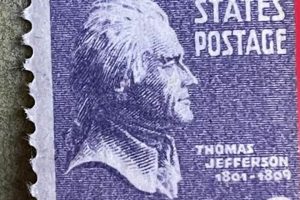
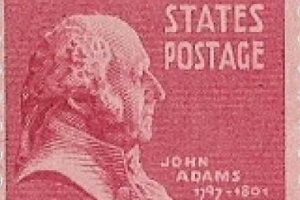
A one-cent postage stamp featuring Benjamin Franklin represents a small piece of American history and philately. These stamps, issued across multiple decades, depict the Founding Father and reflect changing printing techniques and design aesthetics. For example, the 1902-1908 series features a profile portrait based on a Houdon bust.
Determining the worth of such a stamp involves several factors, including its condition, rarity, and potential historical significance. A pristine, unused example from an early printing might command a higher price among collectors than a later, used example. The historical context of these stamps offers a glimpse into postal rates, printing technologies, and the enduring image of Benjamin Franklin in American culture. Studying these stamps allows one to appreciate the artistry and technical skill involved in their creation.
This article will explore various aspects of one-cent Benjamin Franklin stamps, delving into specific issues, identifying key characteristics for valuation, and offering resources for collectors and enthusiasts.
Tips for Evaluating One-Cent Benjamin Franklin Stamps
Careful examination and research are essential for accurate assessment. The following tips offer guidance for those interested in understanding the nuances of these historical artifacts.
Tip 1: Determine the Issue Date. Identifying the specific issue date is crucial. Different printings can have varying values. Specialized catalogs and online resources provide comprehensive listings.
Tip 2: Assess the Condition. Condition significantly impacts value. Factors like centering, perforations, gum condition (if unused), and any flaws (tears, creases, thin spots) should be carefully evaluated.
Tip 3: Examine the Color and Ink. Variations in color and ink can distinguish different printings or identify potential flaws. Compare the stamp’s color to known examples from reputable sources.
Tip 4: Consult a Specialized Catalog. Reputable stamp catalogs (Scott, Stanley Gibbons) offer detailed information, including images and estimated values for different conditions.
Tip 5: Seek Expert Opinions. Consulting with experienced philatelists or appraisers can provide valuable insights, especially for rare or potentially valuable stamps.
Tip 6: Understand Market Trends. Stamp values fluctuate based on market demand. Staying informed about current auction results and dealer pricing can offer a realistic perspective.
Tip 7: Consider Professional Grading. For potentially valuable stamps, professional grading and encapsulation by a reputable service can enhance their marketability and protect them from further damage.
By carefully considering these factors, one can gain a deeper understanding of these stamps and their potential significance within philately and American history. Accurate assessment allows for informed decisions regarding collecting, selling, or preserving these pieces of the past.
This detailed examination prepares the reader for a more comprehensive understanding of one-cent Benjamin Franklin stamps and their place within the broader context of philately.
1. Condition

Condition is paramount in determining a Benjamin Franklin one-cent stamp’s value. Even minor imperfections can significantly impact a stamp’s desirability and price. Collectors prioritize well-preserved examples, and condition assessment relies on evaluating several key factors.
- Centering
Centering refers to the stamp’s position within its perforated margins. Ideally, the design should be equidistant from all sides. A well-centered stamp is more visually appealing and generally more valuable. Off-center examples, especially those with the design touching or extending beyond the perforations, are considered less desirable and command lower prices.
- Perforations
Perforations, the small holes separating stamps, must be intact and cleanly cut. Missing or damaged perforations, sometimes referred to as “faults,” detract from a stamp’s value. Collectors examine perforations for uniformity and completeness.
- Gum Condition (Unused Stamps)
Unused stamps ideally retain their original gum, the adhesive applied to the back. Hinged stamps (those previously mounted in albums with stamp hinges) are generally less valuable than never-hinged examples. Original gum should be undisturbed and free from thinning or other imperfections.
- Flaws
Flaws such as tears, creases, thin spots, stains, or fading significantly diminish a stamp’s value. Collectors carefully examine stamps for any such imperfections, which can result from handling, storage, or environmental factors.
The interplay of these condition factors ultimately dictates a stamp’s grade and market value. A stamp’s assigned grade, ranging from poor to superb, directly correlates to its potential price. Understanding these nuances is essential for accurate appraisals and informed collecting decisions.
2. Rarity

Rarity significantly influences the value of one-cent Benjamin Franklin stamps. Scarcity arises from various factors, including limited print runs, specific plate varieties, and unforeseen printing errors. Stamps produced in smaller quantities or those surviving in fewer numbers due to historical circumstances command higher prices. Specialized catalogs document these variations and provide rarity designations, guiding collectors in their pursuit of elusive examples. For instance, certain perforated coil stamps from the 1922-1925 series exist in far fewer numbers than their imperforate counterparts, resulting in a substantial difference in their respective market values. The presence of specific plate flaws or double transfers further contributes to rarity and enhances desirability among collectors. Understanding the factors contributing to rarity is crucial for assessing a stamp’s potential worth.
The relationship between rarity and value is not solely determined by absolute numbers. Condition plays a crucial role. A rare stamp in poor condition might be worth less than a common stamp in superb condition. The confluence of rarity and preservation dictates the ultimate market value. A rare stamp with a unique printing error in pristine condition represents a highly desirable combination for collectors, often fetching substantial prices at auction or through private sales. Collectors prioritize stamps with documented provenance, further increasing their value. A clear chain of ownership, especially if linked to prominent collections, adds an element of historical significance and enhances desirability.
Discerning rarity requires specialized knowledge and access to reliable resources. Consulting authoritative catalogs, engaging with experienced philatelists, and researching past auction records offer valuable insights into the relative scarcity and potential value of specific stamps. This understanding empowers collectors to make informed decisions regarding acquisitions and investments. Recognizing the interplay of rarity, condition, and provenance provides a framework for navigating the complexities of the stamp market and appreciating the historical significance embedded within these small pieces of paper.
3. Issue Date
The issue date of a one-cent Benjamin Franklin stamp is a fundamental factor influencing its value. Different printings, even within the same design series, can exhibit variations in paper, ink, perforations, and other characteristics. These variations, often subtle, can significantly impact a stamp’s scarcity and desirability. For example, the 1954-1963 series includes stamps printed on both regular and fluorescent paper. The fluorescent versions, distinguishable under ultraviolet light, are generally more valuable than their non-fluorescent counterparts due to their relative scarcity.
Pinpointing the issue date requires careful examination and reference to specialized catalogs like the Scott Specialized Catalogue of United States Stamps and Covers. These resources document the distinct features of each printing, enabling precise identification and contributing to accurate valuation. Understanding the nuances of different printings empowers collectors to differentiate between seemingly identical stamps and recognize potentially valuable variations. Knowledge of issue dates also helps establish a stamp’s historical context, linking it to specific periods in postal history and printing technologies. For instance, early 20th-century one-cent Franklins printed using the flat plate method exhibit different characteristics compared to later issues printed using rotary press technology. These differences contribute to variations in appearance and market value.
Accurate determination of issue date provides a foundation for assessing rarity, condition, and overall market value. This knowledge allows collectors to make informed decisions regarding acquisition, sale, and appreciation of these historical artifacts. Issue date functions as a crucial starting point for any serious philatelic investigation, offering crucial insights into a stamp’s history and its place within the broader context of stamp collecting.
4. Printing Errors

Printing errors on one-cent Benjamin Franklin stamps represent significant anomalies that can dramatically impact their value. These unintentional deviations from the intended design, arising from various mechanical or human factors during the printing process, transform ordinary stamps into sought-after collectibles. Their presence often elevates a stamp’s worth considerably, turning a common item into a prized possession within philately.
- Invert Errors
Invert errors occur when part of the stamp’s design, typically a bicoloured element, is printed upside down relative to the rest of the stamp. The most famous example in U.S. philately is the “Inverted Jenny,” a 1918 twenty-four-cent airmail stamp featuring an upside-down Curtiss JN-4 airplane. While not a one-cent Franklin, it exemplifies the dramatic value increase associated with invert errors. Similar errors, though less frequent, occur on one-cent stamps and command substantial premiums.
- Color Omissions or Shifts
Color omissions occur when one or more ink colors are missing from the final printed stamp, resulting in an incomplete or altered design. Color shifts arise from misalignment during printing, causing colors to overlap or appear in unintended areas. These errors, though less dramatic than inverts, create distinct variations that collectors seek. A one-cent Franklin missing a portion of its blue ink, for instance, becomes a unique and collectible item.
- Double Transfers
A double transfer happens when the printing plate receives a second, unintended impression from the transfer roll, creating a blurred or doubled image on the stamp. This error gives the stamp’s design a slightly distorted or shadowed appearance. On one-cent Franklin stamps, double transfers can manifest as a slightly blurred portrait or lettering.
- Perforation Errors
Perforation errors encompass a range of deviations from the standard perforation pattern, including missing perforations, misplaced perforations, or perforations of an incorrect gauge (size). These errors can create unique varieties within a particular stamp issue. For example, a one-cent Franklin with a missing perforation or a section of imperforate margin can be significantly more valuable than a perfectly perforated example.
These printing errors transform otherwise common one-cent Benjamin Franklin stamps into valuable collectibles. Their presence significantly alters a stamp’s market value and desirability among philatelists. Understanding these errors allows collectors to identify and appreciate the unique characteristics that elevate certain stamps above their standard counterparts. The study of printing errors provides valuable insights into the printing processes of different eras and the occasional imperfections that create unique philatelic treasures.
5. Market Demand
Market demand significantly influences the value of one-cent Benjamin Franklin stamps. This dynamic interplay between collector interest and availability dictates price fluctuations. Increased demand for specific issues or varieties, coupled with limited supply, drives prices upward. Conversely, decreased interest or an oversupply can lead to declining values. Several factors contribute to market demand, including prevailing economic conditions, current collecting trends, and the overall popularity of Benjamin Franklin as a historical figure.
Specific examples illustrate the impact of market demand. The 1908 one-cent Franklin with the “perf 12” variety, known for its distinct perforation gauge, commands a premium due to its relative scarcity and popularity among collectors. Similarly, stamps with well-documented provenance, particularly those originating from renowned collections, often achieve higher prices at auction due to increased competition among bidders. Conversely, common varieties from later printings, readily available in large quantities, typically hold lower values due to limited collector interest. Changes in market demand can occur gradually or abruptly, influenced by new discoveries, shifting collector preferences, or broader economic trends. Understanding these dynamics allows for strategic collecting and informed investment decisions within the field of philately.
The practical significance of understanding market demand lies in its ability to inform buying and selling decisions. Collectors and investors benefit from recognizing trends and anticipating shifts in demand. Careful research, including monitoring auction results and consulting price guides, enables informed assessments of current market values. This knowledge empowers collectors to make sound judgments regarding acquisitions, disposals, and the overall management of their collections. Recognizing the dynamic nature of market demand allows for strategic engagement within the stamp market and enhances the potential for long-term appreciation of philatelic assets.
Frequently Asked Questions
This section addresses common inquiries regarding the valuation of one-cent Benjamin Franklin stamps. Understanding these key points clarifies common misconceptions and empowers informed collecting decisions.
Question 1: How can one determine the precise issue date of a one-cent Benjamin Franklin stamp?
Specialized stamp catalogs, such as the Scott Specialized Catalogue of United States Stamps and Covers, provide comprehensive listings with detailed descriptions and illustrations for each issue. Online resources and expert consultation also offer valuable assistance in identification.
Question 2: Does a postmark devalue a one-cent Benjamin Franklin stamp?
A clear, readable postmark can sometimes enhance a stamp’s historical context and add interest for certain collectors. However, a heavy or obscuring postmark might detract from its visual appeal and potentially lower its value, especially for unused examples.
Question 3: Where can one find reliable appraisals for one-cent Benjamin Franklin stamps?
Reputable stamp dealers, auction houses, and professional philatelic appraisers offer appraisal services. Seeking multiple opinions and comparing valuations ensures accurate assessments.
Question 4: What are the most common flaws affecting the value of these stamps?
Tears, creases, thin spots, fading, and gum disturbances (for unused stamps) represent common flaws. Imperfect centering and damaged perforations also negatively impact value.
Question 5: Are all printing errors valuable?
While some printing errors significantly increase a stamp’s value, minor variations or common imperfections might not add substantial worth. Rarity and demand dictate the premium associated with specific errors.
Question 6: How does one protect one-cent Benjamin Franklin stamps from damage?
Storing stamps in acid-free albums or protective mounts safeguards them from environmental factors. Maintaining stable temperature and humidity levels prevents deterioration. Handling stamps with clean hands or stamp tongs minimizes the risk of damage.
Careful consideration of these points clarifies the nuances of stamp valuation. Further research and engagement with the philatelic community enhance one’s understanding of these historical artifacts.
This FAQ section provides a foundation for informed collecting and appreciation of one-cent Benjamin Franklin stamps. The following sections delve into specific collecting strategies and resources for further exploration.
One-Cent Benjamin Franklin Stamp Value
Careful consideration of factors such as condition, rarity, issue date, and the presence of printing errors informs the valuation process for one-cent Benjamin Franklin stamps. Market demand, influenced by collector interest and prevailing economic trends, further shapes their worth. Accurate appraisal requires meticulous examination, consultation with reputable resources, and an understanding of the historical context surrounding these philatelic artifacts. The interplay of these factors dictates the ultimate market value and significance of these small pieces of American history.
The enduring image of Benjamin Franklin on these stamps represents more than just postage; it embodies a tangible link to the nation’s founding and the evolution of printing and postal history. Continued exploration and appreciation of these seemingly modest items offer valuable insights into the rich tapestry of American culture and the enduring fascination with collecting.