



The APS philatelic library free online lookup is a useful starting point when you need to identify a stamp reference, trace an auction catalog, or find a specialized article about postal history. The resource behind that search is the American Philatelic Research Library, or APRL, closely associated with the American Philatelic Society (APS). Its online catalog helps collectors discover philatelic literature without visiting the library in person. The important distinction is that a free catalog search does not necessarily mean every book, article, or service is free to access.
Whether you are investigating a nineteenth-century postmark or building a modern topical collection, knowing how to search the catalog can save hours of browsing. This guide explains what the lookup can reveal, how to search more precisely, and what to do when the item you need is not available as a complete digital text.
What Is the APS Philatelic Library Free Online Lookup?
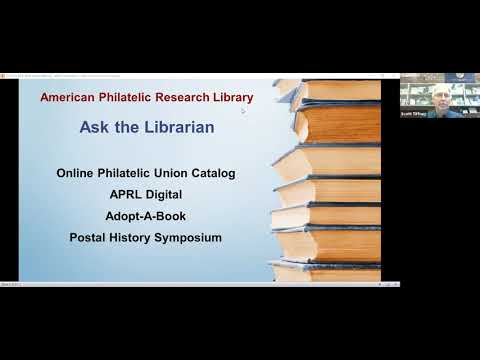
The phrase generally refers to searching the American Philatelic Research Library’s online catalog, a discovery tool for books, journals, auction catalogs, and other materials related to stamps and postal history. Start at the official American Philatelic Society website and follow its library or APRL links to the current catalog and digital resources.
A catalog record describes an item; it is not automatically a scan of that item. Depending on the record and available services, you may find a title, author, publication details, subject terms, holdings information, or a link to digital content. Access to full text, borrowing, scans, and research assistance may depend on copyright, membership, location, fees, and the library’s current policies.
Quick answer: You can use the APRL’s online lookup to search for philatelic literature remotely, but check each item and the library’s current service information to determine how you can read or obtain it.
What Can You Find in the APRL Catalog?
The catalog is especially valuable because it points beyond general stamp price listings. Philatelic research often depends on specialist literature: an article identifying a printing variety, a society handbook explaining a cancellation, or an auction description documenting the history of a cover.
- Reference books and handbooks: Country studies, issue-specific works, thematic guides, and introductory references.
- Philatelic periodicals: Journals and society publications that may contain detailed research unavailable in a general catalog.
- Auction catalogs: Descriptions and illustrations that can help trace notable stamps, covers, collections, and provenance.
- Postal history resources: Works on mail routes, rates, markings, postal administrations, and historical periods.
- Specialized collecting literature: References on areas such as revenues, postal stationery, cancellations, aerophilately, and topical collecting.
Coverage and cataloging detail vary. A periodical may have its own record even when every individual article is not separately searchable. If a keyword search produces nothing, that does not necessarily prove the library has no relevant material.
How to Search the Philatelic Library Online
A good search begins with a research question rather than a broad phrase. “United States stamps” may return too much; “United States 1902 definitive plate varieties” gives you a more manageable direction.
- Open the official APS website. Navigate to the American Philatelic Research Library and locate its online catalog. Using the official site helps you avoid outdated third-party links.
- Start with distinctive terms. Enter a country, issue, postal marking, author, society, or publication title relevant to your question.
- Review the record. Note the exact title, author, publication year, format, and any holdings or access information shown.
- Refine your search. If the interface offers filters or advanced search fields, use them to narrow by title, author, subject, or other available criteria.
- Check how to access the item. Look for an online link, borrowing information, or instructions for requesting assistance. Confirm any eligibility requirements and charges before ordering.
- Save useful citations. Record enough detail to find the item again or request it through the APRL or another library.
For example, a collector researching a railway post office marking might first search for the railway line or abbreviation on the cancellation. A second search for “railway post office” and the relevant region can uncover broader reference works that explain routes and terminology.
Use an author search when you know the researcher’s name, a title search when you have a citation, and a subject or keyword search when you are exploring a topic. Search field names and options can change, so follow the labels in the current catalog rather than assuming a particular filter is available.
Try variations as well: “postal stationery” and “entire,” for example, may lead to different results. For historical material, search both the contemporary place name and its modern equivalent where appropriate.
Free Catalog Search vs. Full-Text Access
One of the most common misunderstandings about a free philatelic library lookup is the assumption that every result opens as a free PDF. A discovery record and a readable digital copy serve different purposes. The table below shows what to check before planning your research.
| Resource or service | What it helps you do | What to verify |
| Online catalog record | Identify and describe a potentially useful item | Whether the record includes holdings or access details |
| Digital full text | Read an available work online | Whether access is open, restricted, or subject to copyright |
| Physical library item | Consult a printed reference or periodical | Visit, borrowing, and availability requirements |
| Copy or scan request | Obtain a permitted portion of a work | Current fees, copyright limits, and processing procedures |
| Research assistance | Get help locating relevant materials | What help is offered and whether charges apply |
Digital availability can change as collections are digitized and rights are reviewed. Always use the access information attached to the item and check the APRL’s current policies rather than relying on an old forum post or search snippet.
Beginner Research: Identify the Right Reference
If you are new to stamp collecting, resist the temptation to begin with an obscure variety. First identify the country or issuing authority, the approximate date, the design, and any legible inscription. Then look for an introductory country guide or general reference that explains the issue.
Next, compare the reference’s publication date with your research needs. An older handbook may be excellent for original research, but a newer edition may correct identifications or incorporate later discoveries. For catalog numbers and valuations, consult a current, appropriate stamp catalog rather than assuming an old auction estimate reflects today’s market.
Keep a short research log. Write down the search terms you used, the works you located, and the observations you made about your stamp or cover. This prevents repeated searches and makes it easier to ask a librarian or specialist society for targeted help.
Intermediate Research: Move From Stamps to Postal Context
Once you have a basic identification, use the APRL lookup to investigate how an item was used. A cover can reveal more than the stamp attached to it: the cancellation, destination, rate, routing marks, and date may all contribute to its postal history.
Search for the postal administration, route, rate period, or marking type. A study of a particular post office may appear in a regional society journal rather than in a book with the post office’s name in its title. If your first search is unsuccessful, broaden it to the state, province, railway, or historical period.
- Compare several references before treating an unusual marking as rare.
- Check whether an article discusses genuine examples, forgeries, or later alterations.
- Record page numbers and illustrations so you can revisit the evidence.
- Distinguish a reference’s factual description from its author’s interpretation.

Advanced Research: Provenance, Periodicals, and Auction Catalogs
Experienced collectors can use the library catalog as a map of the literature surrounding an object. Auction catalogs are particularly useful for provenance research: an illustration, distinctive centering, plate flaw, or address may connect an item with an earlier sale. A matching description alone, however, is not proof that two lots are the same object.
When tracing a cover or scarce stamp, record the auction firm, sale date, lot number, description, illustration, and any named collection. Compare these details against the item itself and against other published sources. Be cautious with old estimates and realized prices: they reflect a particular sale and market conditions, not an automatic present-day valuation.
Periodicals can also preserve discoveries that never reached a handbook. Search for the specialist society, journal title, and relevant subject terms. If article-level results are limited, identify the likely journal and ask the library how best to locate an index or relevant issue.
What to Do When Your Search Finds Nothing
A zero-result search is often a vocabulary problem. Philately spans languages, changing country names, specialist abbreviations, and older terminology. Adjust the search systematically instead of repeating the same phrase.
- Remove restrictive words and search the main subject alone.
- Try alternative spellings, abbreviations, and historical place names.
- Search the name of a known author, philatelic society, or journal.
- Look for a broader work on the country or collecting field.
- Check whether another library catalog or specialist society bibliography identifies a useful title.
- Contact the APRL with your research question and the searches already attempted.
When requesting help, provide the relevant country, dates, inscriptions, and the type of information sought. A concise question such as “Which references discuss this town’s 1890s duplex cancellations?” is more actionable than “Tell me everything about this stamp.”
Make the Most of the APS Philatelic Library
The APRL online lookup is most effective when you treat it as a research gateway, not merely a free stamp identification tool. Start with a precise question, search using several kinds of terms, and evaluate the references you find. Then verify how each item can be accessed, whether through a digital link, a library visit, borrowing, or a permitted copy request.
For collectors at every level, the payoff is better evidence. A well-chosen handbook, journal article, or auction catalog can turn an uncertain identification into a documented conclusion—and make the story behind a stamp or cover much more rewarding.
Frequently Asked Questions
Is the APS philatelic library online catalog free to search?
The APRL offers an online catalog for discovering its philatelic literature. Searching the catalog is distinct from borrowing an item, requesting a scan, or accessing restricted content. Check the current APRL website for service eligibility, fees, and access conditions.
Can I read complete stamp books for free through the APRL lookup?
Some digital resources may be available online, but a catalog result does not guarantee free full-text access. Copyright, digitization status, and access arrangements differ by work. Open the item’s record and follow its available links or library instructions.
How do I find a philatelic journal article when I only know the subject?
Search the subject using several phrases, then look for relevant journal titles and specialist societies. If individual articles are not indexed in the catalog, a journal index or assistance from the library may help you identify the correct volume and issue.
Can the APS library catalog help identify an old stamp or cover?
It can help you find references that explain an issue, cancellation, postal rate, or route. The catalog itself is not a substitute for examining the item, and difficult identifications may require specialized literature or an expert opinion.
Do I need to be an APS member to use every library service?
Do not assume that catalog searching and all library services have the same requirements. Membership, residency, fees, and other conditions may affect borrowing or requests. Consult the APRL’s current service pages before making plans.
