



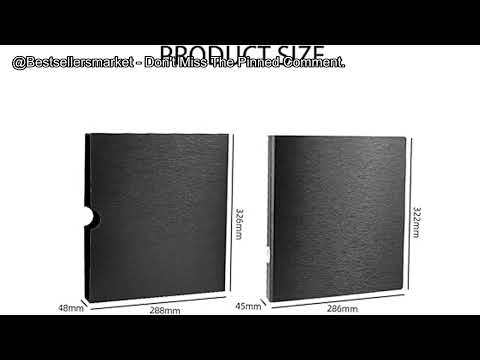
A vintage stick of mint gum can look surprisingly robust until its wrapper fades, its foil creases, or the gum inside stains the paper. For collectors, preserving that small piece of commercial history requires more than placing it in a binder and hoping for the best. An acid-free slipcase binder can provide organized, light-limiting storage for mint gum wrappers and related ephemera, but the binder is only one part of an effective system. The sleeves, storage environment, handling habits, and decision to keep or remove the gum all matter. With the right setup, collectors can protect delicate packaging while keeping a collection accessible and enjoyable.
What Is an Acid-Free Slipcase Binder for Mint Gum Collectibles?
An acid-free slipcase binder is a binder stored inside a fitted protective box, or slipcase, and made with materials described as acid-free. Collectors use it to hold archival-quality pages containing gum wrappers, advertising inserts, labels, and other flat memorabilia. The slipcase helps shield the binder from dust, abrasion, and some light exposure when it is on a shelf.
Important distinction: “Acid-free” is not a guarantee that every component is chemically stable or that the binder will preserve gum indefinitely. Check the composition of the cover, board, adhesives, page protectors, and inserts separately. A good binder protects the collection physically; a stable environment and suitable enclosures help address chemical risks.
Why Mint Gum and Its Packaging Need Special Care
Mint gum collectibles combine materials that age differently. Paper wrappers can become brittle, foil can crease or corrode, inks may fade, and adhesive residues can discolor adjacent surfaces. The gum itself adds complications: flavoring oils, sweeteners, moisture, and other ingredients may migrate into a wrapper or attract pests. Older gum can harden, crack, or leave translucent stains.
Collectors should also distinguish between mint gum, meaning mint-flavored gum, and an item described as being in mint condition. An unopened vintage peppermint pack may be desirable because its original contents remain intact, but retaining those contents can increase preservation risks. Documenting the item’s original state before making any change is therefore essential.
Light, humidity, and temperature
Light can fade printed colors and weaken paper, while fluctuations in temperature and relative humidity encourage physical stress and may accelerate deterioration. A slipcase limits exposure when a binder is shelved, but it is not airtight, climate-controlled, or a substitute for a dark, stable storage area.
- Light: Store binders away from direct sunlight and prolonged bright display lighting.
- Humidity: Aim for a stable indoor environment; around 30–50% relative humidity is a useful general range for mixed paper collections, though individual materials may have different needs.
- Temperature: Choose a consistently cool, comfortable room rather than an attic, garage, or damp basement.
- Pests: Inspect regularly, particularly when original gum or food residue remains present.
Choosing the Right Binder, Slipcase, and Pages
When shopping for an archival binder for gum wrappers, look beyond attractive covers and claims such as “museum quality.” Suppliers should be able to identify the materials used and, where relevant, provide product specifications. For valuable collections, purchase enclosures from a reputable conservation or archival supplier rather than relying on an unverified marketplace description.
Binder construction and ring design
A rigid binder with a fitted slipcase offers useful support. D-ring mechanisms generally allow pages to lie flatter than similarly sized round rings, reducing crowding near the spine. Select a binder large enough to turn pages freely without overfilling it; compressed pages can transfer pressure to fragile wrappers and create impressions.
Acid-free board is preferable to ordinary, potentially acidic cardboard. Buffered board can be appropriate for many paper items, but buffering is not universally suitable for every component in a mixed-media collectible. When packaging includes unusual dyes, coatings, adhesives, or metals, seek material-specific guidance rather than assuming one board suits everything.
Safe plastic sleeves for gum wrappers
Look for uncoated polyester, polypropylene, or polyethylene pages from a reliable supplier. These plastics are commonly used for collection storage because suitable products are generally more stable than plasticized PVC. Avoid sleeves with a strong plastic odor or those identified as PVC or vinyl containing plasticizers; flexible PVC can become sticky and may damage stored material.
Use pockets that fit the item without forcing it into place. A wrapper should not slide around excessively, but it also needs room for removal without scraping its edges. For thin paper, an acid-free, lignin-free support sheet can make handling easier. Avoid adhesive-backed pages, self-stick photo albums, rubber bands, and tape applied to the original wrapper.
Comparing Storage Options for Mint Gum Memorabilia
| Storage method | Best use | Main limitation |
| Acid-free slipcase binder | Flat wrappers, inserts, and labels viewed regularly | Bulky or unstable items can distort pages |
| Archival folder and box | Fragile paper items needing flat support | Less convenient for browsing |
| Compartmented archival box | Individual packs and three-dimensional packaging | Requires careful cushioning and organization |
| Display frame | Short-term presentation of selected pieces | Light exposure and unsuitable mounting can cause damage |

For many collectors, the best approach is a combination: keep flat, stable wrappers in binder pages and store unopened packs separately in an appropriately sized archival box. Do not flatten a package merely to make it fit a sleeve.
How to Store a Mint Gum Collection Step by Step
- Inspect each item. Check for loose ink, tears, stains, odors, stickiness, insect activity, and gum that has softened or crumbled. Isolate suspect items until you understand the problem.
- Record its condition. Photograph both sides and note the brand, flavor, approximate date if known, dimensions, source, and whether the original gum is present. Record uncertainty rather than guessing.
- Separate by format. Group flat wrappers and inserts apart from unopened packs, bulky cartons, and items with exposed food residue.
- Choose individual enclosures. Place stable flat items in appropriately sized archival plastic pockets. Use a support sheet where needed, without attaching it to the collectible.
- Arrange pages loosely. Distribute items evenly, avoid stacking thick pieces in neighboring pockets, and leave space for pages to turn naturally.
- Shelve and monitor. Place the binder in its slipcase in a stable, dark location. Review the collection periodically for new staining, trapped moisture, pests, or distortion.
Handle clean, dry paper with clean, dry hands. Gloves are not automatically safer for delicate paper because they can reduce dexterity; however, suitable gloves may be useful when handling certain metal or photographic surfaces. Support fragile pieces fully, and never pull a wrapper out by a weak corner.
Should You Keep the Original Gum Inside the Wrapper?
There is no universal answer. An unopened pack may have historical, display, or market value because it retains its original contents. On the other hand, the gum may release oils, deteriorate, attract pests, or stain the wrapper. Opening a sealed item is an irreversible alteration that can change its collector appeal.
For a common item, a collector may decide that preserving the printed wrapper is the priority. For a rare, signed, historically significant, or valuable pack, consult a qualified conservator before opening it or attempting to remove the gum. Photograph the item, record its condition, and consider keeping it separately from flat paper objects while you decide. Never taste old collectible gum, even if the package appears sealed.
Preventing Common Binder Storage Problems
Oil migration and contact transfer
A plastic sleeve can protect a wrapper from handling, but it does not neutralize oils or stop all chemical migration within a package. If a wrapper shows fresh translucent staining or feels greasy, isolate it in a suitable individual enclosure and monitor it. Do not press it against another collectible or attempt home treatments with solvents, heat, powders, or absorbent paper applied directly to the surface.
Trapped moisture and sealed pockets

Never enclose a damp item in a plastic sleeve. Moisture trapped against a surface can encourage mold and sticking. If an object is damp, moldy, or strongly odorous, keep it away from the rest of the collection and seek professional advice. Closely sealed plastic may be inappropriate for some unstable objects, so match the enclosure to the item’s condition.
Overfilled rings and vertical pressure
A slipcase should fit without forcing the binder shut. If pages bow, pockets wrinkle, or packs press into neighboring items, redistribute the collection. Store a modestly filled binder upright with adequate shelf support; very heavy or oversized volumes may be better stored flat. The goal is to minimize bending and compression, not simply to maximize capacity.
Organizing and Documenting a Gum Wrapper Collection
A useful catalog turns a binder into a research resource. Organize items by manufacturer, brand, flavor, country, decade, or advertising campaign. For example, a peppermint wrapper can be cross-referenced by brand and package design, while a related promotional insert can receive its own record linked to the wrapper.

Assign each item an identifier and keep the label on the sleeve or a separate insert, not on the collectible. Record known dates with their sources, note repairs or changes in condition, and retain purchase documentation when appropriate. High-resolution photographs provide a visual baseline for detecting fading or new stains; back up digital files in more than one location.
Advanced Tips for Valuable or Fragile Collections
Rare chewing gum ephemera may include metallic inks, waxed papers, cellophane, foil laminates, and pressure-sensitive adhesives. These materials can respond differently to storage, so avoid assuming that an acid-free label resolves every risk. Consider a conservation assessment if a wrapper has flaking ink, an adhesive has migrated, or a package has historical significance beyond its market price.
Check the collection at intervals suited to its condition, such as every six to twelve months for stable items and more often for items with known concerns. Use a simple log to note changes in odor, staining, warping, and pest activity. If you use a hygrometer, place it near the collection and track trends rather than reacting to a single reading.
For display, use a high-quality reproduction when possible and keep the original in storage. If exhibiting an original, limit its time under light, use appropriate conservation materials, and avoid permanent mounting. No sleeve or slipcase can reverse fading once it occurs.
Conclusion
Acid-free slipcase binders are a practical way to organize and protect flat mint gum wrappers, but successful preservation depends on the complete storage system. Choose stable sleeves, provide gentle support, avoid overcrowding, and maintain a cool, consistent environment. Keep bulky packs and deteriorating gum separate from vulnerable paper, and consult a conservator before altering a valuable sealed item. Thoughtful documentation and regular inspections will help preserve both the appearance and the story behind each collectible.
Frequently Asked Questions
Are acid-free slipcase binders safe for vintage mint gum wrappers?
They can be a good choice for stable, flat wrappers when paired with suitable polyester, polypropylene, or polyethylene pockets. Verify the materials used in the binder and sleeves, and avoid overfilling pages. A binder alone cannot prevent damage caused by heat, humidity, pests, or deteriorating gum.
Can I store unopened mint gum packs in archival binder pages?
Only if the pack fits without compression and the pages provide adequate support. Many unopened packs are too thick for standard pockets and are better kept individually in a compartmented archival box. Inspect them regularly because the original gum may stain packaging or attract pests.
What is the best plastic sleeve for preserving chewing gum wrappers?
Uncoated polyester, polypropylene, and polyethylene sleeves from reputable archival suppliers are commonly used options. Choose a pocket that supports the wrapper without a tight fit, and avoid plasticized PVC or sticky, adhesive-backed pages.
Will an acid-free binder stop old mint gum from staining its wrapper?
No. Acid-free storage materials can reduce exposure to harmful enclosure materials, but they cannot prevent ingredients inside the gum from migrating into its own wrapper. Isolate and monitor affected items, and consult a conservator before altering a valuable pack.
How often should I inspect a collection of vintage gum packaging?
A check every six to twelve months is reasonable for a stable collection. Inspect more frequently if items contain original gum, show staining, or have been exposed to changing humidity. Record any changes so you can identify developing problems early.
