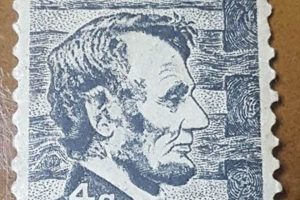
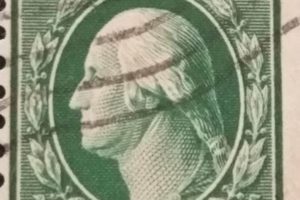
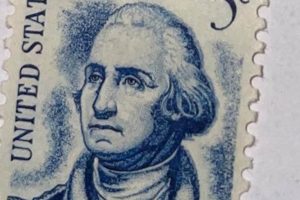
A United States postage stamp issued in 1861 featured George Washington’s portrait and cost three cents. This denomination was a common rate for first-class mail at the time. Examples of these stamps can be found with varying colors, perforations, and shades, adding to their collectability and historical significance. These subtle variations often reflect different printing methods and paper types used throughout the stamp’s production period.
The 1861 three-cent denomination played a vital role in the nation’s communication network during a crucial period in American history, facilitating correspondence during the Civil War. These small pieces of paper offer a tangible connection to the past, providing insights into printing technology, postal rates, and even the political climate of the era. Studying these stamps can reveal much about the challenges and changes faced by the country during that time. Their continued value to philatelists highlights their enduring appeal and historical significance.
Further exploration of specific types, such as the 1861 rose three-cent, or deep dives into the history of United States postage during the Civil War, can provide a more nuanced understanding of this fascinating subject. The design, production, and usage of this particular denomination provide a rich area of study for anyone interested in American history, postal history, or stamp collecting.
Tips for Collectors of the 1861 Three-Cent Washington Stamp
Careful consideration of several factors can significantly enhance one’s approach to collecting and appreciating the 1861 three-cent Washington stamp. These tips offer guidance for both novice and experienced collectors.
Tip 1: Understand the Variations: Recognize that numerous variations exist within this issue, including different shades, perforations, and paper types. Researching these differences is crucial for accurate identification and valuation.
Tip 2: Examine Condition Carefully: Condition significantly impacts value. Look for flaws such as thin spots, tears, creases, and fading. Well-preserved examples command higher prices.
Tip 3: Utilize Reputable Resources: Consult specialized catalogs, philatelic societies, and expert dealers for reliable information on identification, valuation, and market trends.
Tip 4: Handle with Care: Always use stamp tongs to handle these delicate pieces. Avoid touching the stamp surface directly to prevent damage and preserve condition.
Tip 5: Store Appropriately: Store stamps in acid-free albums or mounts within a cool, dry, and dark environment to prevent deterioration from light, humidity, and temperature fluctuations.
Tip 6: Authenticate Valuable Specimens: For particularly rare or valuable examples, consider professional authentication services to verify genuineness and assess condition.
Tip 7: Focus on a Specific Area: Specializing in a particular subtype, such as the rose variety, can provide a more focused collecting experience and deeper understanding of the nuances within this issue.
By understanding these key considerations, collectors can build valuable collections, deepen their appreciation for these historical artifacts, and navigate the complexities of the 1861 three-cent Washington stamp market with greater confidence. This focused approach allows for a richer and more rewarding collecting experience.
Ultimately, the journey of collecting the 1861 three-cent Washington stamp offers a tangible connection to a significant period in American history.
1. George Washington Portrait
The portrait of George Washington on the 1861 three-cent stamp is more than just a decorative image; it represents a powerful symbol of national identity during a period of intense national division. Understanding the portrait’s design, its historical context, and its various renditions provides crucial insight into the stamp’s significance.
- Source Image
The portrait is based on a painting by Gilbert Stuart, specifically the Athenaeum Portrait, a well-known and widely reproduced image of Washington. This choice reinforces the stamp’s connection to established national iconography, promoting a sense of unity and continuity during the tumultuous Civil War period.
- Engraving and Printing
The process of transferring the painted portrait to a stamp involved skilled engraving, which could introduce subtle variations in appearance across different print runs. These variations, such as the strength of lines or the shape of details, become important distinguishing factors for collectors and historians studying the stamp’s production.
- Symbolic Significance
Washington’s image served a patriotic purpose. Displaying the first president, a symbol of national unity and strength, on postage during the Civil War likely aimed to reinforce the idea of a single, indivisible nation, even amidst conflict. This symbolic weight adds another layer of meaning to the stamp beyond its practical postal function.
- Variations and Errors
The printing process sometimes resulted in variations or errors in the portrait’s reproduction on the stamps. These unintentional deviations, such as double printing or misplaced details, can increase a stamp’s rarity and value among collectors, offering unique glimpses into the technical challenges of 19th-century printing.
The George Washington portrait on the 1861 three-cent stamp is integral to its historical and cultural significance. It connects the stamp to broader national symbolism, reflects the technical processes of its creation, and adds layers of meaning that resonate with collectors and historians alike. The portrait elevates the stamp from a simple piece of postal ephemera to a powerful artifact of American history.
2. 1861 Issue
The year 1861 marks a significant period in United States philatelic history, coinciding with the commencement of the American Civil War. Understanding the context of the “1861 issue” is crucial for appreciating the historical significance of the 3-cent Washington stamp.
- National Crisis and Communication
The outbreak of the Civil War in 1861 dramatically increased the need for reliable postal communication. Letters became vital for families separated by the conflict, for relaying military information, and for maintaining national cohesion. The 3-cent Washington stamp, part of the 1861 issue, facilitated this essential communication network during a time of national crisis. Its widespread use reflects the challenges and urgencies of wartime correspondence.
- Shifting Postal Rates and Policies
The 1861 issue reflects changes in postal rates and policies. The 3-cent rate became standard for domestic first-class mail. This shift, alongside other postal reforms of the era, highlights the evolving logistical and financial landscape of the postal service during a period of significant national transformation. The 3-cent Washington stamp stands as a physical representation of these adjustments.
- Printing Technology and Variations
Printing technologies of 1861 influenced the production and appearance of the 3-cent Washington stamp. Variations in paper, ink, and perforation methods resulted in distinct subtypes within the 1861 issue. These differences are key for collectors identifying and categorizing these stamps, offering insights into the technical aspects of stamp production during this period.
- Historical Context and Rarity
The 1861 issue, including the 3-cent Washington stamp, holds a unique place in philately due to its association with the Civil War. Certain variations within the 1861 issue are rarer than others due to factors such as limited production runs or specific usage patterns during wartime. This rarity contributes significantly to their value and interest among collectors, emphasizing the historical context that shapes their significance.
The “1861 issue” provides essential context for understanding the 3-cent Washington stamp. Its production and usage are intertwined with the historical circumstances of the Civil War era. The stamp becomes more than just a postal artifact; it serves as a tangible piece of American history, reflecting the communication challenges, political climate, and technological capabilities of the time. This convergence of historical significance and philatelic interest elevates the 3-cent Washington stamp to a position of enduring fascination for collectors and historians.
3. Three-cent denomination
The “three-cent denomination” is intrinsically linked to the 1861 3-cent Washington stamp, representing more than just its face value. This specific denomination held significant practical implications for postal operations and provides essential context for understanding the stamp’s historical role. The three-cent rate, established in 1851, became the standard for single-piece domestic letter mail weighing less than half an ounce. This standardization facilitated efficient postal processing and pricing. The 1861 3-cent Washington stamp, therefore, served as a key component of this system, enabling the affordable and widespread dissemination of written communication during a crucial period in American history. The Civil War, beginning in 1861, underscored the importance of reliable and accessible mail services. The three-cent rate ensured that vital correspondence, both personal and official, could flow across the nation at a manageable cost, despite the disruptions and challenges posed by the conflict. Examining surviving letters bearing the 3-cent Washington stamp reveals the tangible impact of this denomination on individual lives and the broader war effort.
The choice of a three-cent denomination for this particular stamp also reflected broader economic factors. Three cents represented a relatively affordable rate for most citizens, ensuring accessibility to postal services. This affordability fostered broader participation in written communication, contributing to the growth and development of a national discourse during a period of intense social and political change. Furthermore, the three-cent denomination played a role in shaping postal policies and practices. It necessitated the production of stamps in large quantities to meet the demands of a growing nation. This, in turn, influenced printing techniques and led to the variations observed within the 1861 issue, providing valuable insights for philatelists and historians today. The three-cent denomination, therefore, becomes a lens through which one can analyze the interplay between postal operations, economic realities, and communication practices of the era. For instance, the use of the three-cent Washington stamp on official government correspondence illustrates how this denomination supported the logistical functioning of the federal government during wartime.
In summary, the “three-cent denomination” of the 1861 3-cent Washington stamp represents a crucial component of its historical significance. This denomination was not merely a monetary value; it shaped postal practices, reflected economic considerations, and facilitated crucial communication networks during a period of profound national transformation. Understanding the context and implications of the three-cent rate allows for a deeper appreciation of the stamp’s role in American history and its enduring value for collectors and researchers alike. Further exploration of postal rates and their evolution offers valuable insight into the broader history of communication and commerce in the United States. Analyzing the impact of specific denominations like the three-cent rate provides a tangible link between individual pieces of postal history and the larger historical narratives they represent.
4. Civil War Era Usage
The 3-cent Washington stamp’s usage during the Civil War provides a compelling lens through which to examine the era’s communication challenges and the stamp’s vital role in connecting a nation divided. This period of intense conflict underscored the importance of reliable mail service, and this unassuming stamp became a critical tool for maintaining personal connections, disseminating vital information, and supporting the war effort itself. Examining its usage patterns reveals its tangible impact on both individual lives and the broader historical narrative.
- Military Correspondence
Soldiers relied heavily on mail to maintain contact with loved ones back home. The 3-cent Washington stamp facilitated this crucial exchange of letters, offering solace, conveying news, and boosting morale during long periods of separation and hardship. Preserved letters bearing this stamp provide poignant glimpses into the emotional landscape of the war, capturing personal stories of hope, fear, and resilience.
- Civilian Communication
The war disrupted established communication networks, making mail even more critical for civilians. Families separated by conflict, businesses coordinating operations across distances, and communities sharing vital information all depended on the postal service. The 3-cent Washington stamp, as a standard for domestic mail, played a central role in maintaining these essential connections, enabling the flow of information and resources across a divided nation.
- Official Government Use
The Union government utilized the postal service extensively during the war, employing the 3-cent Washington stamp for official communications, logistical coordination, and the dissemination of critical information. The stamp’s presence on official documents and correspondence highlights its role in supporting the administrative and logistical functions of the government during a period of intense national mobilization.
- Postal History as Historical Evidence
The usage patterns of the 3-cent Washington stamp, as revealed through postal markings, cancellations, and surviving correspondence, provide invaluable historical evidence. These markings offer insights into mail routes, delivery times, and communication patterns during the war, allowing historians to reconstruct logistical networks and understand the challenges of maintaining communication infrastructure amidst conflict.
The Civil War era usage of the 3-cent Washington stamp elevates it from a simple postal artifact to a powerful symbol of connection and resilience during a time of national crisis. Its presence on countless letters, both personal and official, testifies to its crucial role in binding together a divided nation and facilitating communication amidst the turmoil of war. Studying its usage offers a unique and intimate perspective on the human impact of the conflict and underscores the importance of seemingly mundane objects in shaping historical events. Further research into wartime postal history reveals even more nuanced insights into the social, political, and logistical dynamics of the Civil War era.
5. Philatelic Importance
The philatelic importance of the 1861 three-cent Washington stamp stems from a confluence of historical context, production variations, and inherent rarity. Issued at the outset of the American Civil War, this stamp represents a pivotal moment in American history. Its usage during this tumultuous period, for both personal and official correspondence, imbues it with a unique historical significance that resonates with collectors. Furthermore, the printing technologies of the era resulted in numerous variations within the issue, including differences in shades, perforations, and paper types. These variations provide a rich area of study for philatelists, allowing for detailed classification and categorization of individual stamps. The “rose” variety, for example, commands a significant premium due to its distinctive color and relative scarcity.
The stamp’s rarity contributes significantly to its philatelic value. Factors such as limited production runs of certain varieties, wartime usage patterns, and the natural attrition of stamps over time have resulted in a limited supply of well-preserved examples. This scarcity, combined with the stamp’s historical significance, makes it a highly sought-after item among collectors. Moreover, the 1861 three-cent Washington stamp represents a key component of 19th-century American postal history. Studying this stamp offers valuable insights into postal rates, printing technologies, and communication practices during a period of significant national transformation. Its use on surviving letters and documents provides tangible evidence of its role in connecting a nation divided by conflict.
In conclusion, the philatelic importance of the 1861 three-cent Washington stamp derives from its historical context, production variations, and inherent rarity. These factors contribute to its desirability among collectors, its monetary value, and its significance as a historical artifact. Understanding these elements allows for a deeper appreciation of this unassuming piece of paper and its enduring place within American philately. Furthermore, the study of this stamp provides valuable insights into broader historical trends and offers a tangible connection to a crucial period in American history. Its continued appeal underscores the enduring power of philately to connect us with the past.
Frequently Asked Questions
This section addresses common inquiries regarding the 1861 three-cent Washington stamp, providing concise and informative responses to enhance understanding of its historical context, variations, and philatelic significance.
Question 1: What distinguishes the rose variety?
The rose variety derives its name from the distinct pinkish hue of the ink used in its printing. This shade variation sets it apart from other 1861 three-cent Washington stamps and contributes to its desirability among collectors.
Question 2: How can one determine the authenticity of an 1861 three-cent Washington stamp?
Authentication relies on careful examination of several factors, including paper type, perforation patterns, ink color, and the presence of specific printing characteristics. Consulting specialized catalogs and expert philatelic resources is highly recommended, and professional authentication services can provide definitive verification for valuable specimens.
Question 3: What factors influence the value of these stamps?
Several factors contribute to a stamp’s value, including condition, rarity, and demand. Well-preserved examples with minimal flaws command higher prices, as do rarer variations like the “rose” variety. Market demand, influenced by collector interest and historical significance, also plays a significant role in determining value.
Question 4: Where can one acquire 1861 three-cent Washington stamps?
Reputable stamp dealers, auctions, and online marketplaces specializing in philatelic materials offer avenues for acquiring these stamps. Exercising due diligence and verifying the seller’s reputation is crucial to ensure authenticity and avoid potential forgeries.
Question 5: How should these stamps be stored to prevent deterioration?
Proper storage is crucial for preservation. Stamps should be kept in acid-free albums or mounts within a cool, dry, and dark environment. Avoid direct sunlight, excessive humidity, and temperature fluctuations to prevent fading, foxing, and other forms of damage.
Question 6: What is the historical significance of the three-cent denomination?
The three-cent rate was standard for domestic letter mail during the Civil War era. This affordability facilitated widespread communication during a crucial period in American history. The three-cent Washington stamp, therefore, represents a tangible piece of this historical context, offering insights into communication practices and the challenges of maintaining connections amidst conflict.
Understanding these key aspects of the 1861 three-cent Washington stamp enhances appreciation for its historical significance and philatelic value. Further research into specific areas of interest, such as printing variations or Civil War postal history, can deepen one’s understanding of this fascinating artifact.
For further exploration, resources such as the Smithsonian National Postal Museum and the American Philatelic Society offer comprehensive information and expert guidance.
1861 Three-Cent Washington Stamp
Exploration of the 1861 three-cent Washington stamp reveals a confluence of historical significance and philatelic interest. Its usage during the American Civil War, a period of profound national division and upheaval, underscores its role in maintaining vital communication networks. Variations in printing and design provide collectors with a rich area of study, while its inherent rarity contributes to its enduring value. This seemingly small piece of paper offers a tangible connection to a pivotal era in American history, reflecting the challenges of wartime communication, the evolution of printing technologies, and the enduring image of George Washington as a symbol of national unity.
The 1861 three-cent Washington stamp serves as a potent reminder of the power of philately to connect us with the past. Further research and exploration within this field offer opportunities to uncover deeper historical insights and appreciate the enduring legacy of these small yet significant artifacts. Continued study promises a richer understanding of communication history, printing technology, and the human stories embedded within these remnants of the past.