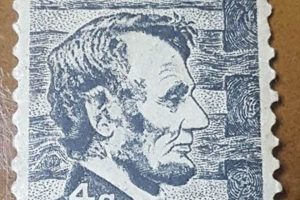
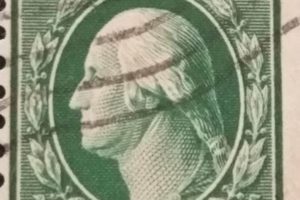
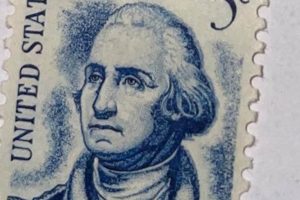
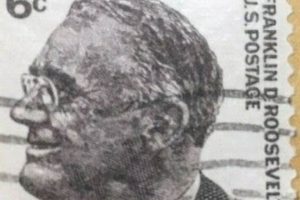
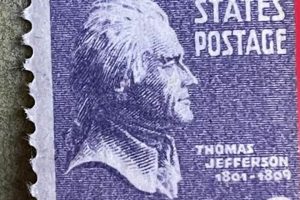
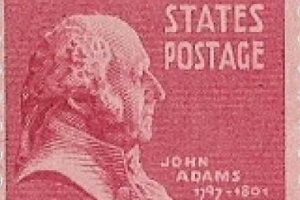
The monetary worth of a postage stamp denominated at five cents is influenced by numerous factors, including its historical context, condition, rarity, and demand among collectors. A pristine, unused example of an otherwise common five-cent stamp from the mid-20th century might be worth only slightly above its face value. Conversely, a rare or historically significant five-cent stamp, especially one in excellent condition, could command a substantial price in the philatelic market.
Understanding the factors that contribute to a stamp’s worth provides insight into postal history, printing techniques, and the broader economic and social climate of its era. The study of these seemingly small pieces of paper can unlock a wealth of information about the past. Furthermore, recognizing the potential value of older stamps can transform a seemingly mundane collection into a valuable asset.
This article will delve deeper into the specific elements that determine the price of these postal artifacts, offering guidance on identifying valuable stamps and understanding the nuances of the philatelic marketplace.
Tips for Evaluating Five-Cent Stamps
Careful consideration of several key factors is crucial for accurately assessing the potential worth of a five-cent stamp. Overlooking seemingly minor details can significantly impact valuation.
Tip 1: Condition is Paramount: A stamp’s condition significantly influences its value. Mint condition, with original gum and no imperfections, commands the highest prices. Damage, such as tears, creases, thinning, or fading, drastically reduces value.
Tip 2: Rarity Drives Demand: Scarcity increases a stamp’s desirability. Limited print runs, printing errors, or stamps withdrawn from circulation shortly after release often become highly sought after by collectors.
Tip 3: Historical Significance Matters: Stamps commemorating significant historical events or featuring important figures often hold greater value than common issues.
Tip 4: Centering Affects Appeal: The placement of the design within the perforated border impacts a stamp’s aesthetic appeal and, consequently, its value. Well-centered stamps are generally preferred.
Tip 5: Consult Specialized Catalogs: Reputable stamp catalogs provide detailed information on various issues, including estimated values based on condition and rarity. These catalogs are invaluable resources for collectors.
Tip 6: Seek Expert Opinions: For potentially valuable stamps, consulting a qualified philatelic expert is recommended. Expert authentication and appraisal can provide accurate assessments and protect against misidentification or undervaluation.
Tip 7: Preservation is Key: Proper storage protects a stamp’s condition. Archival-quality materials, such as acid-free albums and mounts, prevent deterioration and preserve value.
By understanding these factors, collectors can make informed decisions about acquiring, preserving, and potentially selling five-cent stamps. Diligent research and attention to detail are essential for navigating the complexities of the stamp market.
This foundational knowledge empowers collectors to appreciate the historical and artistic significance of these miniature artifacts while also recognizing their potential investment value.
1. Condition
Condition is arguably the most crucial factor influencing a five-cent stamp’s value. Even a rare or historically significant stamp will be significantly devalued if its condition is poor. Collectors prioritize well-preserved specimens, and the degree of preservation directly correlates with market price.
- Centering
Centering refers to the placement of the stamp’s design within its perforated borders. A perfectly centered stamp has equal margins on all four sides. Even slight off-centering can detract from a stamp’s eye appeal and lower its value, especially for more discerning collectors. Significant miscentering can dramatically reduce a stamp’s worth.
- Gum
The presence and condition of original gum on the back of unused stamps are critical. “Mint” condition implies undisturbed, original gum. Hinged stamps, where a small paper hinge was used for mounting, are less desirable. Regummed stamps, where the original gum has been replaced, are considerably less valuable. The gum’s overall appearancesmooth, uncreased, and free from discolorationalso plays a role.
- Faults
Faults, such as tears, creases, thin spots, or stains, significantly impact value. Even minor imperfections detract from a stamp’s desirability. Major faults, like large tears or heavy creases, can render a stamp virtually worthless to serious collectors, regardless of its rarity or historical significance. Close examination under magnification is often necessary to detect subtle faults.
- Color and Fading
Vibrant, original colors are highly prized. Fading due to light exposure or chemical reactions diminishes a stamp’s value. The degree of fading influences the price; slight fading might have a minimal impact, while severe fading can substantially reduce worth. Color variations or shades, sometimes unintentional during the printing process, can also influence value, with certain shades being more desirable than others.
These aspects of condition work in concert to determine a five-cent stamp’s overall grade and subsequent market value. A stamp’s condition, combined with its rarity and historical context, provides a comprehensive picture of its desirability and potential for appreciation. Careful assessment of these factors is paramount for both buyers and sellers in the philatelic market.
2. Rarity
Rarity significantly influences the value of a five-cent postage stamp. Scarcity, often a result of limited print runs, unforeseen errors during production, or stamps withdrawn from circulation shortly after release, drives demand among collectors. The interplay of supply and demand dictates market prices; when fewer examples exist to satisfy collector interest, prices tend to rise. A common five-cent stamp printed in the millions might be worth only its face value, while a rare variety of the same denomination could command hundreds or even thousands of dollars.
The 1918 24-cent Jenny Invert, though not a five-cent stamp, provides a compelling example of how errors create rarity and drive value. The misprinted image of the Curtiss JN-4 airplane, accidentally printed upside down, transformed a relatively ordinary stamp into a philatelic rarity. Only 100 examples are known to exist, making this one of the most famous and valuable stamps in the world. While less dramatic, similar errors in five-cent stamps can also lead to substantial increases in value. Imperforate varieties (lacking the usual perforations), color shifts, or missing elements within the design can all contribute to rarity and desirability.
Understanding the impact of rarity on value allows collectors to make informed decisions. Recognizing the potential value of scarce varieties within a collection can significantly alter its overall worth. Moreover, knowledge of rarity empowers collectors to focus their acquisition efforts strategically, targeting stamps with potential for long-term appreciation. However, proper authentication is crucial. Counterfeit stamps and forgeries exist, making it imperative to consult reputable experts and utilize reliable resources, such as specialized catalogs, to verify authenticity and accurately assess rarity and value.
3. Historical Context
Historical context significantly influences the value of a five-cent postage stamp. Events, social trends, and technological advancements during a stamp’s period of issuance contribute to its perceived importance and collectibility. Understanding this context provides valuable insights into a stamp’s significance beyond its face value.
- Commemorative Issues
Stamps issued to commemorate specific events, anniversaries, or individuals often hold greater value than standard postal issues. The subject matter’s significance, the limited production runs often associated with commemorative stamps, and collector demand contribute to increased value. Examples include stamps commemorating historical figures, significant anniversaries, or expositions.
- Wartime Issues
Stamps produced during periods of conflict often reflect the challenges and social climate of the era. Changes in design, materials, or printing processes due to wartime shortages can create unique and collectible varieties. Propaganda messages incorporated into stamp designs offer insights into the wartime narrative. These factors, combined with the historical weight of the period, influence their value.
- Postal Rate Changes
Stamps issued just before or after a postal rate change can become scarce and, consequently, more valuable. Unused examples of the older rate might become desirable after the rate increases. Similarly, early examples of the new rate may also be sought after by collectors. The shorter period of usage for these stamps contributes to their relative rarity.
- Technological Advancements
Changes in printing technology influence stamp design, production, and appearance. The introduction of new printing techniques or the transition from engraved to lithographic printing can create distinct varieties. Collectors often seek examples that showcase these technological shifts, adding another layer of historical context to the stamp’s value.
By examining these historical facets, collectors gain a deeper appreciation for the stories behind five-cent stamps. This understanding transforms these small pieces of paper into tangible links to the past, increasing their desirability and further justifying their value within the philatelic market.
4. Demand
Demand plays a crucial role in determining the value of a five-cent postage stamp. While factors like condition, rarity, and historical context establish a baseline value, collector demand ultimately dictates market prices. Strong demand for a particular stamp, driven by factors such as topical interest, aesthetic appeal, or perceived investment potential, can significantly increase its value. Conversely, weak demand can result in prices stagnating or even declining, regardless of a stamp’s inherent rarity or historical significance. The interplay of supply and demand acts as a dynamic force, constantly shaping the philatelic marketplace.
Consider the example of a five-cent stamp commemorating a popular historical figure. If collector interest in this figure surges due to renewed public attention, demand for the stamp will likely increase. This heightened demand, coupled with a finite supply of the stamp, can lead to a rapid escalation in its market value. Conversely, a five-cent stamp depicting a less popular or obscure subject might experience minimal demand, resulting in a lower value, even if the stamp is relatively scarce. The fickle nature of collector demand underscores its importance in the valuation process.
Understanding the impact of demand on value allows for more informed collecting and investment decisions. Recognizing emerging trends in collector interest can provide insights into potential future value appreciation. However, predicting demand can be challenging, influenced by unpredictable factors such as changing tastes, economic conditions, and broader cultural shifts. Diligent research, observation of market trends, and engagement with the collecting community provide valuable perspectives for navigating the complexities of demand and its influence on five-cent stamp values. Ignoring the dynamics of demand can lead to missed opportunities or potentially unwise investments in the philatelic market.
5. Market Trends
Market trends exert a considerable influence on the value of five-cent postage stamps. Fluctuations in collector interest, economic conditions, and broader market dynamics directly impact prices. Understanding these trends is crucial for collectors seeking to make informed decisions regarding acquisitions, sales, and portfolio management.
- Economic Conditions
Economic downturns can dampen collector enthusiasm and reduce demand, leading to price declines. Conversely, periods of economic prosperity often witness increased investment in collectibles, potentially driving up prices. The overall health of the economy acts as a significant backdrop against which stamp values fluctuate.
- Changing Collector Demographics
Shifts in collector demographics impact market trends. An aging collector base might lead to decreased demand for certain types of stamps, while the emergence of new collecting interests among younger generations can create demand for previously overlooked areas. Understanding these demographic shifts provides insights into future market directions.
- Topical Collecting
The popularity of topical collecting, focusing on specific themes or subjects, influences demand and value. A surge in interest in a particular historical event or individual, for example, can drive up the price of related stamps. Recognizing these topical trends can be advantageous for collectors specializing in those areas.
- Investment-Driven Collecting
The increasing view of stamps as alternative investments impacts market trends. Investors seeking diversification and tangible assets may turn to rare stamps, potentially driving up prices. This investment-driven approach can introduce volatility into the market, as prices become more susceptible to broader investment trends.
These interwoven market forces act as powerful determinants of five-cent stamp values. While inherent factors such as condition, rarity, and historical context establish a foundation, market dynamics ultimately dictate realized prices. Careful observation of these trends, combined with a thorough understanding of stamp-specific factors, empowers collectors to navigate the complexities of the philatelic market and make informed decisions about acquiring, holding, and selling five-cent stamps.
6. Expert Opinion
Expert opinion plays a vital role in accurately assessing the value of a five-cent postage stamp. While factors like condition, rarity, and historical context provide a framework for evaluation, expert appraisal offers crucial authentication, grading, and market analysis. For potentially valuable stamps, seeking professional expertise is essential for informed decision-making.
- Authentication
Authentication verifies a stamp’s genuineness. Experts possess the knowledge and tools to identify counterfeits and forgeries, safeguarding collectors from costly mistakes. Authentication involves careful examination of printing methods, paper characteristics, and design details, often requiring specialized equipment like microscopes or spectrometers. A certificate of authenticity from a reputable expert significantly enhances a stamp’s marketability and value.
- Grading
Grading assesses a stamp’s condition, assigning a numerical or descriptive grade based on established standards. Experts evaluate factors like centering, gum condition, faults, and color, providing a standardized assessment of a stamp’s preservation level. Accurate grading is essential for determining fair market value, enabling buyers and sellers to engage in transactions with confidence. A professionally graded stamp, often encapsulated in a protective holder, commands a premium in the market.
- Market Analysis
Expert market analysis provides insights into current market trends, demand, and price fluctuations. Experts track auction results, dealer inventories, and collector preferences, offering valuable perspectives on a stamp’s potential for appreciation or depreciation. This market intelligence assists collectors in making strategic acquisition and sales decisions, maximizing returns and mitigating risks in the philatelic market.
- Provenance Research
Provenance research investigates a stamp’s ownership history. Tracing a stamp’s passage through prominent collections or exhibitions enhances its desirability and value. Experts can verify ownership records, auction appearances, and exhibition provenance, adding a layer of historical significance and prestige to a stamp’s story. Documented provenance provides a compelling narrative that resonates with collectors and can significantly impact market value.
These facets of expert opinion work in concert to provide a comprehensive evaluation of a five-cent stamp’s value. By leveraging specialized knowledge and resources, expert appraisal establishes authenticity, quantifies condition, informs market positioning, and reveals historical significance. This multifaceted approach transforms subjective assessments into objective valuations, fostering trust and transparency within the philatelic market and ultimately driving informed decision-making for collectors and investors.
Frequently Asked Questions
This section addresses common inquiries regarding the valuation of five-cent postage stamps. Understanding these key aspects is crucial for accurate assessment and informed collecting practices.
Question 1: Does a five-cent stamp’s age automatically equate to higher value?
Age alone does not guarantee significant value. While older stamps have inherent historical interest, condition and rarity are more influential factors. A pristine, recently issued stamp might be worth more than a damaged, century-old five-cent stamp.
Question 2: How does one determine the current market value of a five-cent stamp?
Consulting reputable stamp catalogs, online marketplaces, and auction records provides insights into current market values. Expert appraisals are recommended for potentially valuable stamps. These resources offer data-driven valuations based on recent sales and prevailing market conditions.
Question 3: Where can one find reputable appraisers for five-cent stamps?
Philatelic societies, stamp dealers’ associations, and online directories can provide referrals to qualified appraisers. Seeking appraisers with recognized credentials and experience in the specific area of five-cent stamps ensures accurate and reliable valuations.
Question 4: Are damaged five-cent stamps worthless?
While major damage significantly impacts value, even damaged stamps can retain some worth, especially if historically significant or part of a larger collection. Minor faults, such as small tears or thin spots, might have a less dramatic impact on value compared to major creases or missing perforations. The extent of the damage directly correlates with the reduction in value.
Question 5: How can one best preserve five-cent stamps to maintain their value?
Proper storage is paramount. Archival-quality materials, such as acid-free albums and mounts, protect stamps from environmental damage. Avoiding direct sunlight, temperature extremes, and humidity fluctuations safeguards against fading, discoloration, and deterioration.
Question 6: How does one distinguish between a genuine five-cent stamp and a counterfeit?
Authentication requires careful examination of printing methods, paper characteristics, and design details. Comparing a stamp to verified examples in reputable catalogs or seeking expert authentication provides assurance of genuineness. Microscopic examination can reveal subtle differences that distinguish genuine stamps from counterfeits.
These responses provide foundational knowledge for understanding the complexities of five-cent stamp valuation. Thorough research, careful observation, and engagement with expert resources empower informed collecting practices and accurate assessments.
The subsequent sections of this article delve further into specialized topics regarding five-cent stamp valuation, offering detailed insights for both novice and experienced collectors.
Conclusion
Careful consideration of factors influencing the worth of a five-cent postage stamp reveals a complex interplay of condition, rarity, historical context, market dynamics, and expert assessment. While nominal face value remains constant, market value fluctuates based on these interconnected elements. Condition, encompassing aspects like centering, gum integrity, and absence of faults, plays a pivotal role. Rarity, often driven by limited print runs or production errors, significantly impacts desirability and price. Historical context, encompassing commemorative issues, wartime production, and postal rate changes, adds another layer of complexity. Market trends, influenced by economic conditions, collector demographics, and topical interests, exert dynamic pressure on valuations. Finally, expert opinion provides crucial authentication, grading, and market analysis, guiding informed decision-making within the philatelic marketplace.
The study of five-cent stamp value offers a compelling window into history, art, and the intricacies of the collectibles market. Beyond monetary worth, these small artifacts embody historical narratives, technological advancements, and evolving aesthetic sensibilities. Further research and engagement with the philatelic community offer opportunities for deeper exploration and enhanced understanding of these miniature treasures.