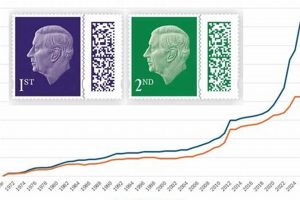
A rise in the price of mailing letters and packages reflects changes in operational expenses, inflation, and market dynamics within the postal service. For example, higher fuel costs or increased labor expenses can lead to adjustments in postal rates. This directly impacts consumers and businesses relying on mail services for communication and commerce.
Rate adjustments are essential for maintaining a functional and financially stable postal system. They enable the postal service to invest in infrastructure, technology, and personnel, ensuring efficient and reliable mail delivery. Historically, postal rates have been subject to periodic reviews and adjustments, reflecting evolving economic conditions and operational needs. Understanding these adjustments provides valuable context for budgeting and strategic planning for individuals and organizations.
This article will further explore the factors contributing to postal rate changes, their impact on various stakeholders, and potential strategies for mitigating the effects of higher mailing costs. Specific topics include the role of regulatory bodies, alternative shipping options, and the long-term outlook for postal services in a digital age.
Tips for Managing Postal Expenses
Effectively managing expenses related to mailings requires proactive planning and consideration of available options. The following tips offer practical guidance for navigating rising postal costs.
Tip 1: Optimize Package Dimensions and Weight: Using appropriately sized packaging and minimizing unnecessary weight can significantly reduce shipping costs. Explore lightweight packaging materials and consolidate items whenever possible.
Tip 2: Explore Alternative Shipping Providers: Comparing rates from different carriers, including private companies and public postal services, can reveal cost-saving opportunities for various shipping needs and destinations.
Tip 3: Utilize Online Postage Services: Printing postage online often provides discounted rates compared to purchasing stamps at retail locations. This also streamlines the mailing process.
Tip 4: Consolidate Mailings: Combining multiple items into a single shipment, when feasible, can reduce overall postage expenses compared to sending individual pieces.
Tip 5: Take Advantage of Bulk Mailing Discounts: For large-volume mailings, explore bulk mailing options to secure substantial postage discounts. This often requires specific preparation and sorting procedures.
Tip 6: Consider Electronic Communication: Whenever possible, evaluate whether electronic alternatives, such as email or online bill pay, can replace traditional mail and eliminate postage costs entirely.
Tip 7: Plan Ahead and Monitor Rate Changes: Staying informed about upcoming rate adjustments allows for proactive planning and budget adjustments. Regularly review postal service announcements for updates.
By implementing these strategies, individuals and businesses can effectively manage postal expenses and minimize the impact of rising rates. Careful planning and informed decision-making are crucial for maintaining cost-effective communication and shipping practices.
The following section concludes this exploration of postal rate increases and their implications for the future of mail services.
1. Inflationary Pressures

Inflationary pressures represent a significant driver of rising postal costs. As the general price level of goods and services increases, the cost of resources essential for postal operations, such as fuel, transportation, and labor, also rises. This necessitates periodic adjustments to postage rates to maintain the financial viability of the postal service. Understanding the specific facets of inflationary impact provides crucial insight into the complex relationship between economic conditions and postal pricing.
- Fuel and Transportation Costs
Fuel price fluctuations directly impact transportation expenses, a substantial component of postal operations. Increased fuel costs necessitate higher spending on delivery fleets, air transportation, and other logistical aspects. These increased expenses translate directly into upward pressure on postage rates. For example, a substantial rise in diesel fuel prices can significantly affect the cost of ground transportation for mail delivery, impacting both short-haul and long-haul routes. This ripple effect ultimately necessitates adjustments in postal rates to offset these increased operational expenditures.
- Labor and Compensation
Rising inflation necessitates adjustments in employee wages and benefits to maintain competitiveness and attract qualified personnel. Postal services are labor-intensive operations, and increases in labor costs constitute a significant portion of overall expenses. For instance, contractual obligations for annual cost-of-living adjustments (COLAs) tied to inflation indices directly impact personnel expenses, requiring corresponding adjustments in postal rates to ensure continued service provision.
- Materials and Supplies
Inflation affects the cost of materials essential for postal operations, including packaging, stationery, and processing equipment. Increases in these costs influence operational budgets and contribute to the need for rate adjustments. The rising cost of paper, for example, directly impacts the production of stamps, envelopes, and other essential materials used in mail processing and delivery. This effect, while seemingly minor, contributes to the overall upward pressure on operating costs.
- Maintenance and Infrastructure
Maintaining existing infrastructure and investing in necessary upgrades become more expensive during periods of inflation. Costs associated with facility maintenance, vehicle repairs, and technology upgrades are all subject to inflationary pressures. This impact necessitates increased budgetary allocations for these essential components of postal operations, ultimately contributing to the need for periodic postage rate adjustments. For instance, the cost of repairing and maintaining mail sorting equipment rises in line with inflation, impacting the overall operational budget.
These interconnected facets of inflationary pressure demonstrate the complex relationship between broader economic conditions and the financial sustainability of postal services. Failing to adjust postage rates in response to inflation would ultimately compromise the ability of postal services to maintain essential operations, impacting mail delivery reliability and service quality.
2. Operational Cost Adjustments
Operational cost adjustments within postal services are directly linked to postage stamp cost increases. Postal operations require significant resources, including transportation, labor, technology, and facility maintenance. Fluctuations in these costs necessitate adjustments in postage rates to maintain financial stability and service quality. Analyzing the cause-and-effect relationship between these adjustments provides crucial insight into the financial dynamics of postal services. For instance, rising fuel prices directly impact transportation costs, a major operational expense. This increase necessitates a corresponding adjustment in postage rates to offset the higher cost of delivering mail. Similarly, investments in new sorting technology, while enhancing efficiency in the long term, may require upfront capital expenditures that influence short-term operational costs and subsequently impact postage rates.
Operational cost adjustments are not merely a component of postage stamp cost increases; they are often the primary driver. Understanding the various categories of operational expensessuch as processing and handling, delivery and transportation, facility maintenance, and administrative overheadprovides a comprehensive view of how these factors contribute to overall postal expenses. Real-life examples illustrate this connection clearly. The implementation of automated sorting systems, while improving efficiency, often requires significant initial investment and ongoing maintenance, influencing operational costs. Similarly, changes in delivery routes due to urban development or infrastructure projects can affect fuel consumption and mileage, impacting transportation expenses and necessitating adjustments in postage rates to reflect these changes.
This understanding of the relationship between operational cost adjustments and postage stamp cost increases is practically significant for both consumers and businesses. Consumers can better comprehend the rationale behind rate changes and anticipate potential impacts on their mailing budgets. Businesses relying heavily on postal services for shipping and communication can strategically plan for these adjustments, exploring alternative shipping methods or adjusting pricing strategies to account for increased mailing expenses. Moreover, recognizing the various factors contributing to operational costs fosters a more informed perspective on the challenges faced by postal services in maintaining affordable and reliable service in a dynamic economic environment. Effectively managing these costs is crucial for ensuring the long-term viability and sustainability of postal operations.
3. Market-driven pricing

Market-driven pricing plays a crucial role in determining postage stamp costs. This approach considers factors such as competitor pricing, customer demand, and service value to establish rates. Understanding market dynamics and their influence on postal pricing provides valuable insights into the complexities of balancing affordability and financial sustainability within the postal sector. This section explores key facets of market-driven pricing and their connection to postage stamp cost increases.
- Competitor Analysis
Evaluating competitor pricing strategies, particularly within the private shipping sector, influences postal rate adjustments. Postal services must remain competitive while accounting for their universal service obligations. Private carriers often focus on specific market segments, allowing them to offer specialized services and pricing structures. Postal services, tasked with serving all demographics and geographic areas, must consider these competitive pressures when establishing rates. For instance, if private carriers offer significantly lower rates for certain package sizes or delivery speeds, postal services may adjust their pricing to retain market share.
- Demand Elasticity
Understanding customer responsiveness to price changesdemand elasticityinforms postal pricing decisions. Essential mail services tend to exhibit inelastic demand, meaning volume remains relatively stable despite price fluctuations. However, non-essential mail, such as marketing materials or premium delivery options, displays greater price sensitivity. This requires careful consideration of price adjustments to avoid significant volume declines. For example, a substantial increase in the cost of priority mail might lead businesses to opt for standard delivery, impacting revenue projections.
- Value Proposition
The perceived value of postal services influences pricing strategies. Factors such as reliability, speed, and security contribute to the overall value proposition. Postal services must demonstrate value commensurate with pricing to maintain customer satisfaction and justify rate adjustments. Investments in tracking technology, enhanced security measures, or faster delivery options can justify higher prices by offering improved service quality. Communicating these value enhancements to customers is crucial for acceptance of price increases.
- Service Differentiation
Offering a range of service options at different price points allows postal services to cater to diverse customer needs and preferences. This strategy segments the market, allowing customers to choose services aligned with their specific requirements and budgets. For example, offering expedited delivery at a premium price alongside standard delivery provides customers with choices. This differentiated pricing model requires careful market analysis to ensure each service tier is appropriately priced to attract the target segment while contributing to overall revenue goals.
These interconnected aspects of market-driven pricing highlight the complex considerations involved in establishing postage stamp costs. Balancing market competitiveness with universal service obligations requires a nuanced approach. By analyzing competitor pricing, understanding demand elasticity, enhancing value propositions, and differentiating services, postal services strive to establish sustainable pricing models that ensure both financial viability and customer satisfaction in a dynamic market environment. Furthermore, transparency in communicating these pricing strategies fosters public trust and understanding of the factors influencing postage stamp cost increases.
4. Universal Service Obligations

Universal service obligations (USO) mandate consistent postal service access at affordable rates for all citizens, regardless of geographic location. This commitment to equitable access, while socially beneficial, presents financial challenges for postal operators. USO requirements often necessitate serving remote or sparsely populated areas, where operational costs are significantly higher due to transportation and logistical complexities. This inherent tension between affordability and accessibility directly influences postage stamp cost increases, as postal services must balance the financial burden of USO with the need to maintain affordable rates for all users. This section explores key facets of USO and their connection to postage increases.
- Geographic Coverage
Providing service to all geographic areas, including remote and sparsely populated regions, entails higher operational costs. Transportation expenses, infrastructure maintenance, and logistical complexities contribute to the financial burden of serving these areas. For example, delivering mail to a remote island community requires significantly higher transportation costs compared to densely populated urban areas. These elevated costs necessitate careful consideration in rate-setting processes, influencing postage increases to offset the expenses associated with fulfilling geographic coverage obligations.
- Uniform Pricing
USO often mandates uniform pricing for standard postal services across all regions, regardless of delivery costs. This means a letter sent from a major city to a remote rural area incurs the same postage cost, despite significant differences in delivery expenses. This uniform pricing structure requires postal services to offset higher costs in some areas with revenue generated in others, creating a complex balancing act that influences overall rate setting and contributes to postage stamp cost increases.
- Service Standards
Maintaining consistent service standards across all areas, regardless of geographic challenges, necessitates strategic resource allocation. Ensuring timely delivery and reliable service in remote locations often requires additional investment in infrastructure, transportation, and personnel. These added costs, directly linked to fulfilling USO requirements, influence postage stamp cost increases as postal services strive to maintain consistent service levels across their entire network. For instance, ensuring next-day delivery to a remote mountainous region may require dedicated air transportation, significantly increasing operational costs.
- Infrastructure Maintenance
Maintaining infrastructure in diverse geographic areas, including remote and challenging terrains, presents ongoing operational costs. Weather conditions, accessibility challenges, and specialized equipment needs contribute to the expense of fulfilling USO infrastructure requirements. For example, maintaining postal facilities and transportation networks in areas prone to extreme weather events can necessitate higher repair and maintenance costs. These expenses, integral to ensuring continuous service in all areas, influence postage stamp cost increases as postal services must allocate resources to sustain infrastructure across their entire network.
These interconnected facets of USO demonstrate the complex relationship between equitable access and postage stamp cost increases. Balancing the social benefit of universal service with the financial realities of operational costs presents ongoing challenges for postal services. Understanding these factors allows for a more informed perspective on the complexities of postal pricing and the need for periodic rate adjustments to ensure the long-term sustainability of universal service in a dynamic and evolving environment.
5. Technological Investments

Technological investments in postal services, while aiming for long-term efficiency and service improvements, often necessitate upfront expenditures and ongoing maintenance costs. These costs can influence postage stamp price adjustments. Analyzing the relationship between these investments and subsequent rate changes offers crucial insights into the financial dynamics of modernizing postal operations.
- Automation and Sorting Equipment
Automated sorting systems and optical character recognition (OCR) technology expedite mail processing, reducing manual labor and improving accuracy. However, implementing these systems requires substantial initial investment in equipment, software, and integration. Ongoing maintenance, software updates, and occasional equipment replacement contribute to long-term operational expenses. These costs, while ultimately enhancing efficiency, can influence postage rates in the short to medium term. For example, a large-scale deployment of automated sorting machines across a national postal network requires significant capital expenditure and influences operating budgets, potentially impacting postage rates.
- Tracking and Delivery Confirmation Systems
Real-time tracking and delivery confirmation systems enhance transparency and accountability within postal operations. These systems require investments in GPS technology, mobile scanning devices, and integrated software platforms. Data storage and processing costs, along with ongoing system maintenance, contribute to operational expenses. While these technologies improve service quality and customer satisfaction, their implementation and maintenance can influence postage rates. For instance, providing detailed tracking information for every package requires significant data infrastructure and processing capabilities, contributing to operational costs.
- Digitalization and Online Services
Developing online platforms for purchasing postage, scheduling pickups, and managing deliveries enhances customer convenience and reduces reliance on physical retail locations. Building and maintaining these digital platforms requires investment in software development, web infrastructure, and cybersecurity measures. While online services streamline operations and reduce certain administrative costs, the initial development and ongoing maintenance of these platforms can contribute to operational expenses and influence postage rates. For example, creating a user-friendly online portal for purchasing postage requires investment in web design, secure payment processing, and customer support infrastructure.
- Transportation and Logistics Upgrades
Investing in electric vehicle fleets, route optimization software, and other logistical enhancements aims to reduce fuel consumption, improve delivery efficiency, and minimize environmental impact. These upgrades require upfront capital expenditures for vehicle purchases, software implementation, and infrastructure adaptation. While contributing to long-term sustainability and cost reduction, these initial investments can influence postage rates. For instance, transitioning to an electric vehicle fleet requires significant investment in charging infrastructure and vehicle acquisition, potentially impacting short-term operational budgets.
These interconnected technological investments demonstrate the complex relationship between modernization efforts and postage stamp cost increases. While these investments aim to enhance efficiency, improve service quality, and reduce long-term operational expenses, the initial capital outlays and ongoing maintenance costs can influence postage rates. Balancing the need for technological advancement with the imperative of maintaining affordable postal services requires careful financial planning and strategic decision-making. Furthermore, transparent communication regarding these investments and their impact on postal rates fosters public understanding and trust.
Frequently Asked Questions
This section addresses common inquiries regarding postal rate adjustments, providing concise and informative responses.
Question 1: What are the primary drivers of postage stamp cost increases?
Several factors contribute to rising postal costs, including inflationary pressures on operational expenses (such as fuel and labor), market-driven pricing adjustments, the financial demands of universal service obligations, and investments in new technologies and infrastructure.
Question 2: How frequently are postage rates typically adjusted?
The frequency of rate adjustments varies depending on the postal service provider and prevailing economic conditions. Typically, adjustments occur periodically, often annually or biennially, following careful review of operational costs and market dynamics.
Question 3: How do postage rate increases impact businesses and consumers?
Higher postage costs directly affect businesses reliant on mailing services for marketing, shipping, and communication. Consumers experience increased expenses for mailing letters and packages. Both groups may need to adjust budgets or explore alternative communication and shipping strategies.
Question 4: Are there strategies to mitigate the impact of rising postal costs?
Several strategies can help manage postal expenses, including optimizing package dimensions and weight to minimize costs, exploring alternative shipping providers, consolidating mailings, leveraging online postage discounts, and considering electronic communication alternatives when feasible.
Question 5: How are universal service obligations factored into postage rate adjustments?
Universal service obligations, which ensure consistent service access for all geographic areas, regardless of cost, present unique financial challenges. Postal services must balance the higher costs of serving remote or sparsely populated regions with the need to maintain affordable and uniform rates for all users. This balancing act directly influences rate adjustments.
Question 6: What role does technology play in influencing postage costs?
While technological investments aim to improve efficiency and service quality in the long run, the initial capital expenditures and ongoing maintenance costs associated with automation, tracking systems, and digital platforms can influence postage stamp cost increases in the short to medium term.
Understanding these factors provides a comprehensive perspective on the complexities of postal rate adjustments. Careful planning and proactive adaptation are crucial for navigating the evolving landscape of postal costs.
The subsequent section explores the historical context of postal rate changes.
Conclusion
Fluctuations in postage stamp costs represent a complex interplay of economic pressures, operational realities, market dynamics, and evolving service demands. This exploration has highlighted the multifaceted nature of these adjustments, examining the influence of inflation on operational expenses, the role of market-driven pricing strategies in balancing affordability and financial stability, and the unique challenges posed by universal service obligations in ensuring equitable access for all users. Furthermore, the analysis of technological investments reveals the dual impact of modernization efforts: while promising long-term efficiency gains, these investments often necessitate upfront expenditures that can influence short-term rate adjustments.
Adapting to evolving postal costs requires informed decision-making and proactive planning. Understanding the underlying factors driving rate changes empowers both consumers and businesses to navigate the changing postal landscape effectively. Continuous evaluation of mailing practices, exploration of alternative shipping options, and strategic utilization of available resources are essential for mitigating the impact of rising postal expenses. The future of postal services hinges on striking a balance between financial sustainability, technological advancement, and the enduring commitment to providing accessible and reliable communication for all.