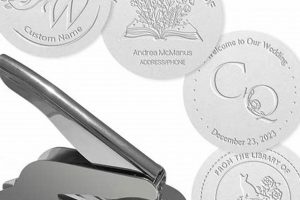
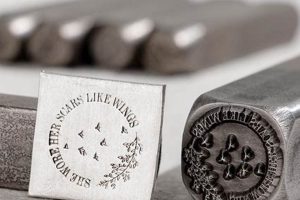
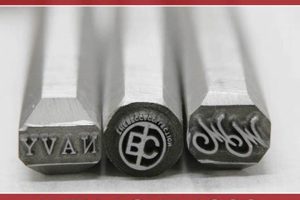
A personalized marking device, crafted to leave a unique impression in heated wax, offers a touch of elegance and authenticity to documents, letters, and other items. These devices can be created with a variety of designs, from monograms and family crests to logos and bespoke artwork, allowing for a distinct, personalized touch.
Historically, such seals signified authority and ensured document integrity. Today, they continue to evoke a sense of tradition and sophistication, adding a special flourish to invitations, certificates, and gifts. The ability to create a truly individual mark adds value and a personal connection to important communications and treasured belongings.
This article will further explore the design process, material options, and practical applications of personalized wax seals, offering a comprehensive guide to understanding and utilizing this timeless craft.
Tips for Creating and Using Personalized Wax Seals
Successfully creating and utilizing a personalized marking device for wax requires attention to several key aspects. The following tips offer guidance for achieving optimal results and ensuring a polished, professional impression.
Tip 1: Material Selection: Choosing the right material impacts both the aesthetic and practical function. Metal stamps, typically brass or steel, offer durability and intricate detail reproduction. Alternatively, acrylic stamps provide a cost-effective option, especially for simpler designs.
Tip 2: Design Considerations: Simple, bold designs reproduce best. Intricate details may lose clarity in the wax impression. Consider the size of the stamp relative to the intended application area.
Tip 3: Wax Selection: Wax type influences the final appearance. Traditional sealing wax offers a classic, elegant look. Flexible wax options are available for use on envelopes and other pliable surfaces.
Tip 4: Melting Technique: Utilize a dedicated wax melting spoon or a low-temperature glue gun with appropriate wax sticks for consistent and controlled melting.
Tip 5: Stamping Technique: Ensure the stamp is clean and dry before pressing into the melted wax. Apply even pressure for a clear and complete impression. Allow the wax to cool completely before handling.
Tip 6: Storage and Care: Store the stamp in a protective case or pouch to prevent damage or accumulation of dust and debris. Clean the stamp after each use with a soft cloth.
By adhering to these guidelines, one can achieve professional-looking wax seals that enhance the presentation of documents, invitations, and gifts, reflecting attention to detail and a commitment to quality.
With a clear understanding of the creation and application process, the subsequent section will delve into specific examples and advanced techniques, further enriching the exploration of personalized wax seals.
1. Material (brass, steel, acrylic)
Material selection significantly impacts the quality, durability, and aesthetic of a personalized wax seal stamp. Brass, prized for its durability and intricate detail reproduction, offers a classic, high-quality option. The malleability of brass allows for finely detailed designs, resulting in crisp impressions. Steel, while less common, provides exceptional durability and longevity, making it suitable for frequent use. Acrylic, a cost-effective alternative, is well-suited for simpler designs and less frequent use. However, acrylic’s softer nature may limit the intricacy achievable and potentially decrease the stamp’s lifespan compared to metal counterparts. Choosing the appropriate material depends on the desired balance of cost, durability, and design complexity.
For instance, a company seeking a prestigious corporate seal might opt for a brass stamp to reflect quality and attention to detail. A crafter selling handmade goods might choose an acrylic stamp for a personalized touch without a substantial investment. An individual seeking a durable, frequently used personal seal might select a steel stamp. Understanding the properties of each material ensures an appropriate choice aligned with specific needs and budget.
The choice of material directly influences the stamp’s ability to render fine details, withstand repeated use, and maintain its appearance over time. Selecting the appropriate material ensures a functional and aesthetically pleasing seal that meets the user’s specific requirements. This understanding allows for informed decision-making, maximizing the investment and ensuring long-term satisfaction with the personalized wax seal.
2. Design (logo, monogram, initials)

The design element holds paramount importance in personalized wax seals, directly impacting the seal’s aesthetic appeal and communicative power. Whether a logo, monogram, or initials, the chosen design becomes the defining feature of the impression. A well-executed design enhances the perceived value and professionalism of the sealed item. Logos represent brands and organizations, adding an official touch to documents and products. Monograms, often intertwined initials, offer a personalized, elegant touch to correspondence and gifts. Simple initials provide a subtle yet distinctive mark of authenticity. The design’s visual impact contributes significantly to the overall impression created by the wax seal.
A law firm, for example, might employ a logo featuring scales of justice to reinforce its brand identity on official documents. A couple preparing wedding invitations could choose a monogram incorporating their intertwined initials for a personalized, romantic touch. An artist selling handmade crafts might use a stylized initial as a mark of authenticity. These examples demonstrate how design choices reflect the specific needs and objectives of the user, transforming a simple wax seal into a powerful symbol of identity, professionalism, or personal expression. Choosing the appropriate design involves careful consideration of the intended message and target audience.
Effective design selection requires a balance between aesthetic appeal, practical reproduction, and intended message. Intricate designs, while visually appealing, may lose clarity when impressed in wax. Simple, bold designs often reproduce more effectively, ensuring a clear and legible impression. The size of the design must also be proportionate to the stamp’s dimensions. Understanding these design principles allows for informed decisions that maximize the visual impact and communicative effectiveness of the personalized wax seal. Ultimately, the chosen design contributes significantly to the wax seal’s overall impact, ensuring a lasting impression that aligns with the user’s objectives.
3. Size and Shape

The size and shape of a custom stamp for wax seals play a crucial role in both the aesthetic and practical application of the seal. These factors influence the clarity of the impression, the suitability for different uses, and the overall visual impact. Careful consideration of size and shape ensures a functional and aesthetically pleasing seal.
- Stamp Diameter
Stamp diameter directly impacts the size of the wax impression. Smaller diameters (e.g., 15mm) are suitable for discreet markings on small items or in limited spaces. Larger diameters (e.g., 30mm or more) create bolder statements, accommodating more complex designs or larger text. Selecting the appropriate diameter depends on the intended use and the desired visual impact. A smaller diameter may be ideal for sealing a handwritten letter, while a larger diameter could be more appropriate for a formal corporate document.
- Shape Variations
Traditional wax seal stamps typically feature round or oval shapes. However, square, rectangular, or even custom shapes are possible, offering greater design flexibility and a unique aesthetic. The chosen shape contributes to the overall visual impression and can be tailored to complement the design or intended use. A square stamp, for example, might be chosen for a modern, minimalist logo, while a traditional round shape could be preferred for a classic monogram.
- Handle Design and Ergonomics
While not directly related to the impression, the handle’s size and shape affect user comfort and control during the stamping process. A comfortable grip ensures even pressure and a clean impression, particularly for intricate designs or frequent use. Handles can vary in length, thickness, and material, each contributing to the overall ergonomics of the stamp. A longer handle provides greater leverage, while a thicker handle offers a more secure grip.
- Proportion and Balance
The relationship between the stamp’s size and shape, the design elements, and the intended application area must be carefully considered. A large, intricate design on a small stamp may appear cluttered, while a small, simple design on a large stamp might appear lost. Maintaining visual balance and proportion ensures a harmonious and effective final product. This balance is crucial for ensuring that the design elements are clearly visible and impactful without appearing overcrowded or disproportionate.
By carefully considering these aspects of size and shape, one can ensure that the custom stamp produces a clear, aesthetically pleasing, and functional wax seal appropriate for its intended application. The interplay of these factors significantly impacts the final outcome, contributing to a well-balanced and visually appealing impression that enhances the overall presentation and reinforces the desired message or identity.
4. Handle (comfort, aesthetics)
The handle of a custom wax seal stamp, while often overlooked, plays a significant role in both the user experience and the overall aesthetic of the tool. A well-designed handle contributes to comfortable and controlled application, facilitating precise placement and even pressure distribution for a clean, crisp wax impression. Discomfort, conversely, can lead to imprecise application, smudging, or an uneven seal. Beyond ergonomics, the handle’s material and design contribute to the stamp’s perceived quality and visual appeal. A thoughtfully crafted handle elevates the stamp from a mere tool to a cherished possession, reflecting the user’s appreciation for craftsmanship and attention to detail.
Consider a calligrapher creating personalized invitations. A comfortable, balanced handle allows for delicate control during the sealing process, ensuring a perfect impression that complements the elegant calligraphy. Conversely, an unwieldy or uncomfortable handle could compromise precision, resulting in a flawed seal that detracts from the overall presentation. Material choice also plays a role. A finely crafted wooden handle adds a touch of natural elegance, while a sleek metal handle conveys a sense of modernity and sophistication. These subtle details enhance the overall aesthetic experience, transforming the act of sealing from a mundane task into a ritualistic expression of care and attention.
The handle’s significance extends beyond mere functionality and aesthetics. It represents the intersection of practicality and artistry, underscoring the importance of thoughtful design in even the smallest components of a tool. A comfortable, aesthetically pleasing handle enhances the overall user experience, promoting precision and enjoyment in the process of creating a wax seal. This understanding emphasizes the holistic nature of design, where even seemingly minor details contribute significantly to the overall quality and appeal of the finished product. Choosing a stamp with a well-designed handle ensures not only a functional tool but also an object of beauty and tactile pleasure, elevating the simple act of sealing to an experience of refined craftsmanship.
5. Wax Compatibility
Wax compatibility represents a crucial factor in achieving optimal results with a custom stamp for wax seals. The interplay between the stamp material and the wax properties directly influences the clarity of the impression, the ease of release, and the overall aesthetic of the seal. Selecting the appropriate wax type ensures a clean, crisp impression and prevents sticking or damage to the stamp.
- Traditional Sealing Wax
Traditional sealing wax, typically composed of shellac and resin, offers a classic, brittle finish. Its firm consistency provides excellent detail reproduction but requires careful handling due to its tendency to chip or crack. Compatibility with various stamp materials, including metal and acrylic, makes it a versatile choice. A notary public, for example, might utilize traditional sealing wax with a metal stamp for official documents, prioritizing the crisp, formal appearance of the seal.
- Flexible Sealing Wax
Flexible sealing wax, often formulated with polymers, offers greater pliability, making it suitable for use on uneven surfaces or items that may flex, such as envelopes. Its flexibility reduces the risk of cracking or chipping during handling. Compatibility with most stamp materials allows for versatile application, though intricate details may reproduce less crisply than with traditional wax. An artisan selling handmade cards might choose flexible wax for its adaptability to textured paper stock and its ability to withstand bending during postal handling.
- Glue Gun Sealing Wax
Glue gun sealing wax, available in stick form, offers convenience and ease of use with low-temperature glue guns. This wax typically possesses a flexible consistency, allowing for application on various surfaces. Compatibility is generally limited to glue gun-specific applicators and may not be suitable for all stamp materials. A high-volume mail-order business might utilize glue gun sealing wax for its efficiency in applying a large number of seals quickly.
- Wax Color and Finish
Wax is available in a wide array of colors and finishes, including metallic, pearlescent, and glitter options, allowing for customization and aesthetic expression. Color choice can complement branding, personal style, or the occasion. While color and finish do not directly impact compatibility with the stamp material, they contribute significantly to the overall visual appeal and communicative power of the seal. A wedding planner might select a gold metallic wax for invitations, adding a touch of elegance and formality to the event.
Understanding wax compatibility ensures a successful outcome when using a custom stamp. Careful consideration of the wax properties, intended use, and stamp material allows for informed selection, maximizing the aesthetic and functional qualities of the wax seal. Choosing the appropriate wax ensures a clean, crisp impression that enhances the overall presentation and effectively conveys the intended message, whether a mark of authenticity, a symbol of celebration, or a touch of personalized elegance.
6. Intended Use (letters, gifts)

The intended use of a custom wax seal significantly influences design choices, material selection, and wax type. Seals intended for letters require consideration of envelope size and postal regulations. Flexible wax is often preferred for its ability to withstand bending and handling during transit. Smaller, simpler designs may be more practical for limited space on envelopes. Conversely, seals for gifts offer greater design flexibility, allowing for larger, more intricate designs and a wider range of wax colors and finishes. The gift’s nature and the recipient’s personality can inform design choices, transforming the seal into a personalized element of the presentation. A custom seal applied to a handwritten letter adds a touch of elegance and formality, while a seal adorning a gift conveys a sense of care and attention to detail.
Consider a business utilizing custom wax seals for corporate correspondence. The design might incorporate the company logo, and the wax color might align with brand colors. Traditional sealing wax would likely be preferred for its formal appearance and crisp impression on high-quality paper stock. In contrast, an individual using a custom seal for wedding invitations might choose a monogram design and a metallic or pearlescent wax color to enhance the celebratory aesthetic. Flexible wax might be preferred for compatibility with various paper types and envelope sizes. These examples illustrate how intended use dictates practical considerations and aesthetic choices, ensuring the seal complements its purpose and enhances the overall presentation.
Understanding the intended use of a custom wax seal is paramount for achieving a cohesive and impactful final product. Aligning design, material, and wax type with the intended application ensures the seal functions effectively and enhances the recipient’s experience, whether conveying professionalism in business correspondence or adding a personalized touch to a cherished gift. This awareness transforms the wax seal from a mere embellishment into a meaningful element of communication and presentation, reflecting thoughtful consideration and enhancing the overall impact of the sealed item.
7. Durability and Longevity
Durability and longevity represent critical considerations when investing in a custom stamp for wax seals. A durable stamp ensures consistent, high-quality impressions over extended use, representing a worthwhile investment. Material selection, construction quality, and proper care contribute significantly to the stamp’s lifespan and continued performance. Understanding these factors allows for informed decisions, maximizing the value and ensuring long-term satisfaction with the chosen stamp.
- Material Selection
The stamp’s material directly impacts its resistance to wear and tear. Metal stamps, particularly those crafted from brass or steel, offer superior durability compared to acrylic alternatives. Brass balances durability with intricate detail reproduction, while steel provides exceptional resilience for frequent, high-volume use. Acrylic, though more budget-friendly, may be susceptible to cracking or chipping with repeated use. Choosing a durable material ensures the stamp withstands the rigors of regular use, maintaining its functionality and aesthetic appeal over time. A legal professional requiring a seal for frequent document authentication would likely prioritize the robust durability of a steel stamp over the lower cost of acrylic.
- Construction Quality
The construction quality of the stamp, encompassing elements like the handle’s attachment and the engraving depth, influences its overall lifespan. A securely attached handle prevents loosening or breakage during use, while deep, precise engraving ensures consistent, clear impressions over extended periods. High-quality construction safeguards against premature wear and tear, maximizing the stamp’s longevity and ensuring reliable performance. A family seeking a heirloom-quality stamp for generations to come would prioritize robust construction, ensuring the stamp remains functional and aesthetically pleasing for years to come.
- Care and Maintenance
Proper care and maintenance significantly extend the lifespan of a custom wax seal stamp. Regular cleaning removes wax residue, preventing build-up that could interfere with the design’s clarity. Storing the stamp in a protective case or pouch safeguards against dust, scratches, and other potential damage. Appropriate care preserves the stamp’s functionality and aesthetic appeal, ensuring it remains a valued tool or keepsake for years. An individual using a custom stamp for occasional crafting projects would benefit from proper cleaning and storage practices to maintain the stamp’s condition and ensure its readiness for future use.
- Frequency of Use
The anticipated frequency of use influences material and construction choices. Occasional use may not necessitate the robust durability of steel, while frequent, high-volume applications benefit from the resilience of metal construction. Aligning material choice and construction quality with anticipated use maximizes the stamp’s lifespan and ensures it meets the user’s specific needs. A small business owner using a custom stamp for packaging might opt for a durable brass stamp to withstand regular use, while an individual creating personalized holiday cards might find an acrylic stamp sufficient for occasional use.
Considering durability and longevity when selecting a custom wax seal stamp ensures a worthwhile investment that provides lasting value. A durable stamp offers consistent performance and aesthetic appeal over extended use, justifying the initial investment. By understanding the interplay between material, construction, care, and intended use, individuals can make informed decisions, maximizing the lifespan of their custom stamp and ensuring long-term satisfaction with its performance and aesthetic qualities. A well-maintained, durable stamp becomes more than just a tool; it transforms into a cherished possession, reflecting the user’s appreciation for quality and enduring craftsmanship.
Frequently Asked Questions
This section addresses common inquiries regarding custom stamps for wax seals, providing concise and informative responses to facilitate informed decision-making.
Question 1: What materials are typically used for custom wax seal stamps?
Custom wax seal stamps are commonly crafted from brass, steel, or acrylic. Brass offers a balance of durability and intricate detail reproduction. Steel provides exceptional durability for frequent use. Acrylic presents a cost-effective option, suitable for simpler designs and less frequent applications.
Question 2: How does one choose an appropriate wax type for a custom stamp?
Wax selection depends on the intended application and desired aesthetic. Traditional sealing wax offers a classic, brittle finish ideal for formal documents. Flexible sealing wax is suitable for uneven surfaces or items that may flex, such as envelopes. Glue gun sealing wax provides convenience for high-volume applications.
Question 3: What design considerations are important for custom wax seal stamps?
Simple, bold designs generally reproduce best in wax. Intricate details may lose clarity. The design size should be proportionate to the stamp’s dimensions. Consider the intended message and target audience when selecting a design, whether a logo, monogram, or initials.
Question 4: How does handle design impact the use of a custom wax seal stamp?
A comfortable, ergonomically designed handle facilitates precise placement and even pressure distribution, ensuring a clean, crisp impression. The handle material and design also contribute to the stamp’s overall aesthetic appeal and perceived quality.
Question 5: What factors influence the durability and longevity of a custom wax seal stamp?
Material selection, construction quality, and proper care contribute to a stamp’s lifespan. Metal stamps generally offer greater durability than acrylic. Secure handle attachment and deep engraving ensure lasting performance. Regular cleaning and proper storage prevent premature wear and tear.
Question 6: What are the key considerations when choosing a size and shape for a custom wax seal stamp?
The stamp’s diameter determines the impression size. Smaller diameters suit discreet markings, while larger diameters accommodate complex designs. Shape variations, from traditional round or oval to square or custom shapes, offer design flexibility. Handle ergonomics and the balance between design and stamp dimensions contribute to a functional and aesthetically pleasing final product.
Careful consideration of these frequently asked questions ensures informed decisions when selecting and utilizing a custom wax seal stamp, maximizing its functionality, aesthetic appeal, and longevity.
The following section will explore advanced techniques and specialized applications for custom wax seals, further enriching understanding and inspiring creative utilization of this timeless craft.
Custom Stamp for Wax Seal
Personalized marking devices for wax seals offer a unique blend of functionality, aesthetic appeal, and historical significance. This exploration has delved into the critical aspects of material selection, design considerations, size and shape, handle ergonomics, wax compatibility, intended use, and durability. Understanding these elements empowers informed decisions, ensuring the chosen stamp aligns with specific needs and desired outcomes. Whether employed for formal documents, personal correspondence, or creative projects, a carefully chosen custom stamp enhances the presentation and adds a touch of timeless elegance.
The enduring appeal of wax seals lies in their ability to transcend mere functionality and become symbolic expressions of care, attention to detail, and a connection to tradition. As society increasingly embraces digital communication, the tangible and personalized nature of a wax seal offers a distinctive counterpoint, reaffirming the value of craftsmanship and personal touch in a world of fleeting electronic interactions. The considered selection and application of a custom wax seal stamp elevates everyday objects and communications into meaningful expressions of identity and connection.