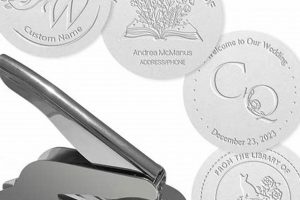
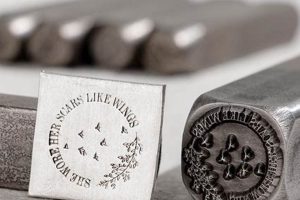
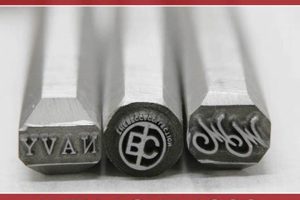
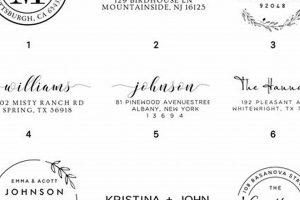
A personalized marking tool creates imprinted designs on leather surfaces. This tool, typically made from metal, brass, or steel, can be heated and pressed onto the leather or used with a mallet to achieve a permanent, raised or depressed impression. Designs range from simple initials or logos to intricate artwork. For instance, a company might use such a tool to brand its leather goods, while an individual might personalize a journal cover. The resulting design adds a distinctive touch and perceived value to the leather item.
These tools offer a unique method for branding, personalization, and artistic expression. Historically, similar techniques were employed for official seals, bookbinding, and decorative elements on saddles and other leather goods. Today, they remain relevant, enabling craftspeople, businesses, and hobbyists to add a sophisticated and permanent mark of distinction to leather products. This enduring practice combines traditional craftsmanship with modern design possibilities.
This article explores the various facets of creating and utilizing personalized marking tools for leather. Topics covered include design considerations, material selection, manufacturing processes, and practical application techniques. Further exploration will also delve into the historical significance and modern applications of this versatile craft.
Tips for Utilizing Personalized Leather Marking Tools
Effective use of personalized marking tools requires careful consideration of design, material, and application techniques. The following tips offer guidance for achieving optimal results.
Tip 1: Design Simplicity: Intricate designs, while visually appealing, may not translate well to embossed impressions. Clean lines and bolder elements often yield clearer, more defined results. Consider the scale of the design in relation to the target leather item.
Tip 2: Material Selection: Durable metals such as brass or steel are preferred. These materials withstand repeated use and maintain fine detail. The hardness of the metal also impacts the clarity of the impression.
Tip 3: Temperature Control: When heat embossing, consistent temperature is crucial. Overheating can scorch the leather, while insufficient heat may result in a shallow impression. Test on scrap leather pieces beforehand.
Tip 4: Pressure Application: Even pressure distribution is essential for a uniform impression. A mallet or arbor press provides greater control compared to manual pressure. Consistent striking force ensures a deep, well-defined mark.
Tip 5: Leather Suitability: Different leather types respond differently to embossing. Vegetable-tanned leather is generally preferred due to its ability to take impressions cleanly. Testing on a sample piece is advisable.
Tip 6: Surface Preparation: A smooth, flat surface is essential for achieving a clean impression. Ensure the leather is free of debris and imperfections before applying the heated tool or striking with a mallet.
Tip 7: Post-Embossing Treatment: Applying a leather conditioner or sealant after embossing can help protect the design and enhance its longevity, especially in frequently handled items.
By adhering to these guidelines, one can achieve professional-quality results and extend the lifespan of the personalized marking tool. Precise execution and attention to detail are key factors in successful leather embossing.
This practical advice, coupled with the preceding information, provides a comprehensive understanding of personalized leather marking tools and their application. The following conclusion summarizes the key takeaways and potential applications for this versatile craft.
1. Personalized Design

Personalized design represents a pivotal element in the creation and application of custom leather embossing stamps. It transforms a functional tool into a medium for individual expression, brand distinction, and enhanced product value. This section explores key facets of personalized design within the context of leather embossing.
- Individual Expression
Custom stamps empower individuals to imprint their unique mark onto leather goods. Initials, monograms, or symbolic designs add a personal touch to journals, wallets, or other handcrafted items. This fosters a sense of ownership and allows for the creation of truly bespoke pieces. For instance, a handcrafted leather-bound journal embossed with a personal insignia becomes a cherished possession reflecting individual style.
- Brand Identity
Businesses leverage custom stamps to reinforce brand identity and create a cohesive visual language across product lines. Embossing company logos onto leather goods strengthens brand recognition and adds a touch of professionalism. A small leather goods company, for example, can distinguish its products with a unique embossed logo, creating a recognizable brand signature and enhancing perceived value.
- Gift Personalization
Custom embossed leather goods make thoughtful and personalized gifts. A leather wallet embossed with a recipient’s initials or a special date transforms an ordinary present into a treasured keepsake. Such personalized touches imbue gifts with sentimental value, demonstrating care and attention to detail.
- Artistic Exploration
Leather embossing provides a unique canvas for artistic exploration. Intricate designs, patterns, or even reproductions of artwork can be transferred onto leather surfaces using custom stamps. This allows artists and craftspeople to expand their creative expression and offer unique, hand-crafted items with artistic flair.
These facets of personalized design collectively enhance the appeal and value of leather goods. Whether for individual expression, brand building, or artistic pursuits, custom leather embossing stamps offer a versatile means of creating distinctive and enduring marks. The ability to translate a personalized design into a tangible impression on leather adds depth and significance to the craft, solidifying its relevance in both traditional and contemporary applications.
2. Material Durability
Material durability plays a critical role in the efficacy and longevity of custom leather embossing stamps. Stamps crafted from robust materials withstand repeated use, high pressure, and potential exposure to heat, ensuring consistent, clean impressions over time. The choice of material directly impacts the stamp’s ability to retain intricate details and resist deformation, which is essential for maintaining the integrity of the intended design. For example, a stamp made from hardened steel will exhibit greater durability and produce sharper impressions compared to one made from a softer metal like aluminum. This resilience translates to a higher return on investment, particularly for businesses utilizing stamps for high-volume production.
Several materials are commonly employed in the fabrication of these stamps, each offering distinct advantages and disadvantages regarding durability. Brass, known for its relative hardness and resistance to corrosion, provides a balance of durability and affordability. Steel, particularly hardened steel, offers superior strength and wear resistance, making it ideal for intricate designs and frequent use. More specialized materials like magnesium or delrin offer lightweight alternatives but may compromise on longevity. The selection process hinges on factors such as budget, intended frequency of use, and the complexity of the desired design. A small craft business, for instance, might opt for brass stamps for occasional use, while a large-scale leather goods manufacturer would likely invest in hardened steel stamps for continuous production.
Understanding the relationship between material durability and the effectiveness of custom leather embossing stamps is essential for achieving desired outcomes. Investing in a stamp crafted from a robust material ensures long-term functionality, precise impressions, and cost-effectiveness. Failure to consider material durability can lead to premature wear, distorted designs, and ultimately, a compromised final product. Choosing the appropriate material based on specific needs ensures consistent quality and maximizes the lifespan of the stamp, contributing significantly to the success of leather crafting endeavors. Therefore, careful consideration of material properties is paramount in the selection process for achieving professional and enduring results.
3. Precise Craftsmanship
Precise craftsmanship is paramount in producing a high-quality custom leather embossing stamp. The stamp’s ability to render a crisp, clear impression directly correlates with the precision employed in its creation. This precision encompasses several key aspects: the accuracy of the design transfer onto the stamp material, the meticulous carving or etching of the design, and the careful finishing of the stamp’s surface. A slight deviation in any of these steps can result in a blurred or incomplete impression, diminishing the overall quality of the finished leather product. For example, a misaligned design element on the stamp can lead to an off-center impression on the leather, compromising the aesthetic appeal of a handcrafted wallet. Therefore, skilled craftsmanship is essential for guaranteeing the stamp’s fidelity to the intended design.
The importance of precise craftsmanship extends beyond the aesthetic realm. A well-crafted stamp ensures consistent impressions, crucial for maintaining uniformity, particularly in branded products or items produced in multiples. Inconsistencies in the embossed design can detract from the perceived value of the product, conveying a lack of attention to detail. Consider a batch of leather journals embossed with a company logo; variations in the clarity or depth of the impression across the journals could negatively impact the brand’s image. Precise craftsmanship, therefore, safeguards brand consistency and upholds quality standards. Furthermore, a precisely crafted stamp, often made from durable materials like hardened steel, exhibits enhanced longevity, withstanding repeated use without significant wear or deformation. This durability translates to a cost-effective investment for businesses and artisans alike.
In conclusion, precise craftsmanship represents a cornerstone in the creation and application of custom leather embossing stamps. Its influence extends beyond mere aesthetics, impacting the stamp’s functionality, durability, and ultimately, the value of the finished leather product. Challenges such as intricate design replication or maintaining consistency across multiple impressions underscore the ongoing need for skilled craftsmanship in this field. Understanding the inextricable link between precise craftsmanship and the quality of the final product is crucial for both producers and consumers of custom leather goods. This appreciation fosters informed decision-making, encourages support for skilled artisans, and contributes to the preservation of this traditional craft in the modern era.
4. Targeted Application
Targeted application in the context of custom leather embossing stamps refers to the deliberate selection of a stamp and its design based on the specific item it will mark and its intended use. This consideration encompasses not only the type of leather and its thickness but also the size, shape, and purpose of the final product. The choice of design, size, and even the embossing method itself (e.g., hot stamping, blind embossing) should align with the overall aesthetic and functional goals of the project. A thoughtfully chosen stamp enhances the final product, while an ill-suited application can detract from its overall quality and perceived value.
- Material Compatibility
Different leather types and thicknesses require specific considerations for embossing. Thicker, full-grain leather can accommodate deeper, more intricate designs, while thinner, more delicate leathers necessitate shallower impressions. Additionally, the leather’s finish (e.g., natural, waxed, painted) influences the embossing process and the final appearance of the impression. For instance, a deeply embossed logo on a thin, soft leather intended for a wallet might damage the material, whereas a subtle blind embossing would be more appropriate. Choosing a stamp design and embossing method compatible with the specific leather type ensures optimal results and prevents damage to the material.
- Product Functionality
The intended use of the final product significantly impacts the choice of stamp and its placement. A stamp applied to a frequently handled item, such as a wallet or keychain, should be durable and positioned to minimize wear. Conversely, a decorative embossing on a book cover might prioritize aesthetic appeal over wear resistance. For example, a small, discreetly placed logo on a wallet corner offers subtle branding without interfering with the wallet’s functionality, whereas a large, centrally placed design on a book cover serves as a prominent decorative element.
- Design Appropriateness
The design of the stamp must align with the overall aesthetic of the leather item. A rustic, hand-tooled design might complement a vintage-style leather bag, while a sleek, minimalist logo suits a modern leather portfolio. The scale and complexity of the design should also be proportional to the size of the item being embossed. A large, intricate design might overwhelm a small leather patch, whereas a smaller, simpler design would be more proportionate. Therefore, careful consideration of design elements ensures a harmonious and visually appealing final product.
- Branding and Personalization
Targeted application plays a key role in effective branding and personalization. For businesses, the placement and design of the embossed logo contribute to brand recognition and perceived value. For personalized items, the design might include initials, monograms, or special dates strategically positioned to add a personal touch. A custom-embossed logo on the inside of a leather briefcase, for instance, offers subtle brand reinforcement, while a monogram embossed on a journal cover adds a touch of personal ownership. Thus, targeted application enhances both the branding and personalization aspects of leather goods.
These facets of targeted application highlight the interconnectedness between the custom leather embossing stamp, the material being marked, and the final product’s intended purpose. Careful consideration of these elements ensures the stamp enhances rather than detracts from the overall quality and aesthetic appeal of the leather item. Ignoring these considerations can result in a mismatch between the stamp, the material, and the product’s functionality, ultimately diminishing its value. Therefore, targeted application is crucial for maximizing the effectiveness and aesthetic impact of custom leather embossing.
5. Brand Enhancement
Brand enhancement through custom leather embossing stamps represents a strategic approach to elevating perceived value and fostering brand recognition. The subtle yet impactful nature of a finely embossed logo or design imbues products with an air of sophistication and exclusivity. This tactile and visual distinction sets a brand apart, communicating quality and attention to detail that resonates with discerning consumers. The act of embossing transforms a standard leather item into a tangible representation of brand identity, creating a lasting impression that extends beyond the product itself. For instance, a luxury handbag manufacturer might emboss its logo discreetly on the interior lining, subtly reinforcing brand presence without overt display. Similarly, a bespoke leather goods company can use embossed initials or unique designs to create personalized experiences for clients, fostering brand loyalty and driving positive word-of-mouth marketing. The impact of a well-executed embossing strategy is not merely aesthetic; it directly influences consumer perception and purchasing decisions.
The inherent permanence of leather embossing further amplifies its brand-enhancing capabilities. Unlike printed logos that can fade or peel, an embossed design becomes an integral part of the leather, ensuring brand visibility throughout the product’s lifespan. This longevity reinforces the message of quality and craftsmanship, subtly reminding the consumer of the brand’s commitment to excellence. Moreover, the tactile nature of the embossing engages multiple senses, creating a more memorable and impactful brand experience. Consider a leather-bound journal embossed with a university’s crest; this tactile representation of the institution’s identity serves as a constant reminder of the recipient’s affiliation, fostering a deeper connection and sense of pride. This enduring brand presence contributes significantly to building long-term brand equity.
In conclusion, custom leather embossing stamps offer a powerful tool for brand enhancement. By strategically incorporating embossed designs, businesses can elevate product perception, reinforce brand identity, and foster lasting customer connections. The subtle elegance and permanence of embossing effectively communicate brand values and create a tangible representation of quality and craftsmanship. Challenges remain in maintaining consistent quality and selecting appropriate designs for specific products and target audiences. However, the strategic application of custom leather embossing stamps demonstrably contributes to building stronger, more recognizable brands, solidifying its continued relevance in a competitive market. This seemingly small detail can significantly influence a brand’s overall image and market positioning, making it a valuable investment for businesses seeking to enhance their brand presence and cultivate lasting customer relationships.
6. Lasting Impression

A custom leather embossing stamp creates more than just a mark; it creates a lasting impression, both literally and figuratively. This impression speaks to the quality of the product, the thoughtfulness of the design, and the enduring nature of the craftsmanship. The permanence of the embossing ensures the design remains integral to the leather item, signifying an investment in quality and a commitment to enduring style. This section explores the multifaceted nature of this lasting impression and its significance within the context of custom leather embossing.
- Physical Durability
The physical impression created by the stamp is inherently durable. Unlike ink or other surface treatments, the embossed design becomes a permanent part of the leather’s structure. This resilience ensures the design withstands the test of time and regular use, maintaining its integrity through years of wear. A custom-embossed leather briefcase, for example, retains its personalized touch and professional appearance even with daily use, demonstrating the inherent durability of the embossing process.
- Perceived Value
An embossed design elevates the perceived value of a leather item. It signifies attention to detail, craftsmanship, and a commitment to quality that extends beyond the utilitarian function of the object. This added value resonates with consumers seeking unique, high-quality goods, distinguishing embossed leather items from mass-produced alternatives. The embossed logo on a high-end leather wallet, for example, signifies its premium quality and reinforces the brand’s commitment to luxury. This perception of enhanced value directly influences purchasing decisions and brand loyalty.
- Brand Storytelling
Custom embossing allows for subtle yet powerful brand storytelling. A carefully chosen design, whether a logo, a motto, or a symbolic image, can communicate a brand’s values, history, or unique selling proposition. This embedded narrative adds depth and meaning to the product, fostering a stronger connection between the consumer and the brand. For instance, a family-owned leather goods company might emboss its founding year on its products, subtly conveying its heritage and commitment to traditional craftsmanship. This form of storytelling strengthens brand identity and resonates with consumers who appreciate authenticity and heritage.
- Emotional Connection
The personalized nature of custom embossing fosters an emotional connection between the owner and the object. Whether it’s a monogrammed journal, a gift embossed with a special date, or a company logo representing a shared identity, the embossed design imbues the item with personal significance. This emotional connection transforms a simple leather good into a cherished possession, strengthening the bond between the individual and the object or the brand it represents. A leather-bound photo album embossed with a family name, for example, becomes more than just a storage container; it becomes a treasured heirloom symbolizing family history and shared memories.
These facets of “lasting impression” collectively contribute to the enduring appeal and value of custom leather embossing. The physical durability, enhanced perceived value, brand storytelling opportunities, and emotional connections fostered by embossing ensure that the mark left is more than just skin deep. It represents a fusion of craftsmanship, personalization, and enduring quality that transcends the utilitarian nature of the object, transforming it into a statement of personal style, brand identity, or cherished memory. This lasting impression, both tangible and intangible, solidifies the relevance of custom leather embossing in a world increasingly dominated by mass production and fleeting trends. It represents a commitment to quality, craftsmanship, and enduring value, ensuring that the embossed mark, like the leather it adorns, stands the test of time.
Frequently Asked Questions
This section addresses common inquiries regarding custom leather embossing stamps, providing concise and informative responses to facilitate informed decision-making.
Question 1: What materials are typically used to create these stamps?
Durable metals like brass and steel are preferred for their ability to withstand repeated use and maintain intricate design details. Hardened steel offers superior longevity for high-volume applications.
Question 2: Can complex designs be effectively embossed onto leather?
While intricate designs are achievable, simpler designs with clean lines often yield clearer impressions. Highly detailed designs may require specialized tooling and expertise.
Question 3: What types of leather are best suited for embossing?
Vegetable-tanned leather is generally preferred for its receptive nature to embossing. Testing on a sample piece is recommended to determine suitability for other leather types.
Question 4: What is the difference between hot stamping and blind embossing?
Hot stamping utilizes heat and pressure to create a darkened, indented impression. Blind embossing involves pressure alone, resulting in a raised or indented design without color change.
Question 5: How does one ensure a consistent and even impression?
Consistent pressure and temperature control (for hot stamping) are crucial. Utilizing an arbor press or mallet ensures even pressure distribution across the stamp surface.
Question 6: How should these stamps be cared for and maintained?
Regular cleaning with a soft brush and appropriate metal cleaner removes residue and prevents corrosion. Proper storage in a dry environment protects the stamp and prolongs its lifespan.
Understanding these fundamental aspects of custom leather embossing stamps empowers individuals and businesses to make informed choices regarding design, material selection, and application techniques, ultimately achieving desired results.
For further information or specific inquiries, please consult with experienced leatherworkers or embossing specialists. The following section explores real-world examples and case studies showcasing the versatility and applications of custom leather embossing.
Custom Leather Embossing Stamps
Custom leather embossing stamps offer a versatile method for adding a distinctive, permanent mark to leather goods. This exploration has covered various aspects, from design considerations and material selection to the significance of precise craftsmanship and targeted application. The ability of custom leather embossing stamps to enhance brand identity and create lasting impressions underscores their value for businesses and artisans alike. The enduring nature of embossed designs contributes to the perceived value and longevity of leather products. Furthermore, the potential for personalized expression and artistic exploration expands the creative possibilities within leatherwork.
The enduring appeal of custom leather embossing stamps lies in their ability to transform ordinary leather items into personalized statements of style, brand identity, or cherished memories. As consumers increasingly seek unique, high-quality goods, the demand for customized leather products continues to grow. This presents opportunities for both established businesses and emerging artisans to leverage the power of custom leather embossing stamps to differentiate their offerings and create lasting impressions in a competitive market. The thoughtful application of this technique ensures the continued relevance of this time-honored craft in the modern era.