



Acid-free slipcase binders can give photographs, documents, artwork, and collectibles a cleaner, more stable home—but the binder alone cannot control the air around it. Excess humidity encourages mold and corrosion, while air that is too dry can make some materials brittle or cause photographs and adhesives to curl. The most effective storage strategy combines appropriate archival materials with a cool, stable environment, careful monitoring, and regular inspections.
Whether you are organizing family papers or protecting a valuable collection, the goal is not to chase a perfect daily reading. It is to avoid prolonged dampness, excessive heat, and rapid swings in relative humidity. Here is how to choose and care for acid-free slipcase binders while keeping their contents safer over time.
What humidity is best for acid-free slipcase binders?
For a mixed collection of paper documents, photographs, and similar materials, aim for approximately 30%–50% relative humidity (RH), with a stable reading near the middle of that range when practical. Keep the storage area cool, ideally around 60–70°F (16–21°C), and avoid frequent or abrupt changes.
These are practical household targets, not universal preservation rules. Some photographic materials, film, leather, and other sensitive objects have more specific needs. Consult a conservator or a recognized preservation institution before applying a general target to rare or unusually valuable items.
- Above 60% RH: Prolonged damp conditions substantially increase the risk of mold, particularly when combined with warmth and stagnant air.
- Below 30% RH: Some papers, adhesives, leather, and photographic materials may become more vulnerable to brittleness, curling, or mechanical stress.
- Rapid fluctuations: Repeated expansion and contraction can strain layered materials, bindings, and photographs even when average humidity appears acceptable.
A slipcase reduces exposure to dust and light, but most are not airtight. The surrounding room still determines the binder’s long-term storage conditions.
Why humidity matters when a binder is acid-free
“Acid-free” describes a material’s chemistry; it does not mean the material is waterproof, moldproof, or permanently protective under every condition. Paper and board absorb and release moisture as humidity changes. Stored objects respond in much the same way.
When moisture remains high, paper can cockle, metal rings may corrode, and mold can grow on susceptible materials. Damp photographs may stick to sleeves or adjacent surfaces. Conversely, very dry conditions can make certain historic papers and adhesives less flexible.
Temperature matters too. Heat generally accelerates chemical deterioration, while warm air can hold more moisture. A room that feels comfortable during the day may become damp overnight if its temperature falls. Monitoring both temperature and RH gives a clearer picture than relying on either measurement alone.
Choose genuinely suitable archival binder materials
An archival storage system is only as reliable as its components. Look beyond an attractive “archival” label and check the specifications for the slipcase, binder, pages, sleeves, and interleaving materials.
Slipcase board and binder covers
Choose acid-free, lignin-free board from a supplier that provides meaningful material specifications. Buffered board contains an alkaline reserve intended to help counter acids over time and is often appropriate for ordinary paper documents. However, buffering is not automatically suitable for every object; some photographic processes, dyed materials, and other sensitive media may require unbuffered enclosures.
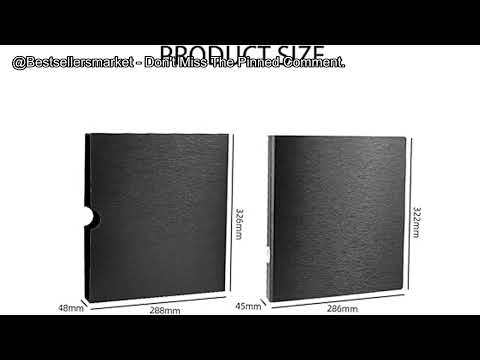
Look for sturdy construction, smooth interior surfaces, and a slipcase that supports the binder without squeezing it. Avoid products with strong chemical odors or exposed adhesives touching collection items. A tight slipcase is not a substitute for climate control and can make inspection more difficult.
Pages, sleeves, and ring mechanisms
For many photographs and documents, clear sleeves made from polyester, polypropylene, or polyethylene are common preservation choices. Avoid polyvinyl chloride (PVC) sleeves, which can release damaging plasticizers and become sticky over time. For photographic storage, look for materials that have passed the Photographic Activity Test (PAT), while remembering that a passed test does not guarantee suitability for every photographic process.
Choose a ring mechanism that operates smoothly and does not touch the contents. Rusting metal can stain nearby materials, so inspect rings periodically. Never punch original documents simply to fit them into a binder; use suitable sleeves or archival mounting methods instead.
| Storage component | Look for | Humidity-related concern |
| Slipcase | Acid-free, lignin-free board; sturdy fit | Damp board can support mold and transfer moisture. |
| Document sleeves | Polyester, polypropylene, or polyethylene | Trapped moisture can encourage sticking or mold. |
| Photograph enclosures | Appropriate sleeves or paper enclosures; PAT-tested materials where applicable | Emulsions may stick when damp. |
| Metal rings | Smooth, clean mechanism with sufficient capacity | High humidity can promote corrosion. |
| Interleaving | Compatible acid-free paper; buffered or unbuffered as appropriate | Paper can absorb moisture and buckle. |
Where to store slipcase binders at home
A consistently conditioned interior room is usually a better choice than an attic, garage, basement, or exterior storage shed. Those spaces often experience wider temperature swings, leaks, condensation, or seasonal dampness. A basement can work if it is reliably dry and climate-controlled, but its actual readings matter more than its appearance.
Place binders on sturdy shelving away from radiators, vents, direct sunlight, plumbing, and exterior walls prone to condensation. Keep collections off the floor to reduce damage from minor flooding or cleaning water. Leave enough space around shelving for air to circulate, but do not aim a fan directly at vulnerable objects.
Store upright without overcrowding
Most standard binders are designed to stand upright, supported by their slipcases and neighboring volumes. Do not pack shelves so tightly that removing a binder requires force. Equally, avoid leaving a heavy binder leaning at an angle, which can stress its covers and pages.
Very large, heavy, or fragile albums may need flat storage instead. If a binder’s structure is sagging or its contents shift when upright, ask a conservator about a more supportive box or custom enclosure.
How to monitor storage humidity accurately
A digital hygrometer is an inexpensive starting point for tracking relative humidity. Choose one that displays minimum and maximum readings, or use a data logger if you want to identify overnight changes and seasonal trends. Place the sensor near the collection, away from direct sunlight, vents, and exterior doors.
- Record a baseline. Check temperature and RH at least daily for the first one to two weeks, including during rain, heating, or air-conditioning cycles.
- Note the extremes. A comfortable average can hide several hours of excessive dampness.
- Check seasonal changes. Reassess during humid summers and dry heating seasons.
- Verify the instrument. Compare it with a calibrated reference or use the manufacturer’s recommended accuracy check.
- Adjust gradually. Change room conditions steadily rather than creating sudden swings around the collection.
For valuable collections, a logger that records both temperature and RH at regular intervals is more informative than an occasional glance at a display. Keep a simple record of readings, equipment changes, and any signs of damage.
Practical ways to lower or raise humidity
When the room is too humid
First identify the moisture source. A leaking pipe, damp wall, water intrusion, or poorly controlled heating and cooling system needs attention; a dehumidifier cannot permanently solve an ongoing leak. If the room remains humid, use an appropriately sized dehumidifier with a humidistat and check that it maintains a stable setting.
Empty and clean the water reservoir according to the manufacturer’s instructions, or arrange safe drainage. Air conditioning can also reduce moisture, but its effectiveness varies. Ventilation helps only when incoming air will actually improve indoor conditions; opening a window during humid weather may make the problem worse.
When the room is too dry
If winter heating regularly drives RH below the recommended range, a humidifier may help. Use a model appropriate for the room, monitor the reading independently, and clean the equipment carefully to limit microbial growth. Avoid directing mist toward shelves or allowing condensation to form on windows and walls.
For many ordinary household collections, preventing dampness and major fluctuations is more important than achieving an exact number. If you cannot maintain the full target range, prioritize a stable, cool, clean location and seek advice for especially sensitive items.
Can silica gel protect binders from humidity?
Conditioned silica gel can help buffer humidity inside a suitably sealed, well-designed enclosure, but it is not a simple cure for a damp room. Ordinary slipcases exchange air with their surroundings, so a small packet placed inside one will have limited capacity and may quickly become ineffective.
Do not place loose silica gel where it can spill onto photographs or documents. Avoid direct contact between packets and collection objects, and do not assume that freshly dried desiccant is appropriate: it can make a small enclosure excessively dry. Creating a reliable microclimate requires an enclosure with a known seal, suitable buffering material, and monitoring. For valuable collections, get professional guidance before attempting one.
Inspect binders for early signs of moisture damage
Check stored binders every few months and after a leak, unusually humid spell, or equipment failure. Look inside the slipcase as well as at the binder’s spine and page edges. Early intervention is much easier than treating a collection after damage spreads.
- Musty or earthy odors
- New spotting, fuzzy growth, or unexplained discoloration
- Rippling pages, warped covers, or softened board
- Photographs sticking to sleeves or one another
- Rust on rings, staples, or nearby fasteners
- Condensation or dampness on shelves and walls
If you suspect active mold, isolate the affected binder from unaffected items without spreading debris. Avoid brushing, vacuuming, or spraying the material with disinfectant. Address the moisture source and consult a conservator, particularly for valuable or extensive collections. People sensitive to mold should avoid handling affected objects and seek appropriate help.
Special considerations for photographs, certificates, and collectibles
Photographs: Handle prints by their edges with clean, dry hands or appropriate gloves. Allow newly processed prints to dry fully before storage, and choose enclosures suited to the photographic process. Historic prints and negatives may require individual advice.
Certificates and documents: Remove damaging fasteners where safe, support fragile sheets in properly sized sleeves, and avoid overfilling pages. Store oversized certificates flat if folding or bending would be necessary to fit them into a binder.
Trading cards and collectibles: Use appropriately sized, PVC-free sleeves and avoid forcing thick cards into tight pockets. Keep binders away from heat, which can worsen warping and interact with humidity changes.
Mixed collections: Separate objects with conflicting storage needs. A leather-bound item, a modern color photograph, and a century-old newspaper may not all benefit from identical enclosures or environmental settings.
Conclusion: Make stability part of your archival system
Acid-free slipcase binders are useful tools for protecting collections from handling, dust, and light, but their contents still depend on the surrounding environment. Choose compatible sleeves and board, keep the room cool and reasonably stable, and use a hygrometer rather than guesswork. Regular inspections and a quick response to leaks or unusual humidity will do more for long-term preservation than an archival label alone.
Frequently asked questions
What is the ideal relative humidity for storing archival binders?
For many mixed paper and photograph collections, approximately 30%–50% RH is a practical target. Stability matters, and specialized materials may need different conditions. Avoid prolonged readings above 60% and consult a conservator for sensitive or high-value objects.

Can I store acid-free slipcase binders in a basement?
Yes, if the basement is reliably dry, climate-controlled, protected from leaks, and monitored throughout the year. Keep binders off the floor and away from exterior walls. If humidity or flooding is difficult to control, choose an interior room upstairs instead.
Do acid-free binders prevent mold on photographs and documents?
No. Acid-free materials reduce certain chemical risks, but mold can still grow when moisture, temperature, and other conditions are favorable. Environmental control, clean storage, and prompt leak response remain essential.
Should I put silica gel packets inside an archival slipcase?
Usually not as a standalone solution. A typical slipcase is not sealed, and a small packet cannot control a damp room. In a sealed enclosure, incorrectly conditioned silica gel can also make the air too dry. Monitor any deliberately created microclimate and seek advice for valuable materials.
How often should I check humidity and inspect stored binders?
Check humidity frequently when establishing a storage location, then review readings regularly and whenever the seasons change. Inspect the binders every few months, and immediately after leaks, prolonged damp weather, or climate-control failures.
