

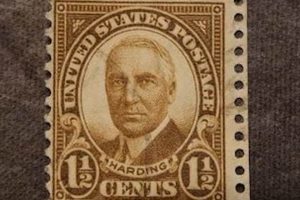

This specific denomination of postage, featuring the likeness of Warren G. Harding, the 29th President of the United States, represents a tangible piece of American history. Issued in 1923 shortly after Harding’s... Read more »
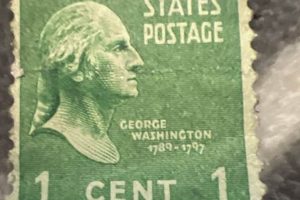
A single-cent denomination for prepaying postal delivery represents the smallest unit of postage. Historically, these low denominations were crucial for sending less weighty mail, like letters or postcards. One notable example is... Read more »

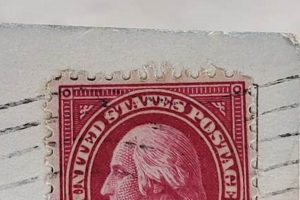
This small, scarlet-hued adhesive, featuring a portrait of George Washington, represents a specific era in United States postal history. Issued from 1890 to 1894, including the 1890-91 issue with “small cents” and... Read more »
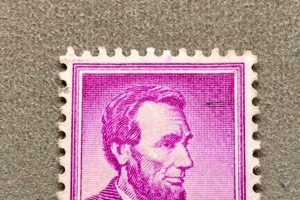
A Lincoln stamp with a face value of four cents, exhibiting a purple hue, can represent several distinct philatelic items. This coloration may indicate a standard issue affected by environmental factors or... Read more »
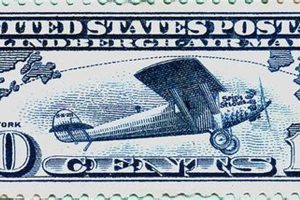
A postage stamp of this denomination, specifically designated for airmail, represents a historical artifact of postal communication. These stamps, often featuring distinctive designs related to flight or air travel, were required for... Read more »
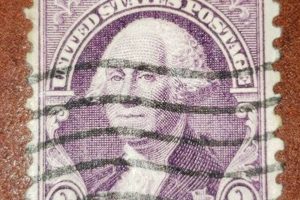
The 3-cent Washington stamp, printed in violet or purple shades, represents a specific category within United States philately. Variations exist within this category, distinguished by factors such as shade, perforation, and printing... Read more »
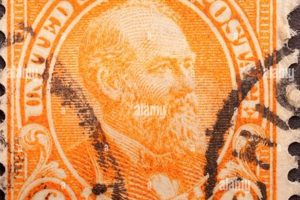
A postage stamp of this denomination represents a specific period in postal history when the cost to mail a standard letter was six cents. This value reflects a time before escalating postal... Read more »
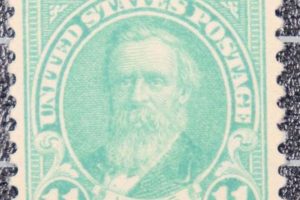
The Rutherford B. Hayes presidential issue, denominated eleven cents, is a significant artifact of United States philately. Issued in 1877, it depicts the 19th president and is part of the definitive series... Read more »
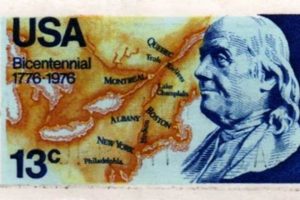
Issued in 1976, this postage featured a stylized colonial drummer and the inscription “USA 200” to commemorate the United States’ two-hundredth anniversary of independence. It served as a practical and symbolic representation... Read more »
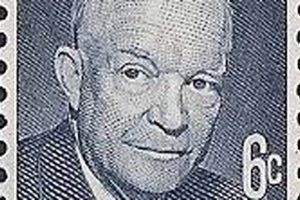
A stamp honoring President Dwight D. Eisenhower and bearing a denomination of six cents represents a specific philatelic item from the United States Postal Service. Such stamps were issued over a period... Read more »