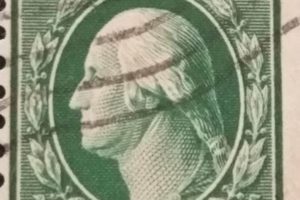
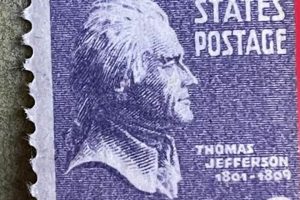
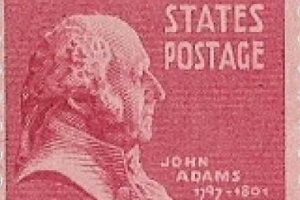
A two-cent denomination postage stamp featuring George Washington, issued by the United States Postal Service, can achieve substantial value based on factors like condition, printing errors, and historical significance. For example, a well-preserved stamp with a unique flaw, such as an inverted center or missing perforations, might command a premium price among collectors.
These philatelic items offer a glimpse into American history, reflecting printing technologies of their era and the evolving iconography surrounding the nation’s first president. Their scarcity contributes to their desirability among enthusiasts, who appreciate their investment potential and the historical narrative they embody. The study of these artifacts can illuminate postal rate changes, design trends, and historical events that influenced their production and usage.
This discussion will further explore factors that contribute to a stamp’s rarity, including specific examples of highly sought-after varieties and the resources available for assessing their authenticity and value.
Tips for Evaluating Early U.S. Postage
Careful consideration of several factors is essential when assessing early United States postage for potential value and authenticity. Overlooking seemingly minor details can significantly impact a stamp’s worth.
Tip 1: Condition is Paramount: A stamp’s condition dramatically influences its value. Mint condition, with original gum and vibrant colors, commands the highest prices. Damage, such as tears, creases, fading, or thin spots, significantly diminishes value.
Tip 2: Centering Matters: The placement of the design within the perforated border is crucial. Ideally, the design should be perfectly centered. Off-center stamps, especially those with design elements touching the perforations, are generally less valuable.
Tip 3: Perforations Tell a Story: Examine the perforations carefully. Variations in gauge (the number of perforations per two centimeters) and condition can distinguish different printings and impact value. Damaged or missing perforations detract from a stamp’s worth.
Tip 4: Beware of Counterfeits: The market for rare stamps unfortunately includes counterfeits. Consult reputable philatelic resources and experts for authentication. Comparing a stamp to certified examples can help identify potential forgeries.
Tip 5: Gum Condition Adds Value: For unused stamps, the presence and condition of the original gum significantly affect value. Undisturbed, original gum is highly desirable, while regummed or hinged stamps are generally less valuable.
Tip 6: Research Specific Varieties: Certain printings and varieties, such as those with color variations or printing errors, are significantly rarer and more valuable. Thorough research on specific issues is crucial for accurate valuation.
Tip 7: Professional Expertise is Recommended: For high-value stamps, seeking expert opinions from certified philatelic appraisers is highly recommended. Their expertise can provide accurate assessments of authenticity and market value.
By diligently considering these factors, collectors can make informed decisions about acquiring and evaluating early U.S. postage. Careful attention to detail is essential for navigating this complex and rewarding field.
These tips offer a foundation for further exploration into the world of philately and the historical significance embedded within these small pieces of history.
1. Rarity
Rarity forms the cornerstone of a two-cent Washington stamp’s value. Several factors contribute to this scarcity. Low print runs, particularly for specific varieties or issues with distinct characteristics like perforation gauge or color variations, significantly restrict the number of existing stamps. Furthermore, the passage of time, coupled with unintentional damage or discarding, diminishes the pool of surviving specimens in good condition. The combination of limited initial production and subsequent attrition contributes to the inherent rarity of particular stamps. For example, the 1894 issue with carmine ink and Perf 12 perforations exists in significantly smaller quantities than other contemporary issues, elevating its desirability and price among collectors. Another example involves stamps with distinct printing errors, like inverted centers, which occurred infrequently and command high prices due to their scarcity.
Understanding the causes of rarity allows collectors to appreciate the historical and market value of these artifacts. Specific varieties, known for their limited production or unique features, become focal points for specialized collections. The relative scarcity of a particular stamp, compared to others within the same series or era, directly influences its desirability and market value. This knowledge allows collectors to make informed decisions about acquisitions, focusing on stamps with demonstrable rarity and potential for long-term value appreciation.
Rarity, therefore, functions as a critical component in assessing the significance of a two-cent Washington stamp. Recognizing the factors contributing to scarcitylimited print runs, the impact of time and conditionprovides crucial context for evaluating a stamp’s importance. This understanding empowers informed collecting practices and contributes to a broader appreciation of these historical artifacts as tangible links to the past.
2. Condition

Condition stands as a critical determinant of a two-cent Washington stamp’s value and desirability within philately. Even stamps inherently rare due to limited production or unique features can lose significant value if poorly preserved. Understanding the various facets of condition provides collectors with a crucial framework for assessment and informed decision-making.
- Centering
Centering refers to the precise placement of the stamp’s design within its perforated border. Ideally, the design should be equidistant from all perforations. Off-center examples, particularly those where design elements touch or nearly touch the perforations, are generally less desirable and thus less valuable. A well-centered stamp exhibits balance and aesthetic appeal, enhancing its overall impression and market value.
- Gum
For unused stamps, the presence and condition of the original gum significantly impact value. “Mint” condition implies undisturbed, original gum. Hinged stamps, where a small hinge was used for mounting in an album, or stamps with regummed areas, exhibit diminished value compared to their mint counterparts. Original gum serves as evidence of the stamp’s pristine state and enhances its desirability among collectors.
- Perforations
Perforations, the small holes surrounding the stamp, play a crucial role in condition assessment. Collectors examine perforations for completeness and sharpness. Missing, damaged, or short perforations (where the perforation cuts into the design) detract from a stamp’s value. Clean, well-defined perforations contribute to a stamp’s overall presentation and desirability.
- Faults
Faults encompass a range of imperfections that can diminish a stamp’s value. These include tears, creases, thin spots (areas where the paper has thinned due to handling or storage), and fading or discoloration due to light exposure. The presence and severity of faults directly impact a stamp’s grade and consequently its market price. Stamps free of faults command premium prices, particularly when combined with other desirable characteristics like vibrant color and precise centering.
These facets of condition, when considered collectively, provide a comprehensive picture of a two-cent Washington stamp’s state of preservation. A thorough understanding of these elements allows collectors to make informed judgments about a stamp’s market value and potential for appreciation. Condition, therefore, stands alongside rarity as a critical pillar in the world of stamp collecting, impacting not only financial value but also the aesthetic and historical significance of these small pieces of history.
3. 1894 Issue
The 1894 issue holds particular significance within the realm of rare two-cent Washington stamps. This year represents a pivotal period in the stamp’s production, introducing variations and rarities that continue to fascinate collectors. Understanding the nuances of the 1894 issue provides crucial context for evaluating these stamps.
- Carmine vs. Lake/Rose Varieties
The 1894 issue saw the two-cent Washington stamp produced in two primary color varieties: carmine and a shade often described as lake or rose. Carmine, a brighter, more vibrant red, generally commands higher prices due to perceived scarcity and aesthetic appeal. Distinguishing between these shades requires careful observation and often consultation with philatelic resources, as variations within each color exist.
- Perf 12 Perforations
Among the 1894 issues, stamps with Perf 12 perforations (12 perforations per two centimeters) hold significant value. This perforation gauge distinguishes them from other contemporary issues, contributing to their rarity. Collectors specifically seek out Perf 12 examples, particularly in combination with the carmine color, driving demand and market prices.
- Bureau of Engraving and Printing Production
The 1894 two-cent Washington stamps were produced by the Bureau of Engraving and Printing. Understanding the printing processes and technologies of the era provides valuable context for evaluating these stamps. Variations in printing techniques can contribute to subtle differences in appearance, further adding to the complexity and intrigue of this issue.
- Historical Context
The year 1894 itself provides historical context for these stamps. Examining postal rates, usage patterns, and historical events of that period adds depth to appreciating these artifacts. These stamps offer a tangible connection to a specific moment in American history, reflected in their design, production, and usage within the postal system.
The confluence of these factors contributes to the enduring appeal of the 1894 two-cent Washington stamp issue. Color variations, perforation gauges, and the historical backdrop of the era intertwine to create a rich tapestry of collecting opportunities. By understanding these nuances, collectors can gain a deeper appreciation for the value, rarity, and historical significance of these stamps.
4. Printing Errors
Printing errors represent a significant factor contributing to the rarity and value of certain two-cent Washington stamps. These errors, arising from various mechanical or human oversights during the printing process, create distinctive varieties highly sought after by collectors. The presence of an error transforms an otherwise common stamp into a scarce and valuable artifact. Understanding the types of errors, their causes, and their impact on value provides crucial insights for collectors.
Several types of printing errors can occur. Inverted centers, where the central design element is rotated 180 degrees, are among the most prized. Other errors include double impressions, where the stamp is inadvertently printed twice, and missing colors, resulting from a malfunction in the inking process. Color shifts, where the intended colors are misaligned or bleed into each other, also create distinctive varieties. The scarcity of these errors, often occurring in minuscule quantities within a larger print run, directly correlates with their market value. For example, the 1917 two-cent Washington stamp with an inverted center is considered one of the most valuable U.S. stamps, fetching substantial sums at auction. Similarly, examples of the 1894 issue with missing colors command significant premiums due to their rarity.
The study of printing errors provides a fascinating glimpse into the technical aspects of stamp production. Analyzing these errors allows philatelists to understand the printing processes employed and the challenges inherent in producing millions of stamps. Knowledge of these errors enables collectors to identify genuine rarities and distinguish them from forgeries or alterations. Ultimately, printing errors contribute significantly to the rich tapestry of philately, adding another layer of complexity and intrigue to the world of stamp collecting. Recognizing these errors requires careful observation and a thorough understanding of the intended design and printing process. This knowledge empowers informed collecting decisions, allowing enthusiasts to appreciate the historical and financial significance of these unique artifacts.
5. Color Variations

Color variations represent a significant aspect of rarity in two-cent Washington stamps. Subtle differences in shades, arising from inconsistencies in ink mixing or printing processes, can distinguish otherwise identical stamps, creating distinct varieties sought after by collectors. Understanding these variations requires careful observation and knowledge of the intended colors for specific issues.
- Shades of Carmine
The two-cent Washington stamp frequently employed carmine ink, a vibrant red hue. However, variations in the shade of carmine exist, ranging from a brighter, almost pinkish-red to a deeper, more intense red. These subtle differences, often discernible only through direct comparison or under specialized lighting, can significantly impact a stamp’s value. For example, a brighter, more vibrant carmine shade in the 1894 issue is generally more desirable than a duller shade.
- Lake/Rose Varieties
In addition to carmine, some two-cent Washington stamps, particularly those from the 1894 issue, appear in a color often described as lake or rose. This shade, distinct from the more vibrant carmine, represents a recognized color variety. Differentiating between carmine and lake/rose can be challenging, requiring careful examination and often consultation with philatelic resources.
- Impact of Paper and Ink Interaction
The type of paper used for the stamp can influence the final color presented. Different paper stocks absorb ink differently, leading to variations in shade even with consistent ink batches. This interaction between paper and ink adds complexity to color identification and contributes to the subtle variations observed among seemingly identical stamps. A stamp printed on a more absorbent paper might appear with a slightly duller shade compared to the same design printed on less absorbent paper.
- Color Shifts and Misregistrations
Color shifts, where the intended colors are misaligned during the printing process, create dramatic color variations and distinct varieties. Misregistrations, a type of color shift, occur when separate printing plates for different colors are not aligned correctly, resulting in overlapping or offset colors. These errors, though unintentional, produce visually striking variations highly valued by collectors.
Color variations, while often subtle, play a crucial role in determining the rarity and value of two-cent Washington stamps. Careful examination, knowledge of intended color shades, and an understanding of printing processes empower collectors to identify and appreciate these variations. These nuances contribute to the depth and complexity of philately, making the pursuit of specific color varieties a rewarding aspect of stamp collecting.
6. Carmine

Carmine plays a crucial role in the world of rare two-cent Washington stamps. This vibrant red color, derived from a natural dye, features prominently in several key issues, and its presence, along with specific shade variations, significantly impacts a stamp’s desirability and market value. Understanding the nuances of carmine provides collectors with essential knowledge for evaluating these historical artifacts.
- 1894 Issue Significance
The 1894 two-cent Washington stamp issue highlights carmine’s importance. This issue exists in both carmine and lake/rose shades, with carmine generally considered rarer and more valuable. The 1894 carmine stamps, especially those with Perf 12 perforations, represent key targets for collectors specializing in this era of U.S. philately. The vibrancy of the carmine ink contributes to the aesthetic appeal of these stamps, further enhancing their desirability.
- Shade Variations within Carmine
Even within the classification of “carmine,” subtle shade variations exist, ranging from a brighter, almost pinkish-red to a deeper, more intense red. These variations, often discernible through careful comparison or under specialized lighting, can significantly impact a stamp’s value. A brighter, more vivid carmine shade typically commands a higher price than a duller shade, particularly within the 1894 issue.
- Distinguishing Carmine from Lake/Rose
Differentiating between carmine and the similar lake/rose shade presents a challenge for collectors. Lake/rose appears less vibrant, often with a slightly brownish or muted tone compared to the brighter carmine. Accurate identification requires careful observation, comparing the stamp to certified examples, and consulting philatelic literature or expert opinions. Mistaking lake/rose for carmine, or vice versa, can lead to inaccurate valuations.
- Impact on Value and Rarity
The presence of carmine ink, particularly in specific issues and shades, directly correlates with a stamp’s rarity and market value. The perceived scarcity of vibrant carmine examples, particularly within the 1894 issue, drives demand among collectors. This demand, combined with the inherent aesthetic appeal of the color, contributes to the premium prices commanded by these stamps in auctions and private sales.
Carmine, therefore, serves as a critical factor in evaluating two-cent Washington stamps. Understanding its significance within specific issues, recognizing the subtle shade variations, and distinguishing it from similar colors empowers collectors to accurately assess rarity and value. The presence of carmine ink adds another layer of complexity and intrigue to the pursuit of these historical artifacts, contributing to the rich tapestry of U.S. philately.
7. Perf 12

“Perf 12” denotes a specific perforation gauge12 perforations per two centimetersfound on certain two-cent Washington stamps. This seemingly minor detail holds significant weight in determining a stamp’s rarity and value, particularly within the context of the 1894 issue. Understanding the implications of “Perf 12” is crucial for collectors seeking these elusive pieces of postal history.
- Rarity and the 1894 Issue
The 1894 two-cent Washington stamps exist with various perforation gauges, with Perf 12 being among the rarer varieties. This scarcity stems from the limited production of Perf 12 stamps within the overall 1894 issue. The combination of the year and the specific perforation gauge creates a highly desirable and often valuable collectible. Stamps from this year with other perforation gauges, such as Perf 10, are more common and consequently less valuable.
- Identification and Authentication
Accurately identifying Perf 12 requires careful examination. Collectors use perforation gauges or specialized tools to count the perforations within a two-centimeter span. Precise identification is crucial for authentication and valuation, as misidentifying a Perf 10 or Perf 11 stamp as Perf 12 can lead to significant errors in appraisal. Philatelic literature and expert opinions provide valuable resources for confirming perforation gauge.
- Impact on Value
The “Perf 12” designation significantly impacts a two-cent Washington stamp’s market value. The relative scarcity of Perf 12 stamps, especially within the 1894 issue, drives demand and consequently increases prices. A Perf 12 stamp in excellent condition, particularly one with desirable color attributes like carmine, can command substantial premiums compared to stamps with more common perforation gauges. This value differential underscores the importance of accurate perforation identification.
- Relationship with Other Factors
The value of a “Perf 12” stamp isn’t solely determined by its perforation gauge. Other factors, including centering, color, gum condition, and the presence of any printing errors, interact with the “Perf 12” designation to influence the final valuation. A well-centered, vibrant carmine, mint condition 1894 Perf 12 stamp represents the pinnacle of desirability within this specific collecting niche, commanding the highest prices. Conversely, a poorly centered or damaged Perf 12 stamp, while still rarer than its Perf 10 counterparts, will experience a reduction in value due to these condition issues.
The “Perf 12” designation acts as a significant multiplier of both rarity and value for certain two-cent Washington stamps, especially within the coveted 1894 issue. Understanding the interplay between perforation gauge, condition, and other factors empowers collectors to appreciate the nuances of these philatelic treasures and make informed decisions in their pursuit of these scarce and historically significant artifacts.
Frequently Asked Questions
This section addresses common inquiries regarding rare two-cent Washington stamps, providing concise yet informative responses to facilitate a deeper understanding of their significance and value within philately.
Question 1: Which two-cent Washington stamps are considered rare?
Rarity depends on factors like printing errors, color variations, condition, and issue date. The 1894 issue, particularly with carmine ink and Perf 12 perforations, is highly sought after. Stamps with distinct printing errors, like inverted centers, are also exceptionally rare.
Question 2: How can one determine the value of a two-cent Washington stamp?
Consulting specialized stamp catalogs, online resources, and professional appraisers provides accurate valuations. Factors impacting value include condition, rarity, color, and the presence of printing errors. Professional authentication is recommended for potentially high-value stamps.
Question 3: Where can one purchase or sell these stamps?
Reputable stamp dealers, auction houses, and online marketplaces specializing in philately offer avenues for buying and selling. Exercising caution and verifying seller reputations are crucial to avoid counterfeits or misrepresented items.
Question 4: How should these stamps be stored to maintain their condition?
Archival-quality materials, such as acid-free albums and protective mounts, safeguard stamps from environmental damage. Maintaining stable temperature and humidity levels helps prevent deterioration of paper and ink.
Question 5: What are the most common types of printing errors found on these stamps?
Inverted centers, missing colors, double impressions, and color shifts represent common printing errors, significantly increasing a stamp’s rarity and value. Understanding these errors requires careful observation and familiarity with the intended design.
Question 6: How can one distinguish between genuine and counterfeit two-cent Washington stamps?
Professional authentication by reputable philatelic experts provides definitive verification. Comparing a stamp to certified examples, examining printing details, and consulting specialized literature aids in identifying potential counterfeits.
Careful consideration of these factors provides a foundation for understanding the complexities of these rare stamps. Further research and consultation with philatelic experts enhance collecting knowledge and informed decision-making.
For those interested in further exploration, the following sections delve into specific aspects of two-cent Washington stamps, offering detailed insights for collectors of all levels.
Rare Washington 2 Cent Stamp
The exploration of rare two-cent Washington stamps reveals a multifaceted area within philately. Factors such as condition, printing errors like inverted centers or missing colors, and specific issues like the 1894 series with its carmine and Perf 12 variations significantly influence rarity and value. Understanding these nuances provides collectors with crucial tools for navigating this specialized market. The interplay of these elements transforms these small pieces of paper into historical artifacts, embodying specific moments in printing technology and postal history.
The pursuit of rare two-cent Washington stamps offers not only financial potential but also a connection to the past. Continued research and careful examination remain essential for navigating the complexities of this collecting area. These stamps, with their intricate details and historical significance, continue to captivate philatelists, reminding us of the enduring power of these miniature windows into history.