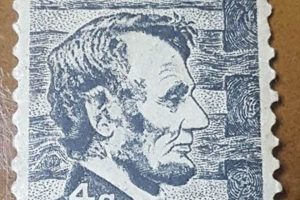
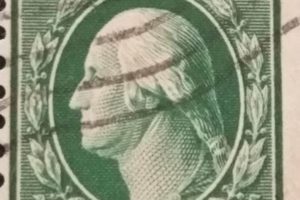
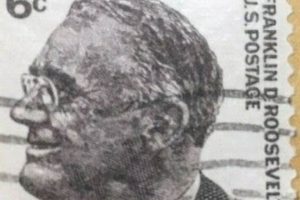
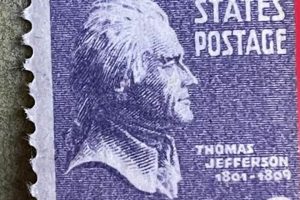
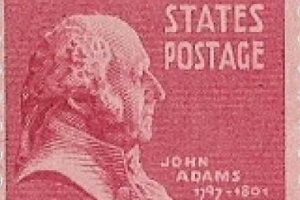
A stamp with a face value of one-half of a cent represents a minuscule denomination used in specific historical postal contexts. For instance, such fractional denominations often played a role in covering the costs of additional services like newspaper delivery or bulk mailings. Stamps of this value offer a glimpse into a period when postal rates were significantly lower and demonstrate the intricate systems used to manage varied mailing needs.
These fractional denominations, while seemingly insignificant today, were essential components of historical postal systems. They allowed for precise calculation of fees, ensuring businesses and individuals could afford necessary mailing services. Studying these minute values provides insight into the evolution of postal rates and the economic conditions of the past. Their existence facilitated affordable access to communication and the dissemination of information through printed materials.
This exploration of low-denomination postage will delve further into the historical usage of these stamps, examining specific examples and their role within broader postal rate structures and their connection to socio-economic trends. Subsequent sections will discuss specific instances of half-cent stamps, their designs, and their collectible value.
Tips for Researching Low-Denomination Stamps
Understanding the nuances of low-denomination stamps, like the half-cent variety, requires careful research. The following tips offer guidance for navigating the complexities of these historical artifacts.
Tip 1: Consult Specialized Catalogs: Specialized stamp catalogs provide detailed information on various denominations, including less common ones like half-cent stamps. These catalogs often include historical context, images, and pricing information.
Tip 2: Examine Condition Carefully: Condition significantly impacts value. Factors like centering, perforations, and gum condition should be assessed meticulously. A seemingly minor flaw can drastically reduce a stamp’s worth.
Tip 3: Understand Historical Context: Research the period when the stamp was issued. Understanding the postal rates and regulations of the time provides valuable insight into the stamp’s purpose and significance.
Tip 4: Research Printing Methods: Different printing methods can create variations within a single stamp issue. Learning about these variations can help identify rare and valuable specimens.
Tip 5: Network with Experts: Joining philatelic societies or online forums allows access to experienced collectors who can provide valuable advice and insights.
Tip 6: Focus on Specific Areas: Specializing in a particular era, region, or type of stamp can make research more manageable and lead to deeper expertise.
Tip 7: Verify Authenticity: Counterfeit stamps exist. Obtaining certificates of authenticity from reputable sources is crucial, particularly for valuable specimens.
By employing these strategies, researchers and collectors can gain a deeper understanding of low-denomination stamps and their historical significance, leading to more informed collecting decisions and a greater appreciation for these intricate pieces of postal history.
These research tips provide a solid foundation for navigating the world of fractional denomination stamps. The following sections will delve into specific case studies and offer further resources for continued learning.
1. Rarity

Rarity significantly influences the value of a half-cent stamp, acting as a cornerstone of its desirability within philatelic circles. Scarcity, driven by various factors, elevates certain stamps to prized positions, commanding higher prices and greater interest among collectors. Understanding the facets contributing to rarity is essential for evaluating these historical artifacts.
- Limited Print Runs
Stamps issued in smaller quantities, perhaps due to short-lived postal rates or specific regional usage, become inherently rarer over time. An example would be a provisional stamp issued for a short-lived colonial territory. Such stamps, due to their limited initial printing, become inherently scarce, directly influencing their value in the collector’s market.
- Uncommon Variations
Variations within a stamp issue, such as errors in printing or unique perforations, contribute to rarity. An inverted center, a misaligned perforation, or a double printing can transform a common stamp into a rare and highly sought-after variety. These errors, often unintentional, become key differentiators impacting value.
- Survival Rates
The passage of time diminishes the available supply of any stamp. Factors like damage, discarding, and usage reduce the number of surviving examples, especially for older issues. A stamp issued during wartime, for instance, might have lower survival rates due to disruption and destruction, increasing the rarity of extant examples.
- Specialized Usage
Stamps intended for specific purposes, such as newspaper delivery or official government use, often exist in lower numbers than regular postage. Official revenue stamps, used for specific tax purposes, might exist in smaller numbers than general postage due to their targeted usage. This specialized application contributes to their relative scarcity and, consequently, their higher potential value.
The convergence of these factors determines a half-cent stamp’s rarity, ultimately impacting its market value and historical significance. A stamp possessing multiple rarity attributes a small initial print run, a unique printing error, and a low survival rate, for instance might achieve considerable value. Therefore, understanding the interplay of these elements is crucial for evaluating the worth and significance of these fractional denomination stamps.
2. Condition
Condition plays a crucial role in determining the value of a cent stamp. Even minor imperfections can significantly impact a stamp’s worth, especially for older, rarer issues. Collectors prioritize well-preserved specimens, and understanding the various aspects of condition is essential for accurate valuation.
- Centering
Centering refers to the stamp’s placement within its perforated margins. Ideally, the design should be equidistant from all sides. A well-centered stamp is more desirable and valuable than one significantly off-center. For example, a cent stamp with the design noticeably shifted towards one edge will likely be valued lower than a perfectly centered example, even if both are otherwise in similar condition.
- Perforations
Perforations are the small holes punched around a stamp to facilitate separation. Collectors examine perforations for flaws like missing or damaged perfs, or perfs that are not cleanly cut. A cent stamp with intact, well-defined perforations is generally more valuable than one with rough, incomplete, or “nibbed” perforations. The quality of the perforations can be a key factor in determining a stamp’s grade and subsequent value.
- Gum Condition
Many stamps were originally issued with a gummed reverse side. The condition of this gum, if present, is an important factor in assessing value. “Mint” condition generally refers to a stamp with original, undisturbed gum. Hinged stamps, where a small hinge was used to affix the stamp to an album page, are generally less valuable than mint examples. A cent stamp with original, unhinged gum, particularly if it remains glossy and undisturbed, commands a premium compared to a hinged example or one with damaged or regummed gum.
- Faults and Damage
Faults encompass a range of imperfections, including thin spots, tears, creases, stains, and fading. These flaws detract from a stamp’s value. A cent stamp with a small tear or a noticeable crease, even if otherwise well-centered and with good perforations, will be significantly less valuable than an undamaged example. The severity and placement of the fault also influences the extent of the value reduction.
The interplay of these condition factors determines a cent stamp’s overall grade and market value. A stamp in pristine condition, exhibiting perfect centering, flawless perforations, and undisturbed original gum, will command the highest prices. Conversely, a stamp with centering issues, damaged perforations, and faults like tears or stains will be valued significantly lower. Therefore, careful evaluation of condition is crucial for accurate appraisal and informed collecting decisions related to cent stamps.
3. Historical Context
Historical context significantly impacts the value of a cent stamp. Understanding the period of issue, prevailing postal rates, and the stamp’s intended purpose provides crucial insights into its significance and rarity. A stamp issued during a period of economic hardship or for a short-lived postal service carries a different historical weight and potential value compared to one issued during a stable period for a common postal usage. Cause and effect relationships are evident: a specific historical event, like a war or a change in postal regulations, could directly influence a stamp’s design, usage, or overall scarcity, thereby impacting its value. For instance, the 1861 cent Franklin stamp, issued just prior to the American Civil War, gains historical significance due to its association with this tumultuous period. Its value reflects not only its age and rarity but also its connection to a pivotal moment in American history.
Historical context serves as a critical component in understanding a cent stamp’s value. Examining the socio-political landscape, technological advancements, and economic conditions surrounding its creation enhances appreciation for its place within postal history. A stamp intended for a specific short-lived purpose, such as pre-paid newspaper delivery or local mail within a small town, acquires added value due to this specialized usage. Furthermore, understanding the printing methods and materials used during a specific historical period aids in authentication and valuation. For example, certain early stamps were printed on thin, fragile paper, making well-preserved examples particularly rare and valuable. Recognizing these nuances allows for a more comprehensive evaluation of a stamp’s worth beyond its face value.
A thorough grasp of historical context is indispensable for serious collectors and researchers. This understanding allows for informed decisions regarding acquisition, valuation, and preservation of these historical artifacts. Challenges arise when historical records are incomplete or conflicting. Meticulous research, cross-referencing various sources, and consulting with experts helps overcome these hurdles. Ultimately, appreciating the historical context of a cent stamp elevates it from a simple piece of paper to a tangible representation of a specific time and place, enriching its value and contributing to a deeper understanding of postal history as a whole.
4. Demand
Demand significantly influences the value of a cent stamp. While rarity and condition establish a baseline value, collector demand ultimately dictates market prices. Strong demand, driven by factors like historical significance or aesthetic appeal, can dramatically increase a stamp’s value. Conversely, weak demand can lead to stagnation or decline in value, even for rare or well-preserved specimens. This cause-and-effect relationship between demand and value is fundamental to the stamp market. For instance, a cent stamp featuring a popular historical figure or commemorating a significant event might experience higher demand and, consequently, a higher market value compared to a more generic design from the same period, even if the latter is rarer. The 1851 cent stamp, featuring Benjamin Franklin, often commands a higher price due to Franklin’s historical prominence and the stamp’s classic design, reflecting the influence of demand on value.
Demand functions as a dynamic component of a cent stamp’s value, fluctuating based on collector trends, economic conditions, and new discoveries. A previously overlooked stamp variety might suddenly become highly sought after if new research reveals its historical importance or rarity, leading to a rapid increase in demand and price. Similarly, a shift in collector focus towards specific periods or themes can impact demand for certain stamps. The emergence of online marketplaces and auction platforms has broadened access to these stamps, influencing demand patterns and price volatility. Understanding these market dynamics is crucial for collectors seeking to make informed decisions regarding acquisitions and sales.
The interplay of demand, rarity, and condition determines a cent stamp’s market value. Challenges arise in accurately assessing demand due to its subjective nature and susceptibility to market fluctuations. Consulting price guides, monitoring auction results, and engaging with experienced collectors provide valuable insights into current demand trends. Recognizing the influence of demand underscores the importance of thorough research and market awareness in navigating the complexities of cent stamp valuation. This understanding enables collectors to appreciate not only the intrinsic historical value of these stamps but also their dynamic market worth, contributing to a more nuanced perspective on stamp collecting as a whole.
5. Issue Date
Issue date plays a crucial role in determining the value of a cent stamp. The date of issue establishes a stamp’s placement within postal history, often correlating with specific printing methods, designs, and usage. This temporal context significantly impacts rarity and, consequently, value. Cause and effect relationships are evident: earlier issue dates often imply lower survival rates due to longer exposure to potential damage or loss, increasing rarity and value. For instance, an 1857 cent stamp, predating the American Civil War, carries greater historical weight and potential value compared to a later issue from the 1890s, even if both share similar designs. The earlier stamp’s age and connection to a specific historical period contribute significantly to its value.
As a component of cent stamp value, the issue date informs understanding of the stamp’s production context. Printing techniques evolved over time, resulting in variations between different issue dates. Knowledge of these variations allows collectors to identify specific printings and assess their relative rarity. An 1861 cent stamp printed using a specific engraving technique might be more valuable than a later reissue using a different method, even if the designs are identical. Furthermore, issue date often aligns with specific postal rates and regulations. A cent stamp issued during a period when that denomination was commonly used for newspaper delivery carries different historical significance than one issued when such rates were obsolete. This context informs a stamp’s story, increasing its appeal and value among collectors.
Understanding the significance of issue date provides practical benefits for collectors and researchers. Accurate identification of issue date aids in authenticating stamps and distinguishing genuine specimens from forgeries. Furthermore, knowledge of issue date allows collectors to build specialized collections focused on specific periods or themes within postal history. Challenges arise when documentation of issue dates is incomplete or conflicting, particularly for early or provisional issues. Meticulous research, cross-referencing catalogs, and consulting with experts become essential for overcoming these challenges. Ultimately, recognizing the significance of issue date deepens understanding and appreciation for cent stamps as historical artifacts, connecting them to specific moments in time and contributing to a more comprehensive narrative of postal history.
6. Printing Method
Printing method significantly influences the value of a cent stamp. Different methods employed throughout history result in unique characteristics that distinguish stamps and impact their rarity and desirability among collectors. Variations arising from different printing techniques, inks, and papers create distinguishable features that become key factors in determining a stamp’s value. Cause and effect relationships are evident: specific printing methods may result in unique flaws or variations, such as double transfers or color shifts, which can significantly enhance a stamp’s value due to their scarcity. For example, an 1861 cent stamp printed using engraved printing on bluish paper exhibits different characteristics and potential value compared to a later issue printed using typography. Engraved stamps often display finer detail and sharper lines, qualities prized by collectors, whereas typographed stamps might appear less refined, impacting their relative value. The choice of paper, whether wove or laid, also introduces variations that influence a stamp’s appeal and worth.
Printing method serves as a crucial component in understanding and evaluating cent stamp value. Knowledge of different printing techniques, such as engraving, typography, lithography, and offset printing, allows collectors to identify specific printings and assess their relative rarity. Recognizing variations within a single issue based on printing nuances enables informed decisions about acquisition and valuation. An early cent stamp printed with an experimental or short-lived printing method gains added value due to its unique production process and potential scarcity. Furthermore, examining the printing method aids in authentication, as certain techniques are associated with specific periods and postal administrations. Understanding the historical context of printing methods employed for cent stamps enhances appreciation for their evolution and impact on the overall development of stamp production.
A thorough understanding of printing methods is essential for serious collectors and researchers. This knowledge enables informed judgments about a stamp’s authenticity, rarity, and overall value. Challenges arise when differentiating between subtle variations resulting from different printing techniques or identifying forgeries that mimic genuine printing methods. Microscopic examination, specialized philatelic literature, and consultation with experts become crucial tools in overcoming these challenges. Ultimately, recognizing the influence of printing method elevates appreciation for cent stamps beyond their face value, transforming them into tangible artifacts reflecting specific technological advancements within postal history. This understanding allows for a more nuanced perspective on stamp collecting as a whole, emphasizing the interplay of technical processes, historical context, and market dynamics in determining value.
Frequently Asked Questions
This section addresses common inquiries regarding cent stamp values, providing concise yet informative responses to clarify potential misconceptions and offer practical guidance for collectors and researchers.
Question 1: How is the value of a cent stamp determined?
Value is determined by a confluence of factors, including rarity, condition, historical context, demand, issue date, and printing method. Rarity often correlates with value, while condition significantly impacts desirability. Historical context and collector demand contribute to market fluctuations. Issue date and printing method provide crucial information regarding a stamp’s production and placement within postal history. A thorough understanding of these interconnected elements is crucial for accurate valuation.
Question 2: Where can one find reliable information on cent stamp values?
Reputable stamp catalogs, specialized philatelic literature, online auction platforms, and expert appraisers offer valuable resources for determining cent stamp values. Cross-referencing multiple sources ensures accuracy and provides a comprehensive understanding of current market trends. Consulting with experienced collectors and joining philatelic societies also offer valuable insights.
Question 3: Do all cent stamps hold significant value?
Not all cent stamps hold substantial monetary value. Commonly issued stamps in average condition might possess minimal value beyond their historical significance. Rarity, driven by limited print runs, unusual variations, or low survival rates, significantly impacts value. Condition plays a crucial role, as even minor flaws can diminish a stamp’s worth.
Question 4: How does condition affect cent stamp value?
Condition is paramount. Factors like centering, perforations, gum condition, and the presence of faults or damage significantly influence value. Minor imperfections can substantially reduce a stamp’s worth, particularly for rarer issues. Collectors prioritize well-preserved specimens, making condition a crucial determinant of market value.
Question 5: What are the challenges in valuing cent stamps?
Accurately valuing cent stamps presents challenges due to the interplay of multiple factors and market fluctuations. Rarity can be difficult to determine definitively, and condition assessments can be subjective. Demand shifts influence market prices, adding complexity to valuation. Furthermore, the existence of forgeries requires careful authentication to ensure accurate appraisal.
Question 6: How can one learn more about cent stamp collecting?
Engaging with philatelic societies, attending stamp shows, consulting specialized literature, and utilizing online resources offer avenues for expanding knowledge and connecting with experienced collectors. Building a focused collection, researching specific periods or printing methods, and participating in online forums provide valuable learning opportunities.
Careful consideration of these frequently asked questions provides a foundational understanding of cent stamp valuation and collecting. Research, due diligence, and a discerning eye are essential for navigating the complexities of this specialized area of philately.
This FAQ section provides a starting point for understanding cent stamp value. The following sections will offer in-depth explorations of specific examples and further resources for continued learning.
1/2 Cent Stamp Value
Exploration of one-half cent stamp value reveals a complex interplay of factors influencing their worth. Rarity, driven by limited print runs and unique variations, significantly impacts value. Condition, encompassing centering, perforations, and gum quality, plays a crucial role in determining desirability and price. Historical context, including the stamp’s issue date and intended purpose, adds another layer of significance. Demand, influenced by collector trends and market dynamics, ultimately dictates market value. Printing methods, from engraving to typography, introduce variations impacting a stamp’s characteristics and appeal. Each factor contributes to a comprehensive understanding of these fractional denominations within postal history.
Careful consideration of these interconnected elements offers a nuanced perspective on cent stamp value. Further research, utilizing specialized catalogs and expert consultation, allows continued exploration of these miniature artifacts. Understanding their value transcends mere monetary worth, providing insights into historical, technological, and socio-economic trends reflected in these small pieces of postal history. Preservation and study of these stamps contribute to a richer understanding of communication and commerce in bygone eras.